Landscapes Prints (3812)
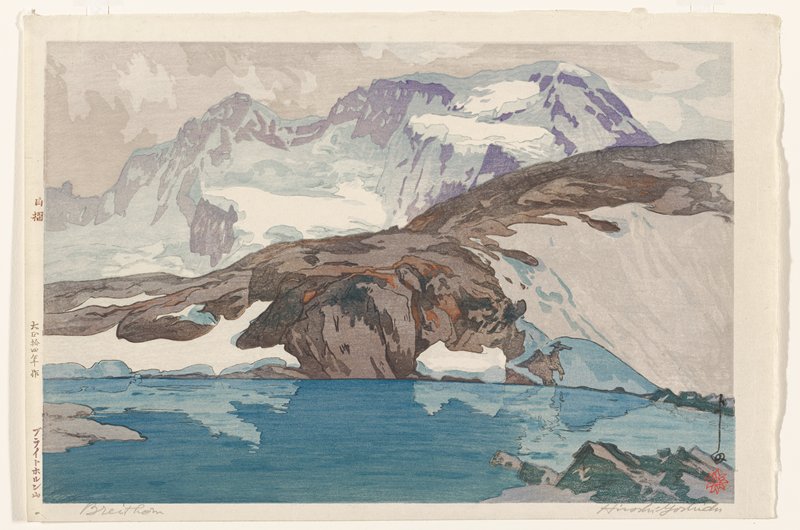
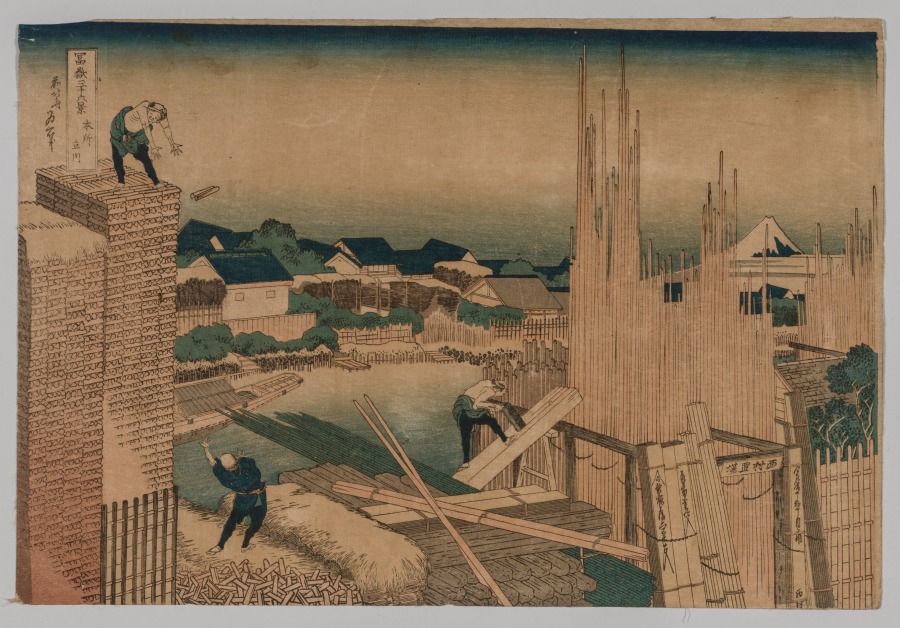
Landscapes are the most celebrated subject in Japanese woodblock printmaking, encompassing mountain vistas, coastal panoramas, river valleys, and rural scenes that have defined the genre for centuries. The tradition reached its first peak with Hokusai's "Thirty-six Views of Mount Fuji" (1831) and Hiroshige's "Fifty-three Stations of the Tokaido" (1833-34), series that established the meisho-e (famous places) format as a cornerstone of ukiyo-e. Shin-hanga artists of the early twentieth century, particularly Kawase Hasui and Hiroshi Yoshida, reinvented the landscape tradition by combining Western atmospheric effects with Japanese compositional sensibilities. Hasui's snow scenes and twilight views of rural Japan became iconic, while Yoshida's mountain studies introduced plein-air observation techniques unprecedented in woodblock printing. Sosaku-hanga artists like Toshi Yoshida and Shiro Kasamatsu further expanded the landscape vocabulary through personal expression and experimental color palettes. Japanese landscape prints typically emphasize seasonal atmosphere, weather conditions, and the interplay between human presence and natural grandeur. The use of bokashi (graduated color) and multiple impression techniques creates depth and luminosity that distinguish woodblock landscapes from other printmaking traditions.
Artists Known for Landscapes


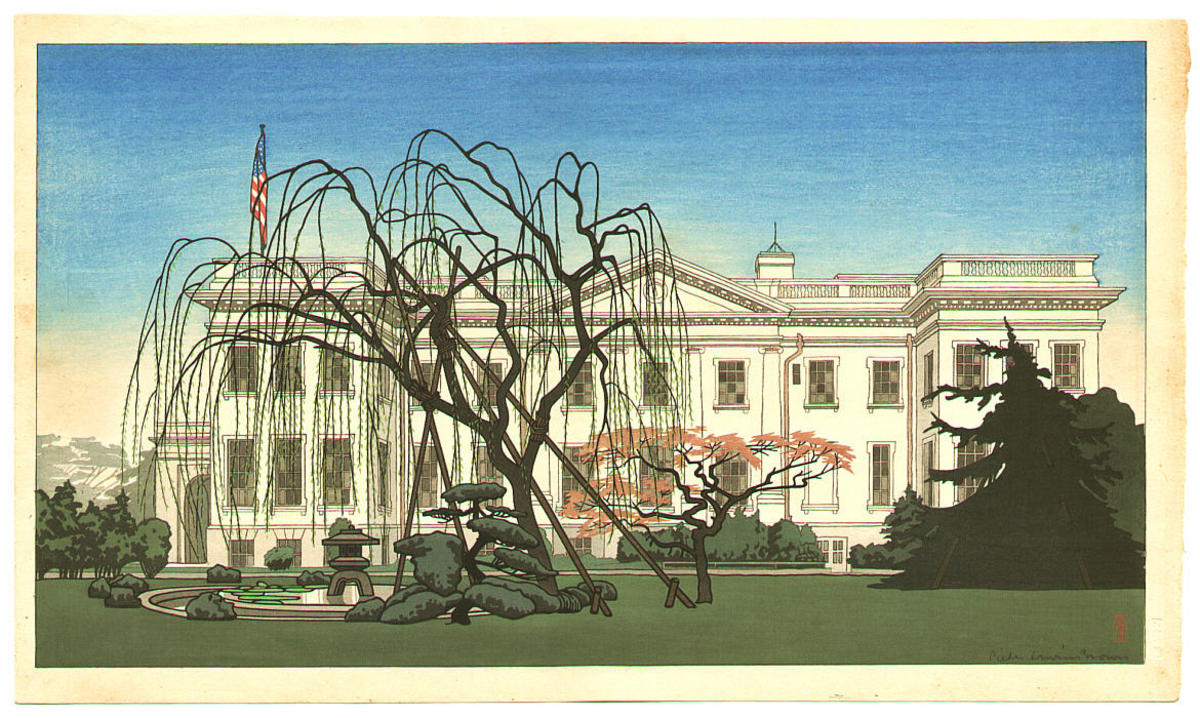
No Series Side View Of The Us Embassy In Japan
Woodblock print
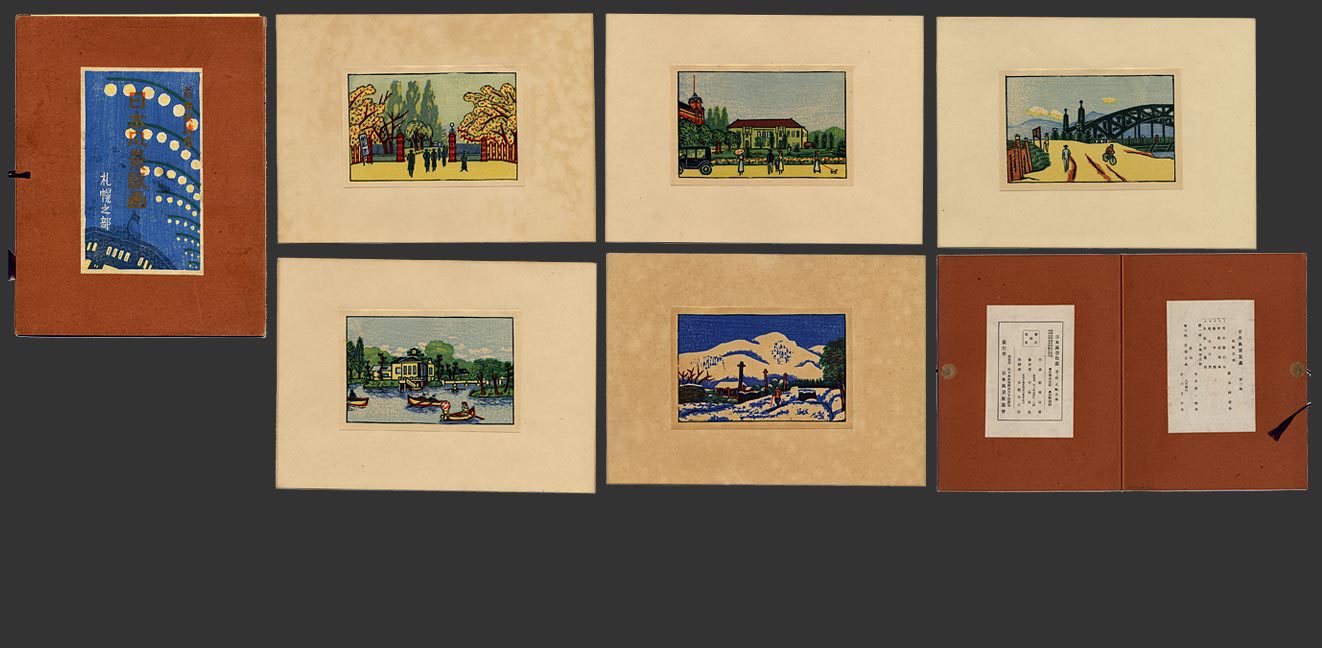
New Views of Japan (Sapporo area)
Woodblock print

Rain at Mount Moiwa (Ame no Moiwayama), from the series "Eight Views of Sapporo (Sapporo hakkei)"
1932
Color woodblock print
SANSUI (landscape)
Woodblock print

View of Mount Fuji from Lake Ashi
20th century
Color woodblock print
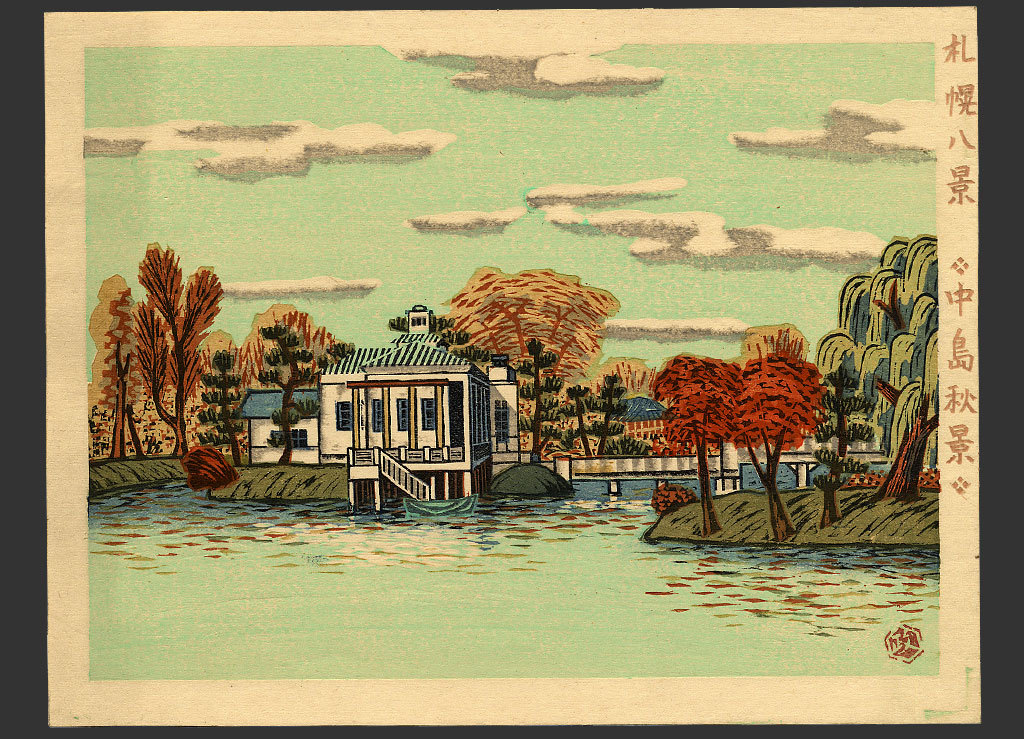
View of Nakajima in autumn
Woodblock print

Tokyo West-Baiu (Rainy season) (One Hundred Views of Tokyo, Message to the 21st Century 東京百景 21世紀へのメッセジ)
1989-99
Color woodblock print

Valley of Butterflies (Tanima no cho)
1979
Photoetching and color woodblock print; artist’s proof
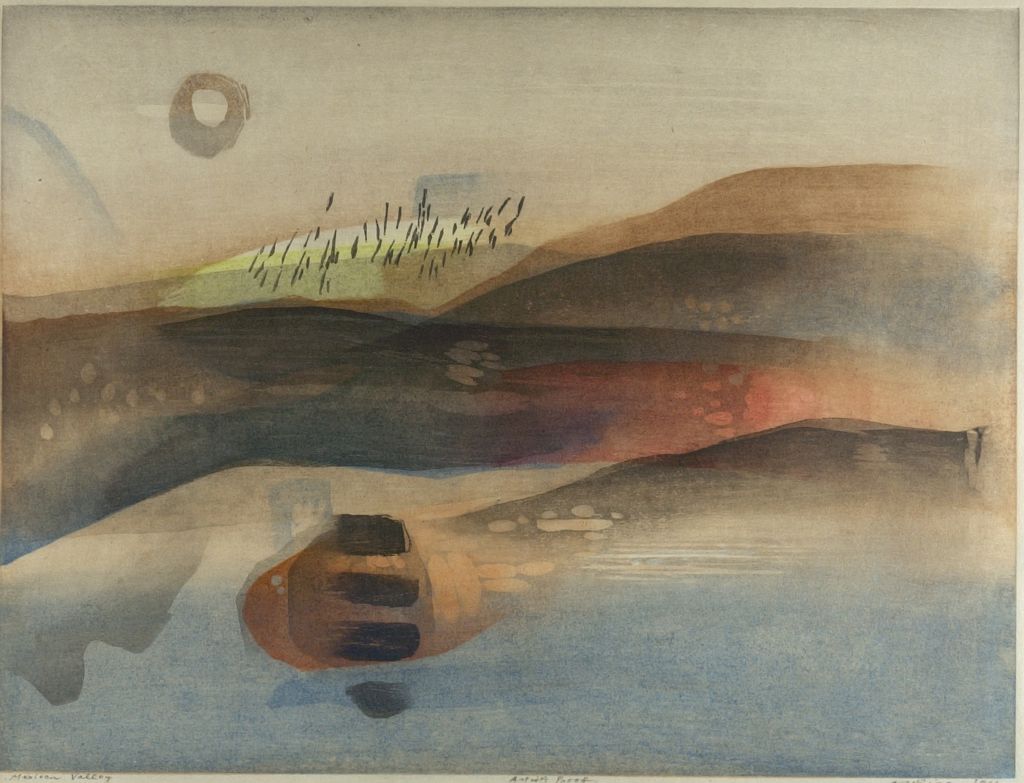
Mexican Valley (Artist's Proof), Shôwa period, 1966
Woodblock print

Green Field
1985–92
Color mezzotint

Landscape
n.d.
Mezzotint on white wove paper

Red Field
1985–91
Color mezzotint

Diary: Nov. 24th '98, in Ueno Park (One Hundred Views of Tokyo, Message to the 21st Century 東京百景 21世紀へのメッセジ)
1989-99
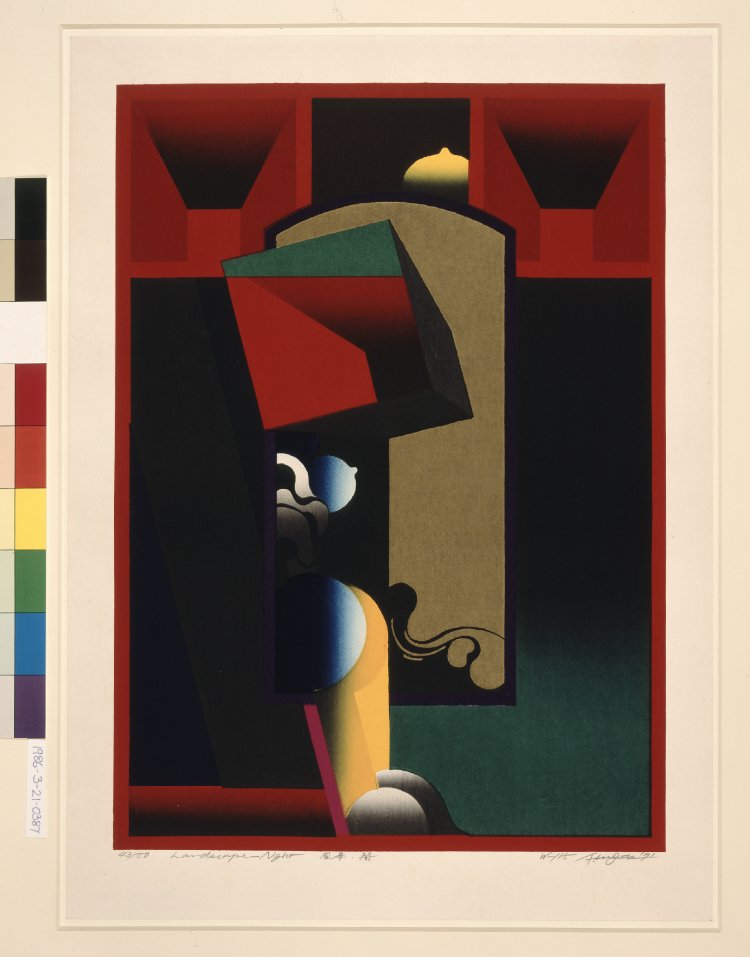
Fukei Yami W-115 (Landscape-Night W-115)
Woodblock print

Paper Museum, Oji (One Hundred Views of Tokyo, Message to the 21st Century 東京百景 21世紀へのメッセジ)
1989-99

Seconhand bookstores St. KANDA (One Hundred Views of Tokyo, Message to the 21st Century 東京百景 21世紀へのメッセジ)
1995

Spring - Canola Flowers Field
2022
Color mezzotint on wove paper
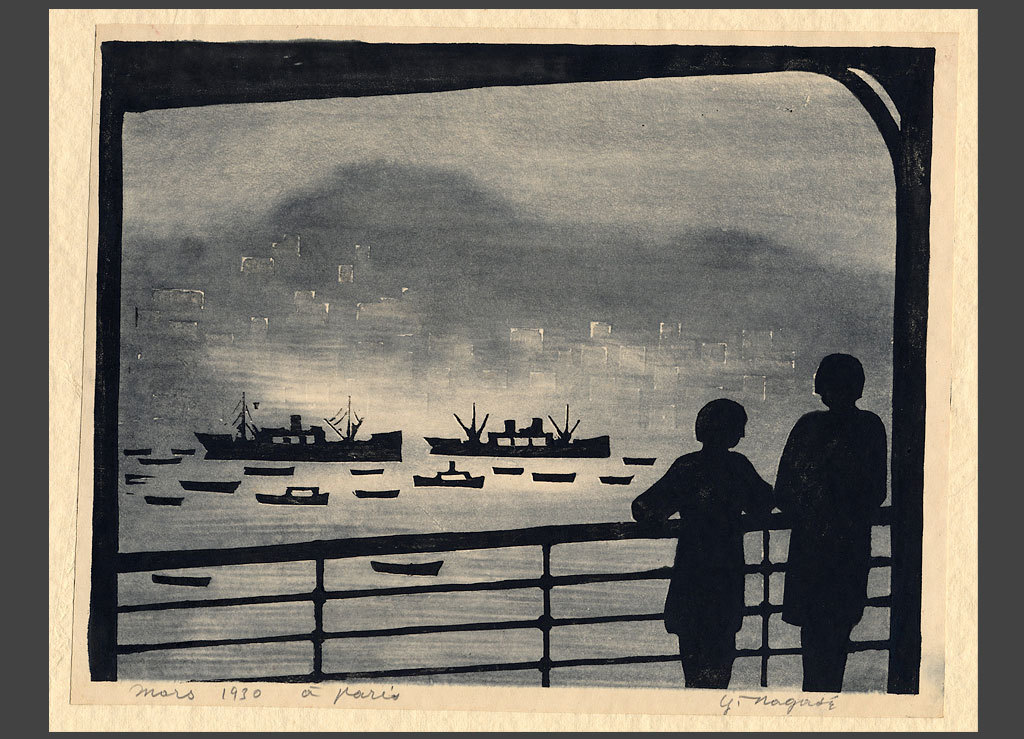
Night view of Hong Kong
Woodblock print

Tokyo Tower (One Hundred Views of Tokyo, Message to the 21st Century 東京百景 21世紀へのメッセジ)
1989-99
Color woodblock print

Mitate No.96 - Sesshu Landscape (Sansui)
2015

Spring in the Countryside
Woodblock print

The Flying (Metropolitan Goverment-I) (One Hundred Views of Tokyo, Message to the 21st Century 東京百景 21世紀へのメッセジ)
1989-99
Color woodblock print

Evening Twilight at Haneda Airport (One Hundred Views of Tokyo, Message to the 21st Century 東京百景 21世紀へのメッセジ)
1989-99
Color woodblock print

Unknown Landscape
Woodblock print

Plateau ed.21/25
Woodblock print

Spring's 4-Chome Ginza (One Hundred Views of Tokyo, Message to the 21st Century 東京百景 21世紀へのメッセジ)
1989-99
Color woodblock print

Bird's Eye View of Sentocho
Woodblock print
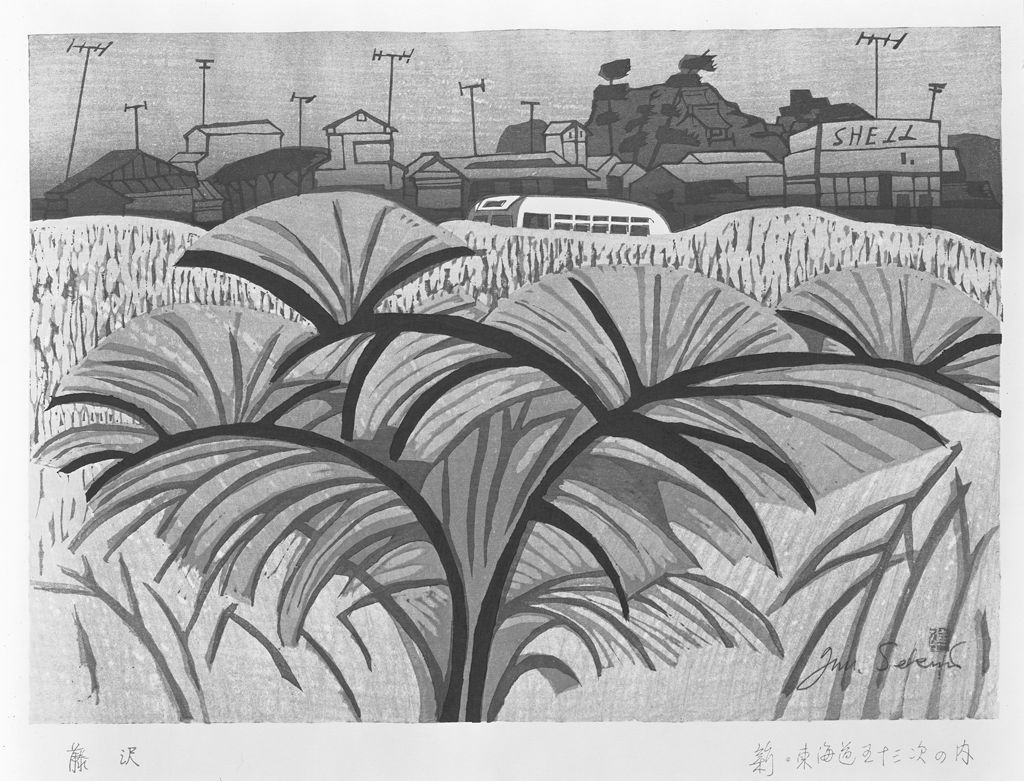
View of Fujisawa, from the series Fifty-Three Stages of the Tôkaidô
Woodblock print

Phoenix Hall, Byodo Temple, Udi, from the series "Collection of Scenic Views of Japan II, Kansai Edition" (Nihon fukei shu II Kansai hen, Uji Byodoin Hoodo)
September 1933
Color woodblock print

Tonashi Gate, Matsuyama Castle, from the series "Collection of Scenic Views of Japan II, Kansai Edition" (Nihon fukei shu II Kansai hen, Matsuyamajo Tonashimon)
February 1935
Color woodblock print
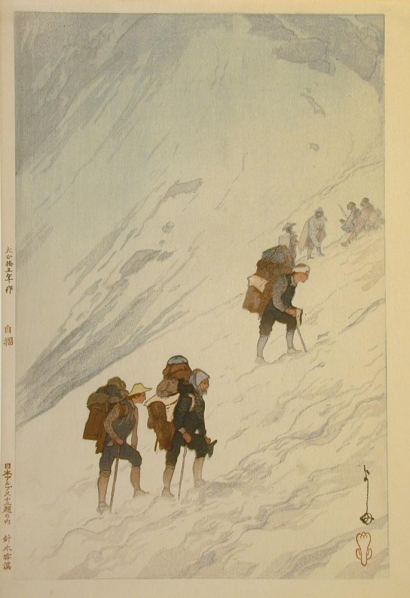
Climbing Snow Valley at Harinoki
1920
Woodblock print

Ishiyama Temple (Ishiyamadera), from the series "Eight Views of Omi (Omi hakkei)"
1912
Color woodblock print

Kara Bridge at Seta (Seta no Karahashi), from the series "Eight Views of Omi (Omi hakkei)"
1917
Color woodblock print

Mii Temple (Miidera), from the series “Eight Views of Omi (Omi hakkei) "
1912
Color woodblock print

Night Rain at Mii Temple, from the series "Eight Views of Ohmi"
1917
Color woodblock print

Pine Tree at Karasaki (Karasaki no matsu), from the series “Eight Views of Omi (Omi hakkei) “
1913
Color woodblock print

Pine Tree at Karasaki (Karasaki no matsu), from the series "Eight Views of Omi (Omi hakkei)"
1918
Color woodblock print
Yakase Bridge, from the series Eight Views of Lake Biwa (ōmi hakkei)
1917
Woodblock print; ink and color on paper

C-24- View from the top of a pagoda
Woodblock print

Rainy Landscape
Woodblock print
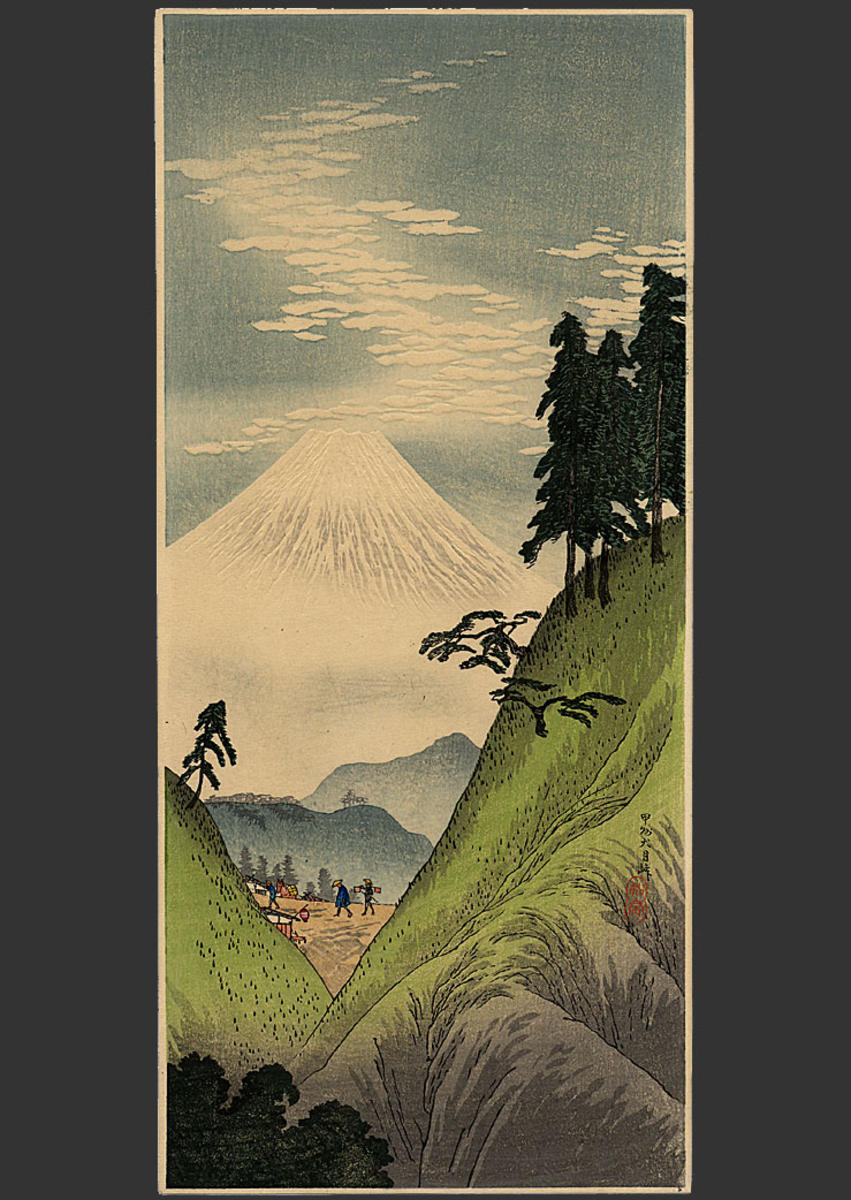
View of Fuji at Inuma Ridge in Koshu
Woodblock print

Noodle Shop

Temple

The Long Bridge of Toyokawa at the Yoshida station of the Tokaido

Two travellers View River

Yoshiwara, Fuji to Left
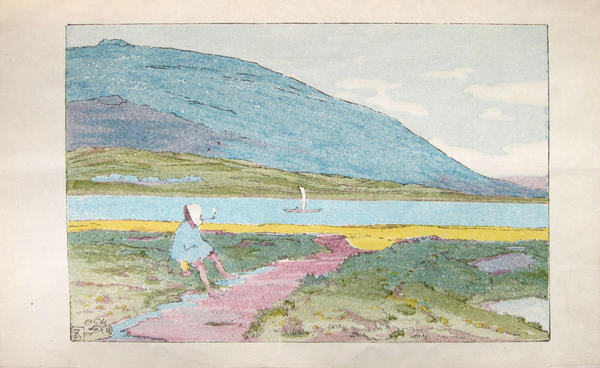
Spring field — 春の野
4
Woodblock print
Yaba Valley (Yabake)
1918 (Taishō 7)
Modern Japanese woodblock print; ink and color on paper
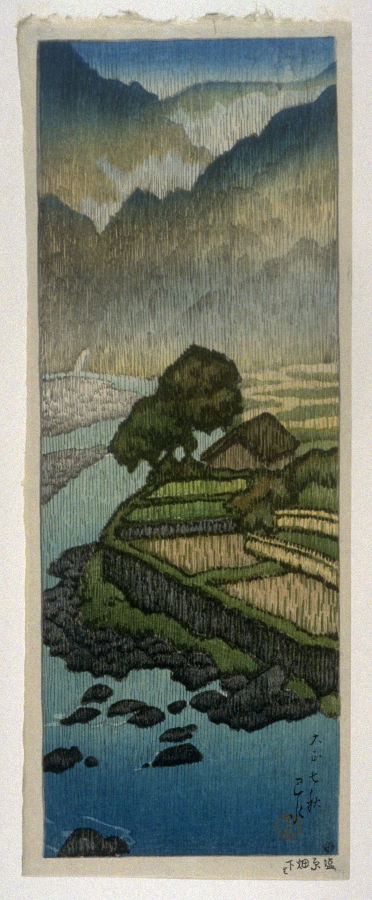
Yabakei (landscape with a Peasant Cart in the Rain)
19th–20th century
Woodblock print
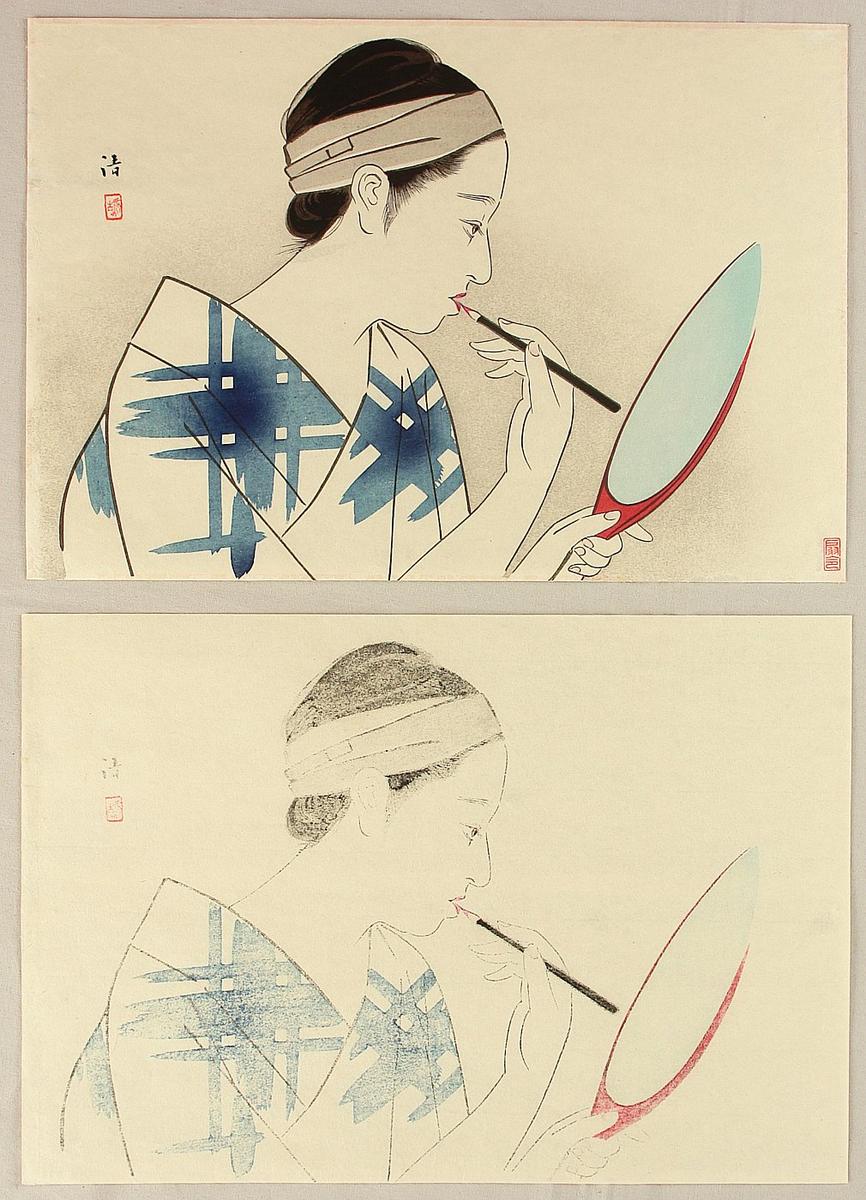
Applying Make-up (Keshô), from the series Two Views of Modern Fashions (Kindai jisei yosooi no uchi ni)
Not set
Woodblock print
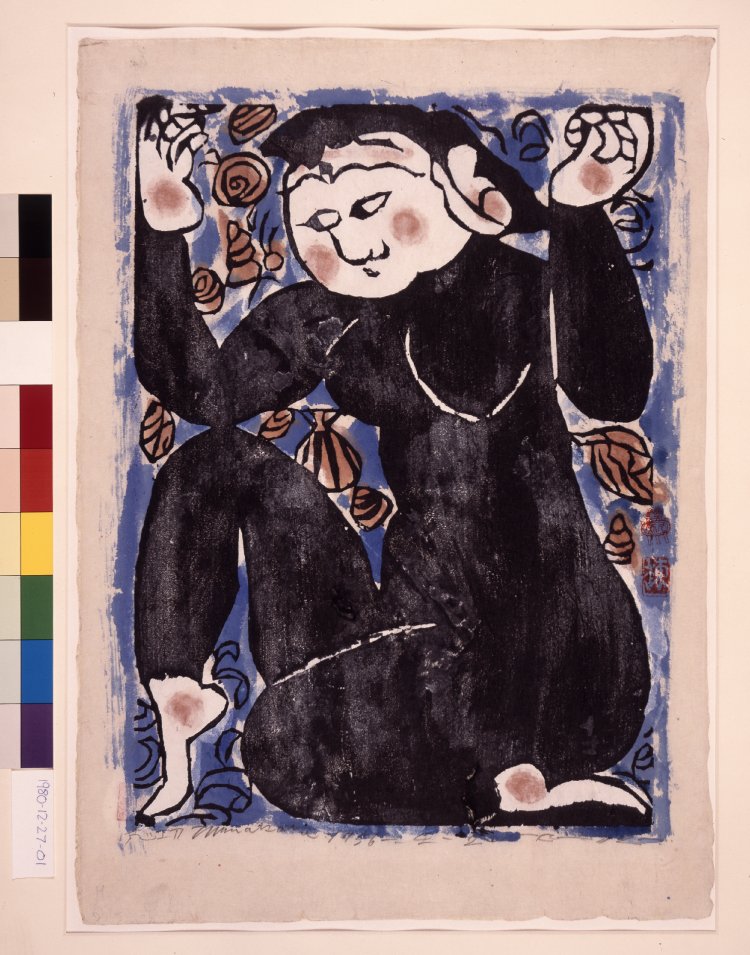
Kai (Shells) / Shokeisho (In Praise of the Valley of the Bell)
1945
Woodblock print
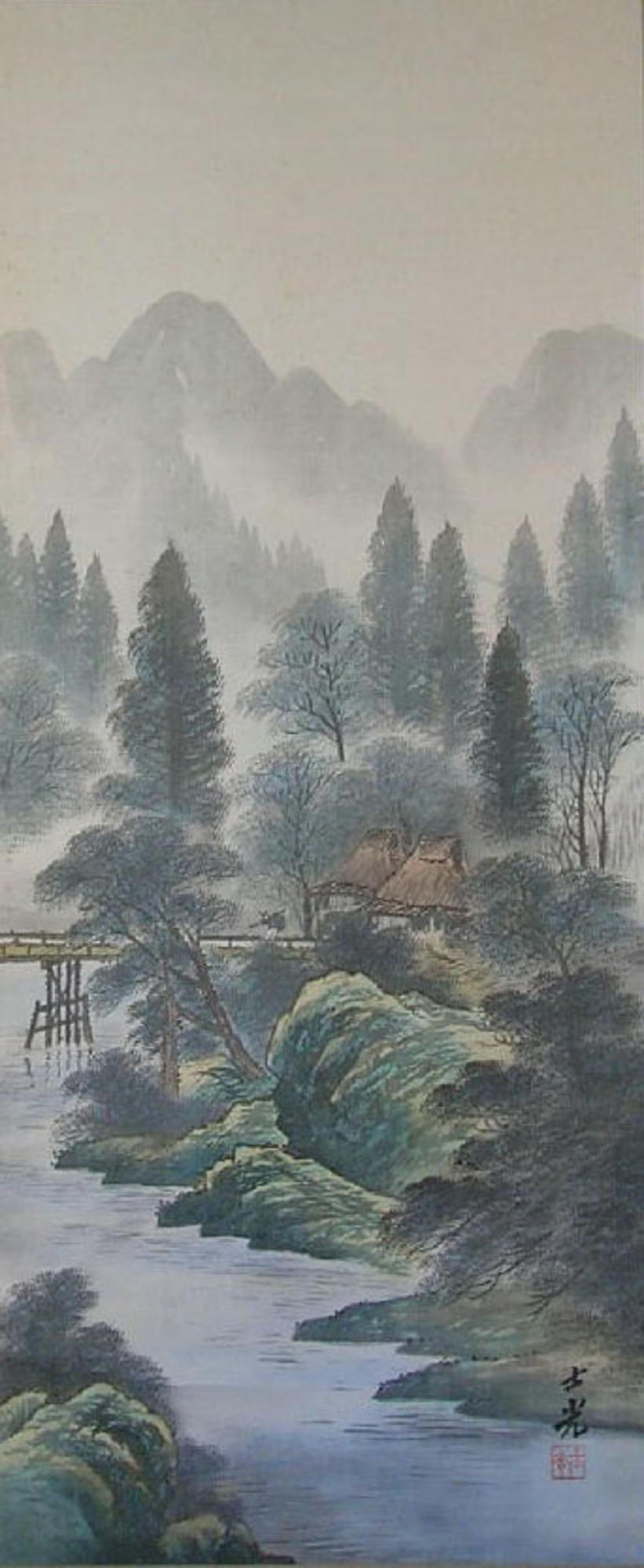
Mountain landscape with farm (1)
1950
Woodblock print

Landscape with Farm
1942
Color woodblock print
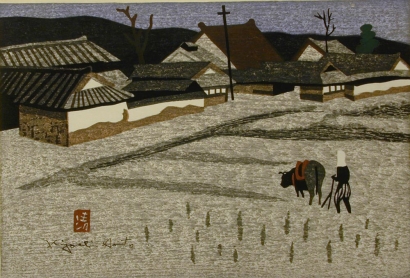
Ploughing the Rice Field
Woodblock print
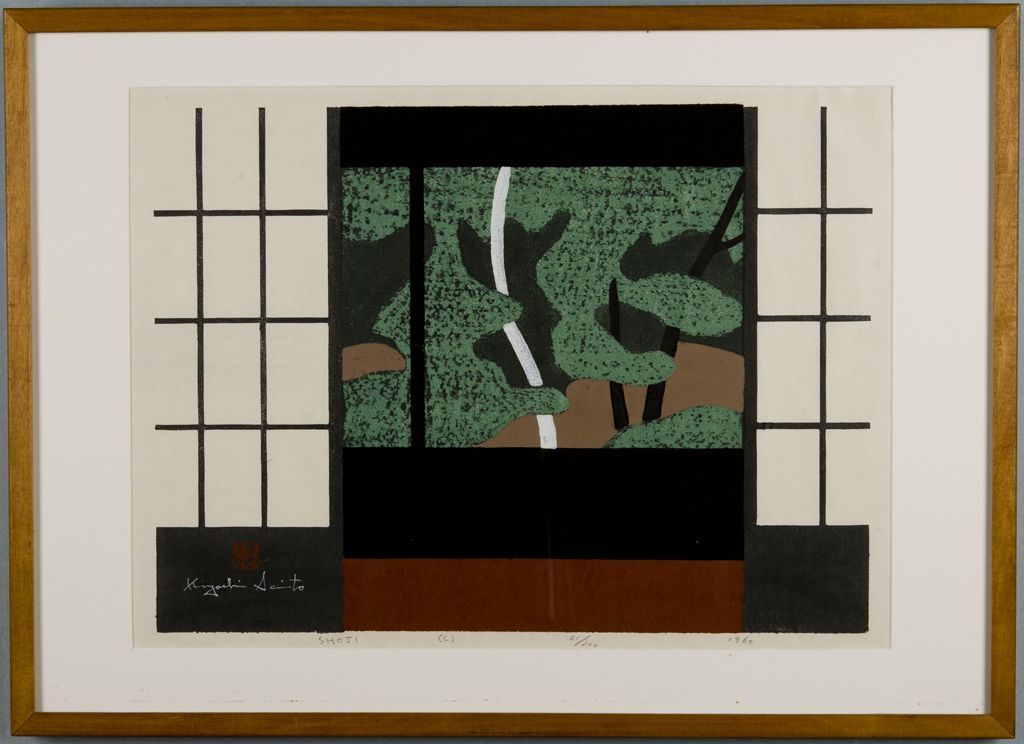
Shoji-View of Garden, Shôwa period, 1960
Woodblock print

Inside the Hogaku Theater (Hogakuza naikei), from the series "New One Hundred Views of Tokyo (Shin Tokyo hyakkei)"
1929
Color woodblock print
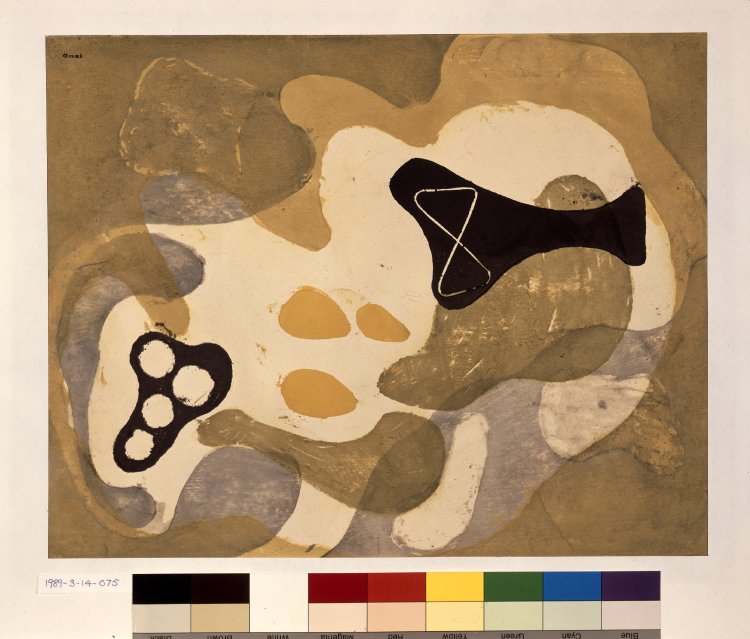
Poème No. 7: Landscape of May
Woodblock print
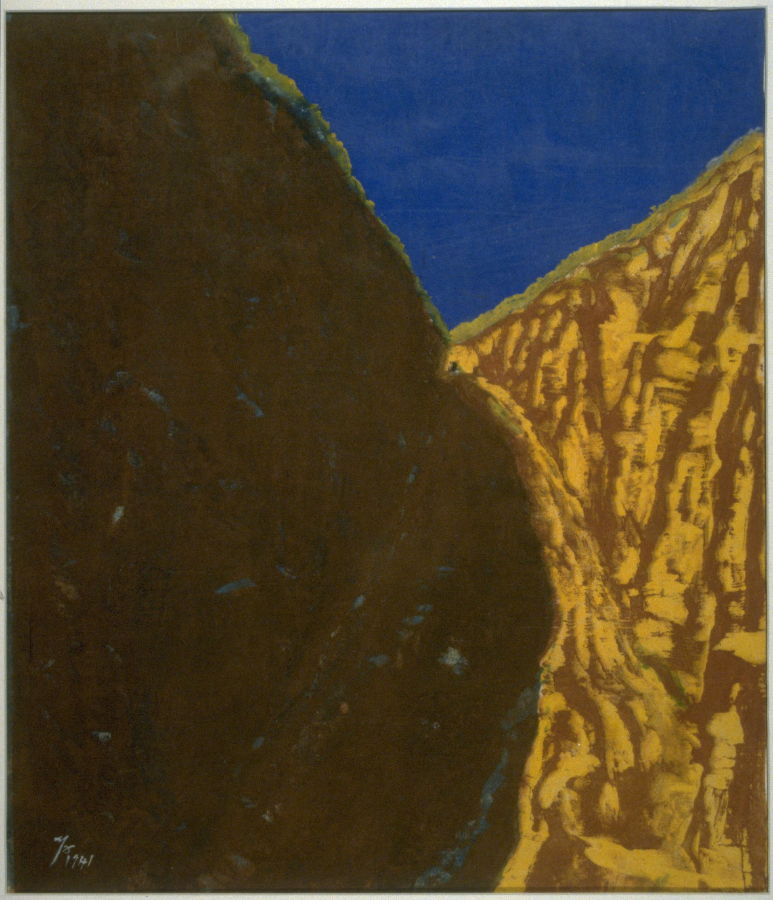
Valley
Woodblock print
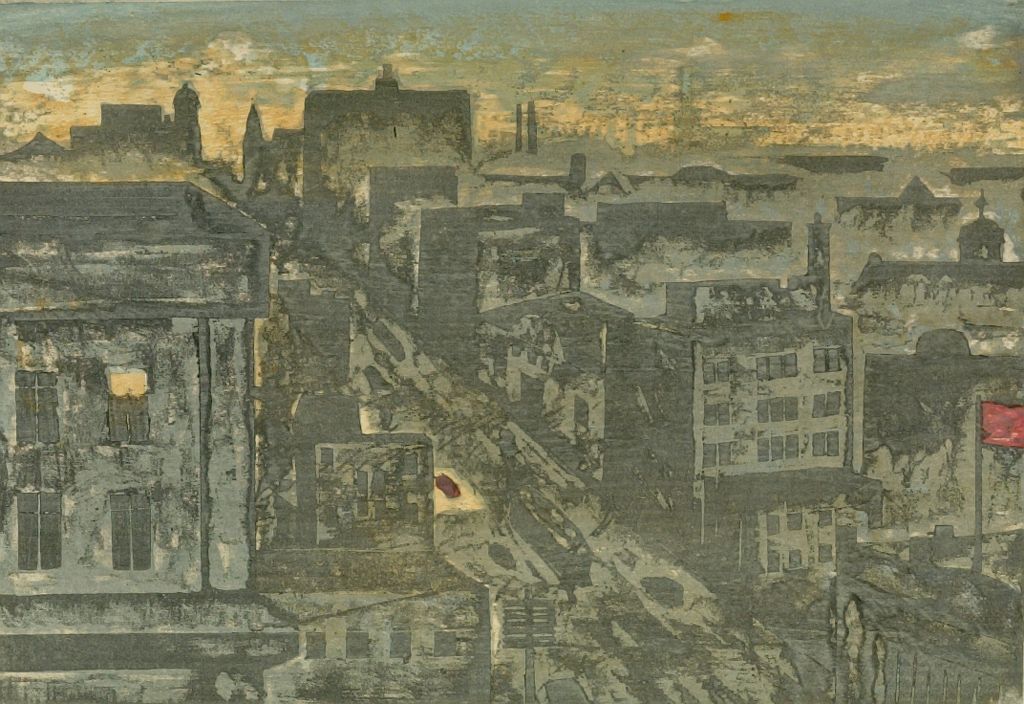
View from Surugadai, from the series One-Hundred New Views of Tokyo (Shin Tokyo hyakkei), Shôwa period, dated 1931
Woodblock print
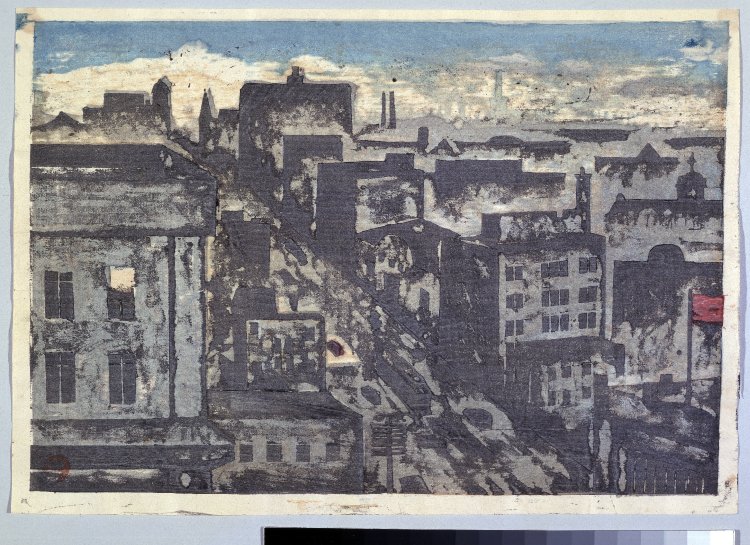
View of Tokyo
Woodblock print
Related Subjects
Frequently Asked Questions
Landscapes are the most celebrated subject in Japanese woodblock printmaking, encompassing mountain vistas, coastal panoramas, river valleys, and rural scenes that have defined the genre for centuries. The tradition reached its first peak with Hokusai's "Thirty-six Views of Mount Fuji" (1831) and Hiroshige's "Fifty-three Stations of the Tokaido" (1833-34), series that established the meisho-e (famous places) format as a cornerstone of ukiyo-e.
Utagawa Hiroshige, Kawase Hasui, and Hiroshi Yoshida are among the artists most associated with landscapes in our collection. Browse the full list of artists who explored this subject above.
Hanga currently catalogues 3812 prints tagged with landscapes, spanning ukiyo-e, shin-hanga, and sōsaku-hanga traditions where applicable.