Landscapes Prints (3812)
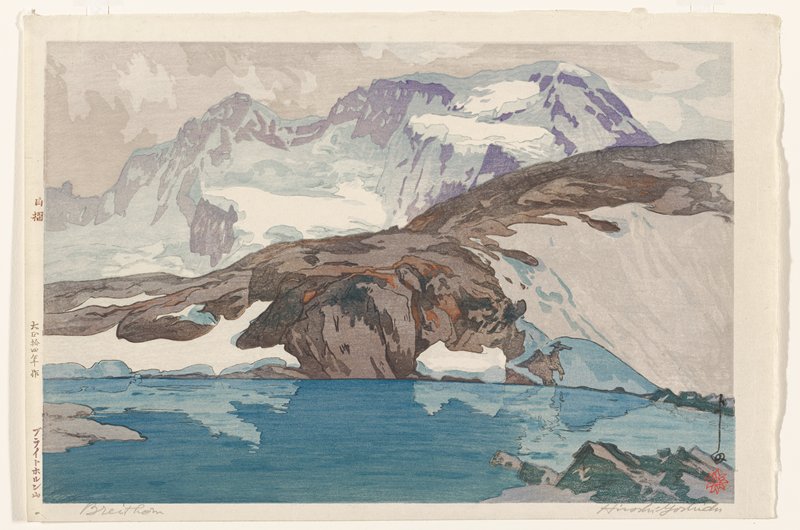
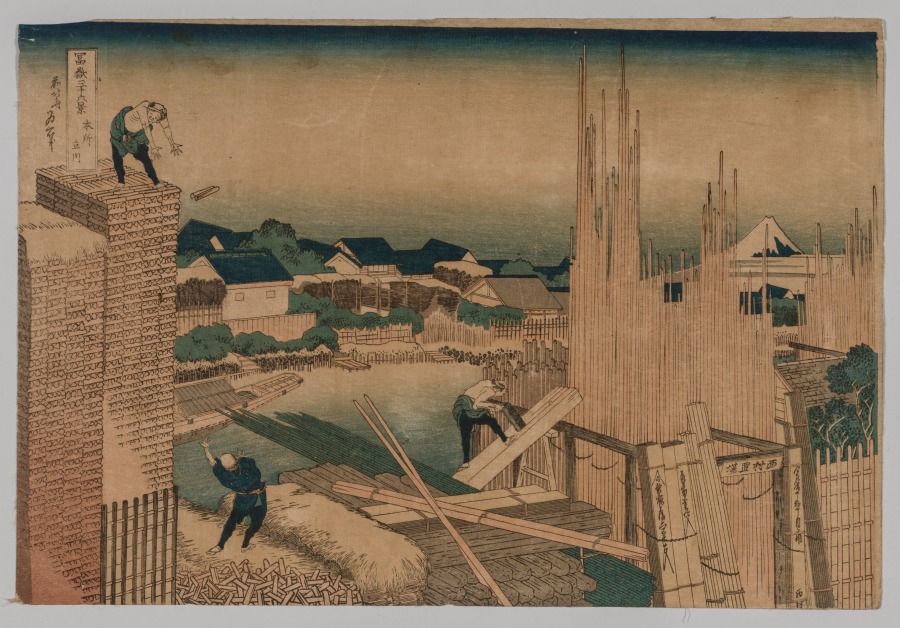
Landscapes are the most celebrated subject in Japanese woodblock printmaking, encompassing mountain vistas, coastal panoramas, river valleys, and rural scenes that have defined the genre for centuries. The tradition reached its first peak with Hokusai's "Thirty-six Views of Mount Fuji" (1831) and Hiroshige's "Fifty-three Stations of the Tokaido" (1833-34), series that established the meisho-e (famous places) format as a cornerstone of ukiyo-e. Shin-hanga artists of the early twentieth century, particularly Kawase Hasui and Hiroshi Yoshida, reinvented the landscape tradition by combining Western atmospheric effects with Japanese compositional sensibilities. Hasui's snow scenes and twilight views of rural Japan became iconic, while Yoshida's mountain studies introduced plein-air observation techniques unprecedented in woodblock printing. Sosaku-hanga artists like Toshi Yoshida and Shiro Kasamatsu further expanded the landscape vocabulary through personal expression and experimental color palettes. Japanese landscape prints typically emphasize seasonal atmosphere, weather conditions, and the interplay between human presence and natural grandeur. The use of bokashi (graduated color) and multiple impression techniques creates depth and luminosity that distinguish woodblock landscapes from other printmaking traditions.
Artists Known for Landscapes


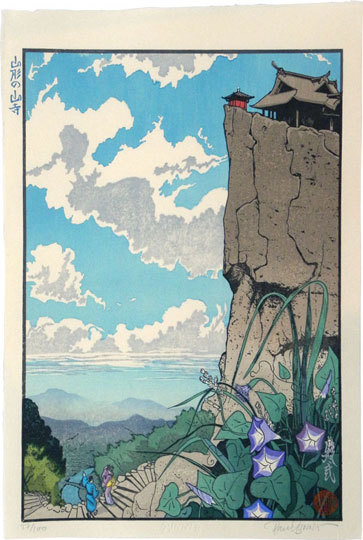
Famous Views of Japan: Mountain Temple in Yamagata (Nihon meisho zu-e: Yamagata no yamadera)
Woodblock print
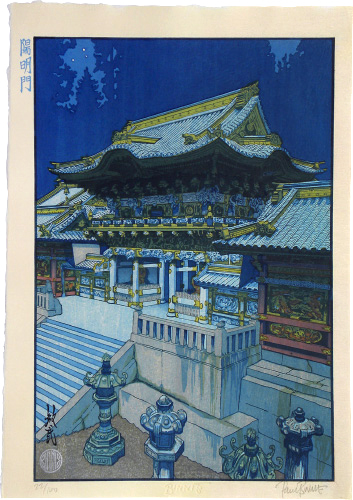
Famous Views of Japan: Night View of Yomeimon Gate (Nihon meisho zu-e: Yomeimon)
Woodblock print
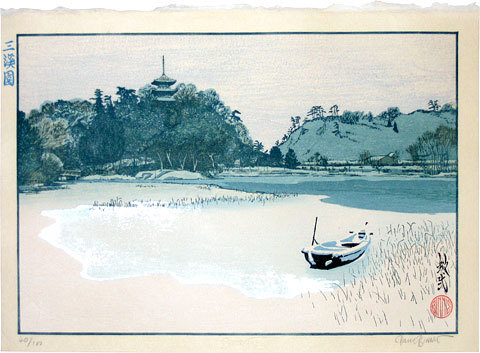
Famous Views of Japan: Sankeien Garden (Nihon meisho zu-e: Sankeien)
Woodblock print
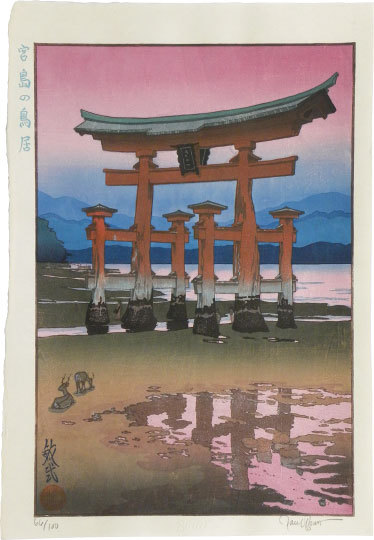
Famous Views of Japan: The Torii Gate at Miyajima (Nihon meisho zu-e: Miyajima no torii)
Woodblock print
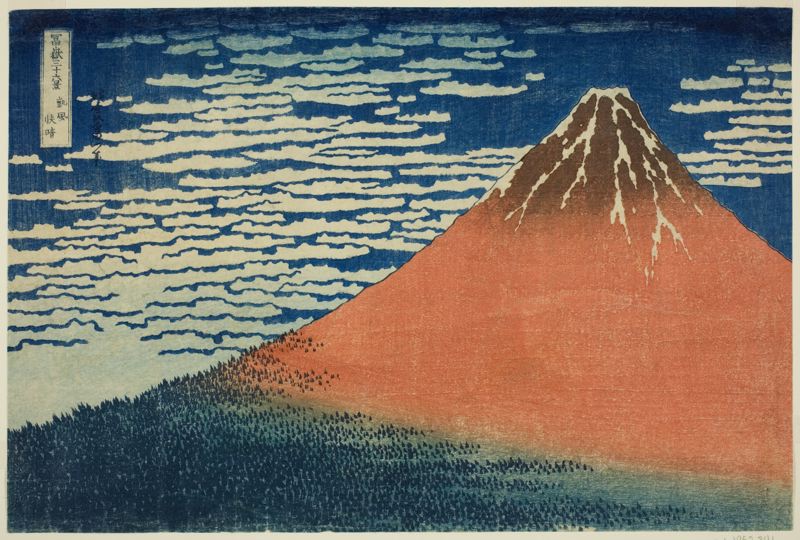
A Mild Breeze on a Fine Day (Gaifu kaisei), from the series Thirty-six Views of Mount Fuji (Fugaku sanjurokkei)
Woodblock print

Eight Views of Omi in Etching Style (Doban Omi hakkei) and cover sheet
1804/16
Color woodblock print; horizontal koban
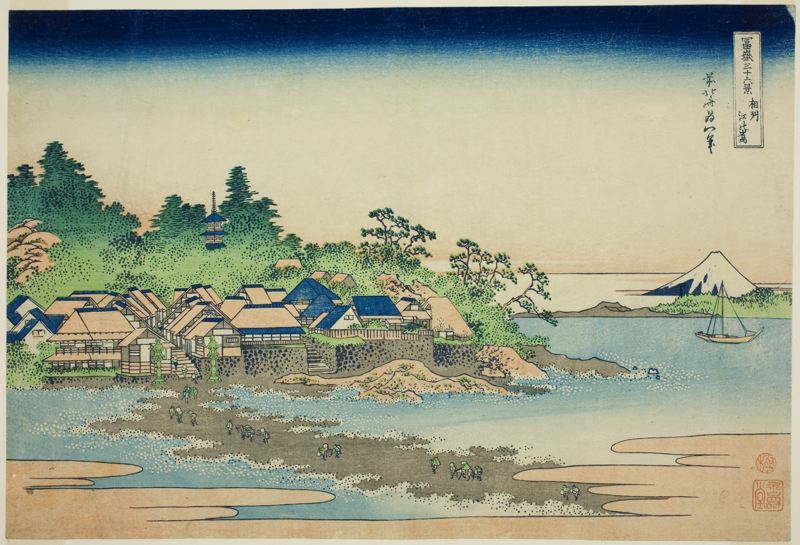
Enoshima Island in Sagami Province (Soshu Enoshima), from the series Thirty-six Views of Mt. Fuji (Fugaku sanjurokkei)
Woodblock print

Fuji from Fujimigahara in Bishu Province
Woodblock print

Autumn Moon at Ishiyama (Ishiyama shugetsu), from the series "Eight Views of Omi (Omi hakkei no uchi)"
c. 1834
Color woodblock print; oban
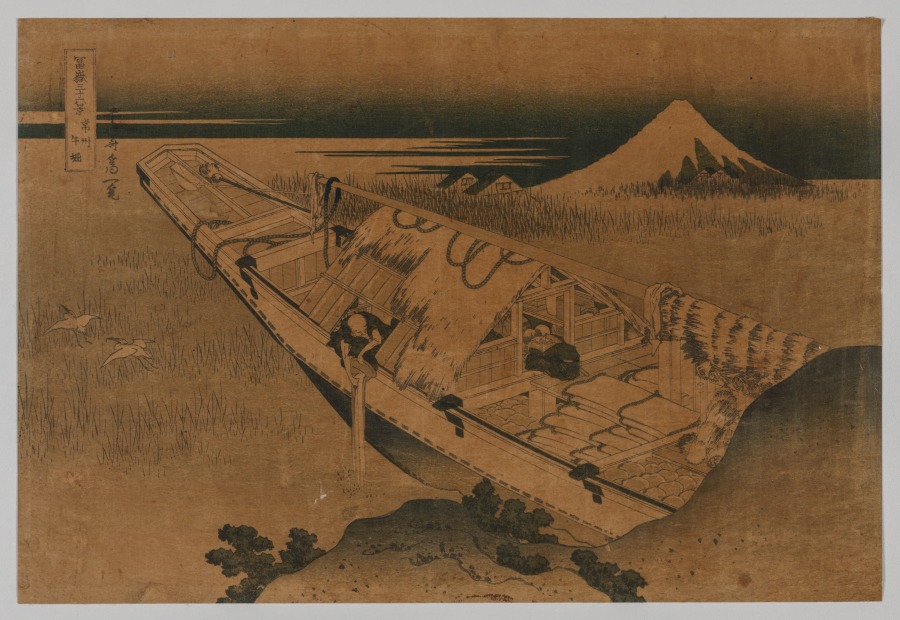
Fuji from Ushibori, Province of Hitachi
1760–1849
color woodblock print

Evening Glow at Seta Bridge (Seta no sekisho), from the series "Eight Views of Omi (Omi hakkei no uchi)"
c. 1834
Color woodblock print; oban
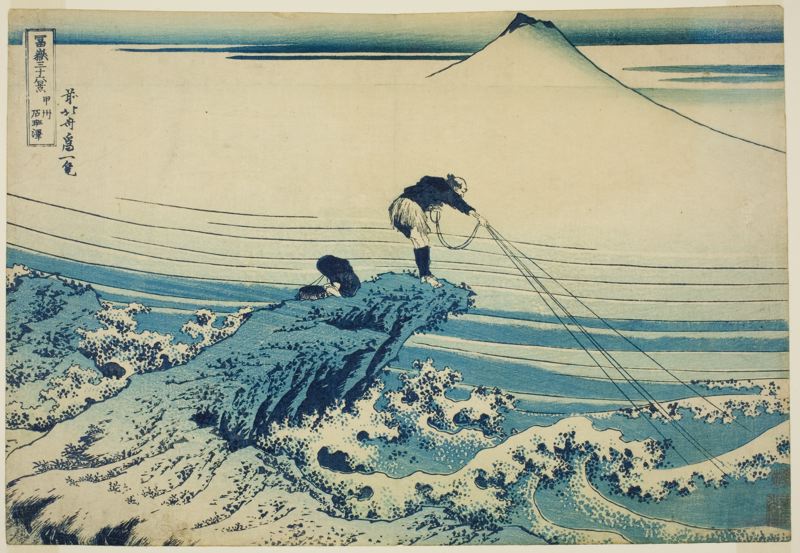
Kajikazawa in Kai Province (Koshu kajikazawa), from the series Thirty-six Views of Mt. Fuji (Fugaku sanjurokkei)
Woodblock print
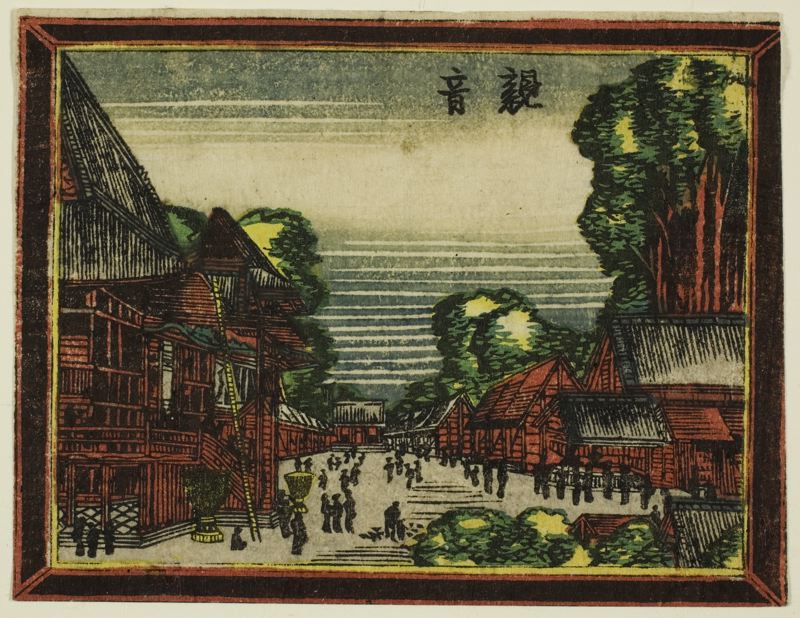
Kannon Temple (Kannon), from the series Dutch-style Pictures: Eight Views of Edo (Oranda gakyo Edo hakkei)
Woodblock print

Night Rain at Karasaki (Karasaki no yoru no ame), from the series Eight Views of Omi in Etching Style (Doban Omi hakkei)
1804/16
Color woodblock print; horizontal koban
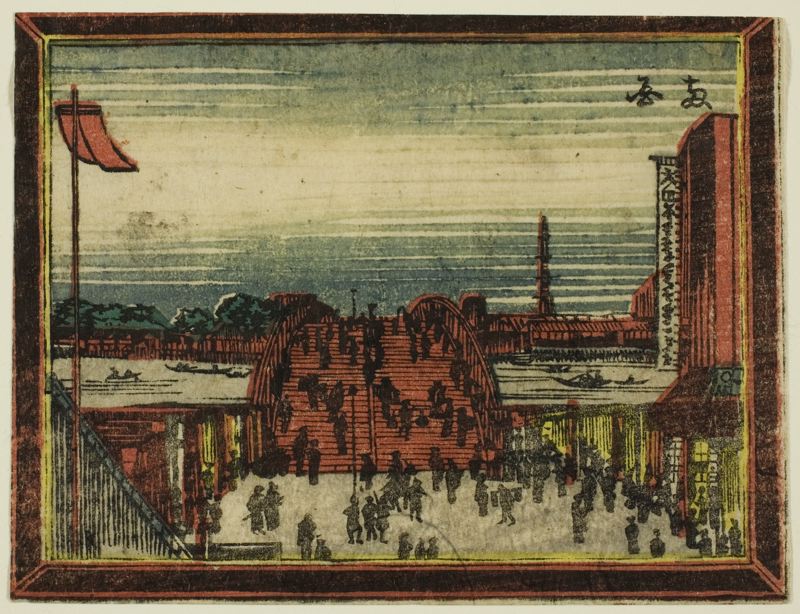
Ryogoku Bridge, from the series Dutch-style Pictures: Eight Views of Edo (Oranda gakyo Edo hakkei)
Woodblock print
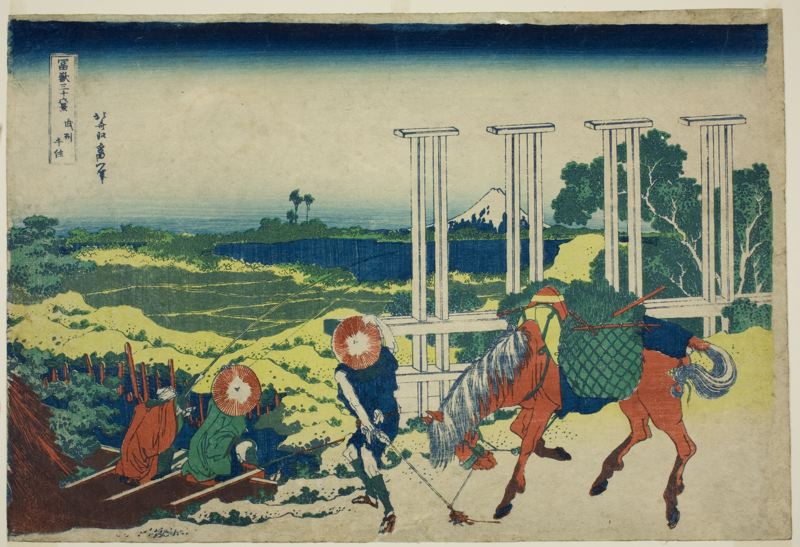
Senju Musashi Province (Bushu Senju), from the series Thirty-six Views of Mount Fuji (Fugaku sanjurokkei)
Woodblock print
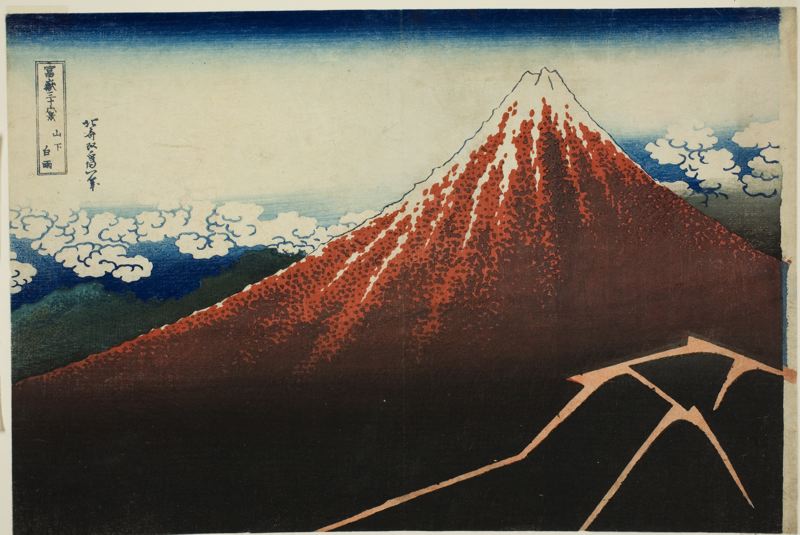
Shower Below the Summit (Sanka hakuu), from the series Thirty-six Views of Mount Fuji (Fugaku sanjurokkei)
Woodblock print
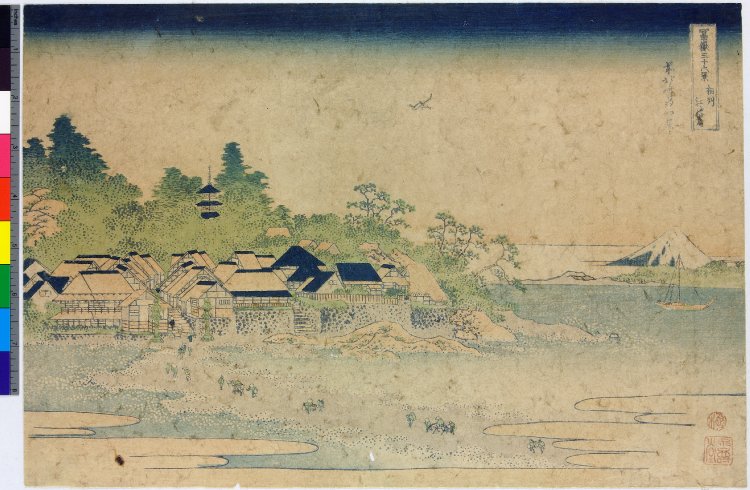
Soshu Enoshima / Fugaku Sanju Rokkei (36 Views of Mt. Fuji)
Woodblock print
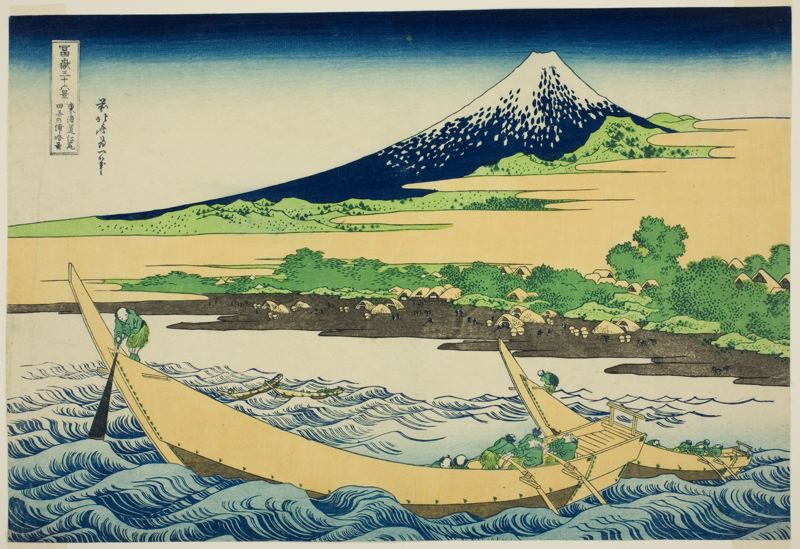
Taganoura Bay near Ejiri on the Tokaido (Tokaido Ejiri tagono ura ryakuzu), from the series Thirty-six Views of Mt. Fuji (Fugaku sanjuokkei)
Woodblock print
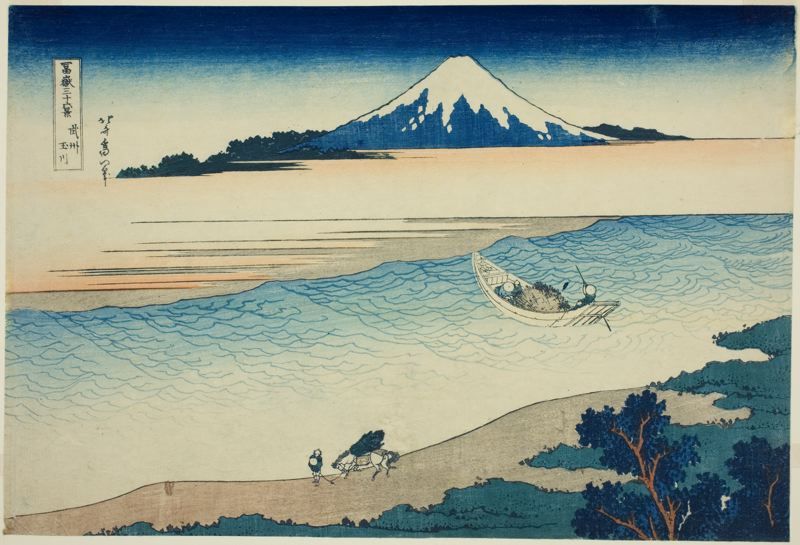
Tama River in Musashi Province (Bushu Tamagawa), from the series Thirty-six Views of Mount Fuji (Fugaku sanjurokkei)
Woodblock print
Yoro Waterfall in Mino Province (Mino no kuni Yoro no taki), from the series Tour of the Waterfalls in Various Provinces (Shokoku Takimeguri)
Woodblock print

Arai: View of Ferryboats (Arai, watashibune no zu), from the series "Fifty-three Stations of the Tokaido (Tokaido gojusan tsugi no uchi)," also known as the Hoeido Tokaido
c. 1833/34
Color woodblock print; oban

Clearing Weather at Awazu (Awazu seiran), from the series "Eight Views of Omi (Omi hakkei no uchi)"
c. 1834
Color woodblock print; oban

Descending Geese at Katada (Katada rakugan), from the series "Eight Views of Omi (Omi hakkei no uchi)"
c. 1834
Color woodblock print; oban

Four Views from the series Eight Views of Omi (Omi Hakkei)
About 1830
Color woodblock print

Fujikawa: View of Post Outskirts (Fujikawa, bohana no zu), from the series "Fifty-three Stations of the Tokaido (Tokaido gojusan tsugi no uchi)," also known as the Hoeido Tokaido
c. 1833/34
Color woodblock print; oban

Hakone: View of the Lake (Hakone, kosui no zu), from the series "Fifty-three Stations of the Tokaido Road (Tokaido gojusan tsugi no uchi)," also known as the Hoeido Tokaido
c. 1833/34
Color woodblock print; oban
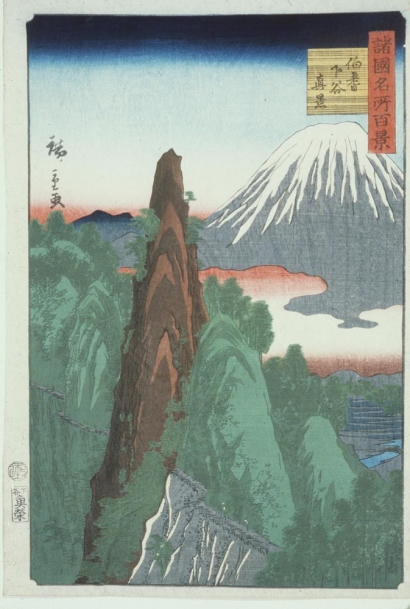
Landscape at Shimoyo in Hoki Province
Woodblock print

Mitsuke: View of the Tenryu River (Mitsuke, Tenryugawa zu), from the series "Fifty-three Stations of the Tokaido (Tokaido gojusan tsugi no uchi)," also known as the Hoeido Tokaido
c. 1833/34
Color woodblock print; oban

Night Rain at Karasaki (Karasaki no yau), from the series "Eight Views of Omi (Omi hakkei no uchi)"
c. 1834
Color woodblock print; oban

Returning Sails at Yabase (Yabase no kihan), from the series "Eight Views of Omi (Omi hakkei no uchi)"
c. 1834
Color woodblock print; oban
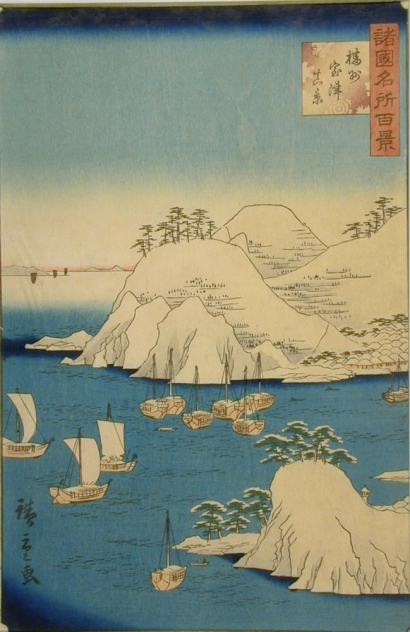
Snow View of Muronotsu, Harima
Woodblock print

The Moon Seen Through Leaves (Hagoshi no Tsuki), from the series "Twenty-eight Views of the Moon (Tsuki nijuhakkei no uchi)"
c. 1832
Color woodblock print; otanzaku
Four Stations: Okabe, Fujieda, Shimada and Kanaya, from the series Famous Views of the Fifty-three Stations of the Tōkaidō Road (Tōkaidō gojūsan eki yonshuku meisho)
Edo period, circa 1830-1835 (Tenpō 1-6)
Ukiyo-e woodblock print in "ōban" format; ink and color on paper, with printed signature reading "Ichiyūsai Kuniyoshi ga"

Dawn over Mout Fuji and Susaki, from the series "Five Views of Mount Fuji (Fuji goban no uchi)"
c. 1827/29
Color woodblock print; shikishiban surimono

Distant View from beneath Shin Ohashi Bridge (Shin Ohashi kyoka no chobo), from the series "Thirty-six Views of Mount Fuji Seen from the Eastern Capital (Toto Fujimi sanjurokkei)"
c. 1843
Color woodblock print; oban
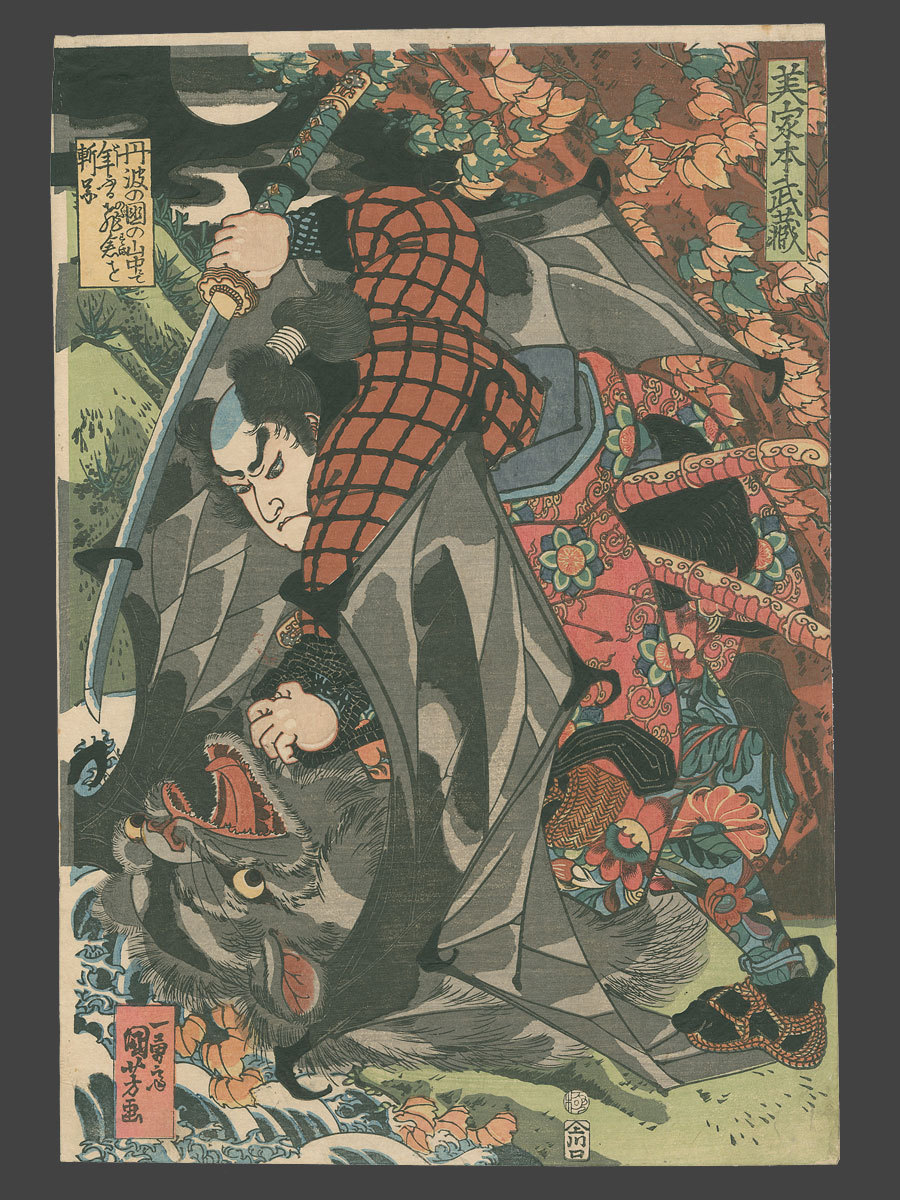
Miyamoto Musashi Killing a Monster Bat in the Mountains of Tambo Province
Woodblock print
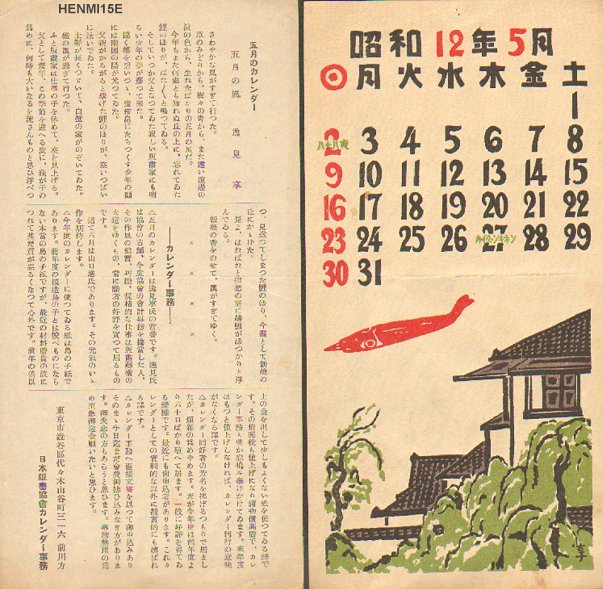
May
Woodblock print
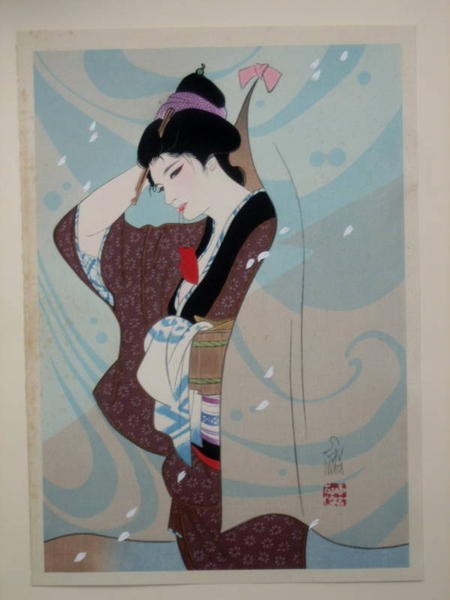
Early Afternoon — 昼さがり
Woodblock print
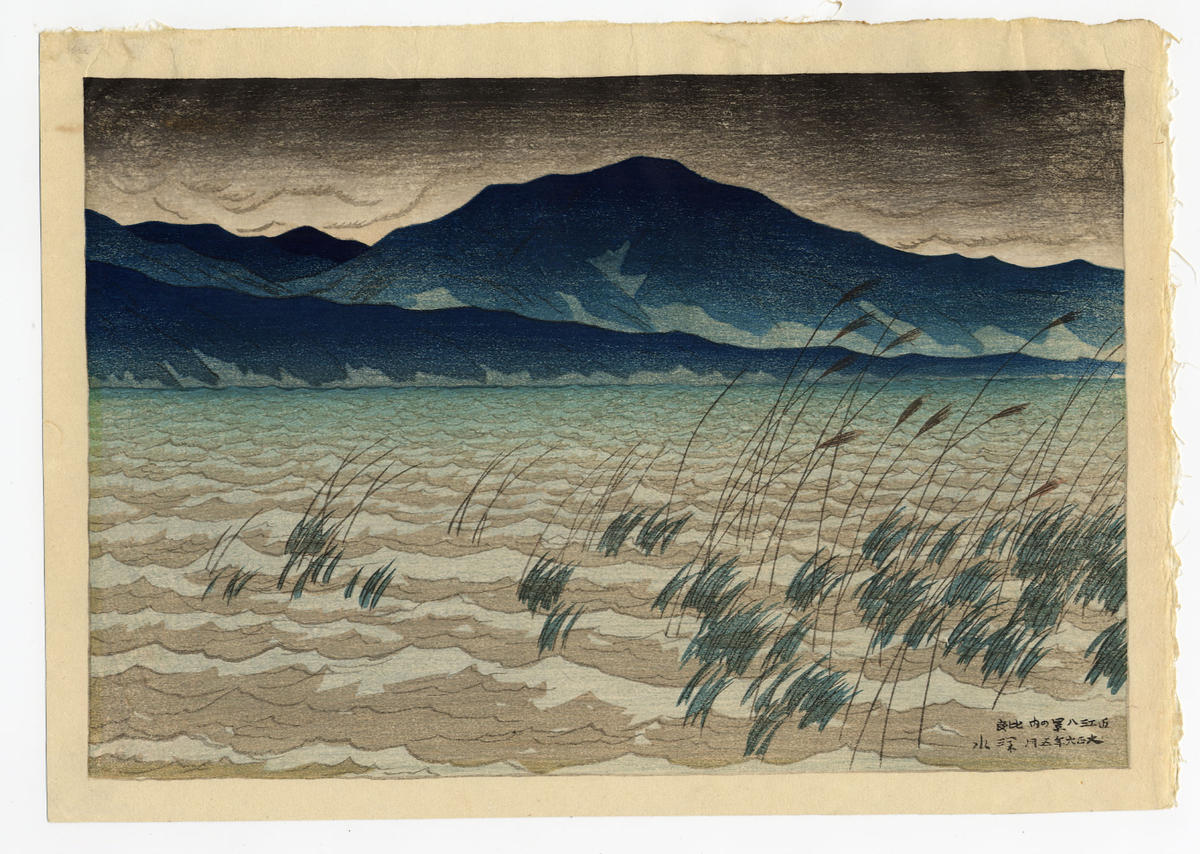
Hira
Woodblock print
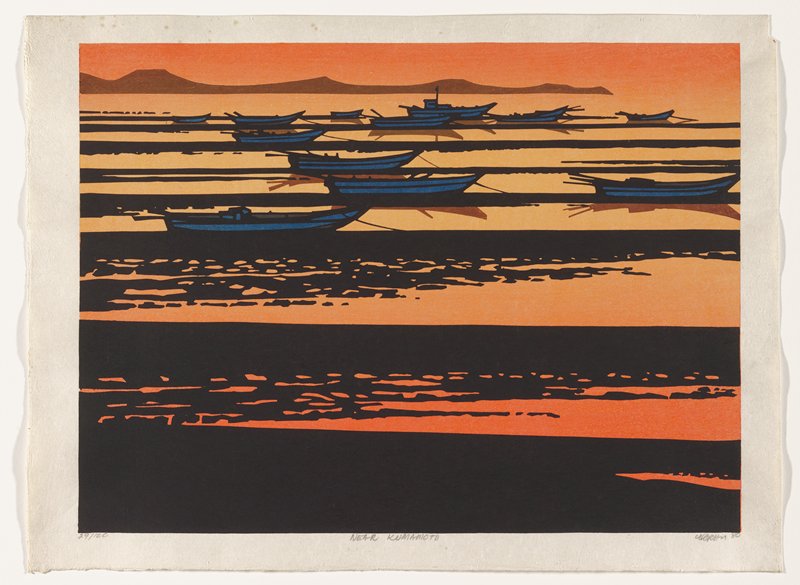
Near Kumamoto
1980
Woodblock print, ink and color on paper
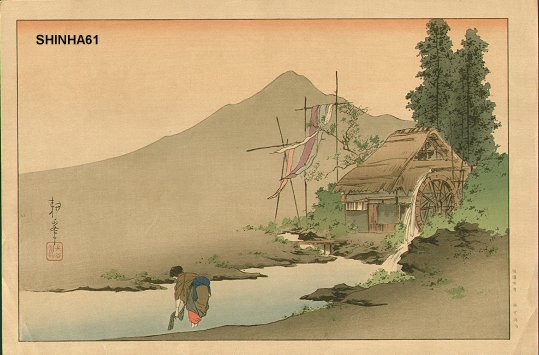
Water wheel
Woodblock print
Kiyomigata, from the series Famous Sights of Japan (Nihon meishō zue)
1896 (Meiji 29)
Woodblock print (nishiki-e); ink and color on paper
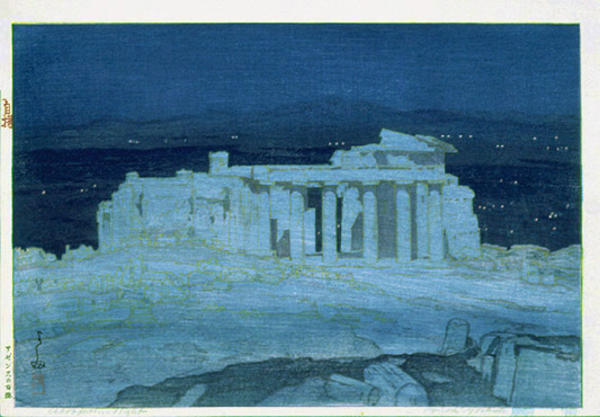
Unknown title
1925
Woodblock print

Eboshidake
1926
Color woodblock print
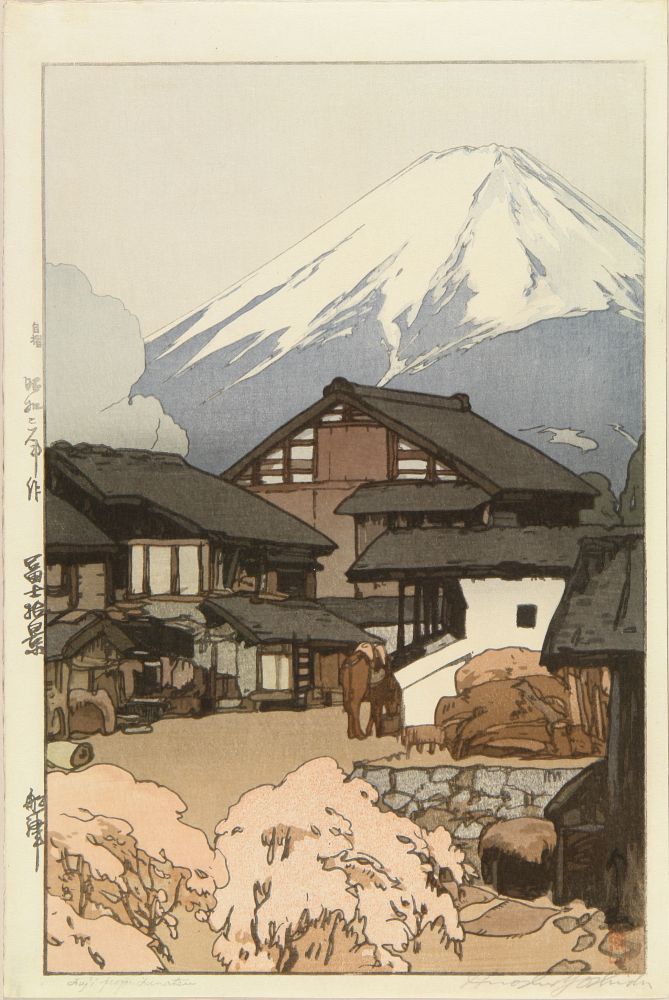
Funatsu, from
1928
Woodblock print

The Outskirts of Agra No. 3
1932
Woodblock print, ink and color on paper

Honolulu
1933
Woodblock print

Ikenohana
1937
Color woodblock print

Tale of the Forty-Seven Ronin: Act XI, Fifth Episode

Diary: March 12th '11
2011
Woodcut, silkscreen

Mito, Izu (Izu no Mito)
1930
Color woodblock print
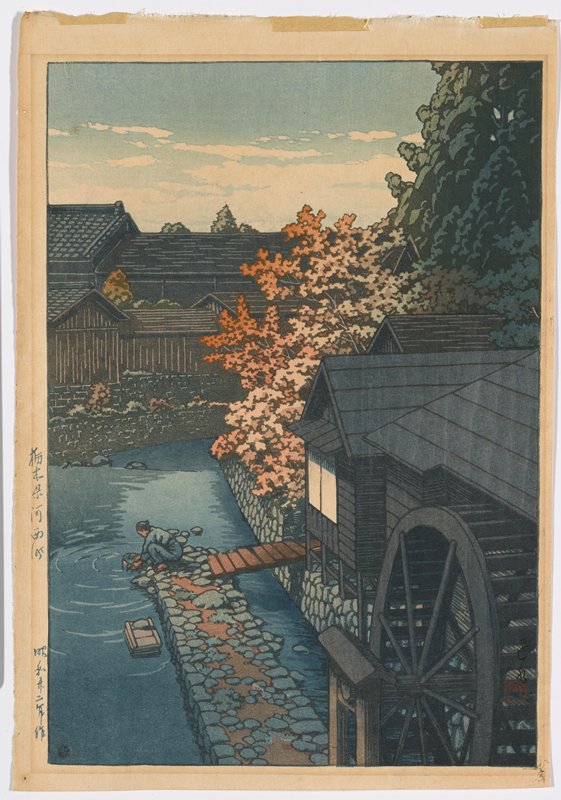
Kawanishi in Tochigi Prefecture
1947
Woodblock print, ink and color on paper

Two Lovers

Yoro-Hokwai
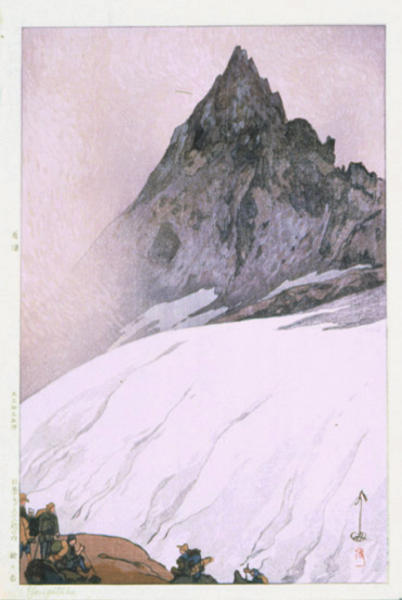
Yarigatake
1926
Woodblock print
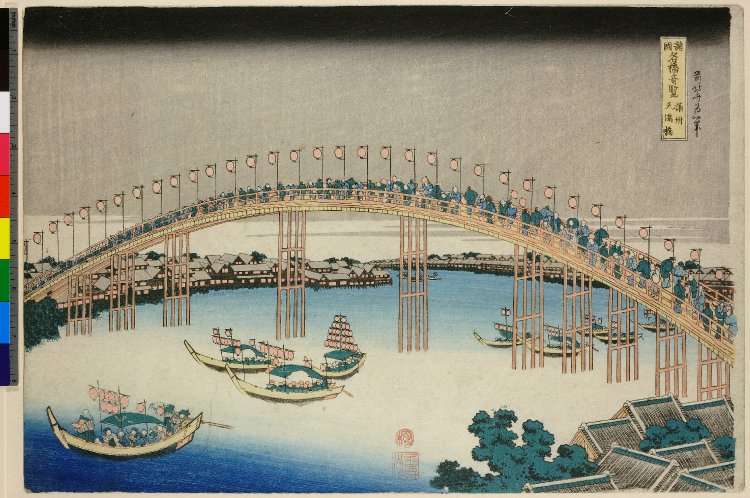
Settsu Temma-bashi / Shokoku Meikyo Kiran
Woodblock print
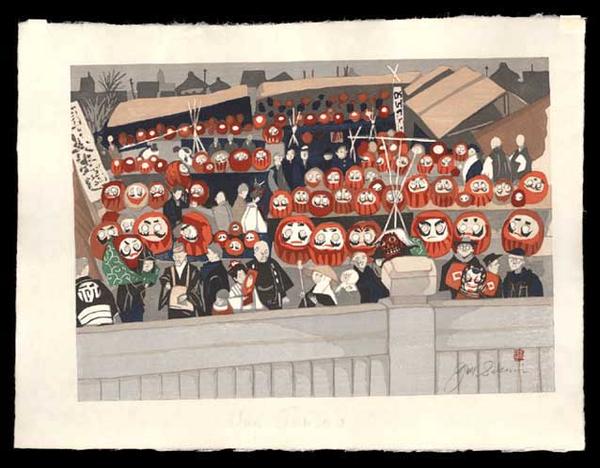
Odawara
Woodblock print
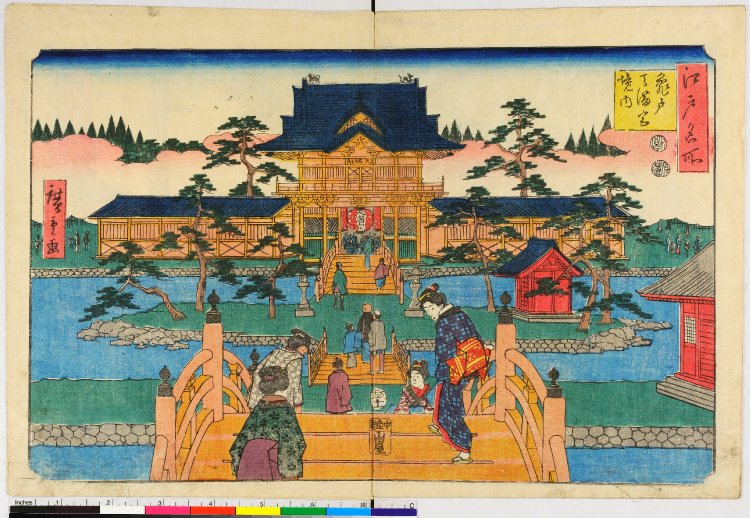
Edo Meisho
Woodblock print

Tenryu River View
Related Subjects
Frequently Asked Questions
Landscapes are the most celebrated subject in Japanese woodblock printmaking, encompassing mountain vistas, coastal panoramas, river valleys, and rural scenes that have defined the genre for centuries. The tradition reached its first peak with Hokusai's "Thirty-six Views of Mount Fuji" (1831) and Hiroshige's "Fifty-three Stations of the Tokaido" (1833-34), series that established the meisho-e (famous places) format as a cornerstone of ukiyo-e.
Utagawa Hiroshige, Kawase Hasui, and Hiroshi Yoshida are among the artists most associated with landscapes in our collection. Browse the full list of artists who explored this subject above.
Hanga currently catalogues 3812 prints tagged with landscapes, spanning ukiyo-e, shin-hanga, and sōsaku-hanga traditions where applicable.