Travel Scenes Prints (502)
Travel scenes document journeys along Japan's historic roads, sea routes, and pilgrimage paths, forming one of the woodblock print tradition's most commercially successful and artistically significant genres. The meisho-e (famous places) format, which presented sequential views of notable sites along a route, generated some of ukiyo-e's greatest masterworks and established templates that artists followed for generations. Hiroshige's "Fifty-three Stations of the Tokaido" (1833-34), depicting the post stations along the great road connecting Edo and Kyoto, became the bestselling print series of the Edo period and defined the travel-scene genre. Its success spawned dozens of road series by Hiroshige himself and his contemporaries, documenting the Kisokaido, Nikko road, and other major routes. These prints served dual purposes — as art objects and as practical references for travelers, capturing the character of inns, teahouses, and scenic viewpoints along each route. The travel-scene tradition continued into the modern era as artists documented Japan's expanding railway network and new tourist destinations. Shin-hanga publishers like Watanabe Shozaburo commissioned series of famous views specifically targeting the tourist market, both domestic and international, creating prints that continue to define visual expectations of Japan's most celebrated landscapes.
Artists Known for Travel Scenes


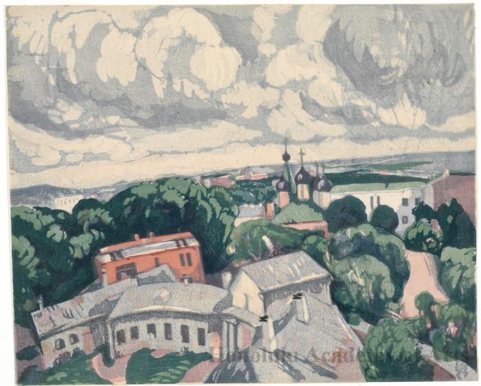
Moscow
1917
Woodblock print
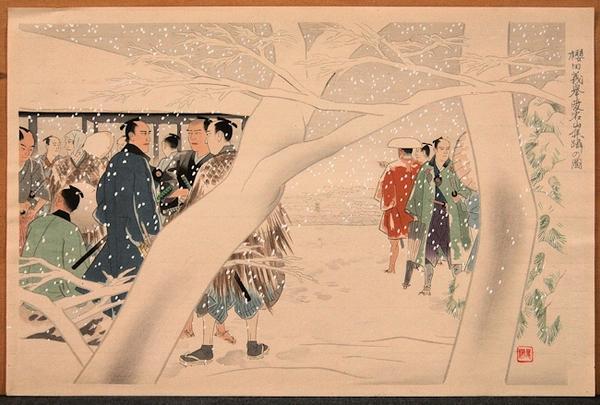
Gathering at Atakoyama — 愛宕山集躡の図
Woodblock print
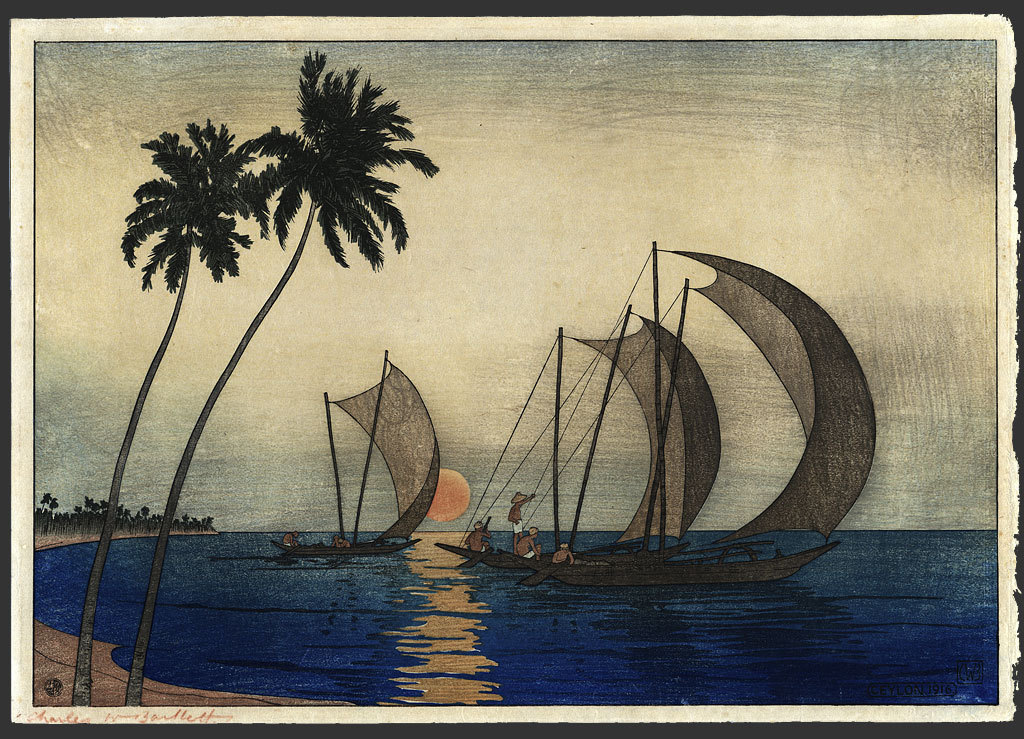
Ceylon
1916
Woodblock print

Unknown (Michi no)
未知の
1968
Color woodblock print
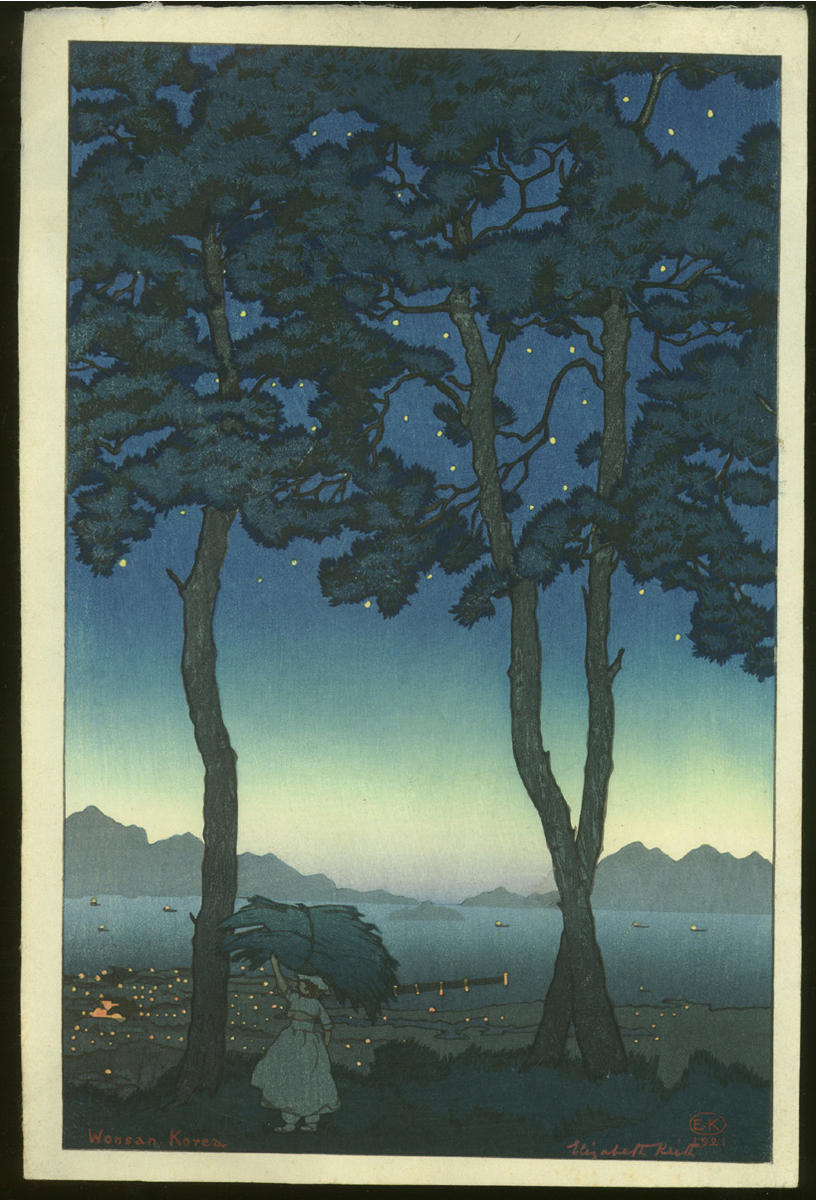
Wonsan, Korea
Woodblock print
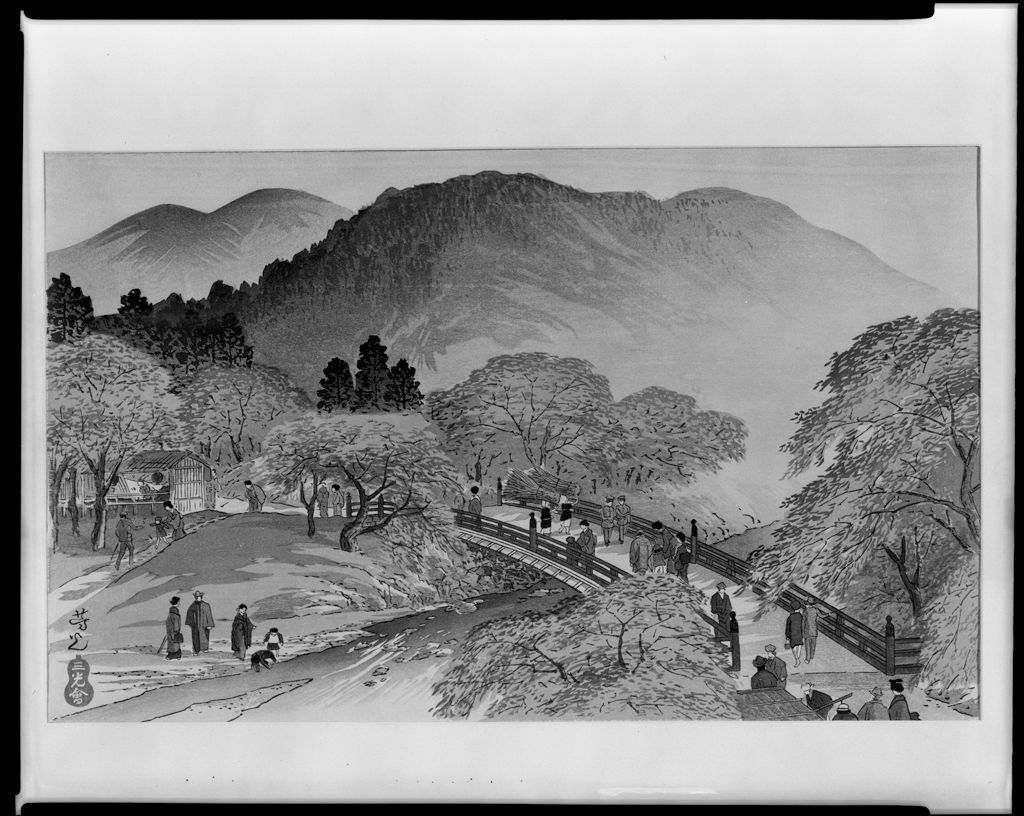
Nomura Yoshimitsu ?
Woodblock print
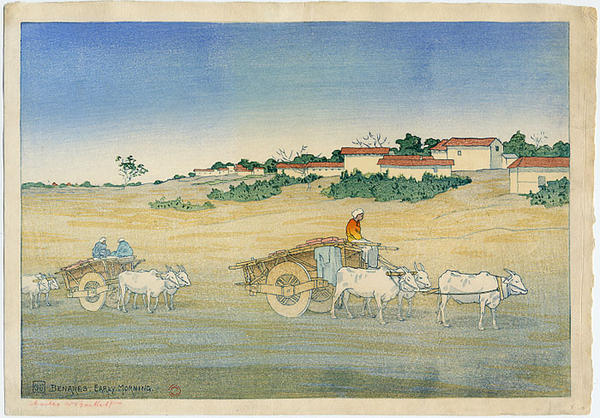
Benaras, Early Morning
1919
Woodblock print
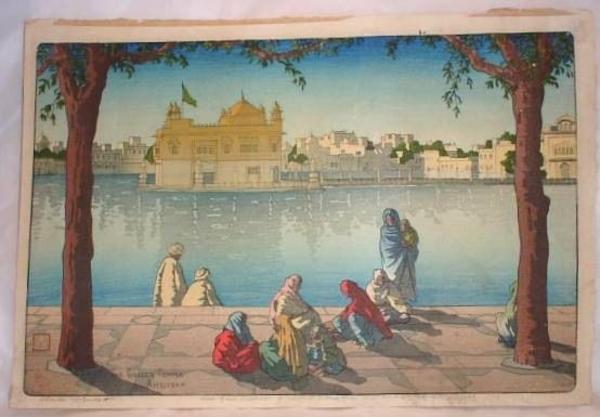
Charles W BARTLETT
Not set
Woodblock print
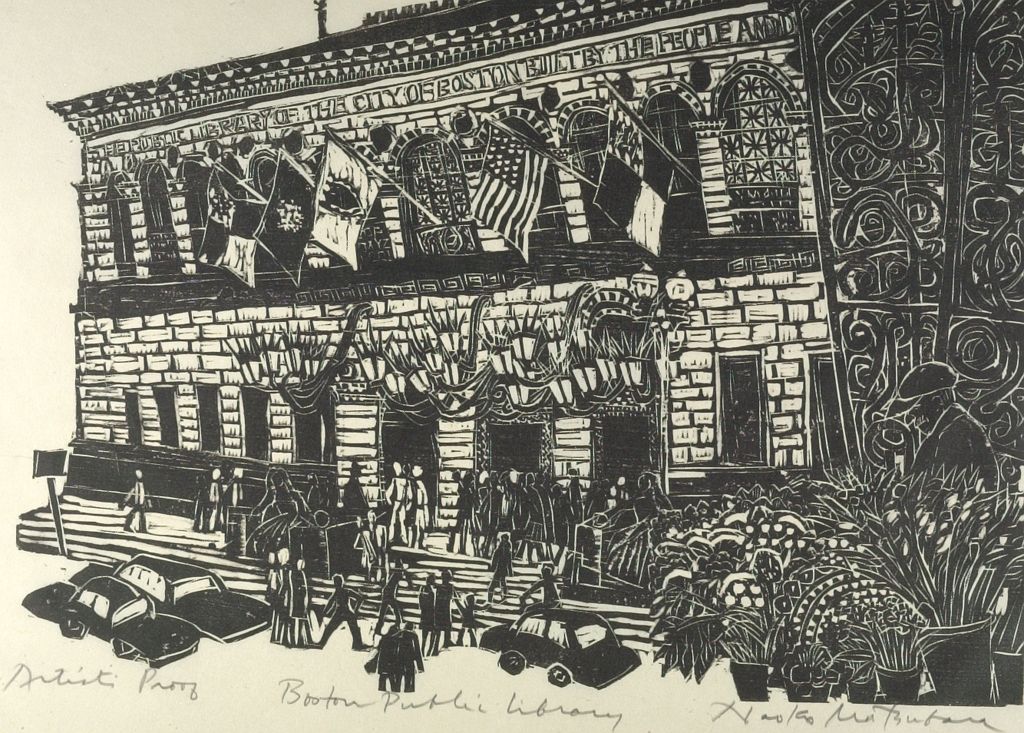
Boston Public Library, Shôwa period, dated 1969
Woodblock print
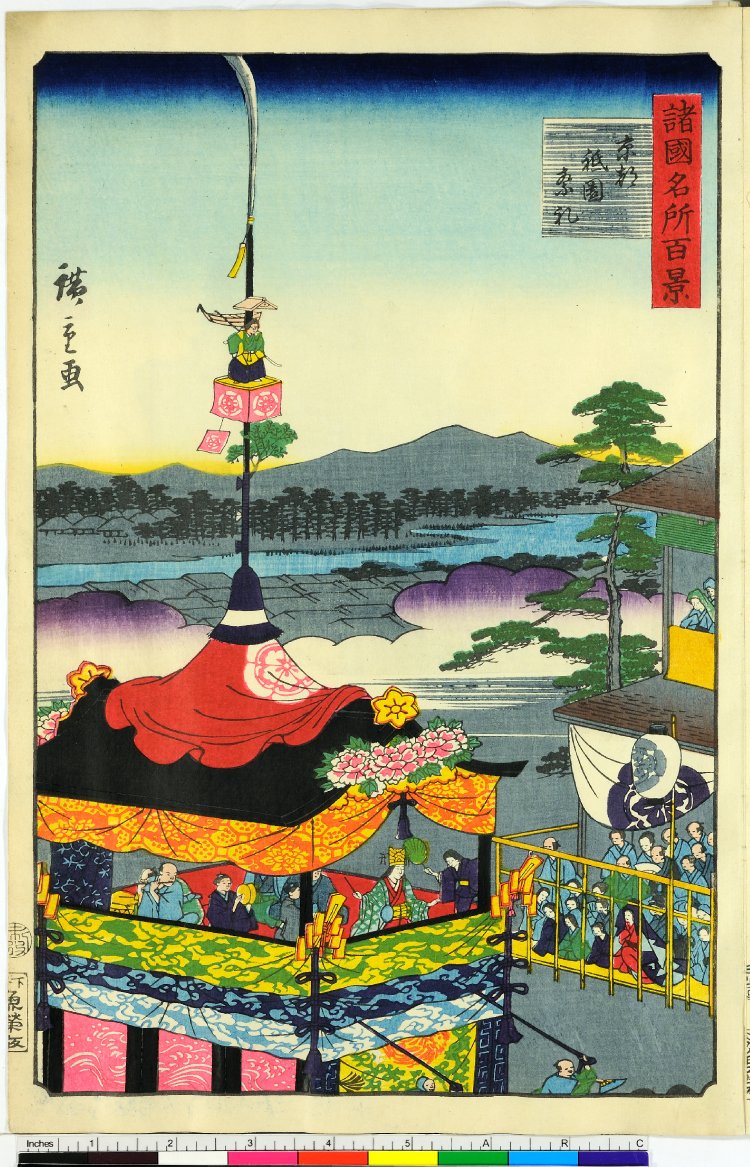
Kyoto Giion sairei 京都祇園祭礼 / Shokoku Meisho Hyakkei 諸国名所百景
Woodblock print
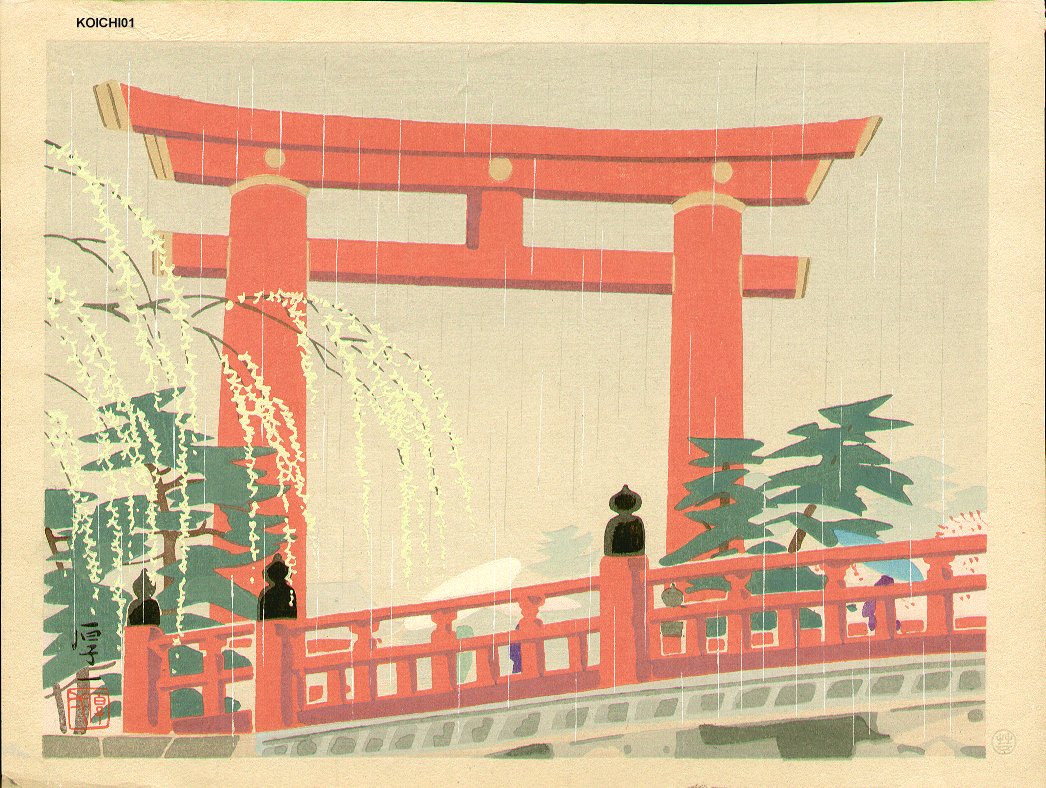
Asian Collection Internet Auction
Woodblock print
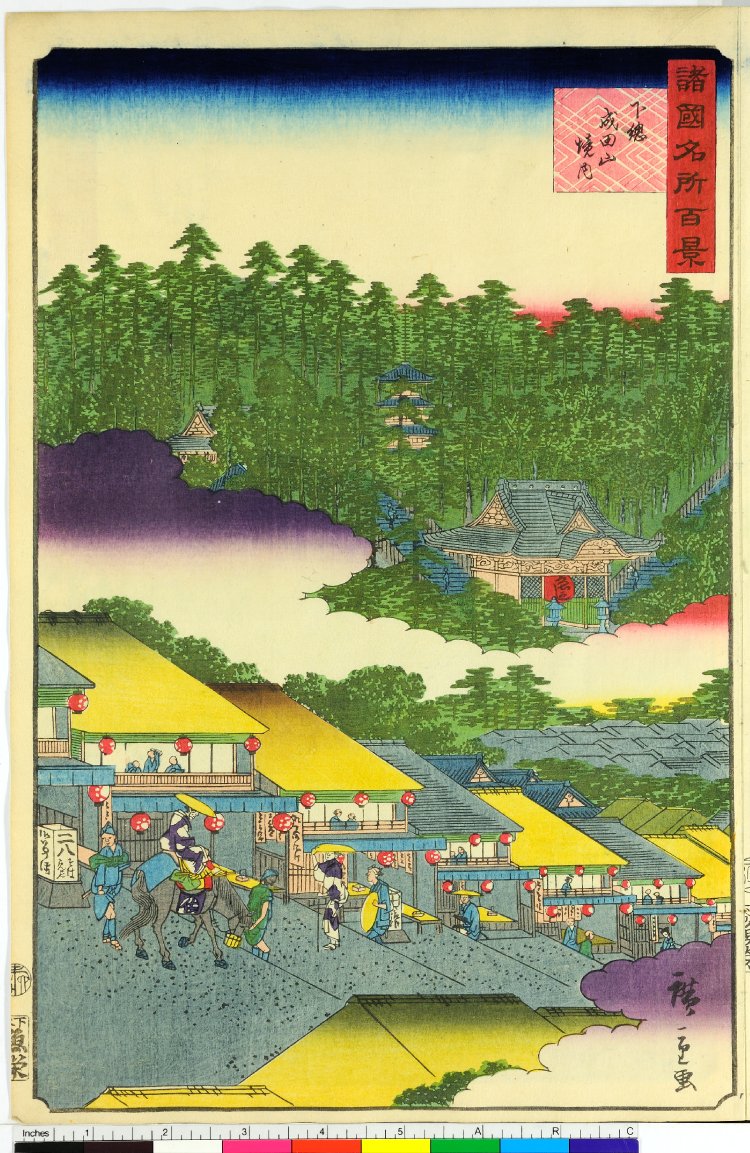
Shimosa Naritasan keidai 下総成田山境内 / Shokoku meisho hyakkei 諸国名所百景
Woodblock print
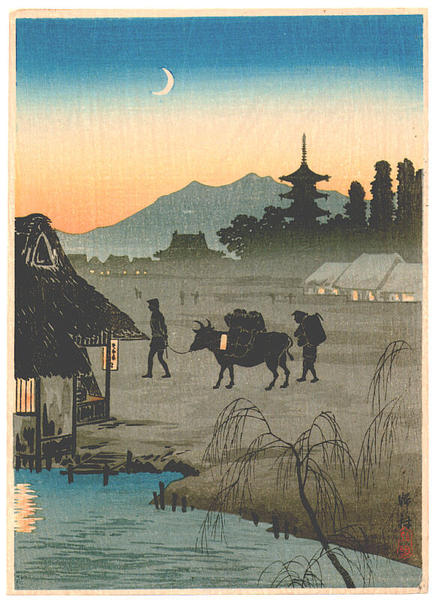
Coming Home - Kison
Woodblock print
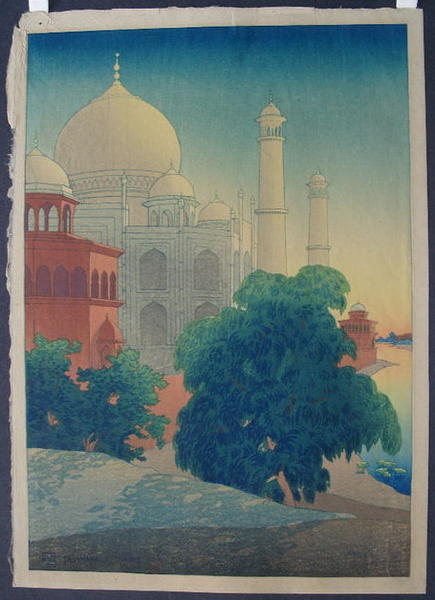
Taj Mahal Sunset
1919
Woodblock print
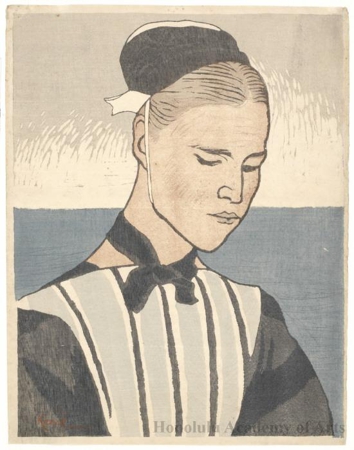
Woman of Brittany
1920
Woodblock print
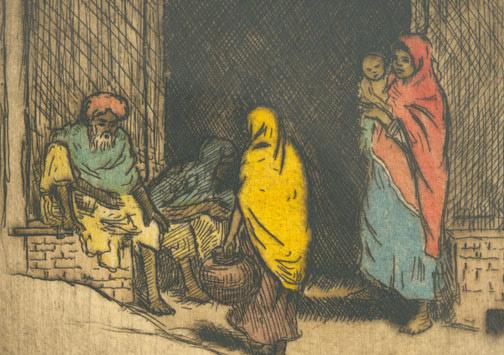
TotalCount
ca. 1923.
Woodblock print
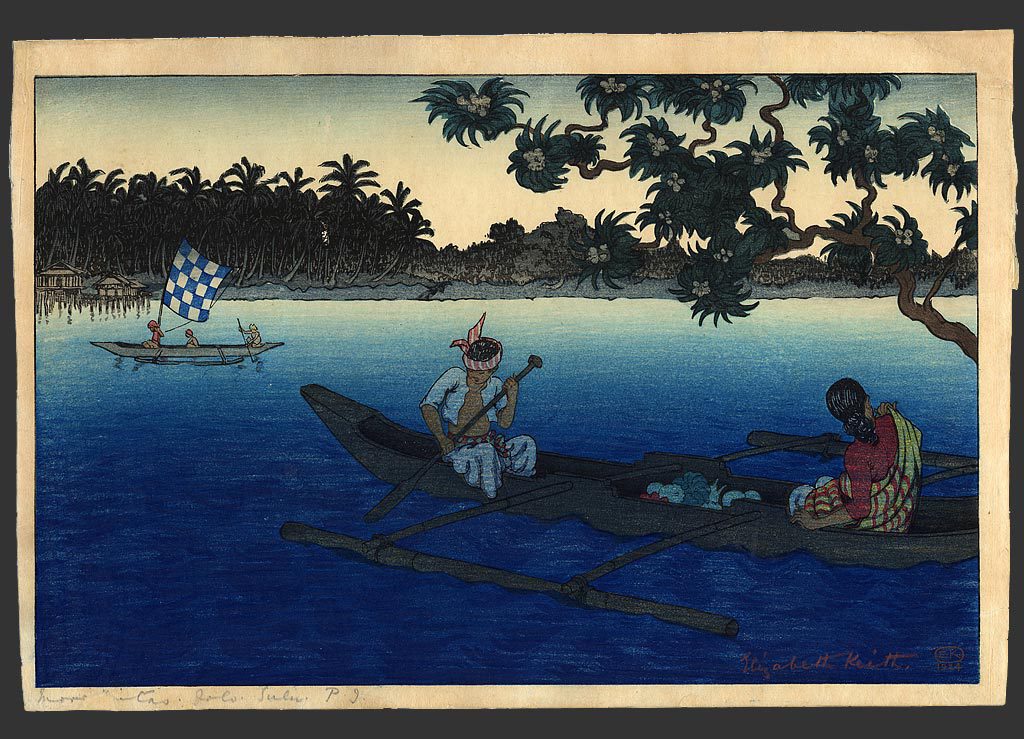
Moro vintas, Jolo Sulu
Woodblock print

Okabe
c. 1936
Color woodblock print; mitsugiriban
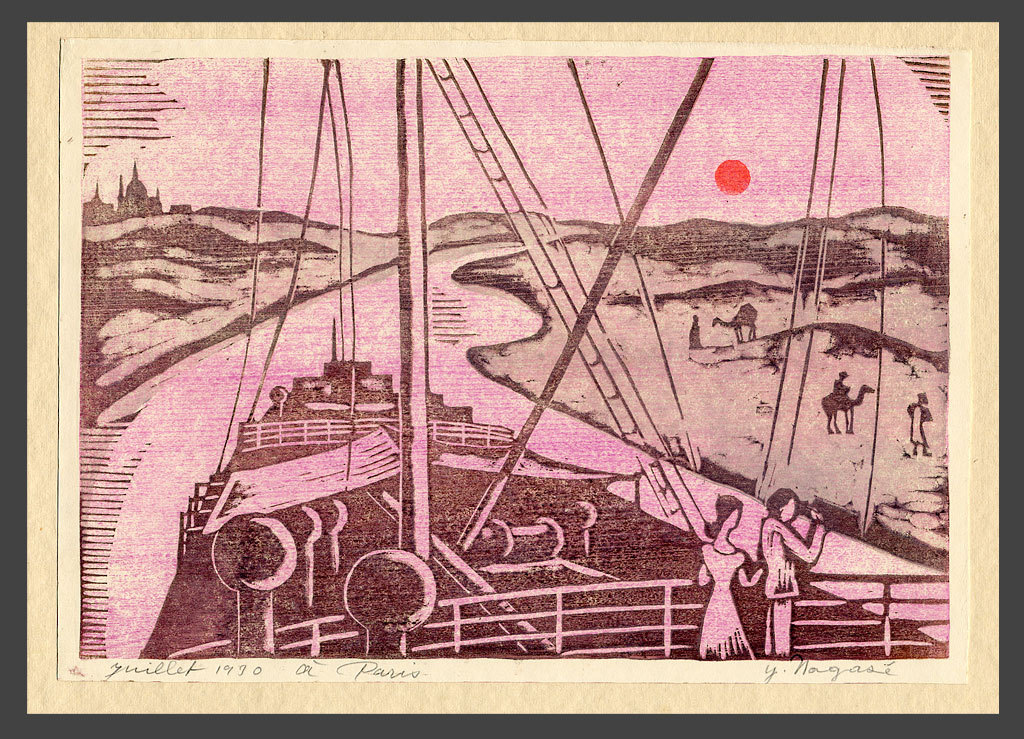
Sunset at Suez
Woodblock print

Akutagawa
c. 1801/06
Color woodblock print; kokonotsugiri-ban, surimono
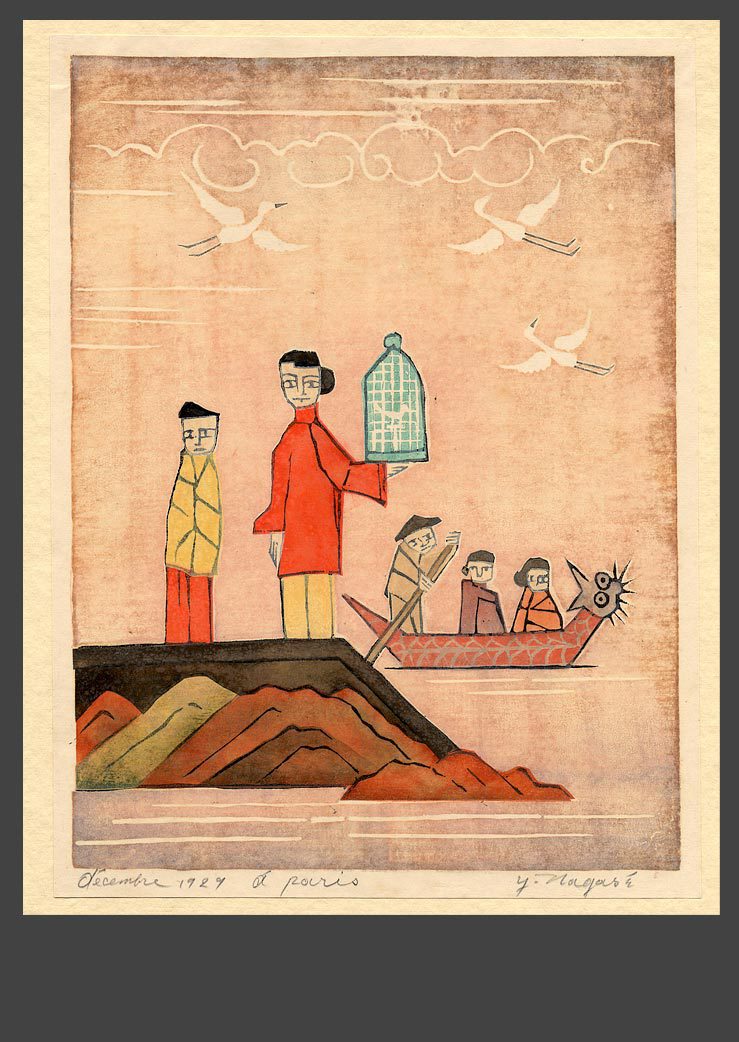
Remark of Shanghai
Woodblock print

Untitled (shintaro-okazaki)
Woodblock print
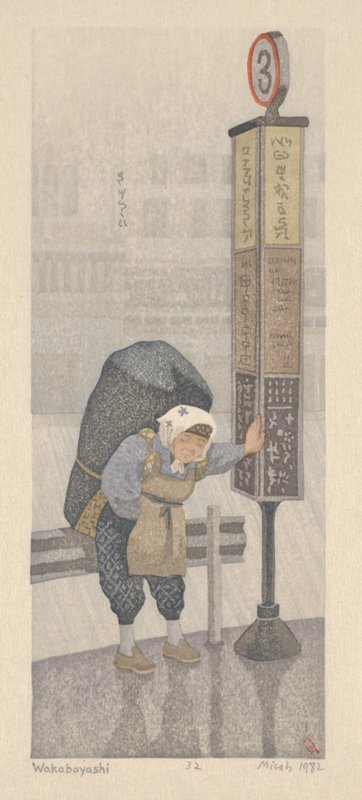
Wakabayashi
1982
Color woodblock print
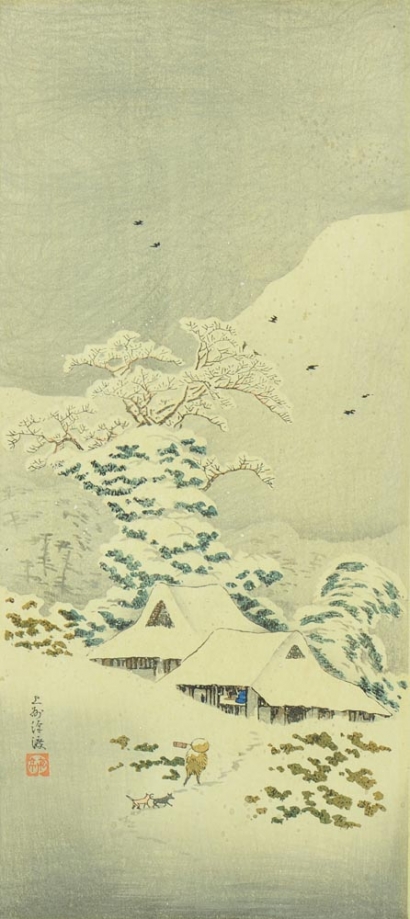
Sawatari in Joshu (Joshu Sawatari)
Woodblock print

The Canadian Scene: Seven Colour Prints and a Dissertation
1928
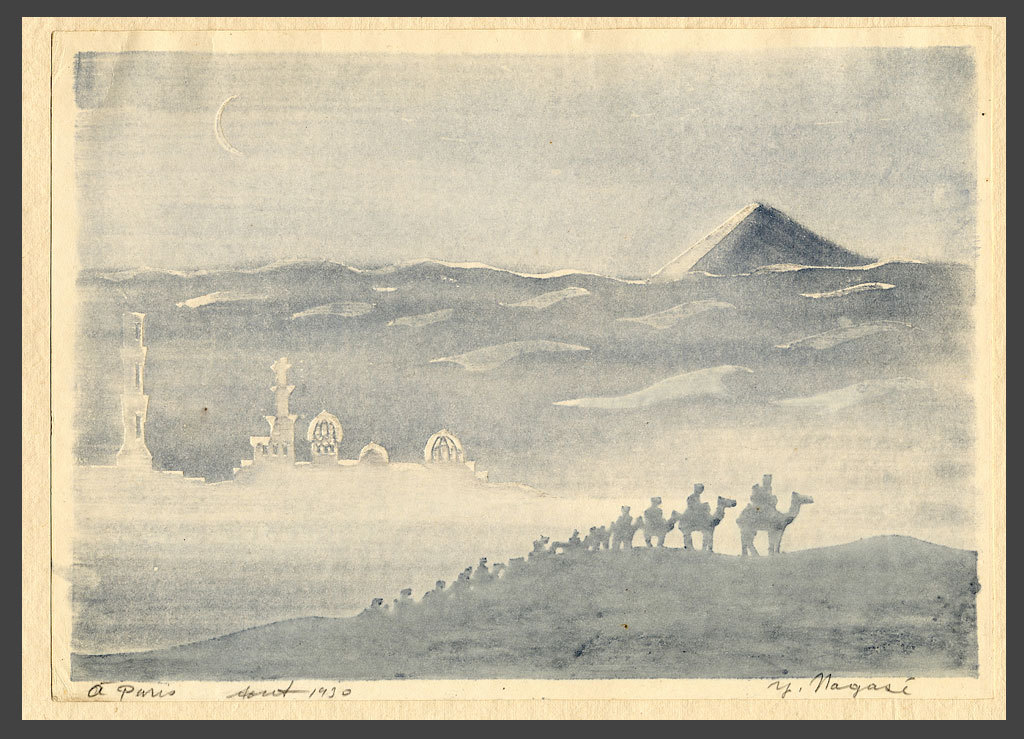
Pyramids of Egypt
Woodblock print

Sanhu Island
1941
Woodblock print, ink and color on paper
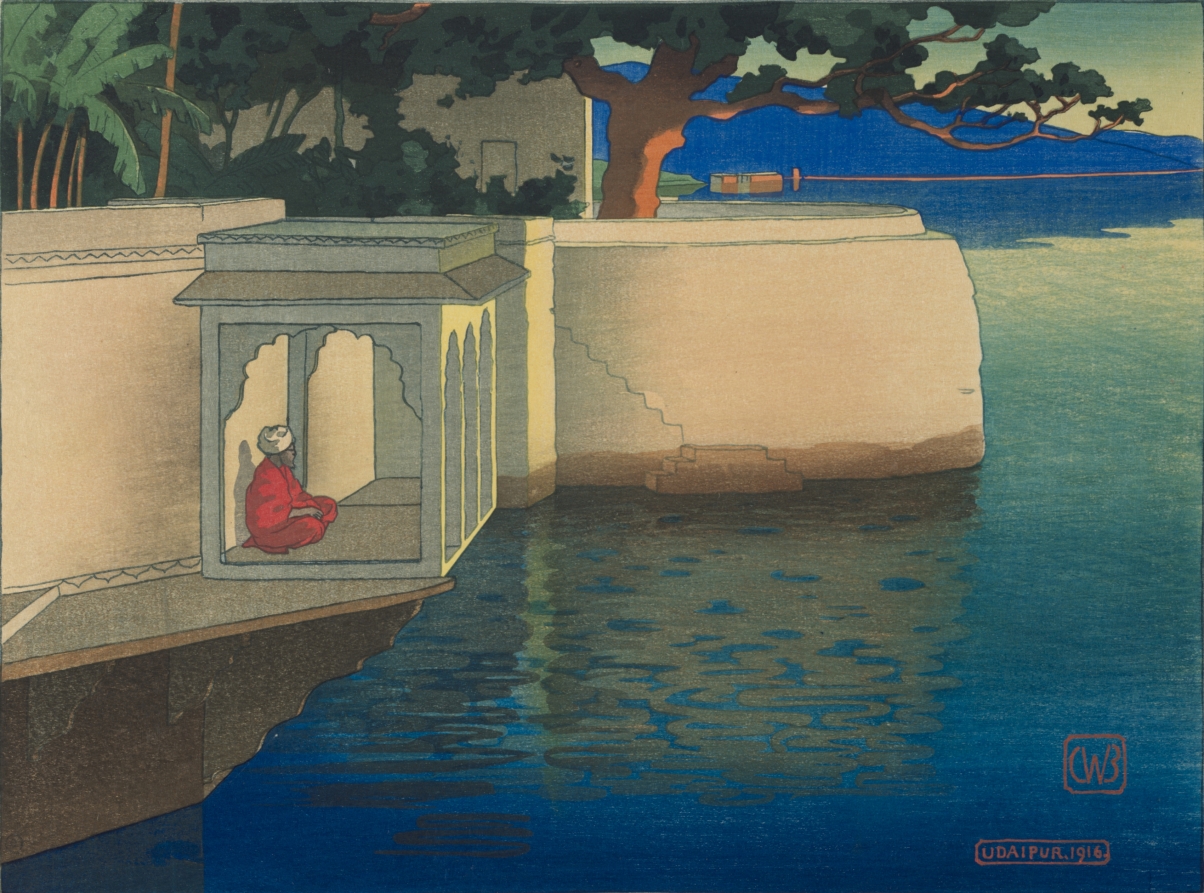
Udaipur
1916
color woodcut
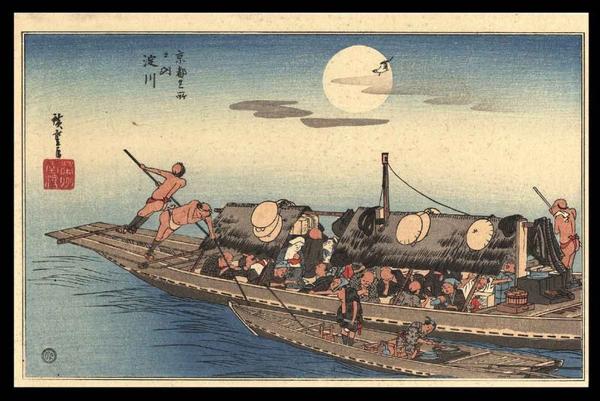
Utagawa-hiroshige
1834
Woodblock print
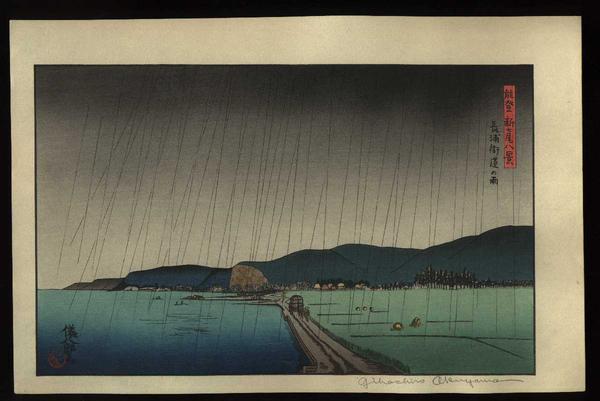
Nagaura Kaido no Ame
Woodblock print
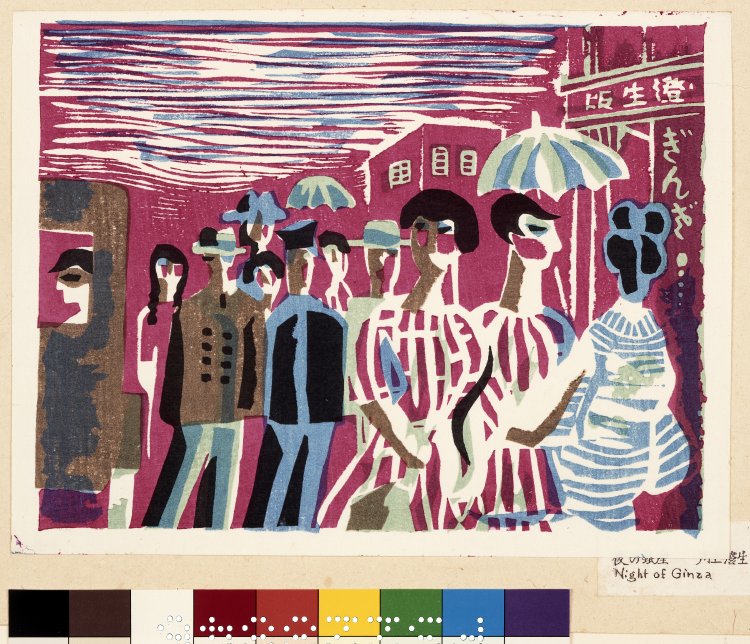
Scenes of Last Tokyo
Woodblock print
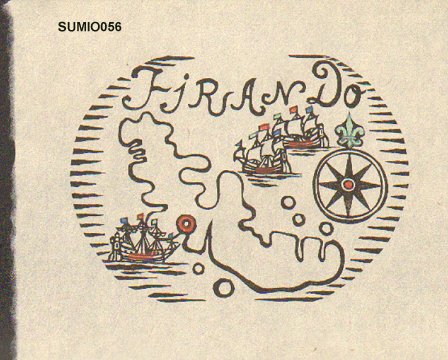
Hirado Island (FIRANDO)
Woodblock print
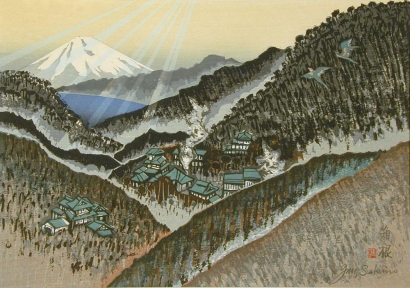
Hakone
Woodblock print
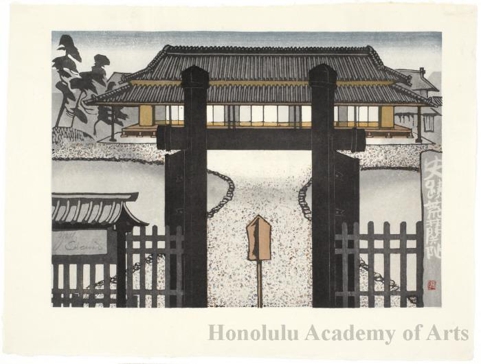
Arai: Remains of the Barrier Compound
Woodblock print
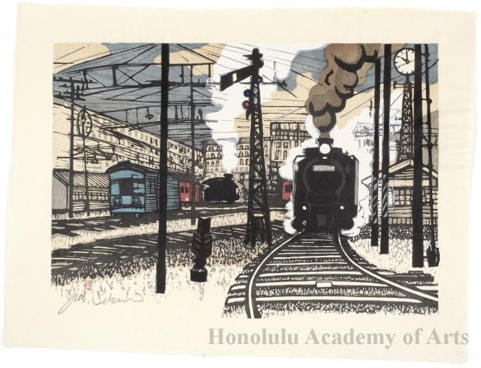
Hodogawa: 1942 Steam Engine No. D 51
Woodblock print
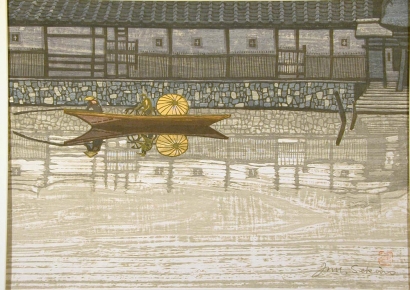
Mitsuke
Woodblock print
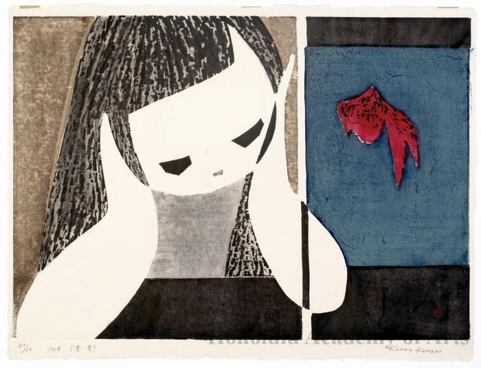
Honolulu
Woodblock print

Yokohama
1962
Woodblock print, ink and color on paper
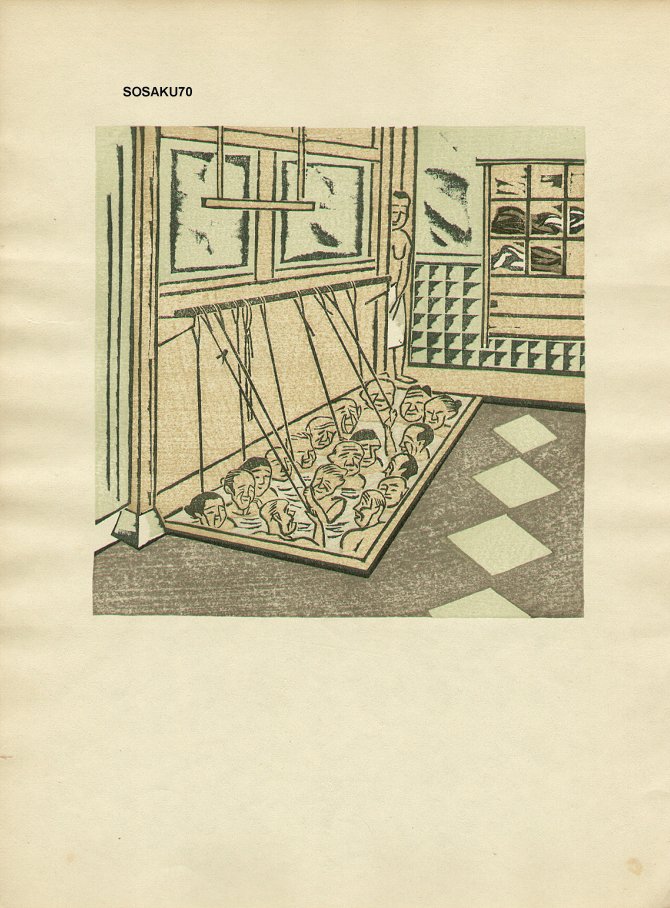
Itamuro
Woodblock print

Shinagawa
Woodblock print
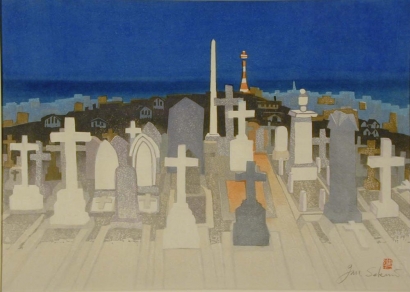
Kanagawa
Woodblock print
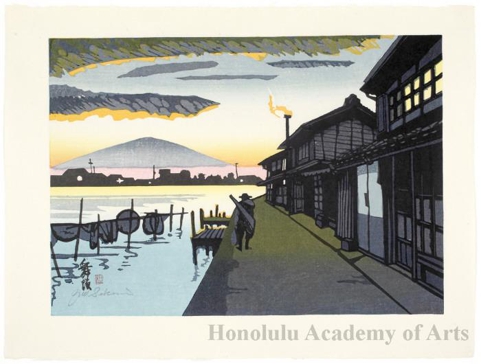
Maisaka: Morning Glow
Woodblock print
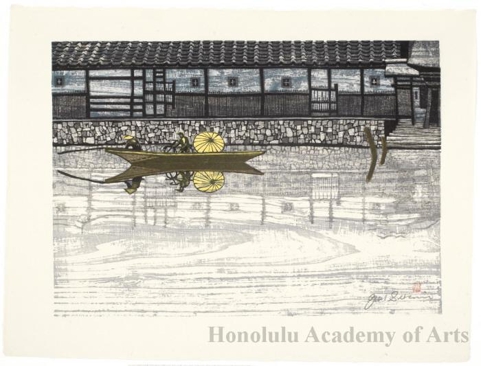
Mitsuke: Stone Embankment Along theRiver
Woodblock print
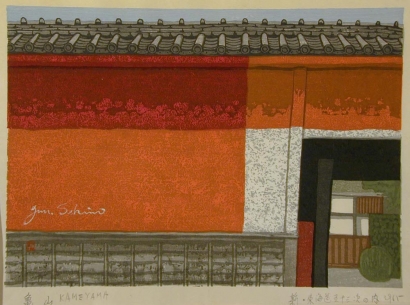
Kameyama
Woodblock print

Kasumigaseki
c. 1830–35
Woodblock print (nishiki-e), ink and color on paper
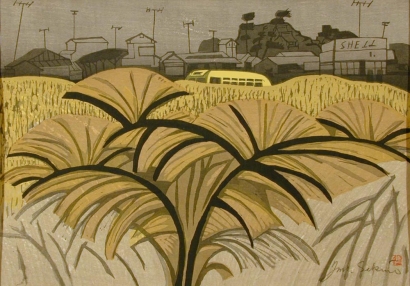
Fujisawa
Woodblock print
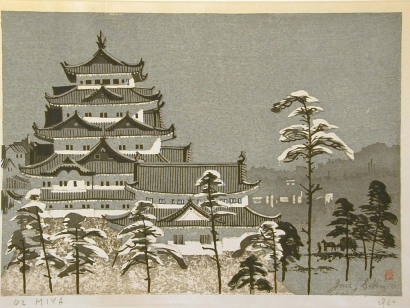
Miya
Woodblock print
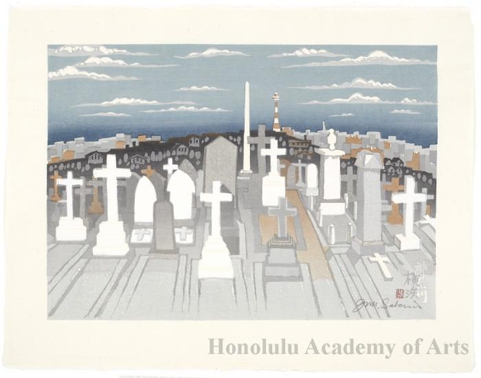
Kanagawa: Foreigner’s Cemetery
Woodblock print
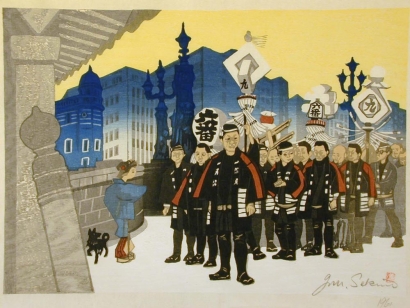
Nihon-Bashi
Woodblock print
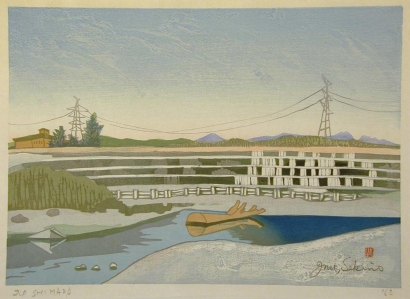
Shimada
Woodblock print
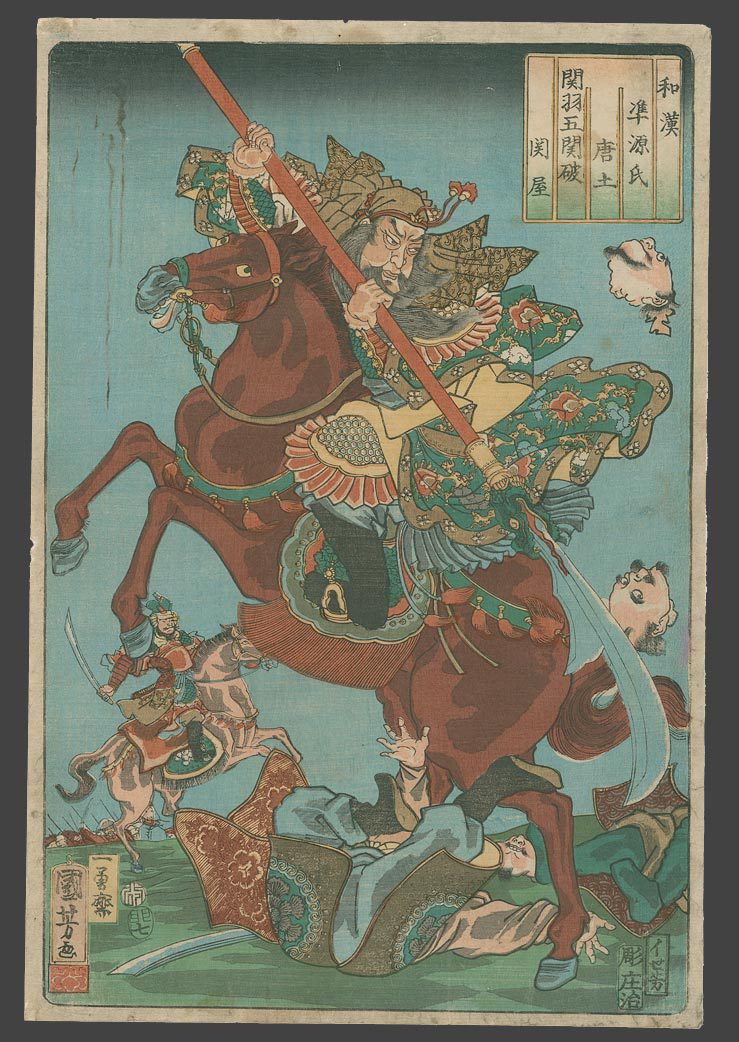
#16 Sekiya
Woodblock print
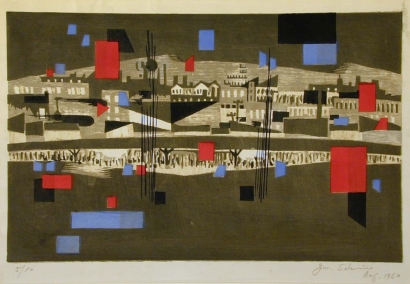
Shinguka, Tokyo
Woodblock print

Okabe
Woodblock print
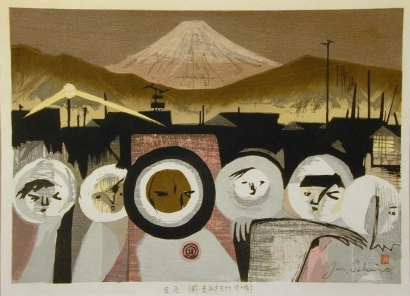
Yoshiwara
Woodblock print

Numazu
Woodblock print
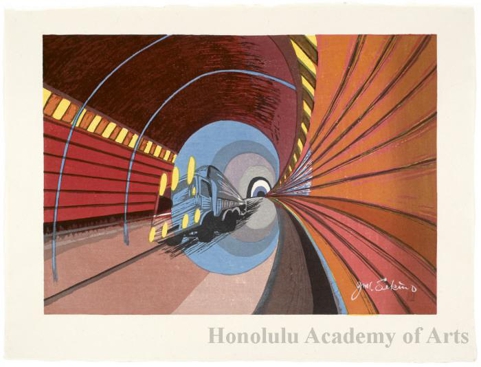
Okabe: High Speed Tunnel
Woodblock print
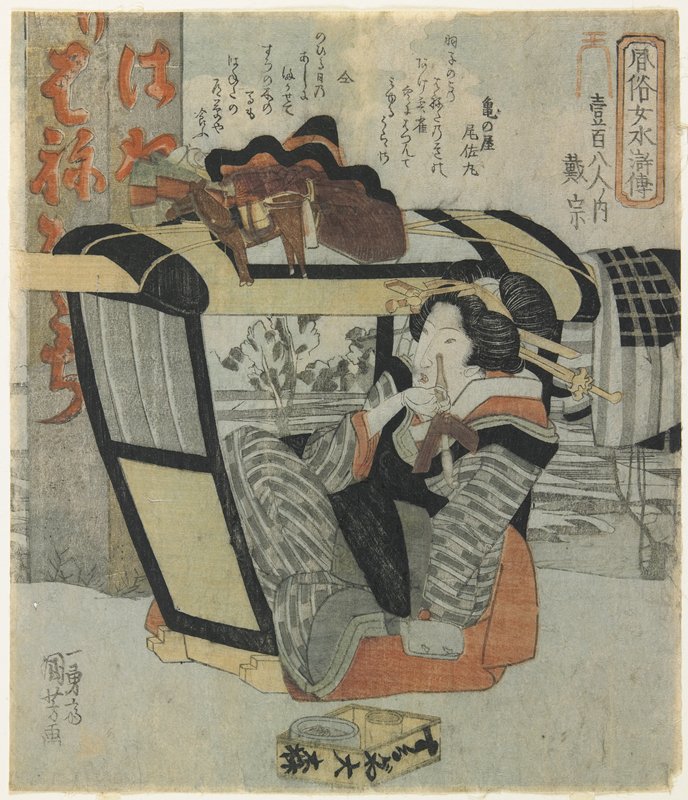
Woman as the Hero Taisō in Palanquin Holding a Pipe
c. 1830
Woodblock print (surimono), ink and color on paper
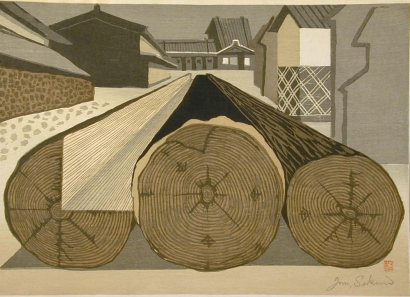
Fukuroi
Woodblock print
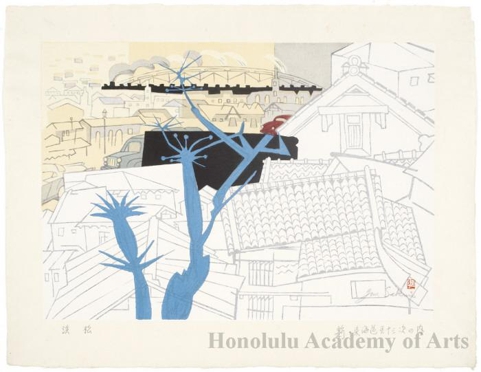
Hamamatsu: Factories in the MorningÅ
Woodblock print
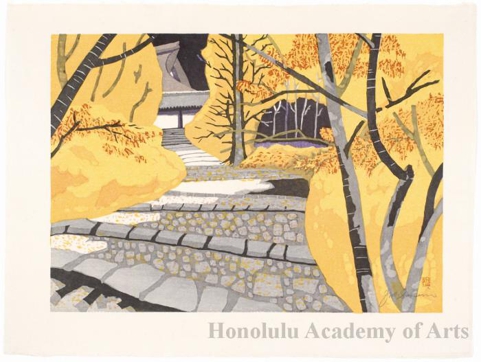
Ishiyakushi: Fall Colors
Woodblock print
Related Subjects
Frequently Asked Questions
Travel scenes document journeys along Japan's historic roads, sea routes, and pilgrimage paths, forming one of the woodblock print tradition's most commercially successful and artistically significant genres. The meisho-e (famous places) format, which presented sequential views of notable sites along a route, generated some of ukiyo-e's greatest masterworks and established templates that artists followed for generations.
Kawase Hasui, Jun'ichiro Sekino, and Utagawa Hiroshige are among the artists most associated with travel scenes in our collection. Browse the full list of artists who explored this subject above.
Hanga currently catalogues 502 prints tagged with travel scenes, spanning ukiyo-e, shin-hanga, and sōsaku-hanga traditions where applicable.