Travel Scenes Prints (502)
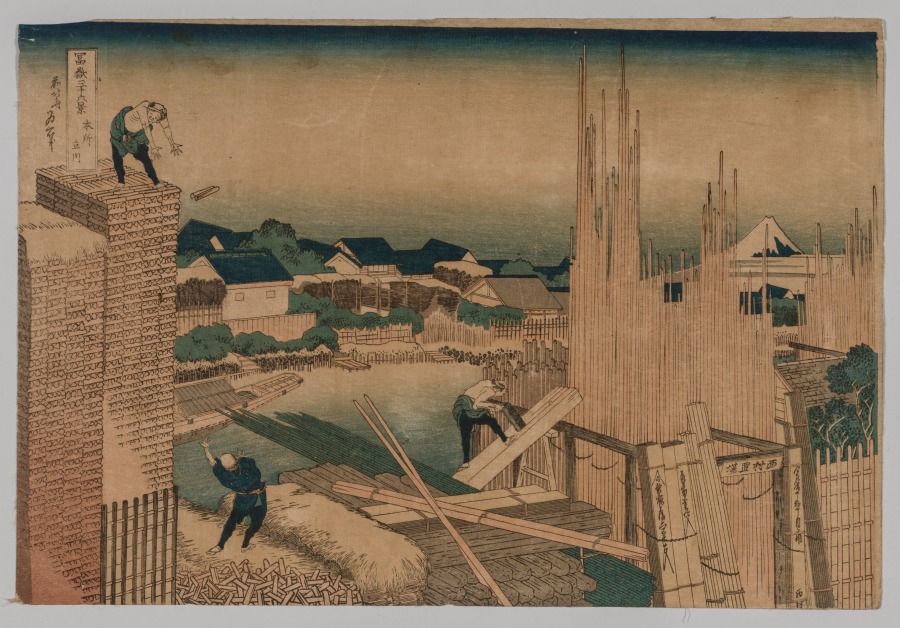
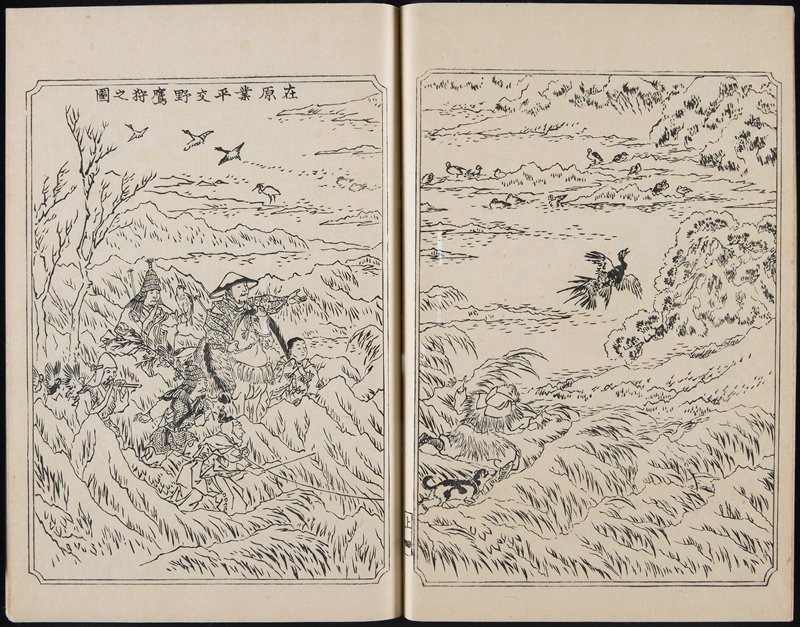
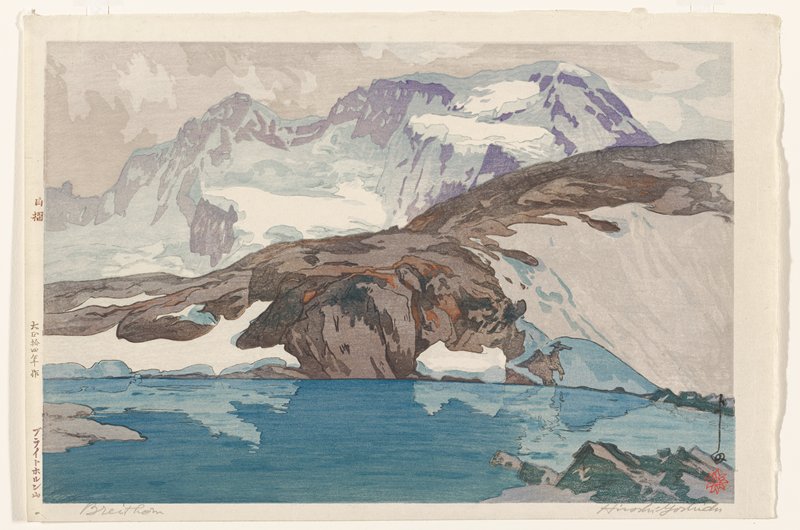
Travel scenes document journeys along Japan's historic roads, sea routes, and pilgrimage paths, forming one of the woodblock print tradition's most commercially successful and artistically significant genres. The meisho-e (famous places) format, which presented sequential views of notable sites along a route, generated some of ukiyo-e's greatest masterworks and established templates that artists followed for generations. Hiroshige's "Fifty-three Stations of the Tokaido" (1833-34), depicting the post stations along the great road connecting Edo and Kyoto, became the bestselling print series of the Edo period and defined the travel-scene genre. Its success spawned dozens of road series by Hiroshige himself and his contemporaries, documenting the Kisokaido, Nikko road, and other major routes. These prints served dual purposes — as art objects and as practical references for travelers, capturing the character of inns, teahouses, and scenic viewpoints along each route. The travel-scene tradition continued into the modern era as artists documented Japan's expanding railway network and new tourist destinations. Shin-hanga publishers like Watanabe Shozaburo commissioned series of famous views specifically targeting the tourist market, both domestic and international, creating prints that continue to define visual expectations of Japan's most celebrated landscapes.
Artists Known for Travel Scenes



Oiso: Tora's Rain (Oiso, Tora ga ame), from the series "Fifty-three Stations of the Tokaido Road (Tokaido gojusan tsugi no uchi)," also known as the Hoeido Tokaido
c. 1833/34
Color woodblock print; oban

Shimada: The Suruga Bank of the Oi River (Shimada, Oigawa Sungan), from the series "Fifty-three Stations of the Tokaido Road (Tokaido gojusan tsugi no uchi)," also known as the Hoeido Tokaido
c. 1833/34
Color woodblock print; oban

Akasaka, Fujikawa, Okazaki, Chiryu, and Narumi, from the series "Famous Places on the Fifty-three Stations of the Tokaido, Five Stations (Tokaido gojusan eki goshuku meisho)"
c. 1830/35
Color woodblock print; oban
Four Stations: Okabe, Fujieda, Shimada and Kanaya, from the series Famous Views of the Fifty-three Stations of the Tōkaidō Road (Tōkaidō gojūsan eki yonshuku meisho)
Edo period, circa 1830-1835 (Tenpō 1-6)
Ukiyo-e woodblock print in "ōban" format; ink and color on paper, with printed signature reading "Ichiyūsai Kuniyoshi ga"

Hara, Yoshiwara, and Kanbara, from the series "Famous Places on the Fifty-three Stations of the Tokaido, Three Stations (Tokaido gojusan eki sanshuku meisho)"
c. 1830/35
Color woodblock print; oban

Minakuchi, Ishibe, Kusatsu, Otsu, and Kyoto, from the series "Famous Places on the Fifty-three Stations of the Tokaido, Five Stations (Tokaido gojusan eki goshuku meisho)"
c. 1830/35
Color woodblock print; oban

Nihonbashi, Shinagawa, Kawasaki, and Kanagawa, from the series "Famous Places on the Fifty-three Stations of the Tokaido, Four Stations (Tokaido gojusan eki yonshuku meisho)"
c. 1830/35
Color woodblock print; oban
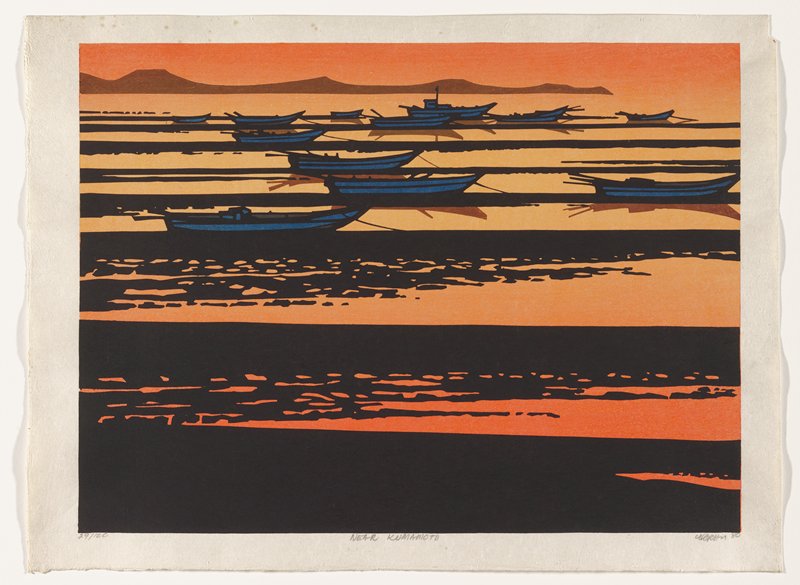
Near Kumamoto
1980
Woodblock print, ink and color on paper
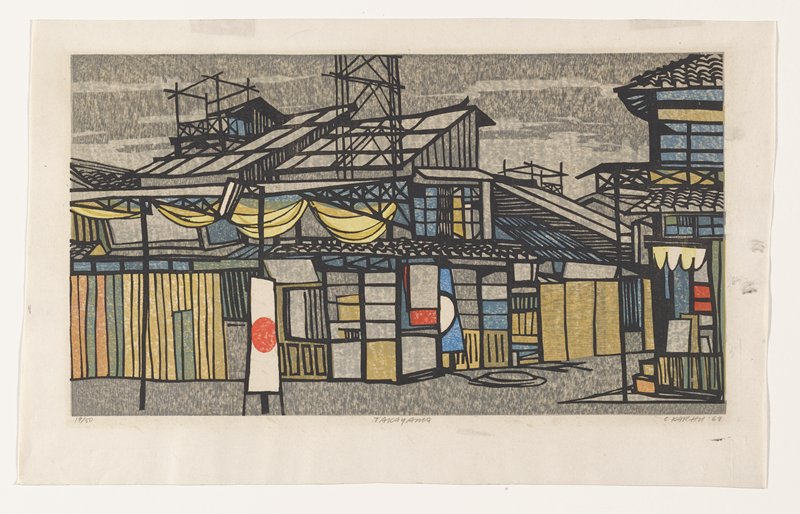
Takayama
1964
Woodblock print, ink and color on paper
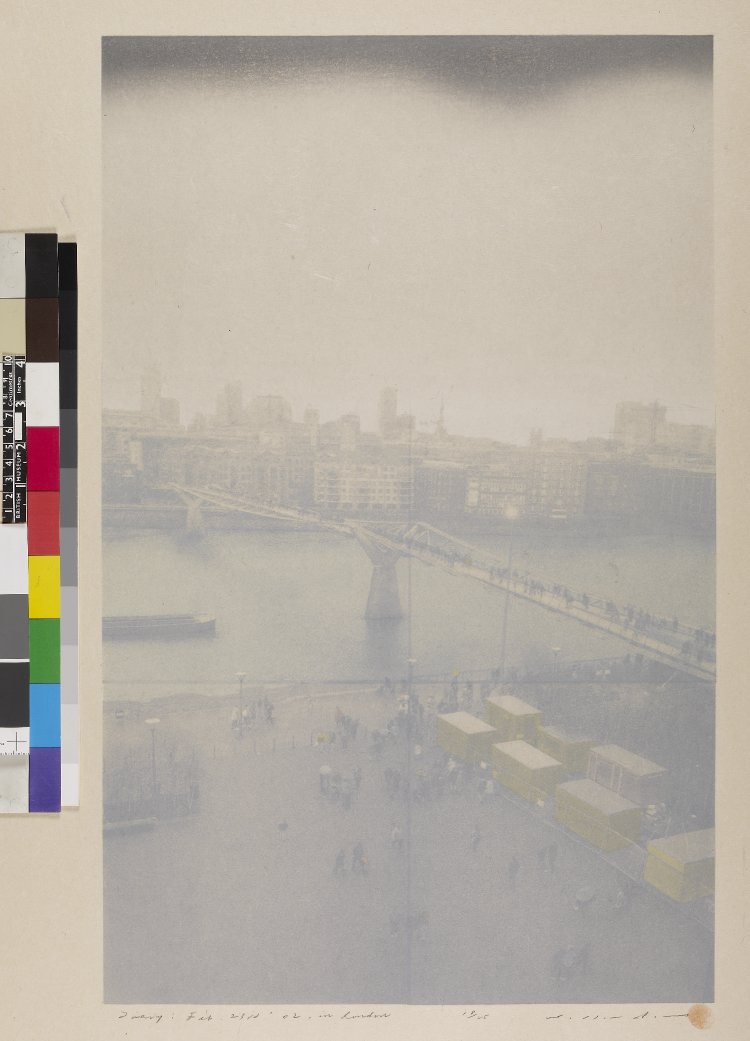
Diary: Feb. 23rd '02, in London
2002
Screenprint
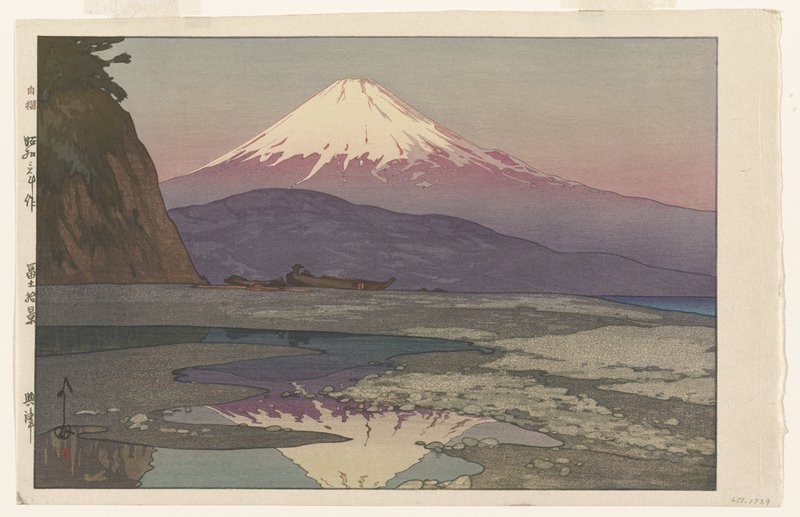
Okitsu
1928
Woodblock print, ink and color on paper

Sannenzaka
1976
Woodblock print, ink and color on paper

A Park in Guangzhou
1941
Woodblock print, ink and color on paper

Diary: July 18 '08, in Israel
2008
Woodcut, silkscreen

Diary: July 9th '08, in Istanbul
2008
Woodcut, silkscreen

Diary: Sept. 11th, '11, in The United States
2011
Woodcut, silkscreen
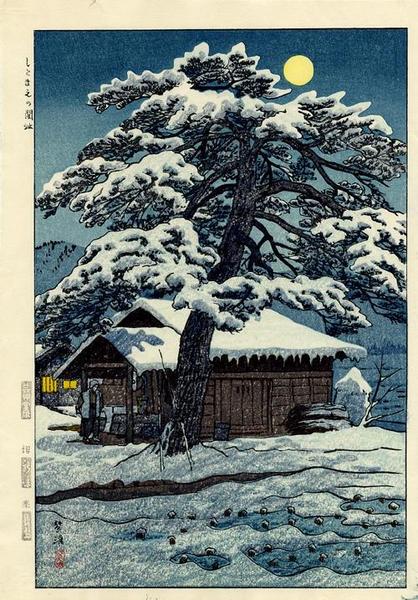
Remains of the Checkpoint at Shitomae - しとまえの関址
Woodblock print
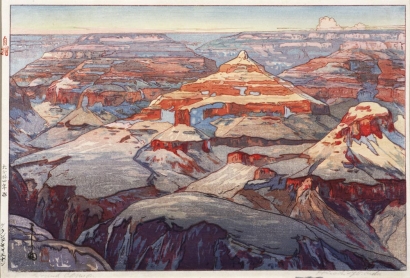
Grand Canyon
1925
Woodblock print

Enoshima
Unknown
Color woodblock print

Camping at Washibadake
1926
Color woodblock print

Diary: Sept. 10th, '06 in Chicago
2006
Woodblock and silkscreen; edition 9/12

Inariyama, Nagano Prefecture (Nagano ken Inariyama)
1947
Color woodblock print
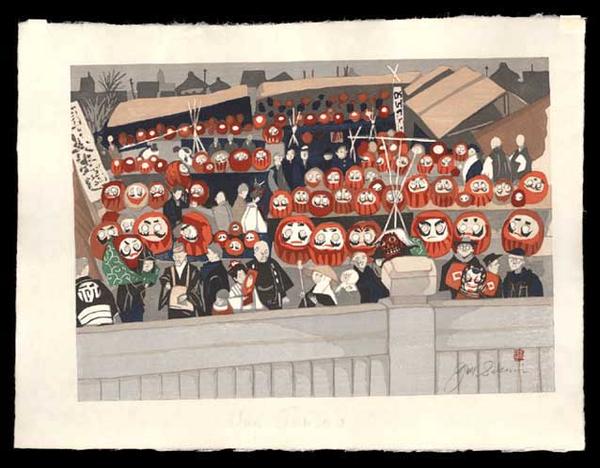
Odawara
Woodblock print
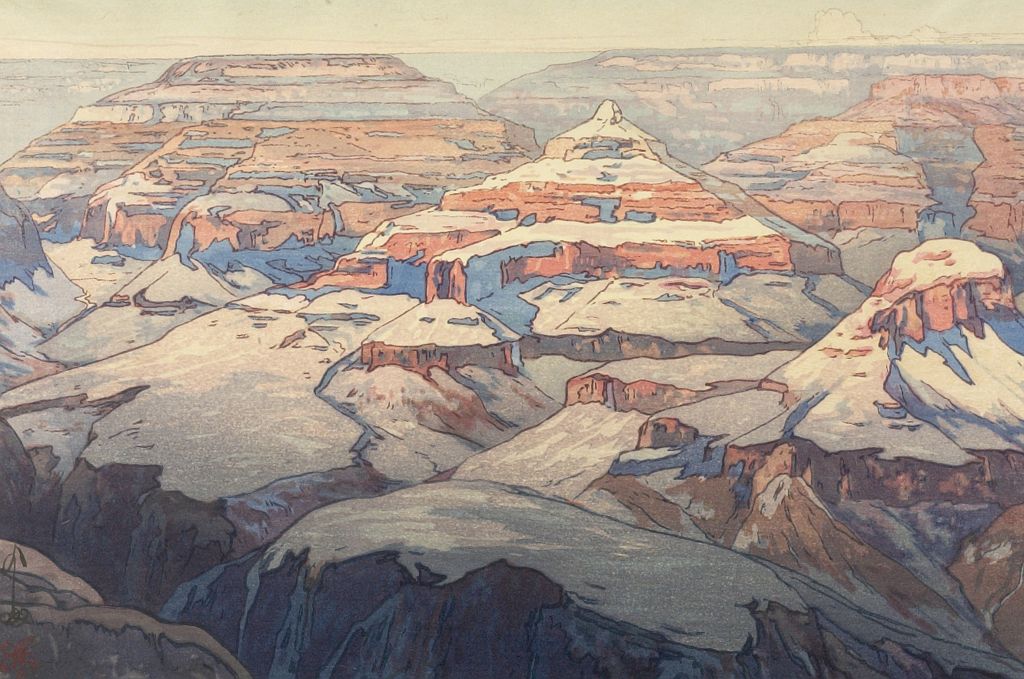
Grand Canyon, Shôwa period, dated 1925
Shôwa period, 1926-1989
Woodblock print
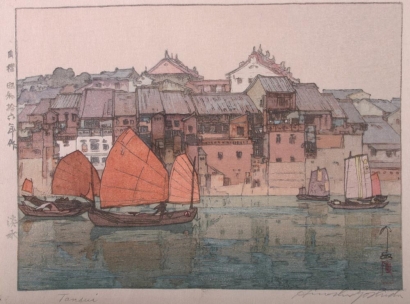
Tansui
1941
Woodblock print

India Nautch Dancers
1923
Woodblock print

Comb Products in Tsuchiyama
c. 1804
Color woodblock print

Illustration of products in Yoshida
1804
Color woodblock print
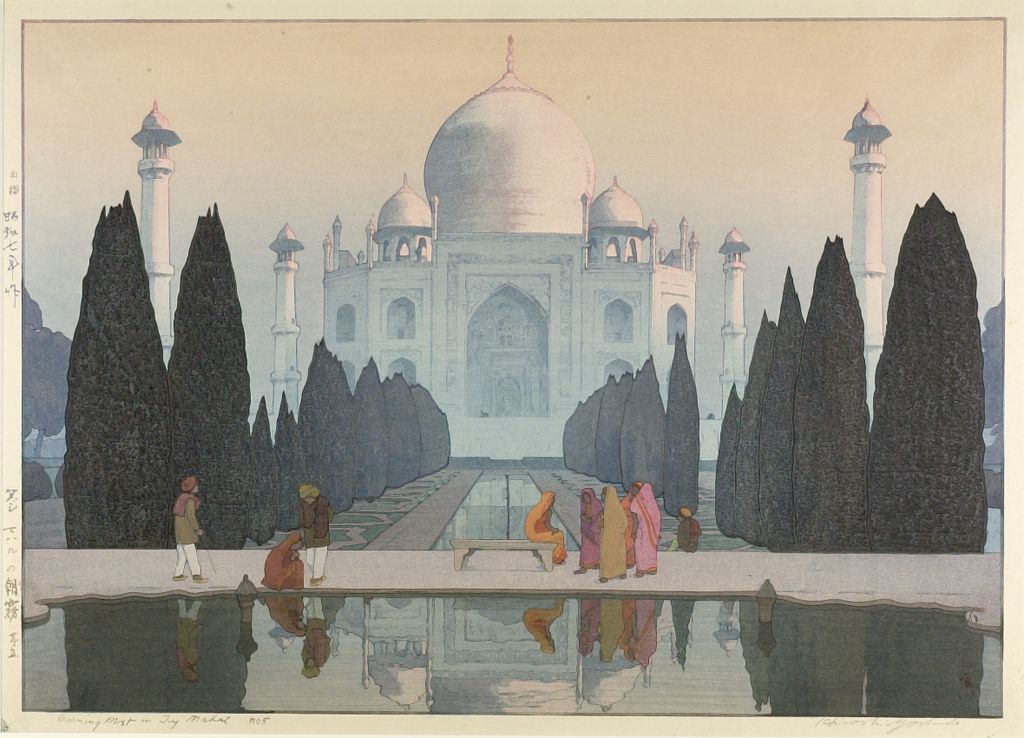
Morning Mist on the Taj Mahal No. 5, Shôwa period, dated 1932
Shôwa period, 1926-1989
Woodblock print

Caravan from Afganistan
1932
Woodblock print, ink and color on paper

Diary: Sep. 16th '01, in Israel
2001
Woodcut, silkscreen
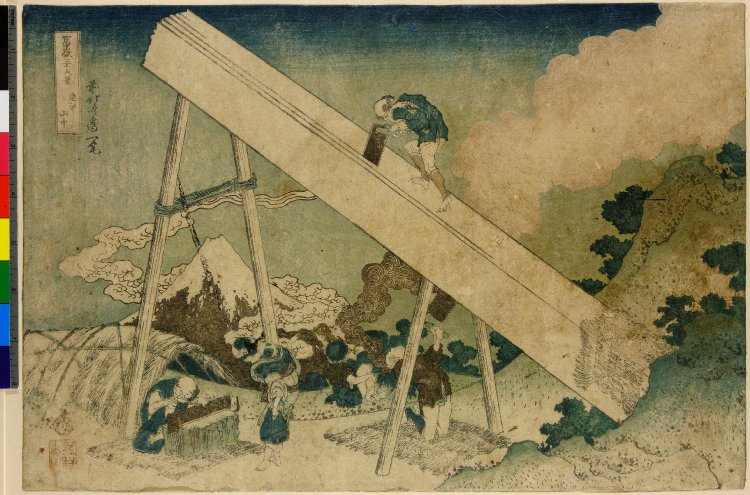
Totomi nakayama / Fugaku Sanju Rokkei
Woodblock print

Honolulu
1933
Woodblock print
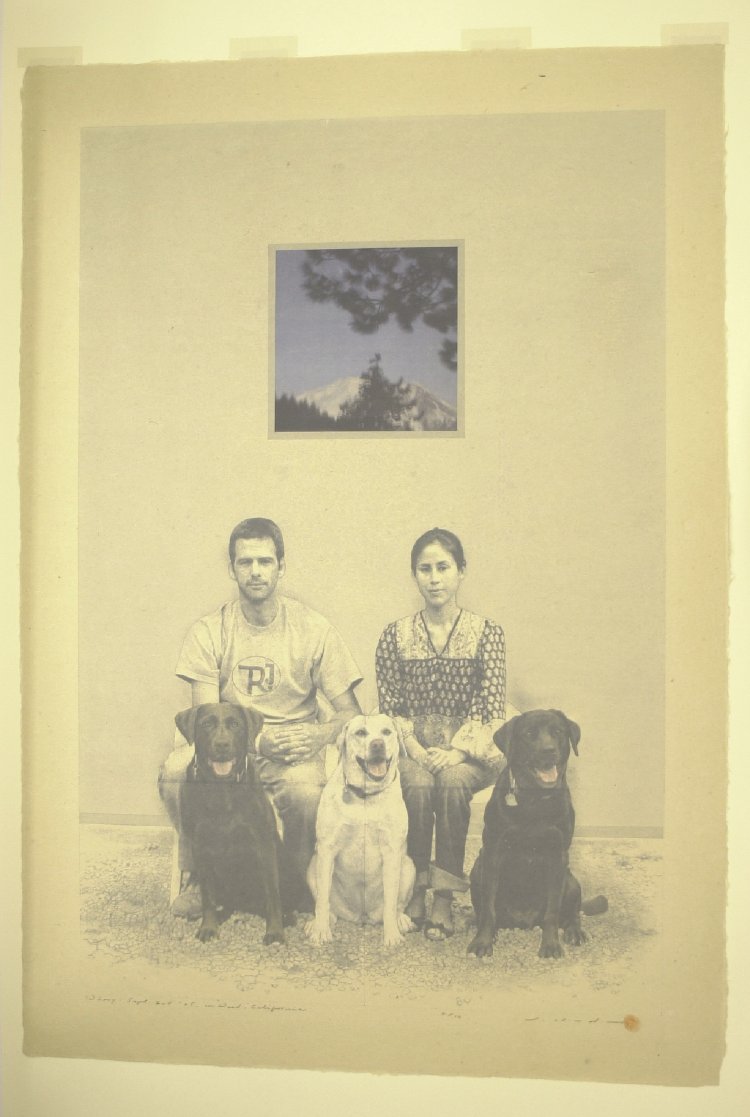
Diary: Sept. 2nd '05, in Weed, California
2005
Screenprint

Diary: Sept. 8th '07, in Weed CA
2007
Woodcut, silkscreen

Red Wall (Akai kabe), from the series "Manchuria (Manshu)"
1944 (printed c. 1950 from recut block?)
Color woodblock print; oban

Visitors to Enoshima
c. 1801/04
Color woodblock print; ebangire, surimono

The Outskirts of Agra No. 3
1932
Woodblock print, ink and color on paper

Diary: Nov. 3rd, '12, in Hangzhou
2012
Woodcut, silkscreen

A Wayside Scene (Oji)
1801–04
Color woodblock print; oban surimono

Singapore
1931
Woodblock print, ink and color on paper
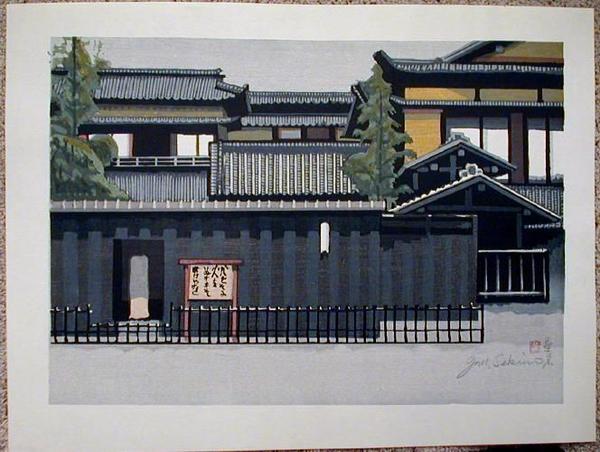
Kuwana
Woodblock print
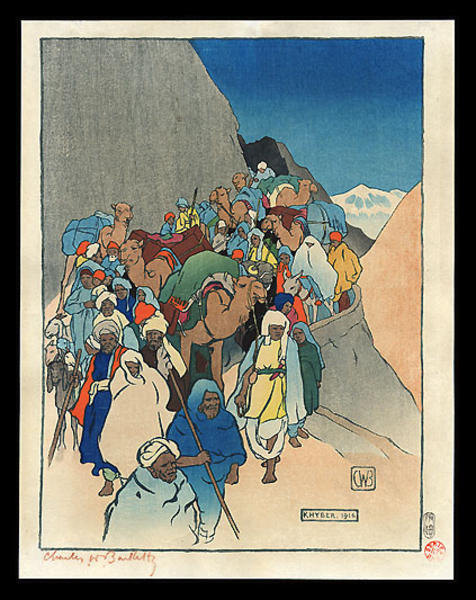
Khyber, 1916
Not set
Woodblock print
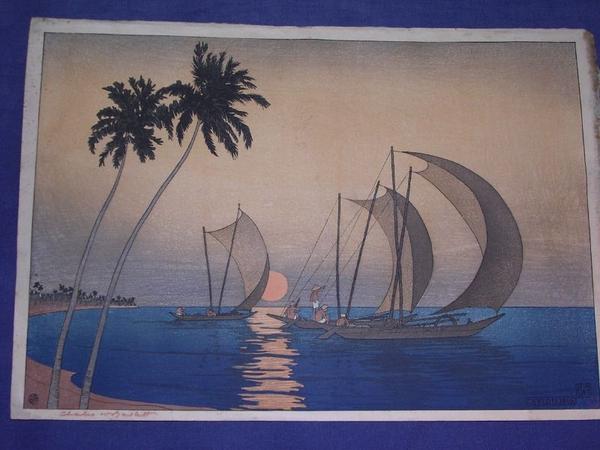
Celyon 1916
Not set
Woodblock print
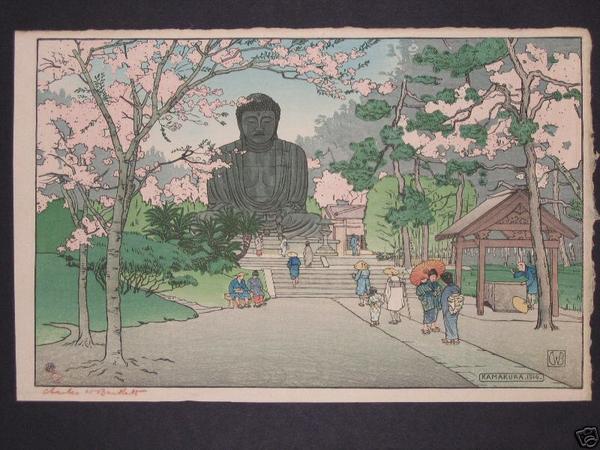
Kamakura
1916
Woodblock print
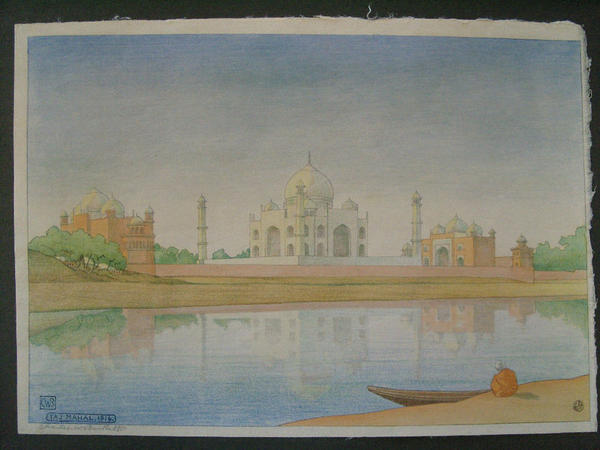
Taj Mahal at Dawn
1916
Drawing
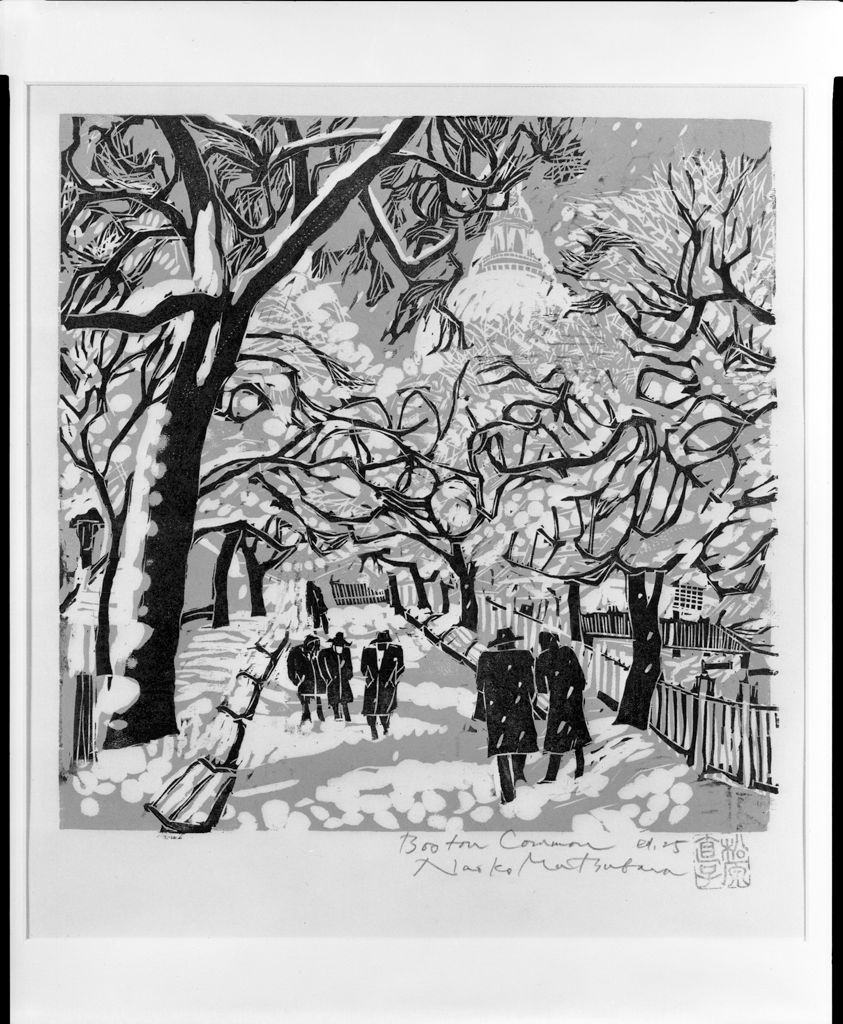
Boston Common, Shôwa period,
Woodblock print
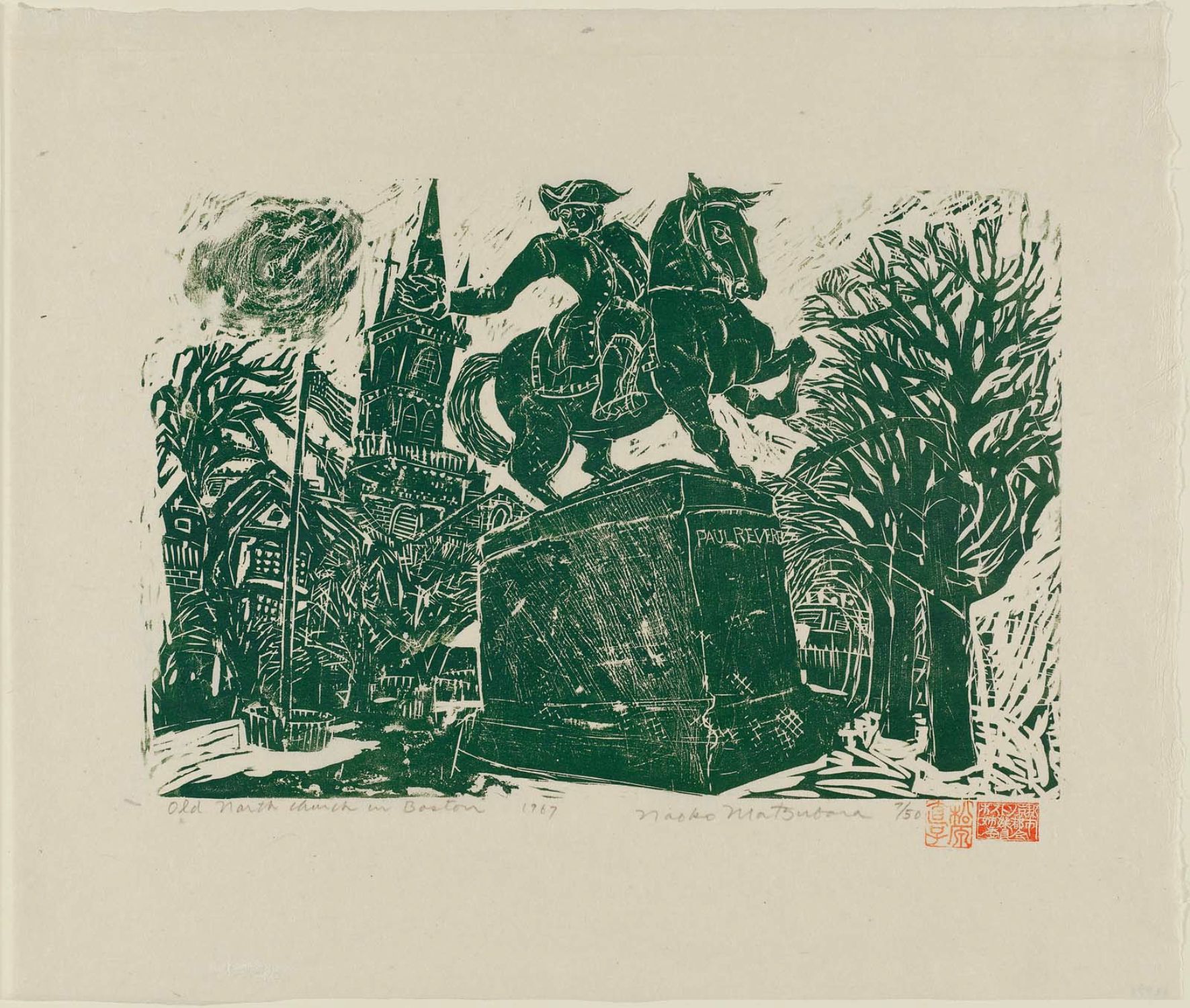
Old North Church in Boston
Woodblock print
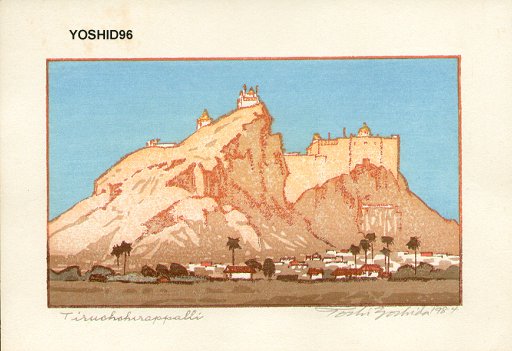
Tiruchchirappalli
Woodblock print

Woman on Deck
1912
Color woodblock print
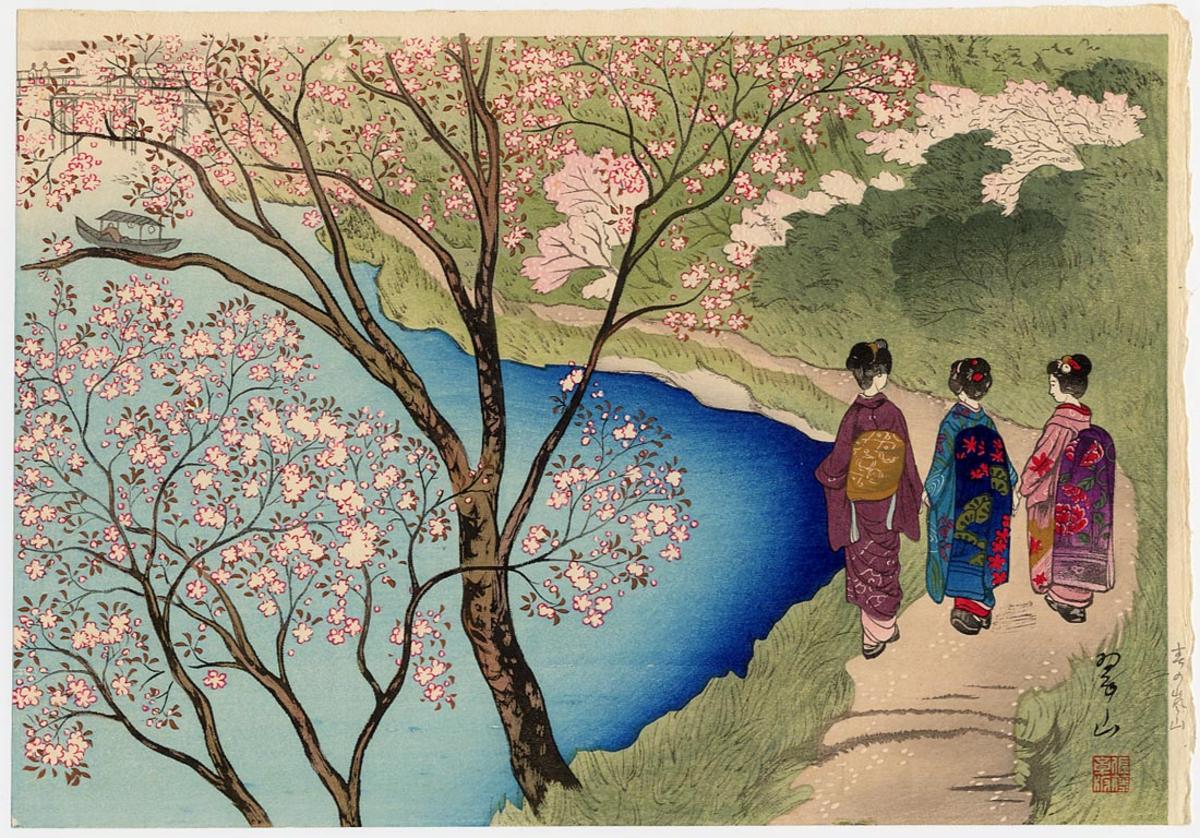
Three girls strolling at Arashiyama
Woodblock print

Shanghai
1920s
Color woodblock print
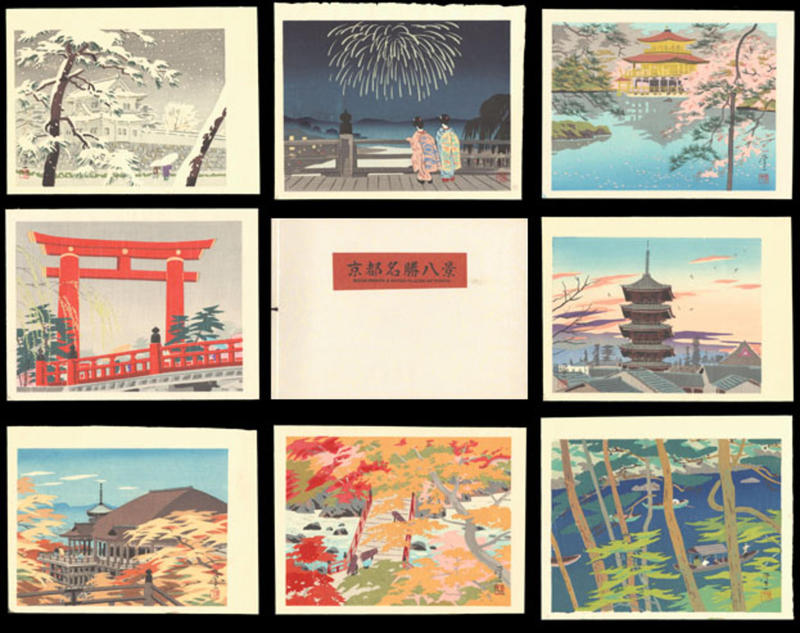
Eight Noted Places of Kyoto- Complete Eight-Print Set With Album
Woodblock print
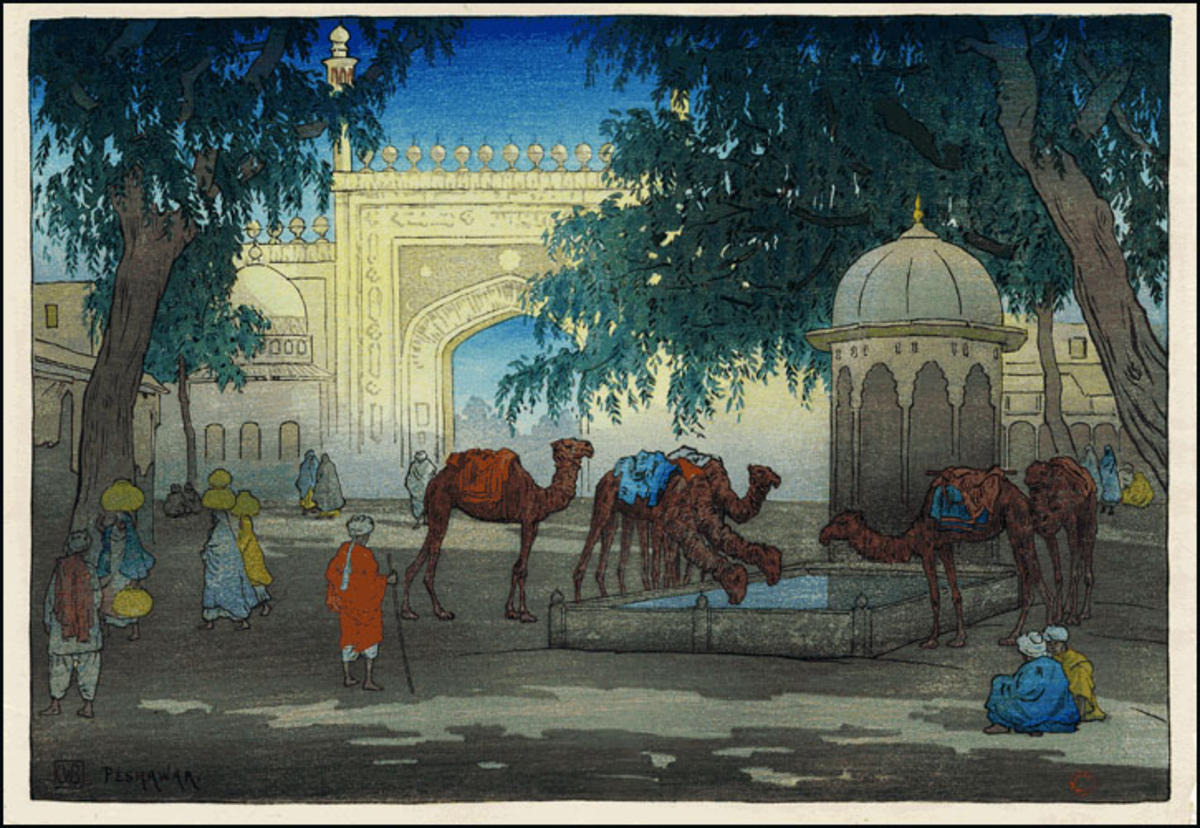
Peshawar
Not set
Woodblock print
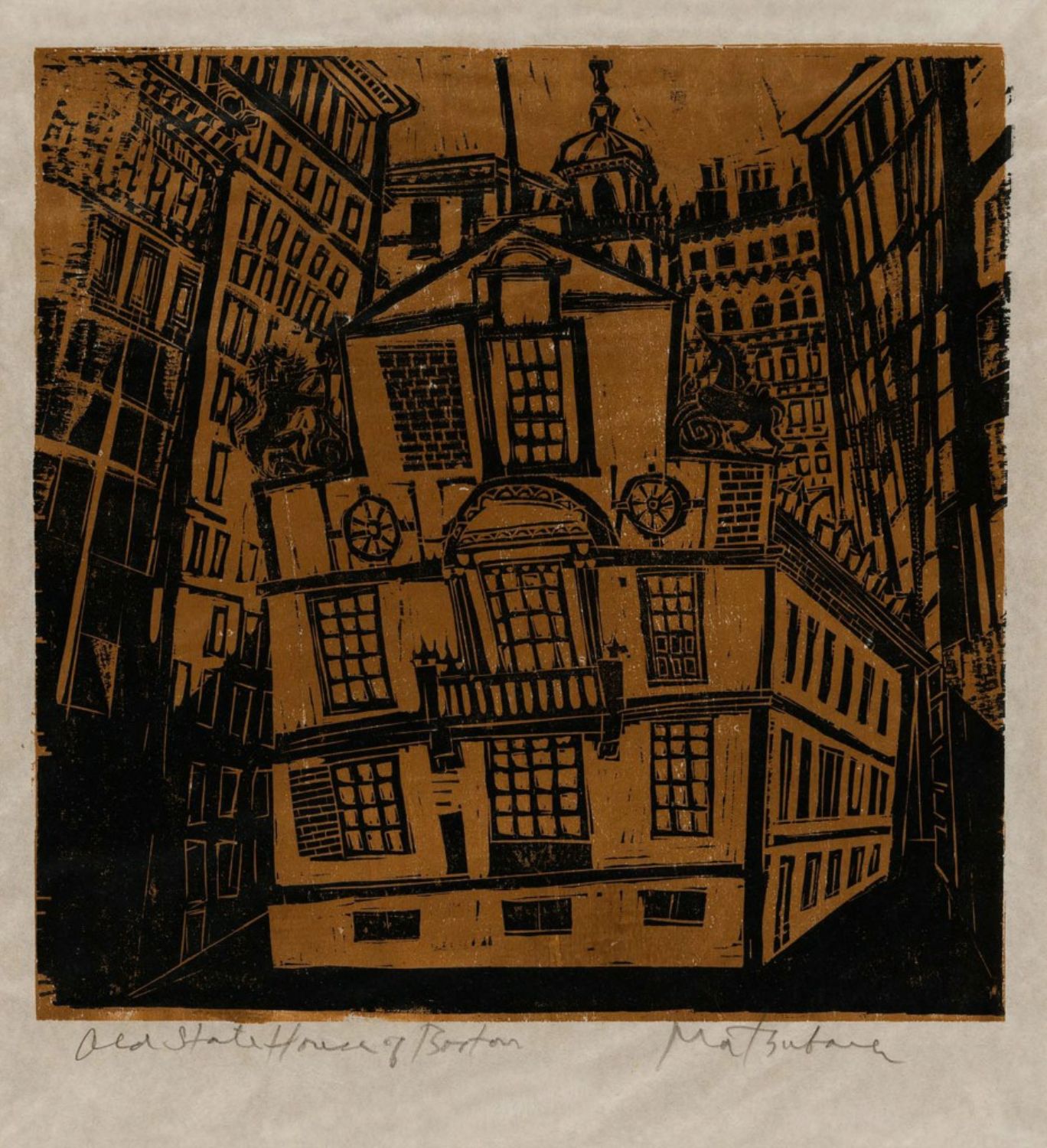
Old State House of Boston
Woodblock print
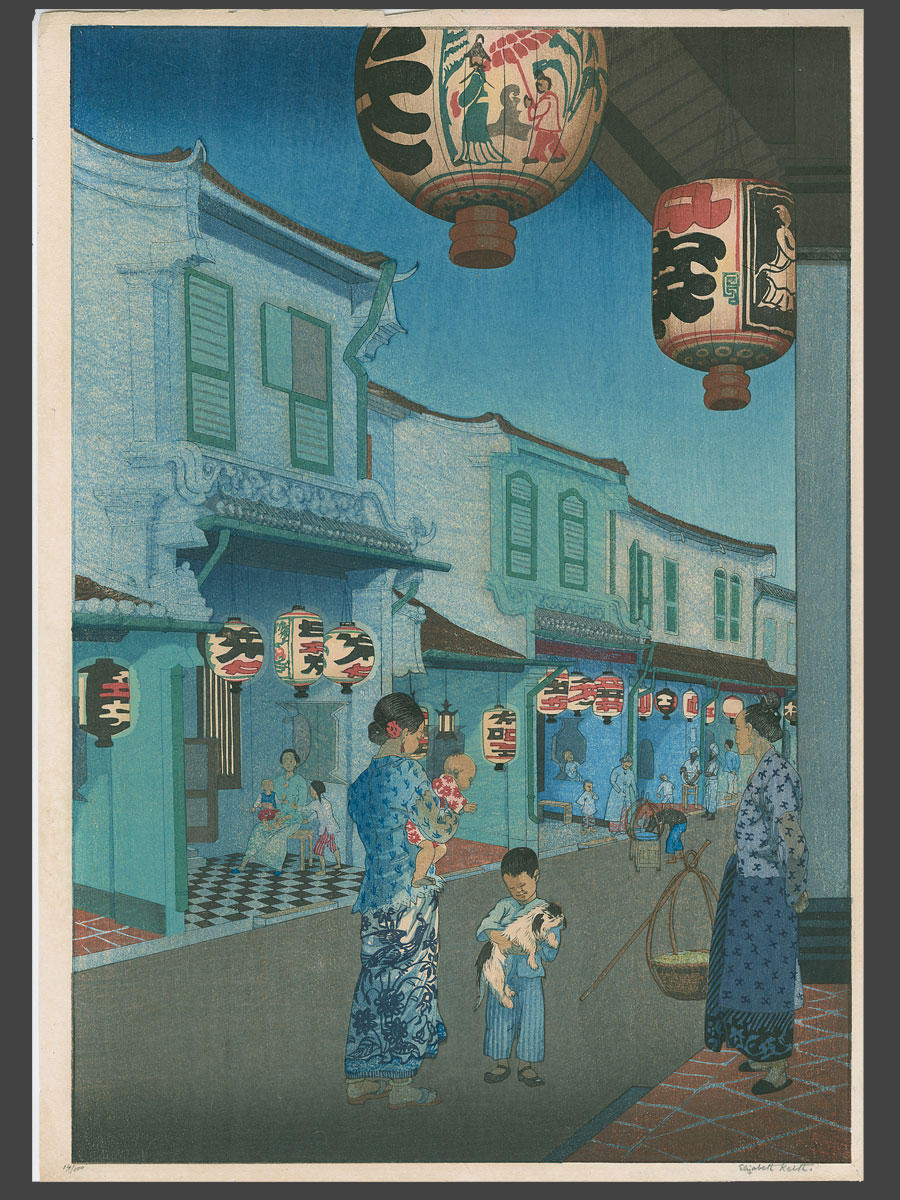
New Years Lanterns, Malacca (Morning)
Woodblock print
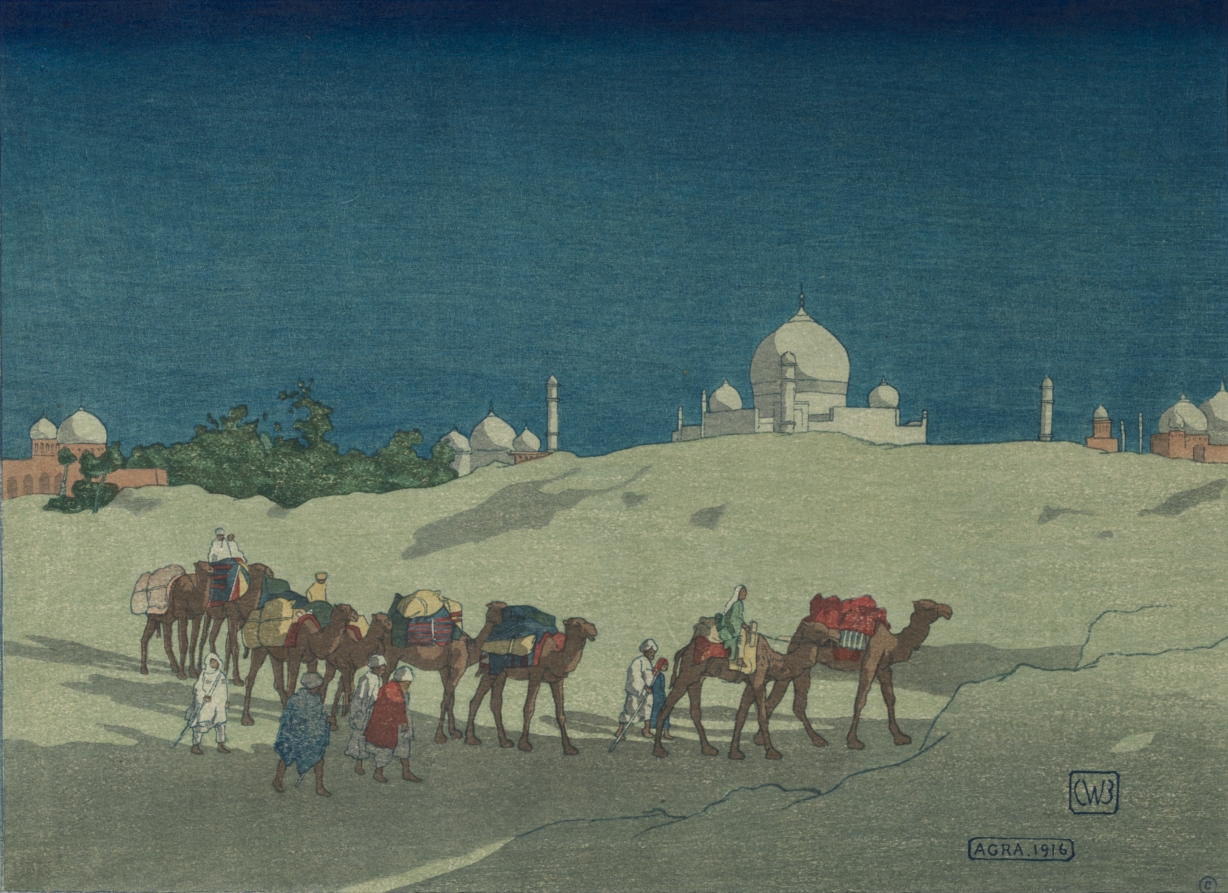
Agra
1916
color woodcut

Amritsar 1916
1916
Drawing

Cincinnati II
20th century
Woodblock print; edition 32/100

Chinese Woman, Hong Kong
1917
Color woodblock print
Related Subjects
Frequently Asked Questions
Travel scenes document journeys along Japan's historic roads, sea routes, and pilgrimage paths, forming one of the woodblock print tradition's most commercially successful and artistically significant genres. The meisho-e (famous places) format, which presented sequential views of notable sites along a route, generated some of ukiyo-e's greatest masterworks and established templates that artists followed for generations.
Kawase Hasui, Jun'ichiro Sekino, and Utagawa Hiroshige are among the artists most associated with travel scenes in our collection. Browse the full list of artists who explored this subject above.
Hanga currently catalogues 502 prints tagged with travel scenes, spanning ukiyo-e, shin-hanga, and sōsaku-hanga traditions where applicable.