Landscapes Prints (3812)
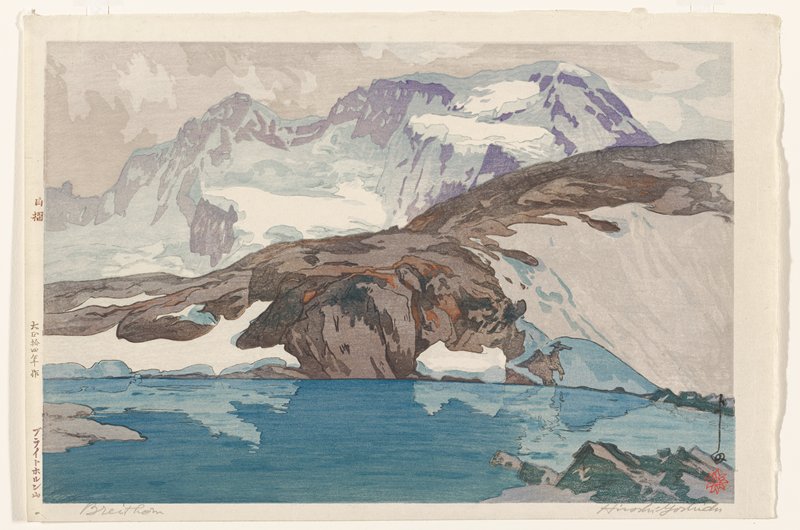
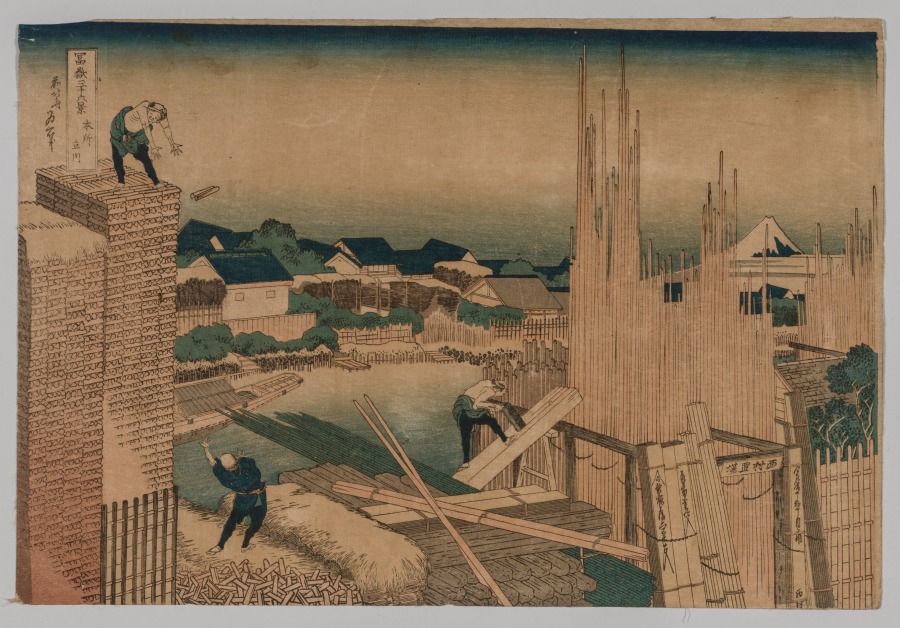
Landscapes are the most celebrated subject in Japanese woodblock printmaking, encompassing mountain vistas, coastal panoramas, river valleys, and rural scenes that have defined the genre for centuries. The tradition reached its first peak with Hokusai's "Thirty-six Views of Mount Fuji" (1831) and Hiroshige's "Fifty-three Stations of the Tokaido" (1833-34), series that established the meisho-e (famous places) format as a cornerstone of ukiyo-e. Shin-hanga artists of the early twentieth century, particularly Kawase Hasui and Hiroshi Yoshida, reinvented the landscape tradition by combining Western atmospheric effects with Japanese compositional sensibilities. Hasui's snow scenes and twilight views of rural Japan became iconic, while Yoshida's mountain studies introduced plein-air observation techniques unprecedented in woodblock printing. Sosaku-hanga artists like Toshi Yoshida and Shiro Kasamatsu further expanded the landscape vocabulary through personal expression and experimental color palettes. Japanese landscape prints typically emphasize seasonal atmosphere, weather conditions, and the interplay between human presence and natural grandeur. The use of bokashi (graduated color) and multiple impression techniques creates depth and luminosity that distinguish woodblock landscapes from other printmaking traditions.
Artists Known for Landscapes



The Canadian Scene: Seven Colour Prints and a Dissertation
1928
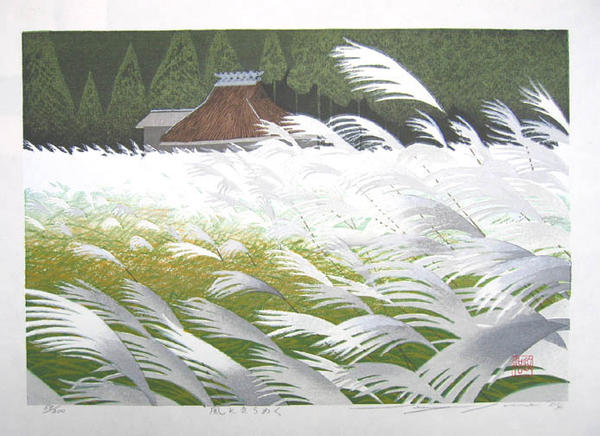
Shining Wind
Not set
Woodblock print
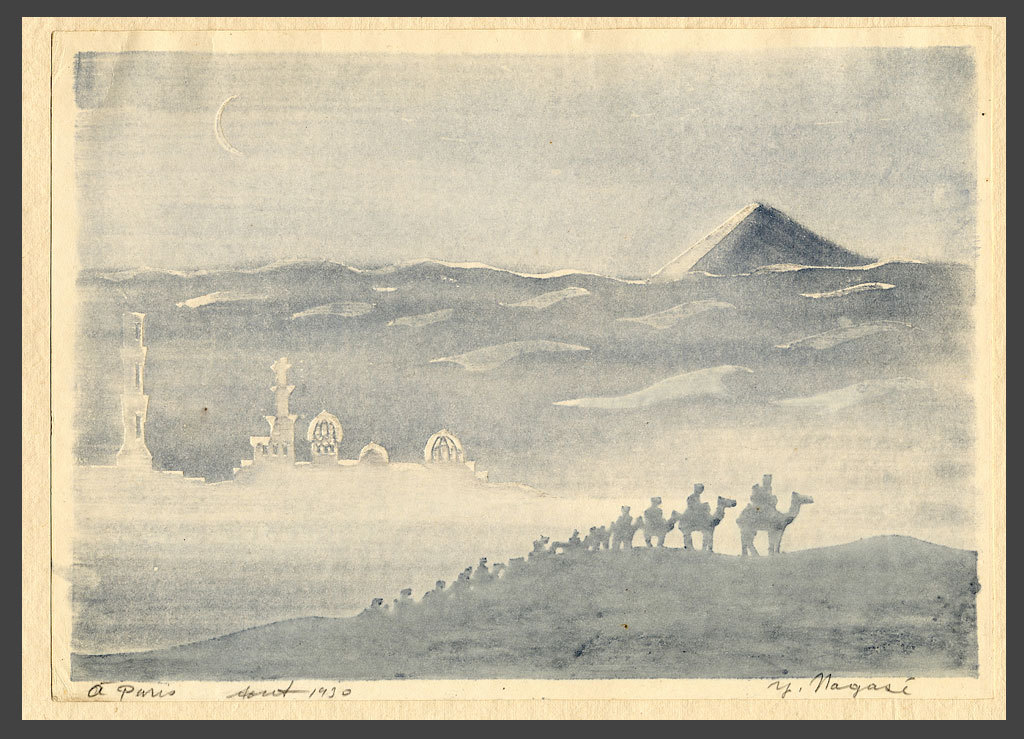
Pyramids of Egypt
Woodblock print
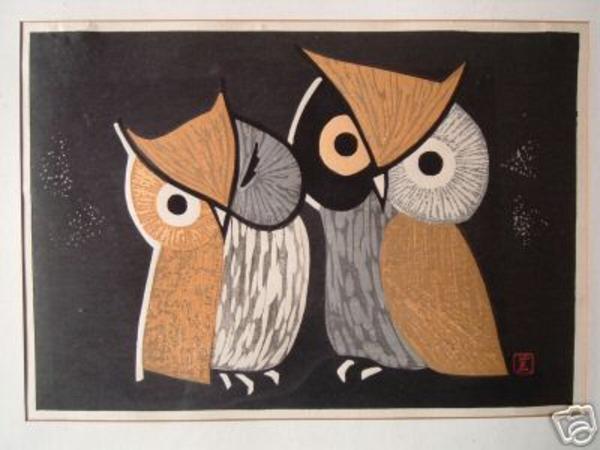
Kawano Kaoru
Woodblock print
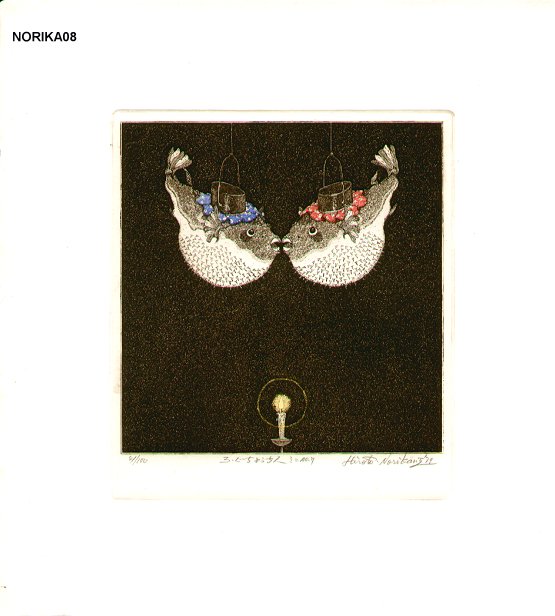
Norikane, Hiroto
Woodblock print
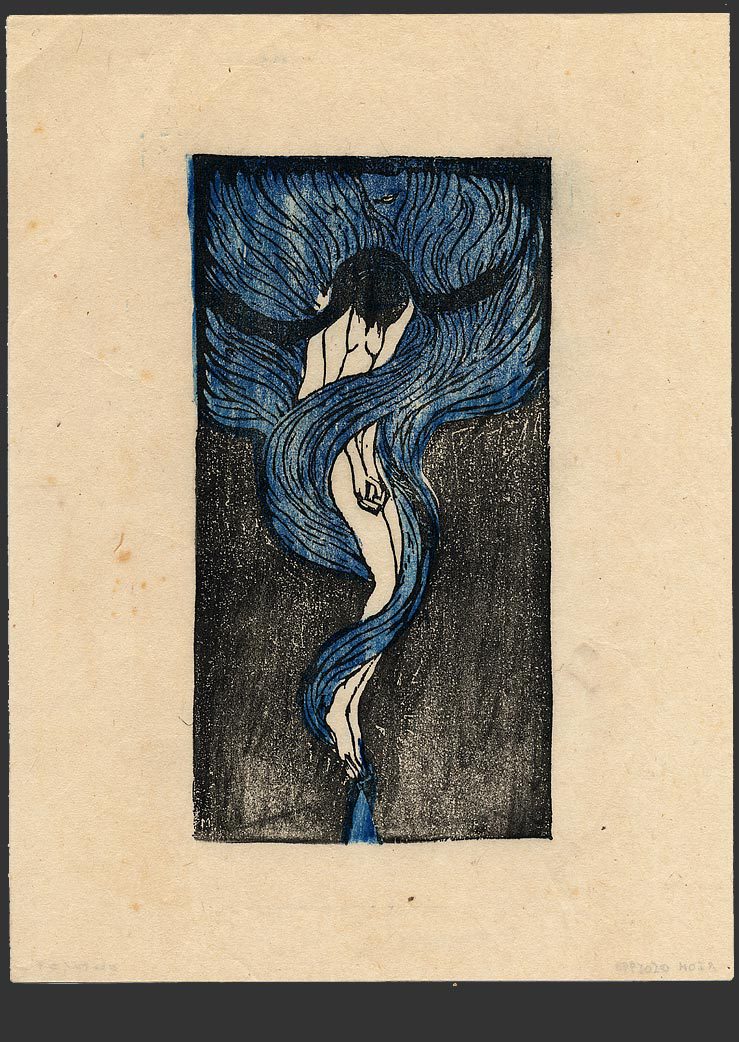
Tanaka Kiyokichi
Woodblock print
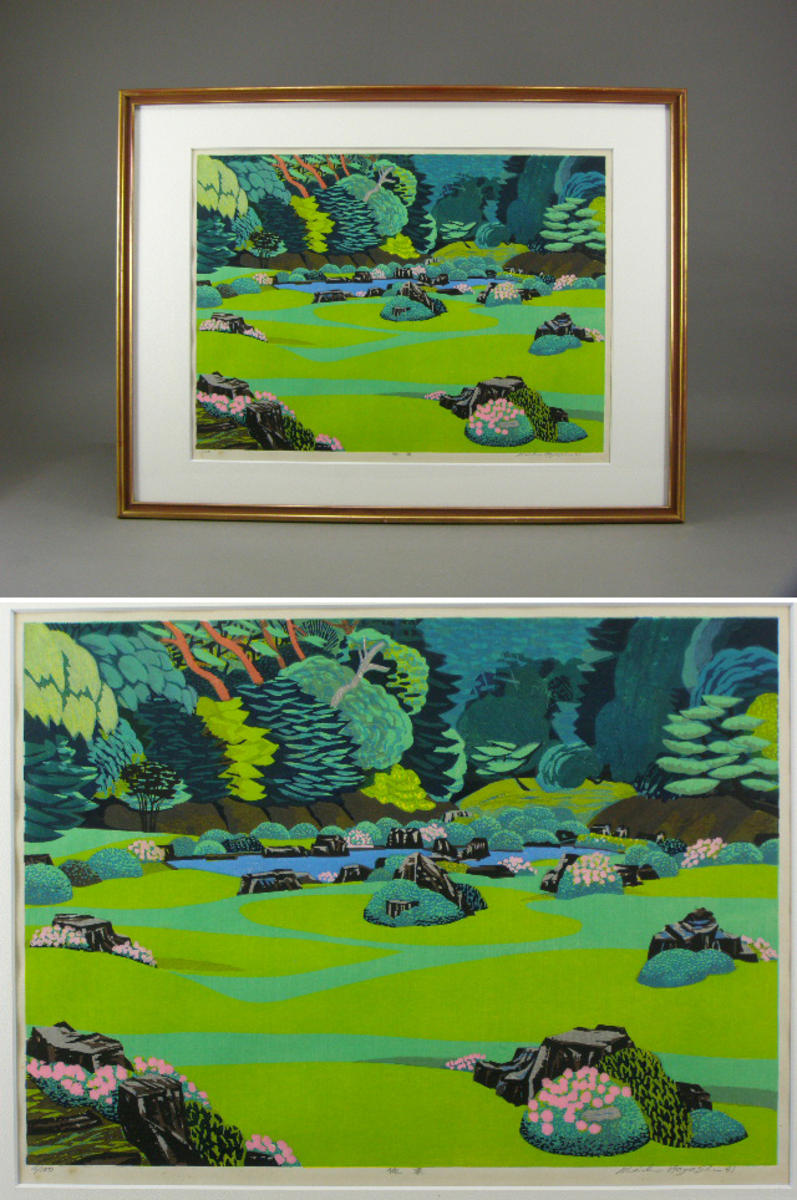
Greenery — 緑華
Woodblock print

Red Sun
1934
Hand-colored woodblock print
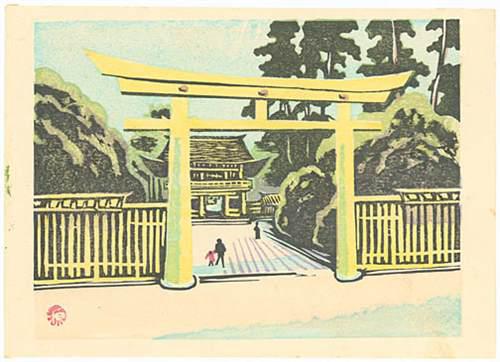
Robyn Buntin of Honolulu
Woodblock print
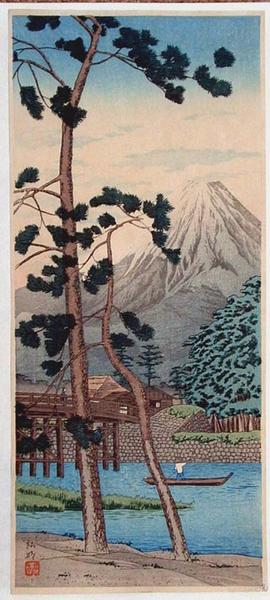
Tagonoura
Woodblock print
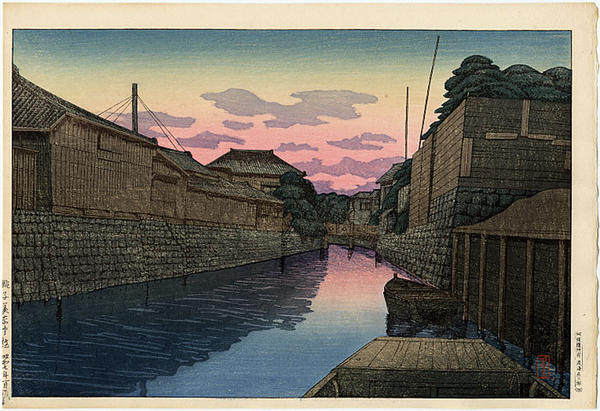
Untitled (ishiwata-koitsu)
Woodblock print

Pine 11
Drypoint on copper plate

Hot Springs of Mizugami
1960
Woodblock print
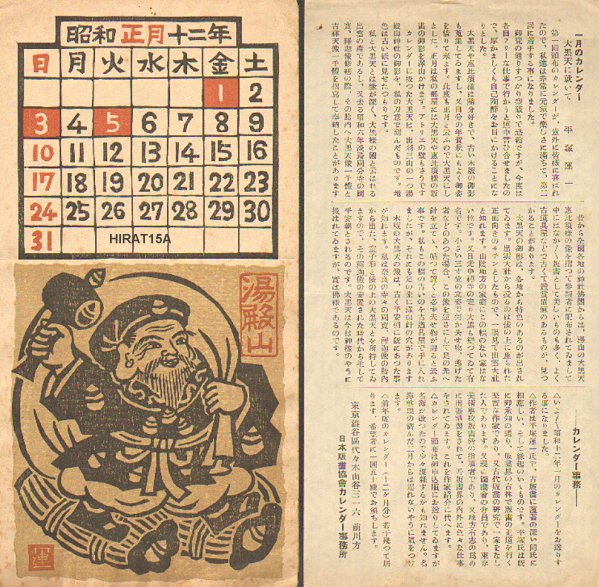
January
Woodblock print

Mount Aso in Kyushu
1935
Color woodblock print
Rays of the Morning Sun
Woodblock print
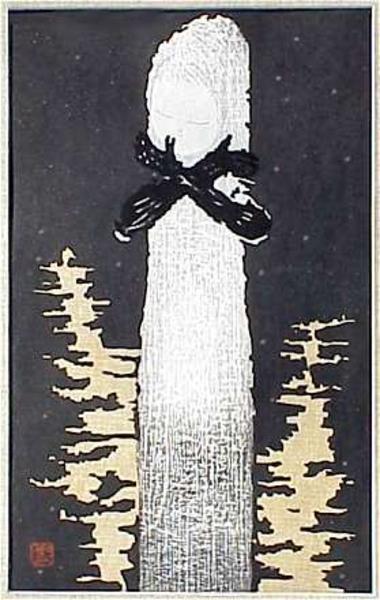
Sylvan — 森の?
Woodblock print
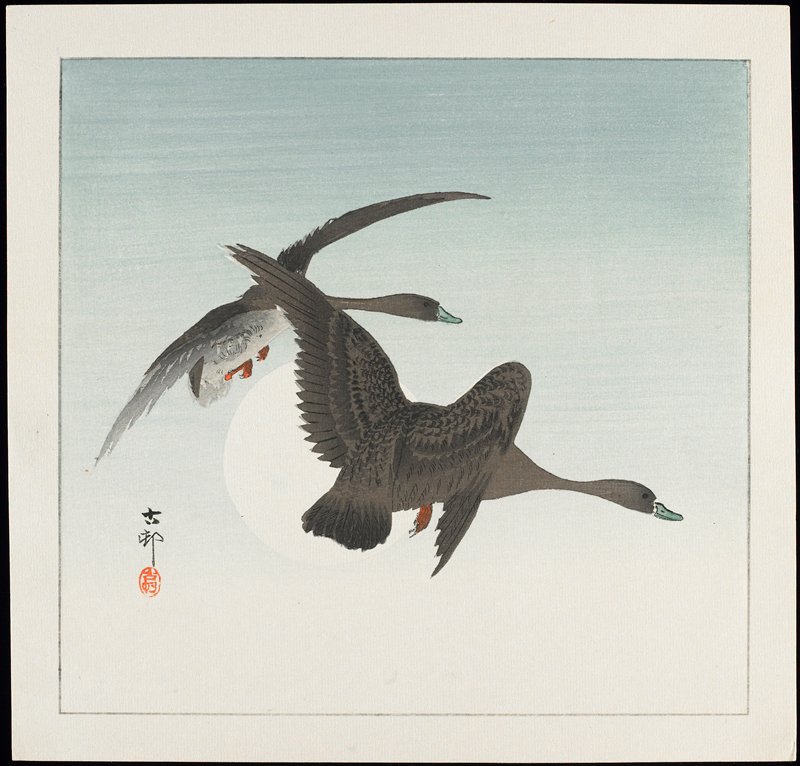
Geese in Flight
c. 1928–1930
Woodblock print, ink and color on paper
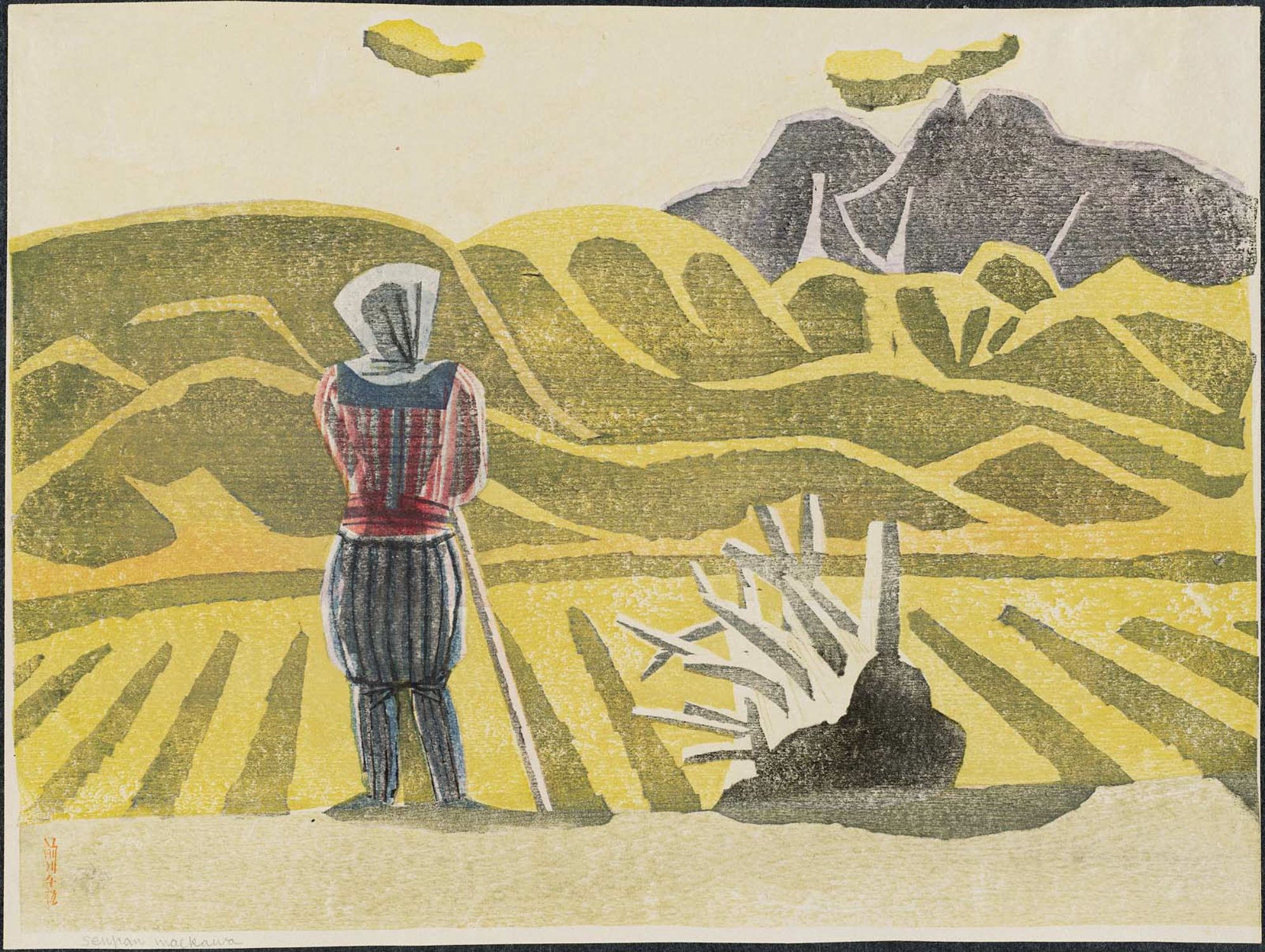
Mount Bandai
Woodblock print

Southern Izu
1960
Woodblock print

Away from the Herd
1965
Woodblock print
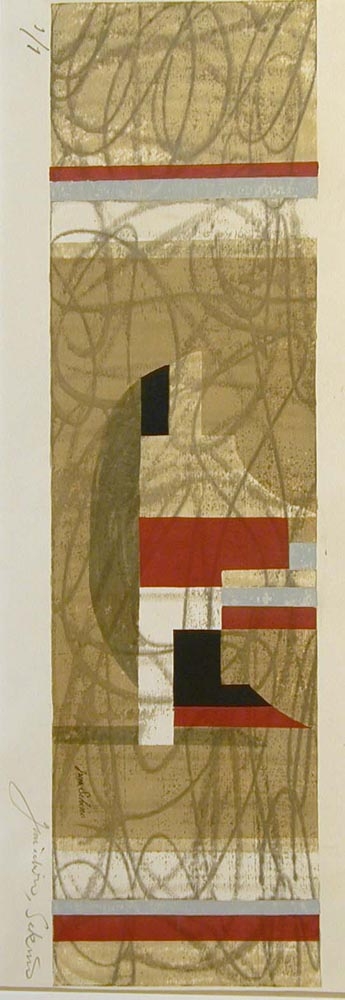
Etude
Woodblock print
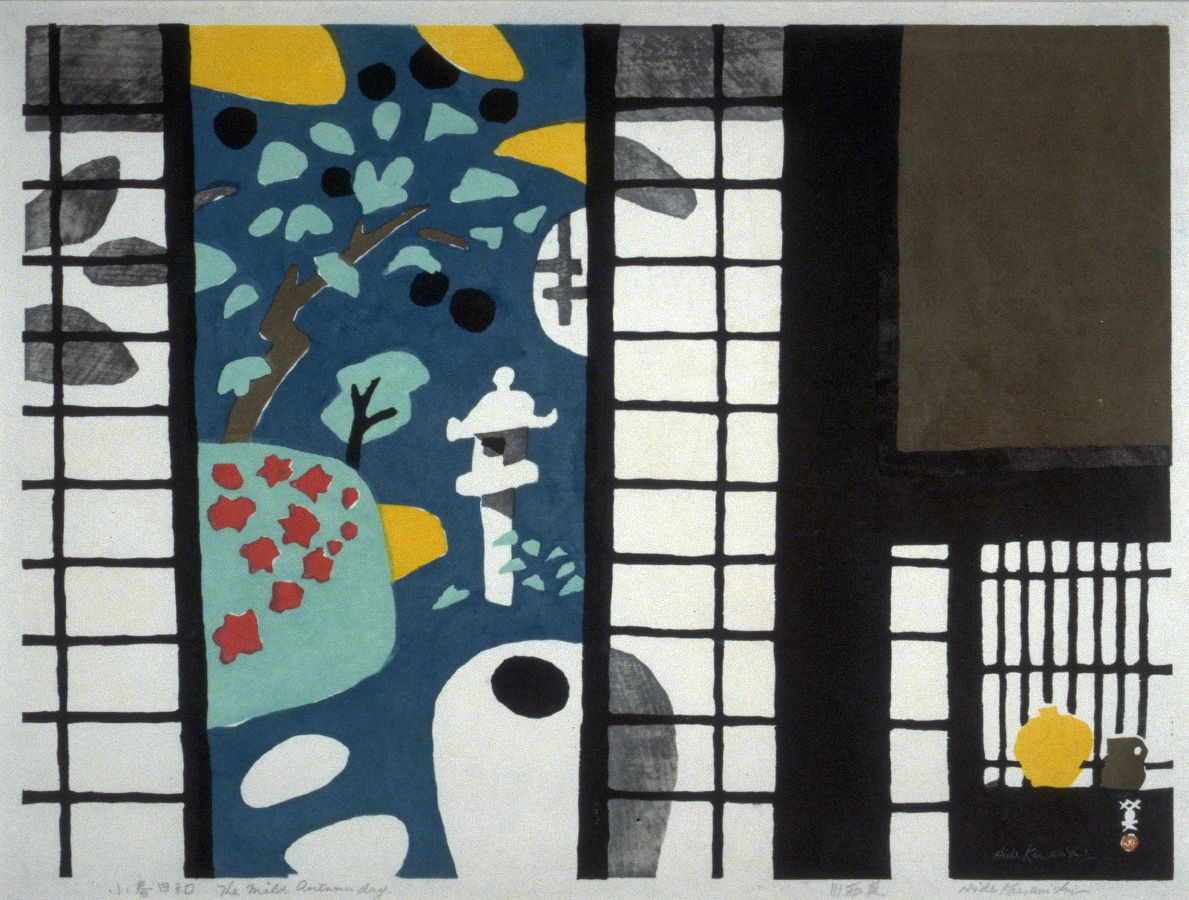
Legion of Honor
Woodblock print
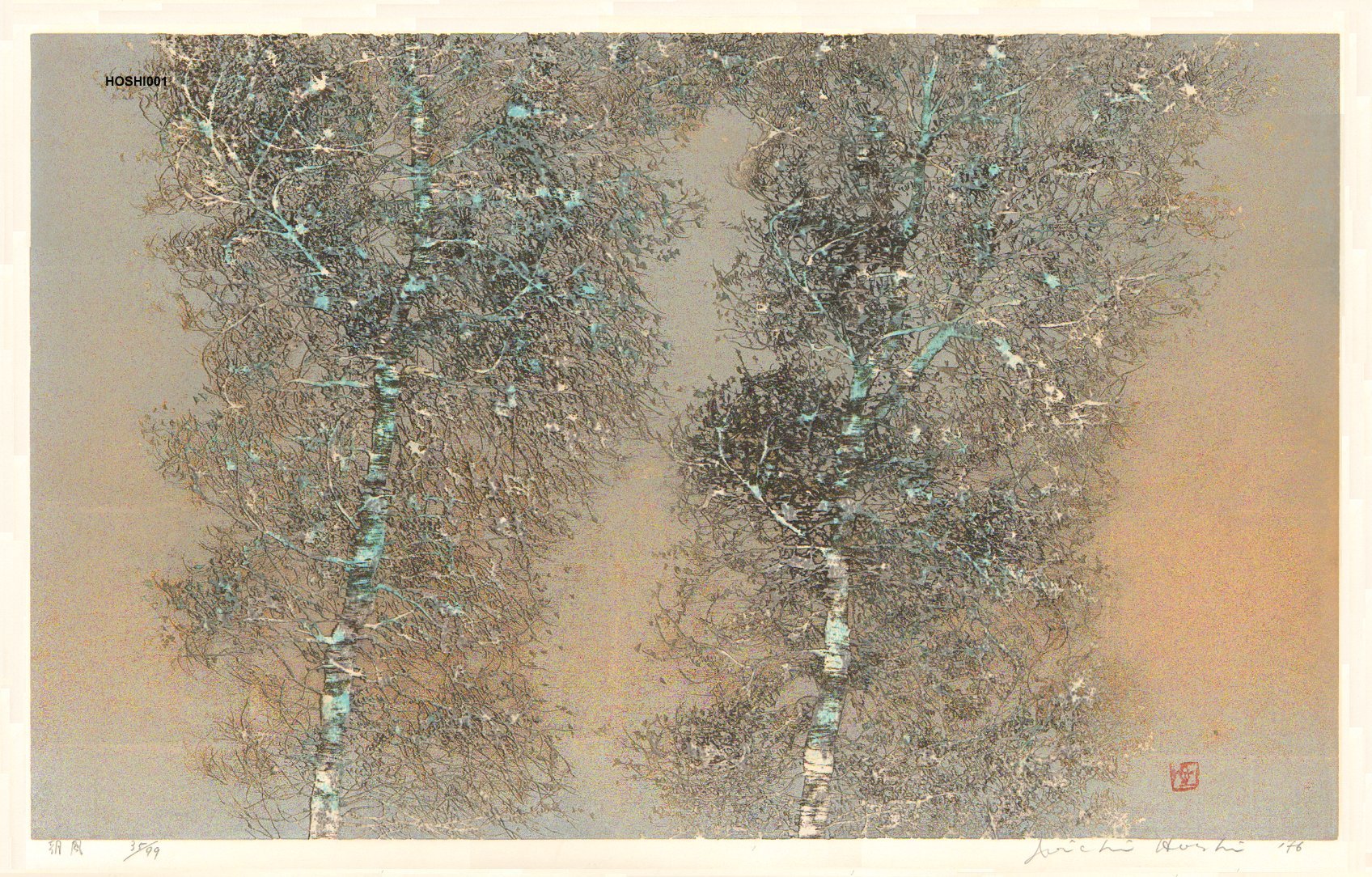
Morning Breeze
Woodblock print

Kagogahana, near Matsue, Shimane Prefecture
1927
Color woodblock print
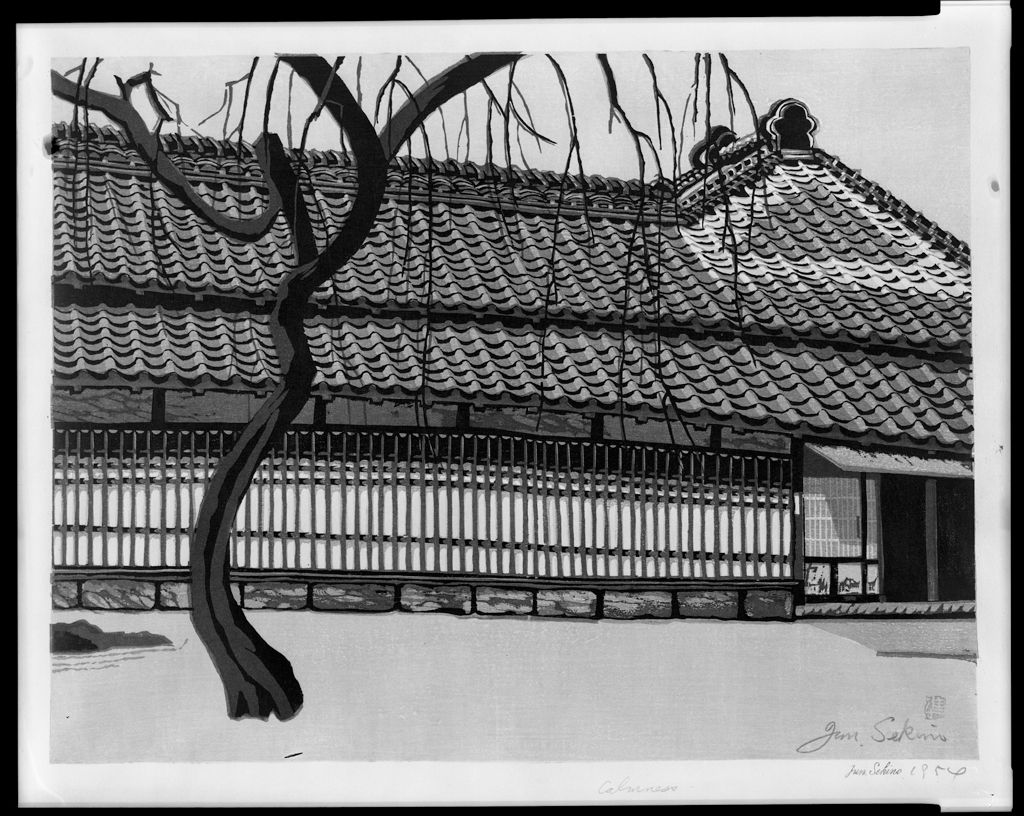
Calmness
1954
Woodblock print
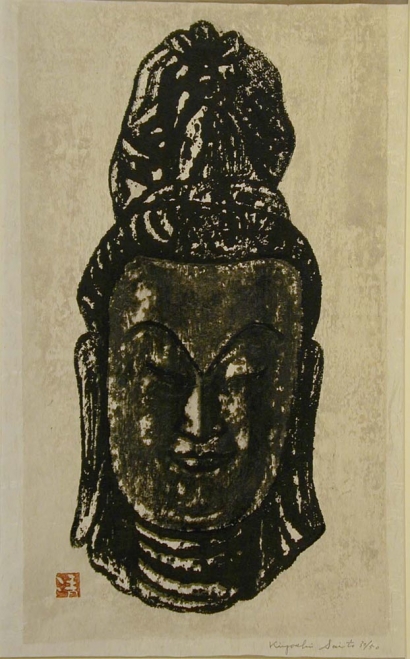
Untitled
Woodblock print

Kitsuneame
Woodblock print

Isumo Mountains
1922
Woodcut print
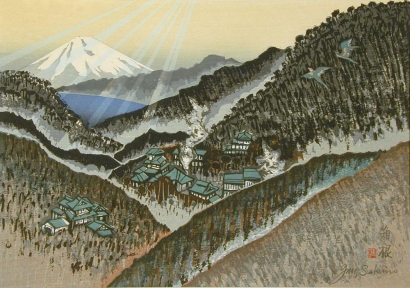
Hakone
Woodblock print
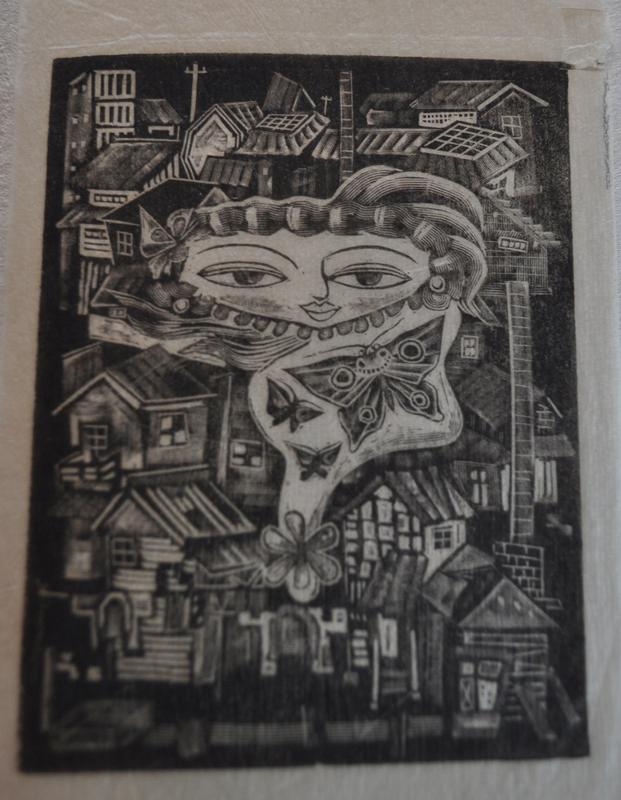
Page from the book Strange Tales of Matasaburō
1952
Ink on paper

Yabakei
1918
Woodblock print, ink and color on paper with mica

Rokko Mountains, Kobe
20th century
Color woodblock print
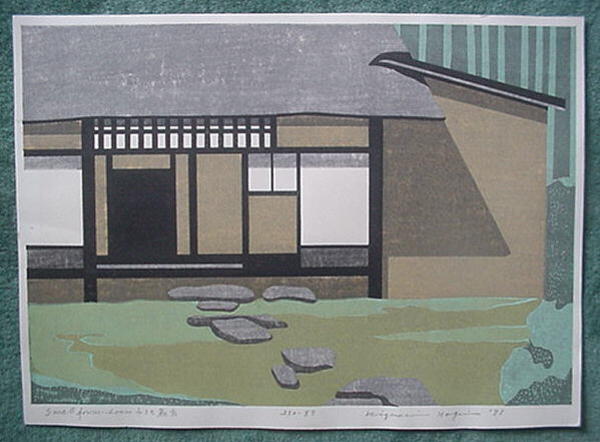
Small Farm-House
Woodblock print
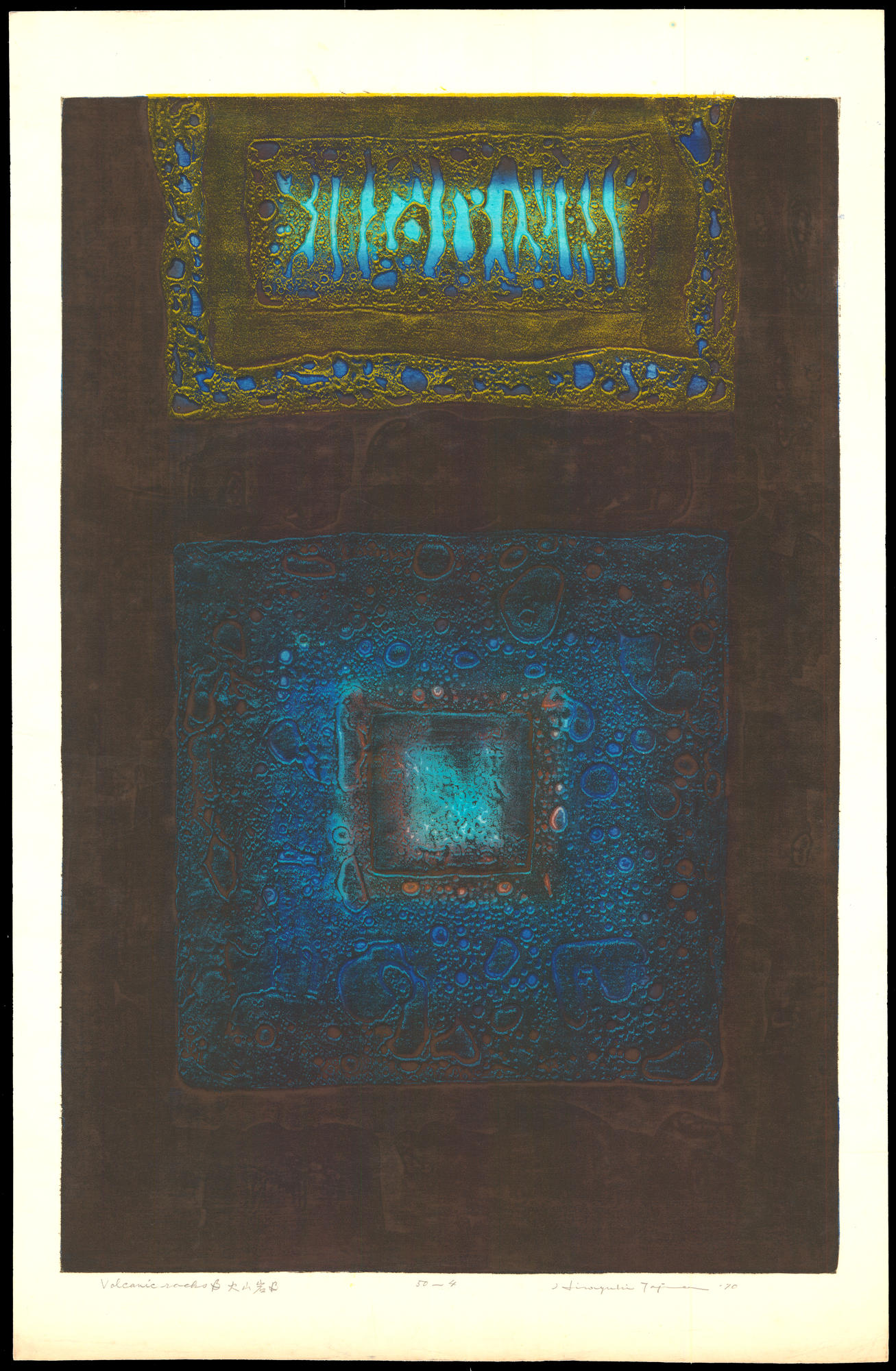
Volcanic Rocks B - 火山岩B
Woodblock print
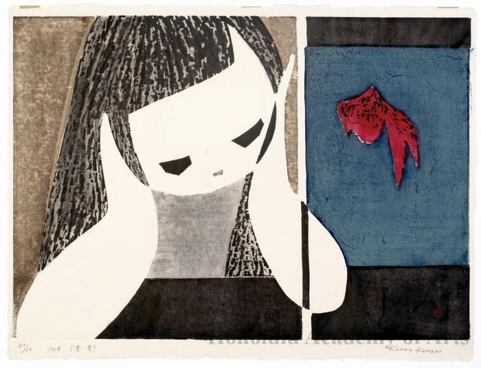
Honolulu
Woodblock print
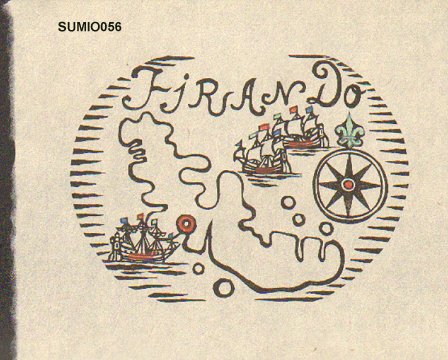
Hirado Island (FIRANDO)
Woodblock print

Low Tide at Susaki - A Set of Five (Shiohi goban no uchi)
c. 1828-30
Color woodblock prints; shikishiban pentaptych, surimono
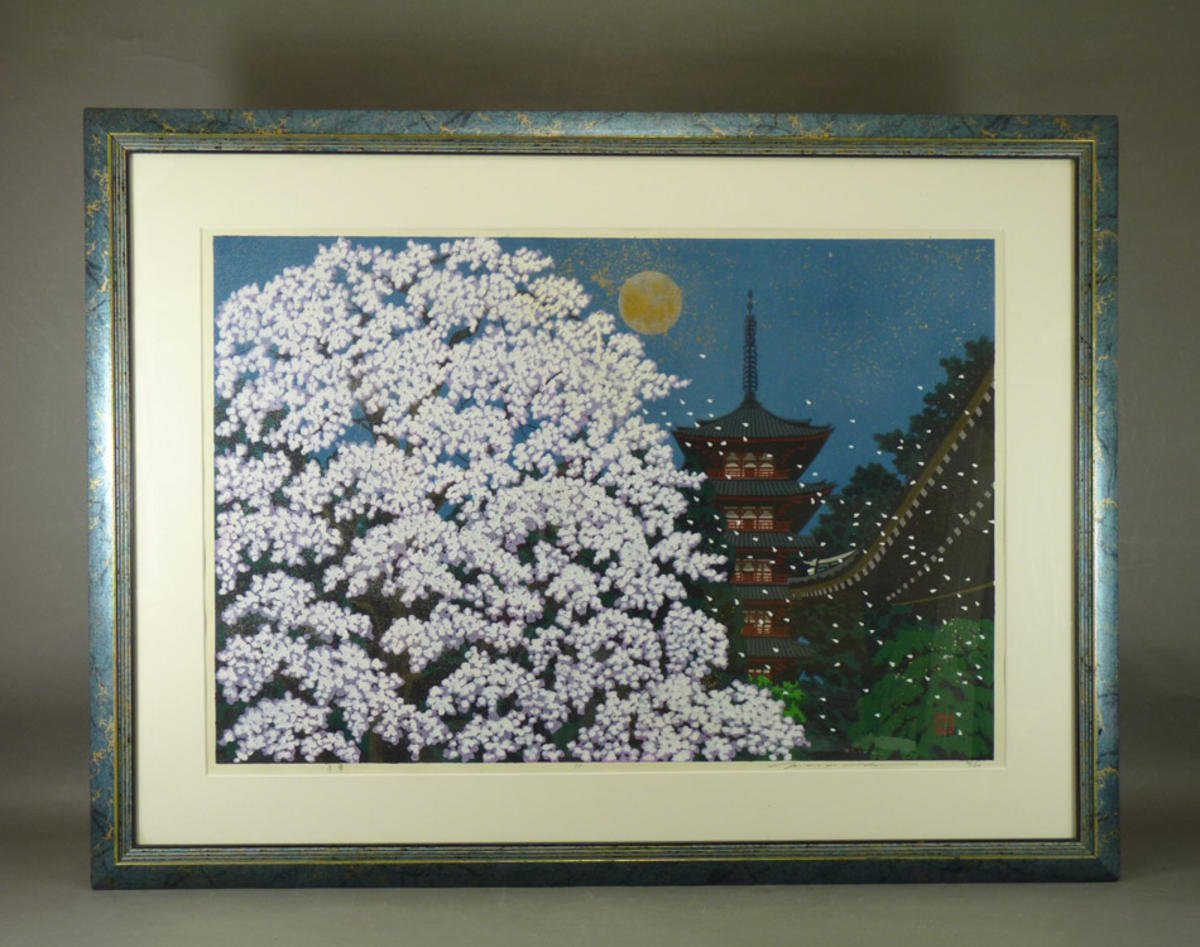
Untitled (ido-masao)
Woodblock print

South Izu Peninsula
1970
Woodblock print
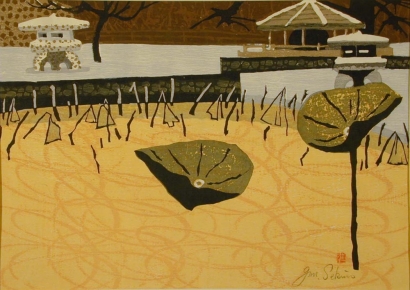
Nissaka
Woodblock print
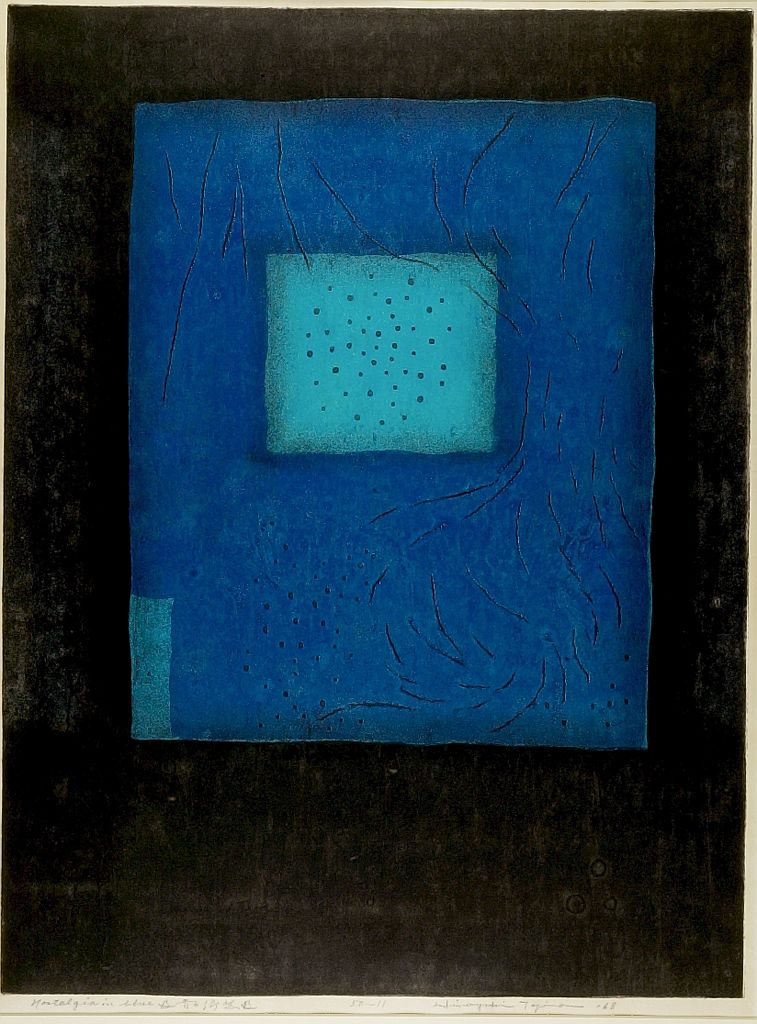
Nostalgia in Blue, Shôwa period, dated 1968
Woodblock print
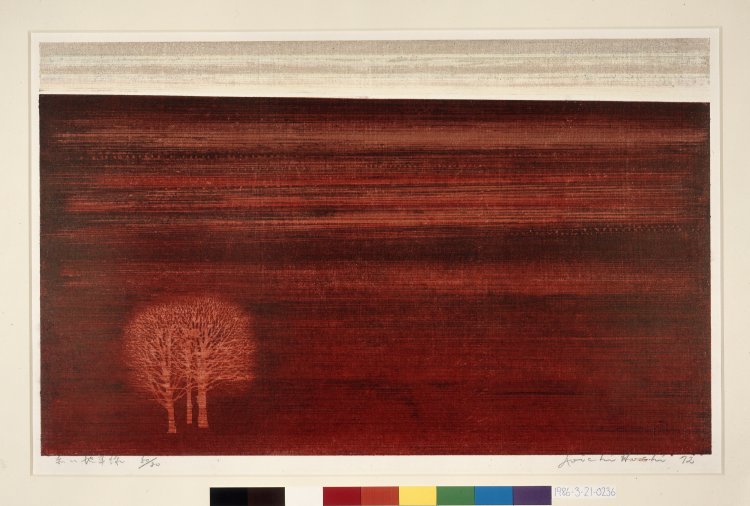
Akai chiheisen (Red Horizon)
Woodblock print
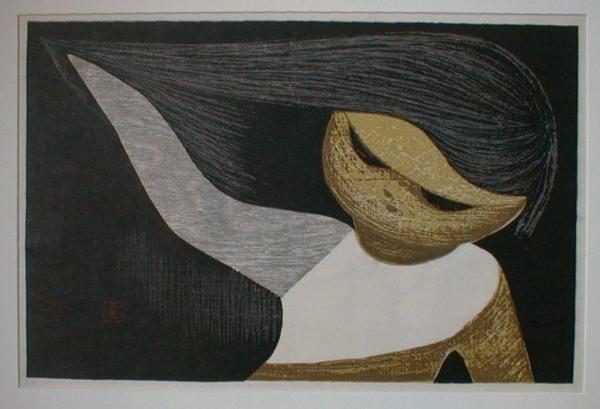
Gentle Breeze- oban
Woodblock print
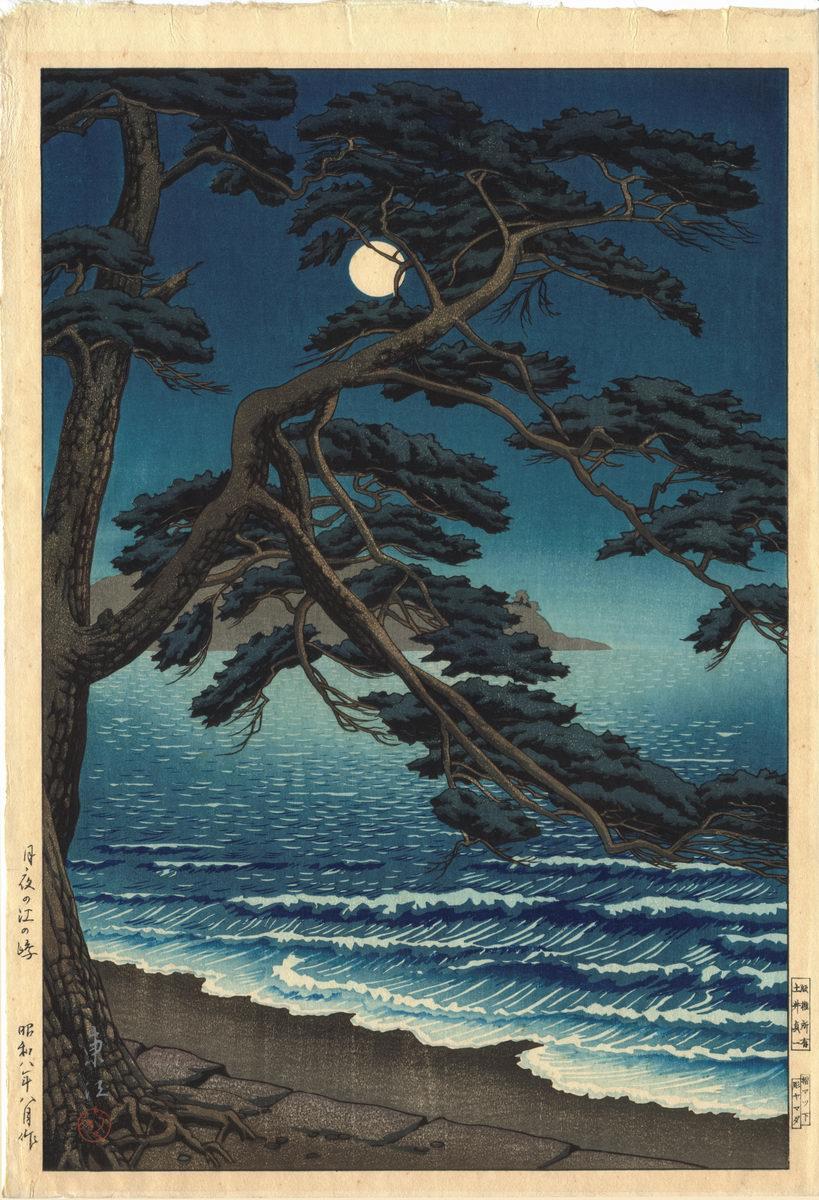
Untitled (ishiwata-koitsu)
Woodblock print
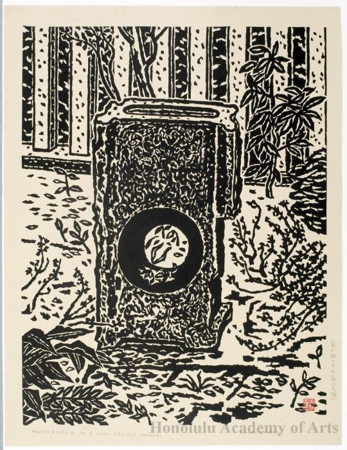
Whose a Sleeve of a Wash Trough, Iwakuni
Woodblock print
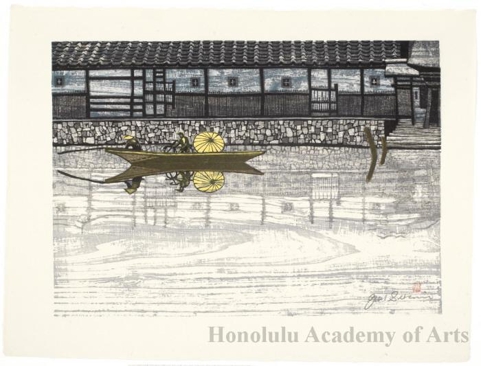
Mitsuke: Stone Embankment Along theRiver
Woodblock print
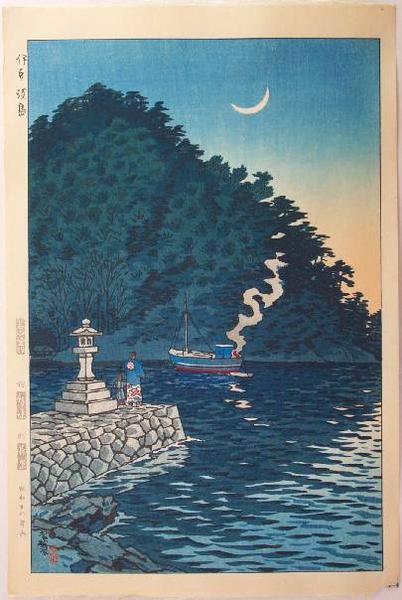
Awashima Island, Izu- Somejima
Woodblock print
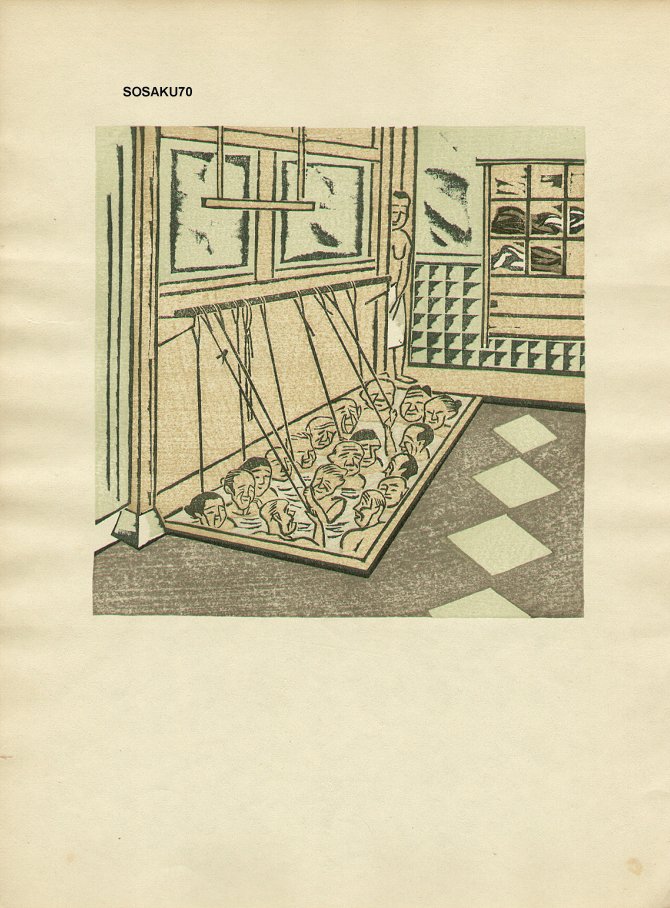
Itamuro
Woodblock print

Ōmori, from the series Famous Places in the Eastern Capital
early 1830s
Color woodblock print

Ichinotani
20th century
Woodblock print
An Etude on Woods (No.1)
Woodblock print
Mitsuke
Woodblock print
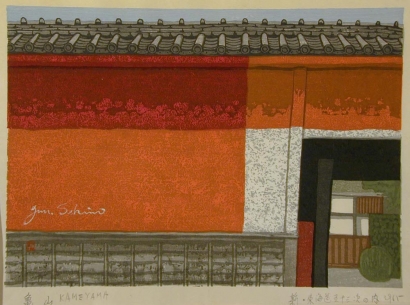
Kameyama
Woodblock print
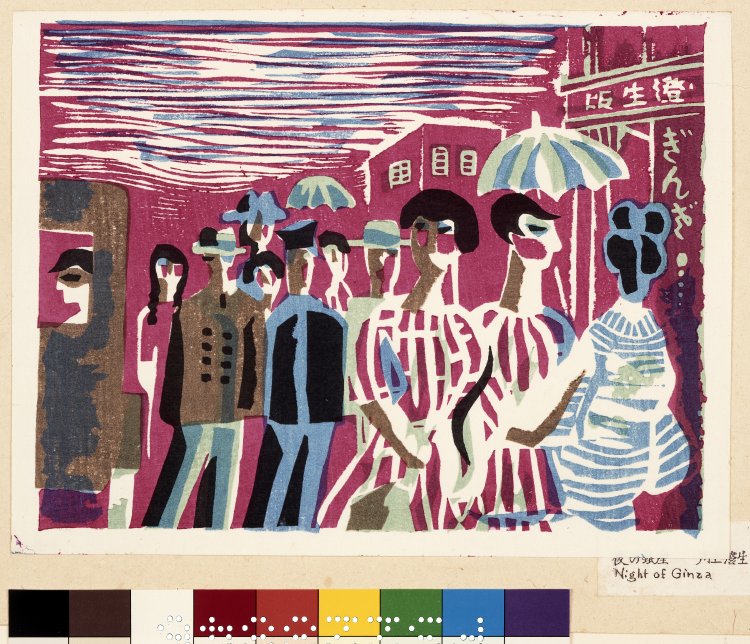
Scenes of Last Tokyo
Woodblock print
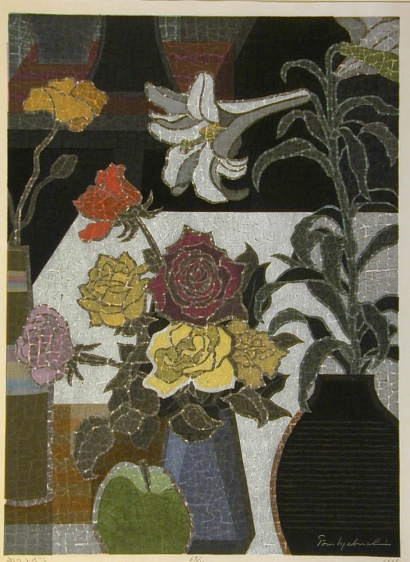
Untitled (toru-mabuchi)
Woodblock print

Shinagawa
Woodblock print
Stone Observatory in Kiyonju
Woodblock print

Fujikawa: Farmhouses
Woodblock print
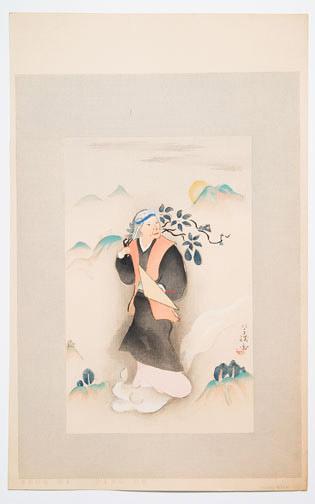
Print 1
Woodblock print
Related Subjects
Frequently Asked Questions
Landscapes are the most celebrated subject in Japanese woodblock printmaking, encompassing mountain vistas, coastal panoramas, river valleys, and rural scenes that have defined the genre for centuries. The tradition reached its first peak with Hokusai's "Thirty-six Views of Mount Fuji" (1831) and Hiroshige's "Fifty-three Stations of the Tokaido" (1833-34), series that established the meisho-e (famous places) format as a cornerstone of ukiyo-e.
Utagawa Hiroshige, Kawase Hasui, and Hiroshi Yoshida are among the artists most associated with landscapes in our collection. Browse the full list of artists who explored this subject above.
Hanga currently catalogues 3812 prints tagged with landscapes, spanning ukiyo-e, shin-hanga, and sōsaku-hanga traditions where applicable.