Landscapes Prints (3812)
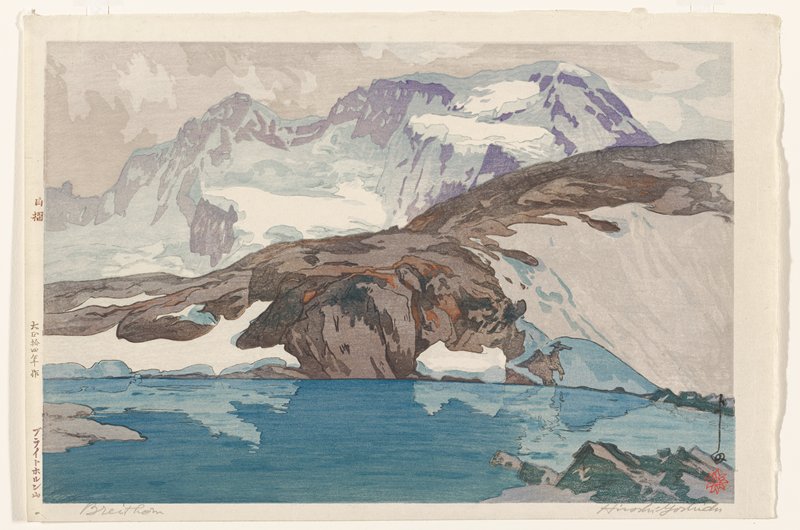
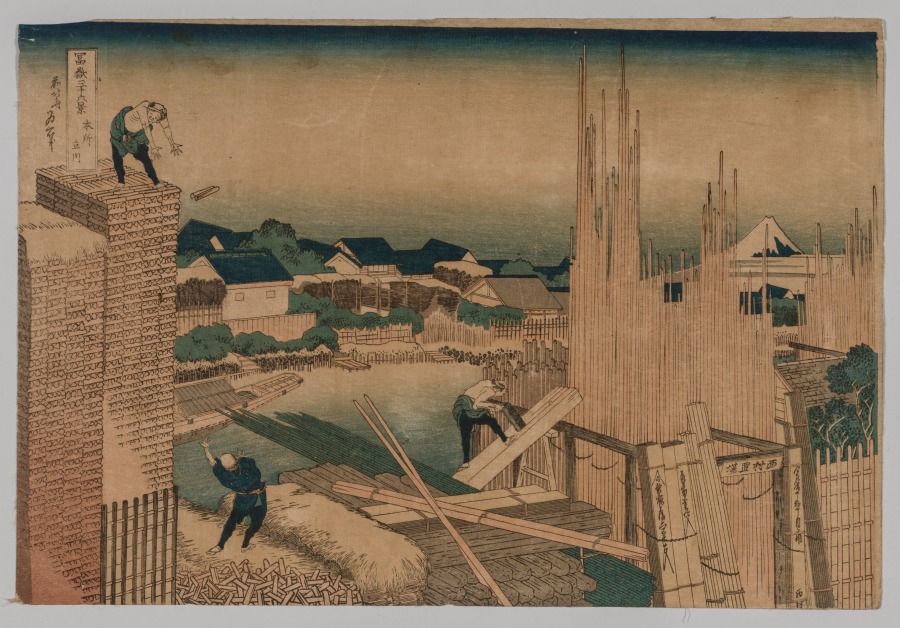
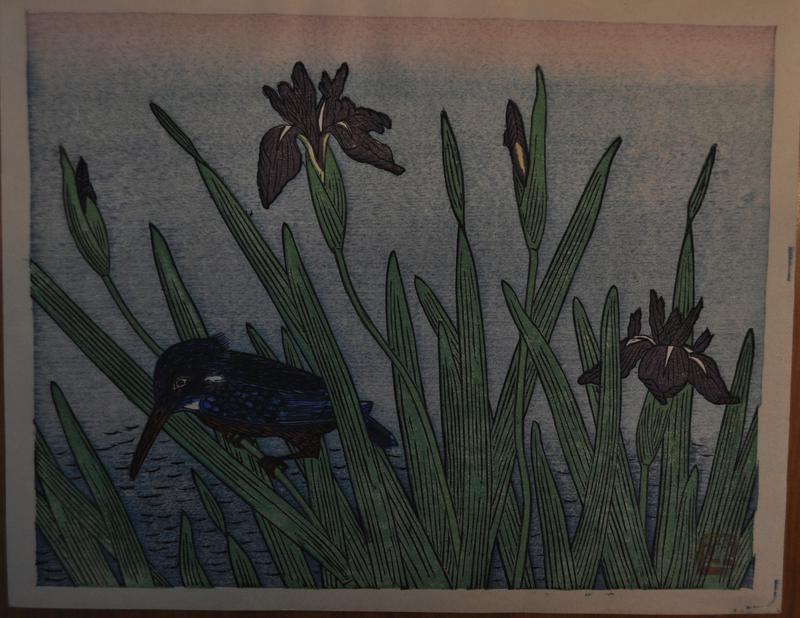
Landscapes are the most celebrated subject in Japanese woodblock printmaking, encompassing mountain vistas, coastal panoramas, river valleys, and rural scenes that have defined the genre for centuries. The tradition reached its first peak with Hokusai's "Thirty-six Views of Mount Fuji" (1831) and Hiroshige's "Fifty-three Stations of the Tokaido" (1833-34), series that established the meisho-e (famous places) format as a cornerstone of ukiyo-e. Shin-hanga artists of the early twentieth century, particularly Kawase Hasui and Hiroshi Yoshida, reinvented the landscape tradition by combining Western atmospheric effects with Japanese compositional sensibilities. Hasui's snow scenes and twilight views of rural Japan became iconic, while Yoshida's mountain studies introduced plein-air observation techniques unprecedented in woodblock printing. Sosaku-hanga artists like Toshi Yoshida and Shiro Kasamatsu further expanded the landscape vocabulary through personal expression and experimental color palettes. Japanese landscape prints typically emphasize seasonal atmosphere, weather conditions, and the interplay between human presence and natural grandeur. The use of bokashi (graduated color) and multiple impression techniques creates depth and luminosity that distinguish woodblock landscapes from other printmaking traditions.
Artists Known for Landscapes


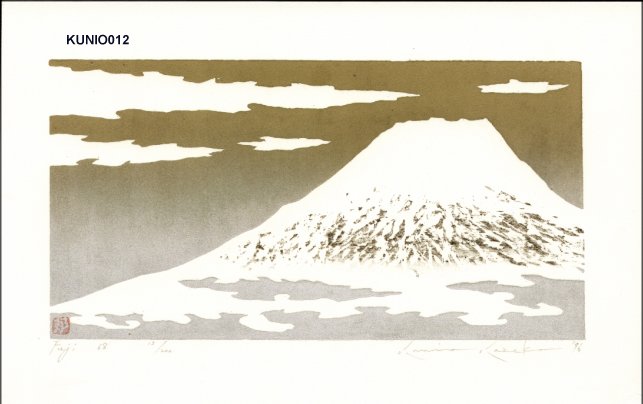
Fuji 68
13/200, 1996
Woodblock print
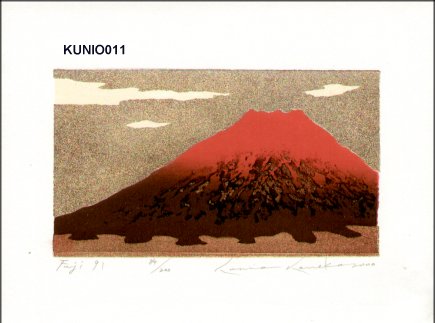
Fuji 91
84/200, 2000
Woodblock print

Fuji 94
117/223, 2003
Woodblock print
A Mountain Path C
Woodblock print
A Mountain Path in Autumn
Woodblock print
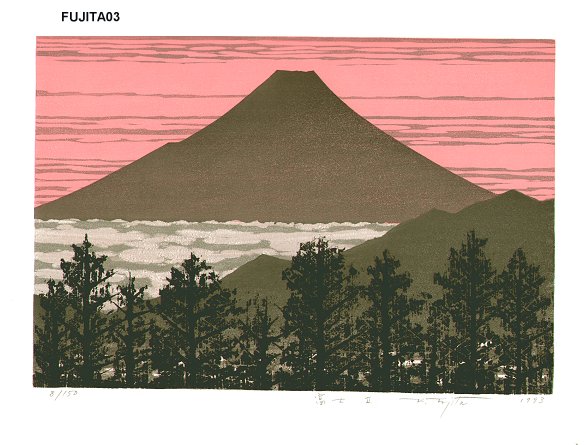
Mt. Fuji 11
Woodblock print
Mt. Fuji D
Woodblock print
YAMANOHARU J (mountain in spring J)
Woodblock print
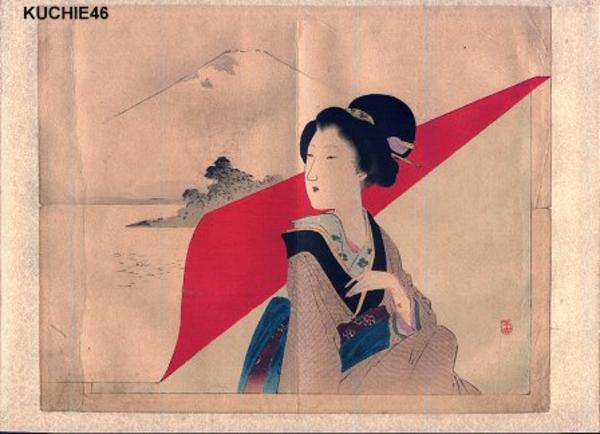
Bijin and Fuji
Woodblock print

Bijin on sea shore
Woodblock print
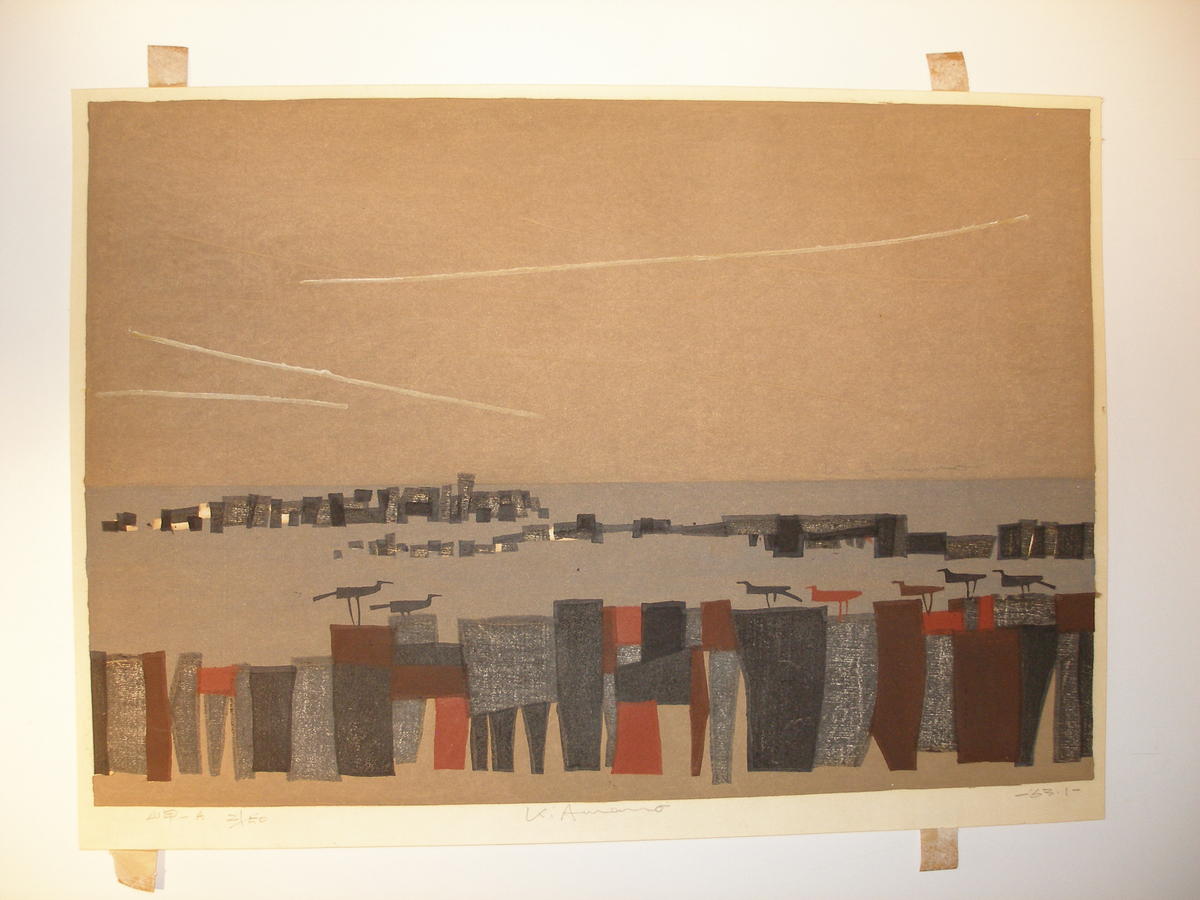
Mountain Kabuto A — 山甲A
Woodblock print

Kegon Waterfall - trial print
Woodblock print

Kegon Waterfall - watercolour
Woodblock print
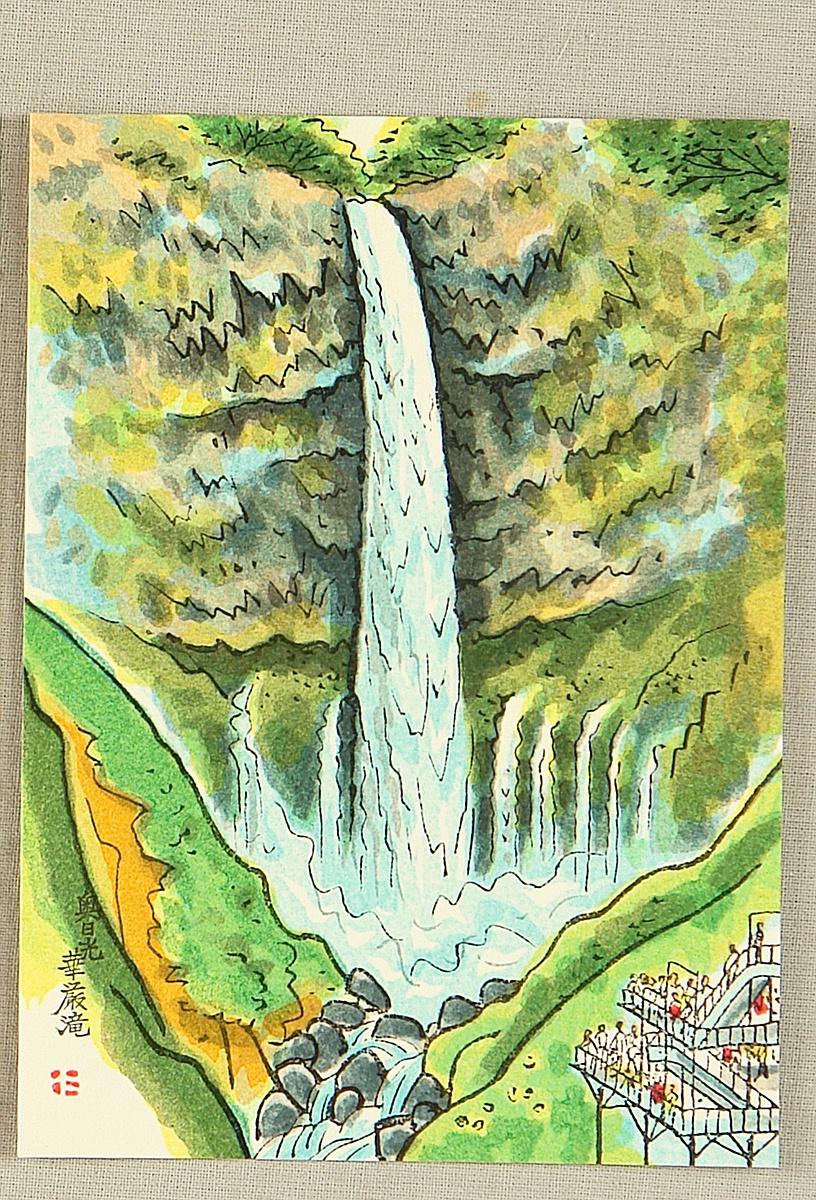
Kegon Waterfall - woodblock
Woodblock print
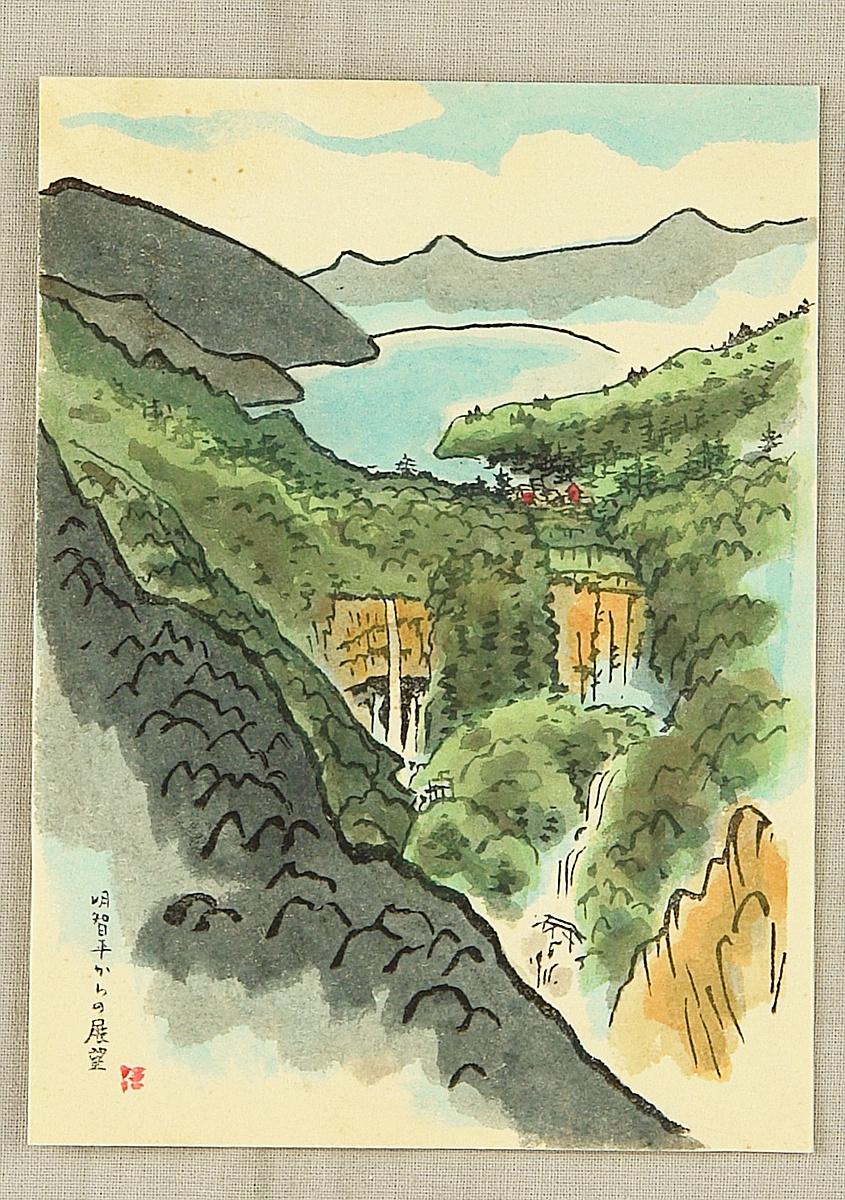
Lake and Waterfalls - trial print
Woodblock print
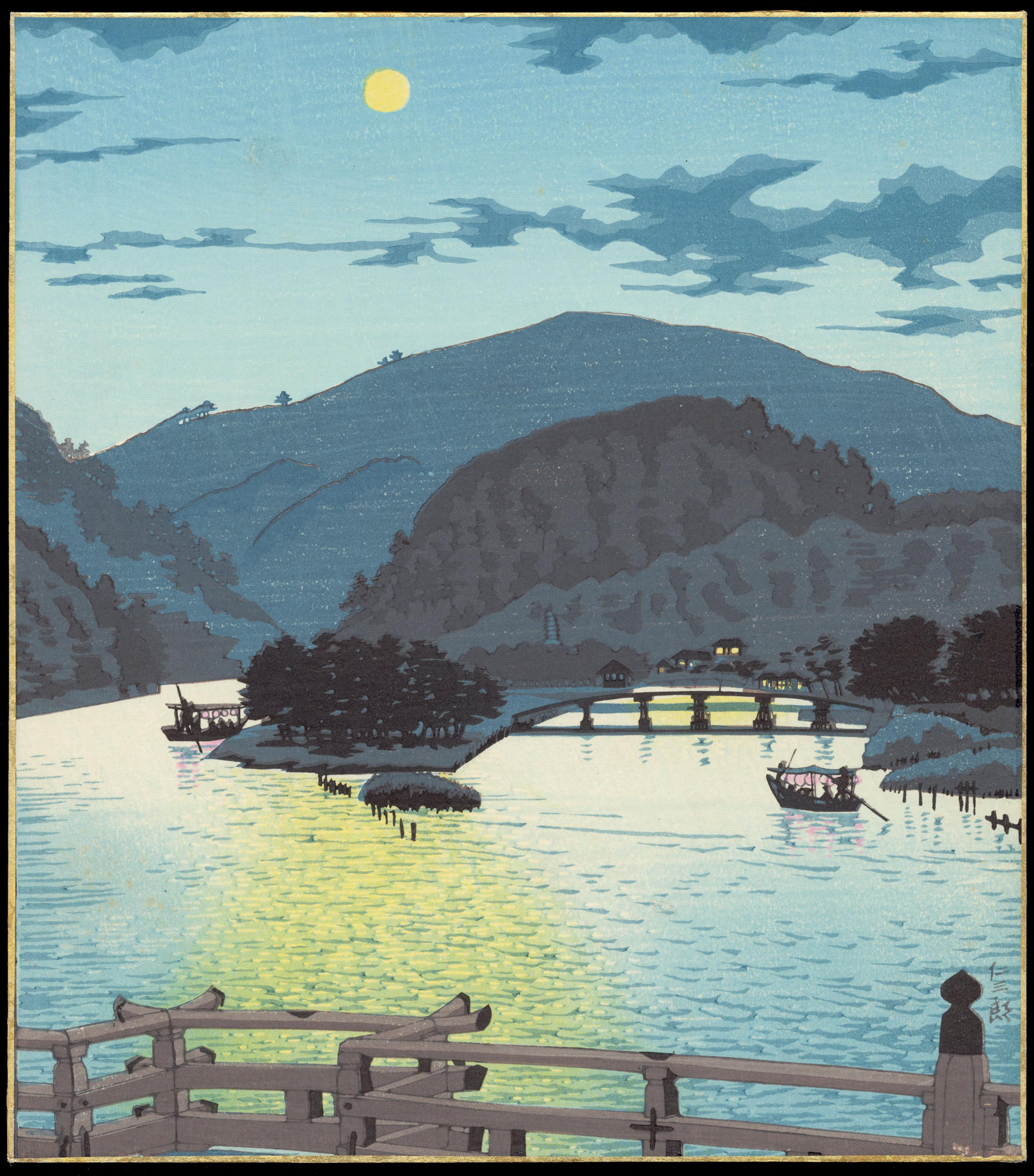
Ujibashi Bridge - 宇治橋
Woodblock print

Bridge in Grez-sur-Loing
1902
Oil on canvas

Peasants Going Home
1887
Oil on canvas

Harvest
1890
Oil on canvas

Washing Place in Grez-sur-Loing
1901
Oil on canvas

The Village of Kotaba
1893
Oil on canvas

Lady Driving a Cow
Oil on canvas
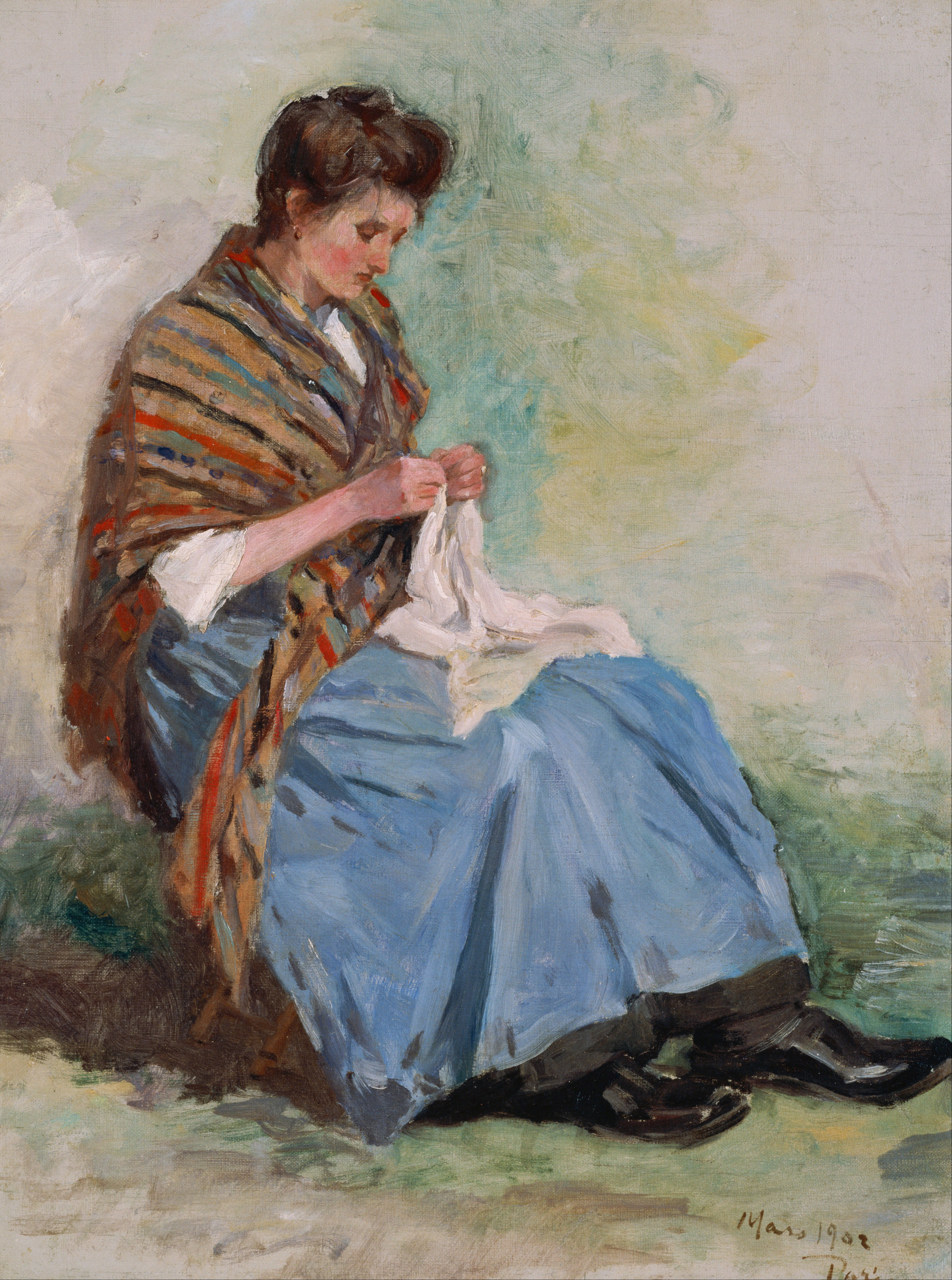
Woman Sewing
1902
Oil on canvas

Spring Ridge
1888
Oil on canvas

Cloud
Oil on canvas

Village near Hachioji
1887
Oil on canvas

Straw-Thatched Roof
Oil on canvas

Oiso: Tora's Rain (Oiso, Tora ga ame), from the series "Fifty-three Stations of the Tokaido Road (Tokaido gojusan tsugi no uchi)," also known as the Hoeido Tokaido
c. 1833/34
Color woodblock print; oban

Miya: Religious Festival at Atsuta Shrine (Miya, Atsuta shinji), from the series "Fifty-three Stations of the Tokaido (Tokaido gojusan tsugi no uchi)," also known as the Hoeido Tokaido
c. 1833/34
Color woodblock print; oban

Ishibe: Megawa Village (Ishibe, Megawa no sato), from the series "Fifty-three Stations of the Tokaido (Tokaido gojusan tsugi no uchi)," also known as the Hoeido Tokaido
c. 1833/34
Color woodblock print; oban

Kameyama: Weather Clearing after Snow (Kameyama, yukibare), from the series "Fifty-three Stations of the Tokaido (Tokaido gojusan tsugi no uchi)," also known as the Hoeido Tokaido
c. 1833/34
Color woodblock print; oban

Shōno: Driving Rain (Shōno hakuu), from the series Fifty-three Stations of the Tōkaidō (Tōkaidō gojūsan tsugi no uchi), also known as the First Tōkaidō or Great Tōkaidō
c. 1833-36
Woodblock print (nishiki-e); ink and color on paper

Yakedake in Kamikôchi
Woodblock print
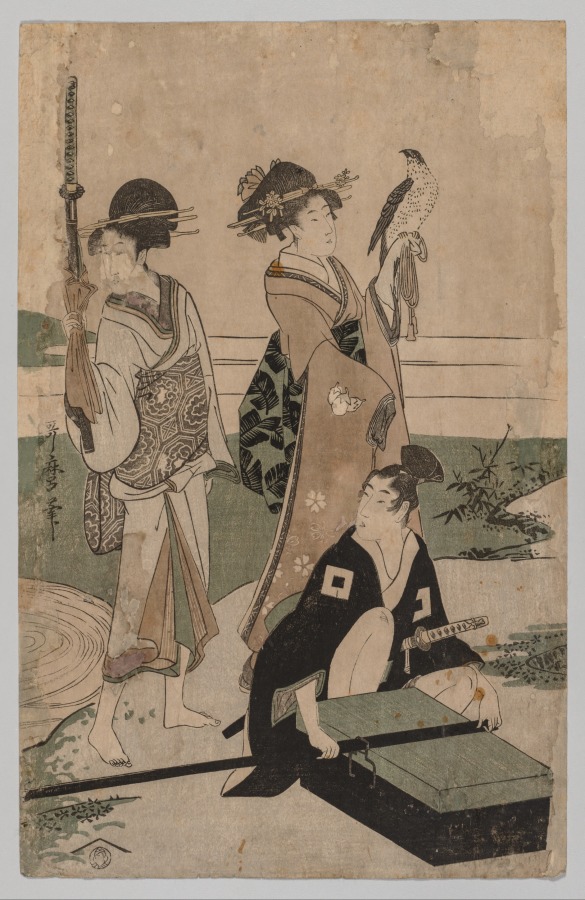
Daimyō and his Retinue Crossing a Stream in Plain Near Fuji
1753–1806
color woodblock print

Kiso River
1927
Woodblock print, ink and color on paper

Funatsu
1928
Woodblock print, ink and color on silk

Gion Shrine
1935
Woodblock print, ink and color on paper

A Woman and a Boy at Shrine
1804
Color woodblock print; surimono

Two Soldiers Beating Drums
about 1810s
Color woodblock print with metallic pigments; surimono

Santai gafu (Album of Drawings in Three Ways), complete in 1 vol.
c. 1816
Book; woodblock printed

Moonlight over Lake Kamo, Sado
August 16, 1921
Woodblock print, ink and color on paper

Early Summer Rain, Arakawa River
June 1932
Woodblock print, ink and color on paper

Morning in Dotonbori, Osaka (Osaka Dotonbori no asa), from the series "Collection of Views of Japan II, Kansai Edition (Nihon fukei shu II Kansai hen)"
1933
Color woodblock print; oban

Setakamui Rock, Shiribeshi, from the series "Collection of Scenic Views of Japan, Eastern Japan Edition" (Nihon fukei shu higashi Nihon hen, Shiribeshi Setakamuiiwa)
May 1933
Color woodblock print

Shinkawabata at Handa, Owari Province (Bishu Handa Shinkawabata), from the series "Selection of Views of the Tokaido (Tokaido fukei senshu)"
1935
Color woodblock print; oban

Twilight Moon at the Ryogoku Bridge (Ryogoku no yoizuki), from the series "Famous Views of the Eastern Capital (Toto Meisho)"
c. 1831
Color woodblock print; oban

Rain at Nihonbashi Bridge (Nihonbashi no hakuu), from the series "Famous Places in the Eastern Capital (Toto meisho)"
c. 1832/38
Color woodblock print; oban

A Wild Duck Swimming by a Snow-covered Bank beneath Snow-laden Reeds
1830s
Color woodblock print; ōtanzaku

Misty Moonlight on the Shore at Tsukuda Island (Tsukudajima kaihen oborozuki), from the series "Famous Places in the Eastern Capital (Toto meisho)"
c. 1835/38
Color woodblock print; chutanzaku

Morning Glories, Pinks, and Maiden Flower, from the series "Seven Autumn Flowers in Moonlight"
1830/44
Color woodblock print; uchiwa-e

Goyu, from the series "Fifty-three Stations of the Tokaido (Tokaido gojusan tsugi)," also known as the Tokaido with Poem (Kyoka iri Tokaido)
c. 1837/42
Color woodblock print; chuban

Ejiri, from the series "Fifty-three Stations of the Tokaido (Tokaido gojusan tsugi)," also known as the Tokaido with Poem (Kyoka iri Tokaido)
c. 1837/42
Color woodblock print; chuban

Visiting Oji Inari Shrine
1801/05
Color woodblock print; nagaban, surimono

Nagare Pleasure Quarter, Kanazawa (Kanazawa Nagare no kuruwa), from the series Souvenirs of Travel, First Series (Tabi miyage dai isshū)
1920
Color woodblock print
Old Rakan Temple, Yabakei, Bungo Province (Bungo Yabakei Ko Rakan-ji), from the series Famous Sights of Japan (Nihon meishō zue)
1897 (Meiji 30)
Woodblock print (nishiki-e); ink and color on paper

Badger, from the series "Mirror of Stone Rubbings of Views of the Provinces" (Kohon meihitsu ishizuri kagami)
n.d.
Woodblock print; ishizuri-e, harimaze

The Compound of the Tenman Shrine at Kameido in the Snow (Kameido Tenmangu keidai no yuki), from the series "Famous Places in the Eastern Capital (Toto meisho)"
c. 1832/38
Color woodblock print; oban

Mishima: Morning Mist (Mishima, asagiri), from the series "Fifty-three Stations of the Tokaido Road (Tokaido gojusan tsugi no uchi)," also known as the Hoeido Tokaido
c. 1833/34
Color woodblock print; oban

Hamamatsu: Winter Scene (Hamamatsu, fuyugare no zu), from the series "Fifty-three Stations of the Tokaido (Tokaido gojusan tsugi no uchi)," also known as the Hoeido Tokaido
c. 1833/34
Color woodblock print; oban

No. 37: Miyanokoshi, from the series "Sixty-nine Stations of the Kisokaido (Kisokaido rokujukyu tsugi no uchi)"
c. 1835/38
Color woodblock print; oban
Related Subjects
Frequently Asked Questions
Landscapes are the most celebrated subject in Japanese woodblock printmaking, encompassing mountain vistas, coastal panoramas, river valleys, and rural scenes that have defined the genre for centuries. The tradition reached its first peak with Hokusai's "Thirty-six Views of Mount Fuji" (1831) and Hiroshige's "Fifty-three Stations of the Tokaido" (1833-34), series that established the meisho-e (famous places) format as a cornerstone of ukiyo-e.
Utagawa Hiroshige, Kawase Hasui, and Hiroshi Yoshida are among the artists most associated with landscapes in our collection. Browse the full list of artists who explored this subject above.
Hanga currently catalogues 3812 prints tagged with landscapes, spanning ukiyo-e, shin-hanga, and sōsaku-hanga traditions where applicable.