Landscapes Prints (3812)
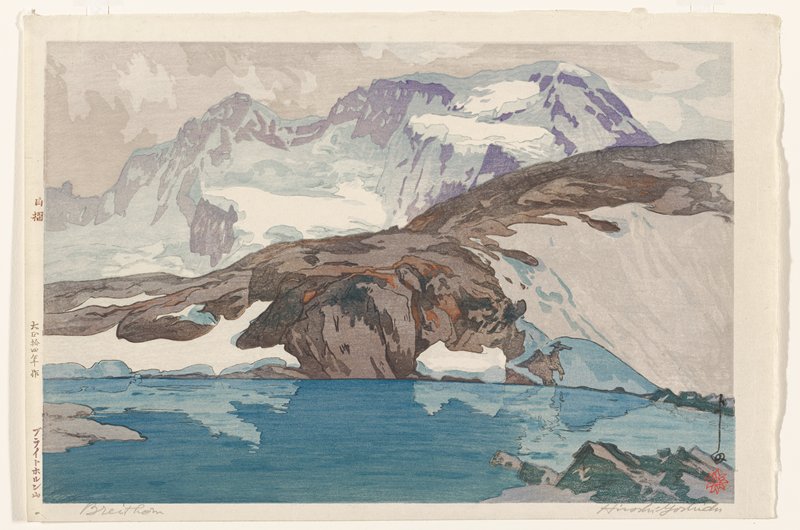
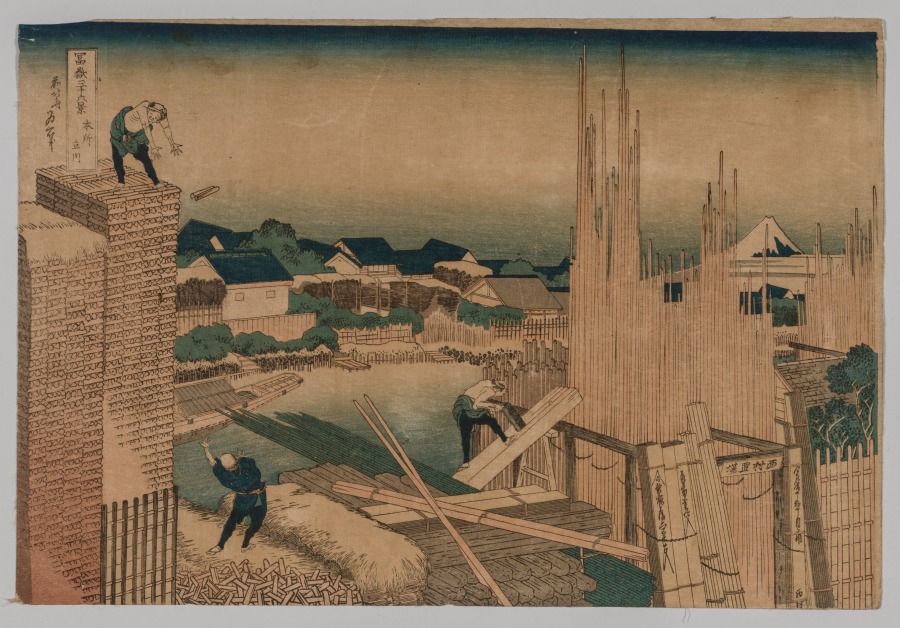
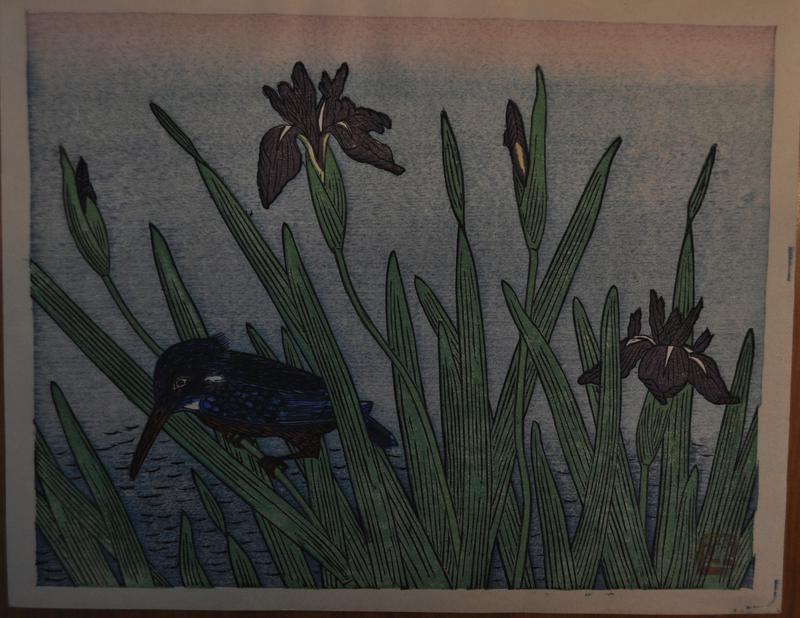
Landscapes are the most celebrated subject in Japanese woodblock printmaking, encompassing mountain vistas, coastal panoramas, river valleys, and rural scenes that have defined the genre for centuries. The tradition reached its first peak with Hokusai's "Thirty-six Views of Mount Fuji" (1831) and Hiroshige's "Fifty-three Stations of the Tokaido" (1833-34), series that established the meisho-e (famous places) format as a cornerstone of ukiyo-e. Shin-hanga artists of the early twentieth century, particularly Kawase Hasui and Hiroshi Yoshida, reinvented the landscape tradition by combining Western atmospheric effects with Japanese compositional sensibilities. Hasui's snow scenes and twilight views of rural Japan became iconic, while Yoshida's mountain studies introduced plein-air observation techniques unprecedented in woodblock printing. Sosaku-hanga artists like Toshi Yoshida and Shiro Kasamatsu further expanded the landscape vocabulary through personal expression and experimental color palettes. Japanese landscape prints typically emphasize seasonal atmosphere, weather conditions, and the interplay between human presence and natural grandeur. The use of bokashi (graduated color) and multiple impression techniques creates depth and luminosity that distinguish woodblock landscapes from other printmaking traditions.
Artists Known for Landscapes


Ryōgoku After the Fire
1881 (Meiji 14)
Woodblock print (nishiki-e); ink and color on paper

Sugawara Michizane in Exile
Feburary 1884
Woodblock print (nishiki-e), ink and color on paper

Hirato Nagasaki (A)
Woodblock print
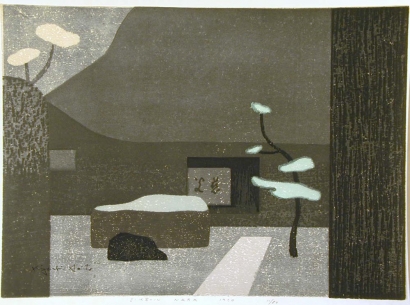
Jiko-in, Nara
Woodblock print

Kozan-Ji, Kyoto (B)
Woodblock print

Indian (C)
Woodblock print
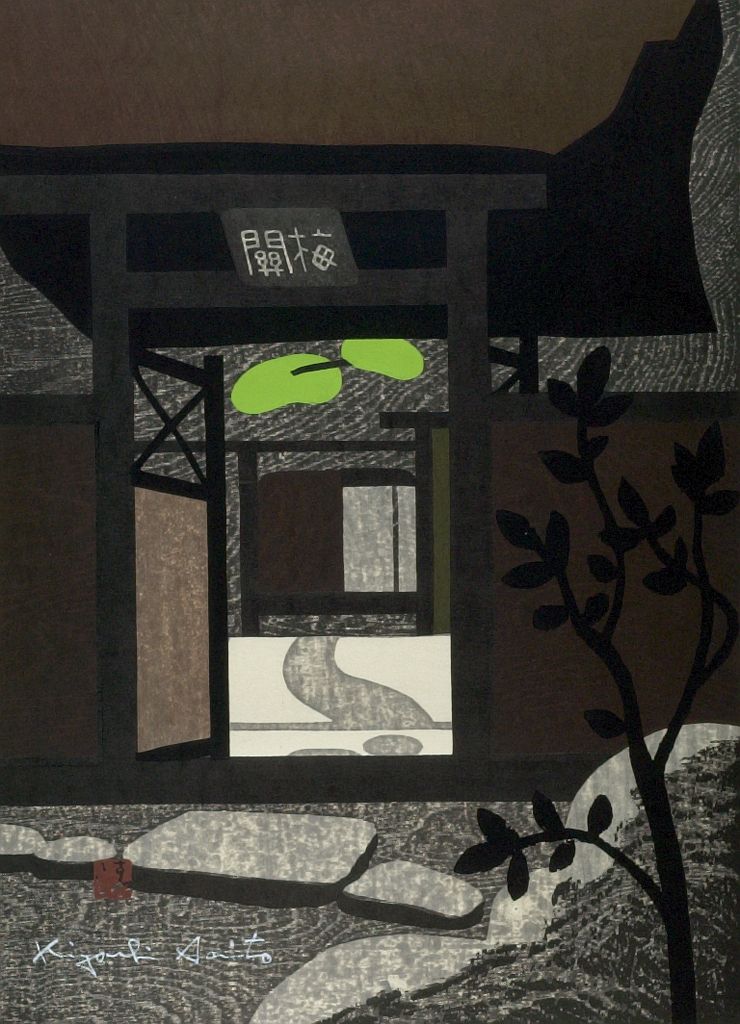
Shisendô, Kyoto C, Shôwa period, dated 1963
Woodblock print

Ascetics' Cave
1937
Woodblock print, ink and color on paper

Honolulu
1955
Woodblock print
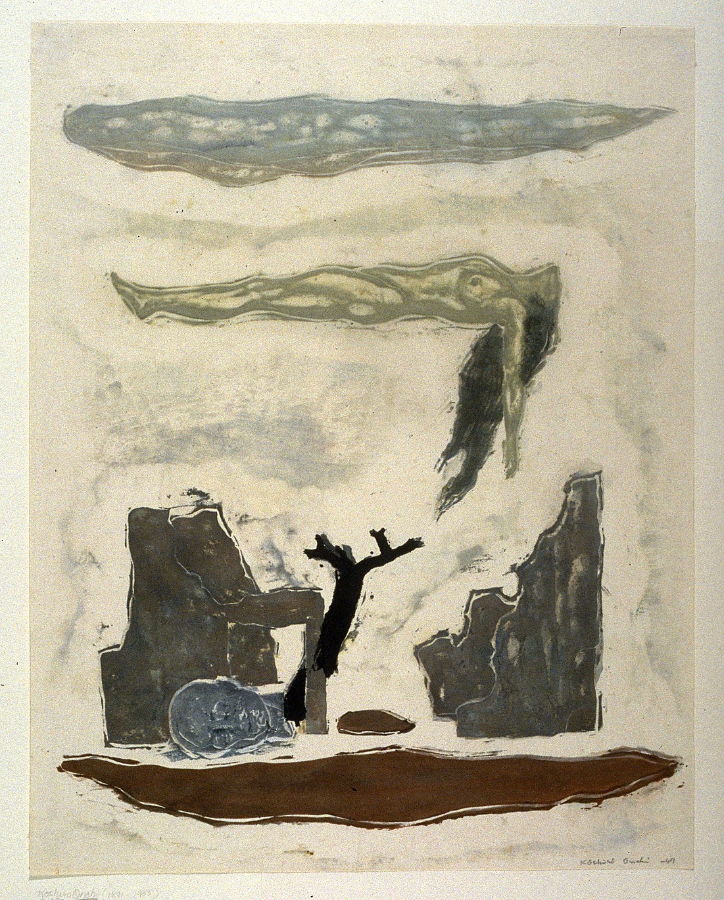
At Ruin: Allegory No.3
Woodblock print
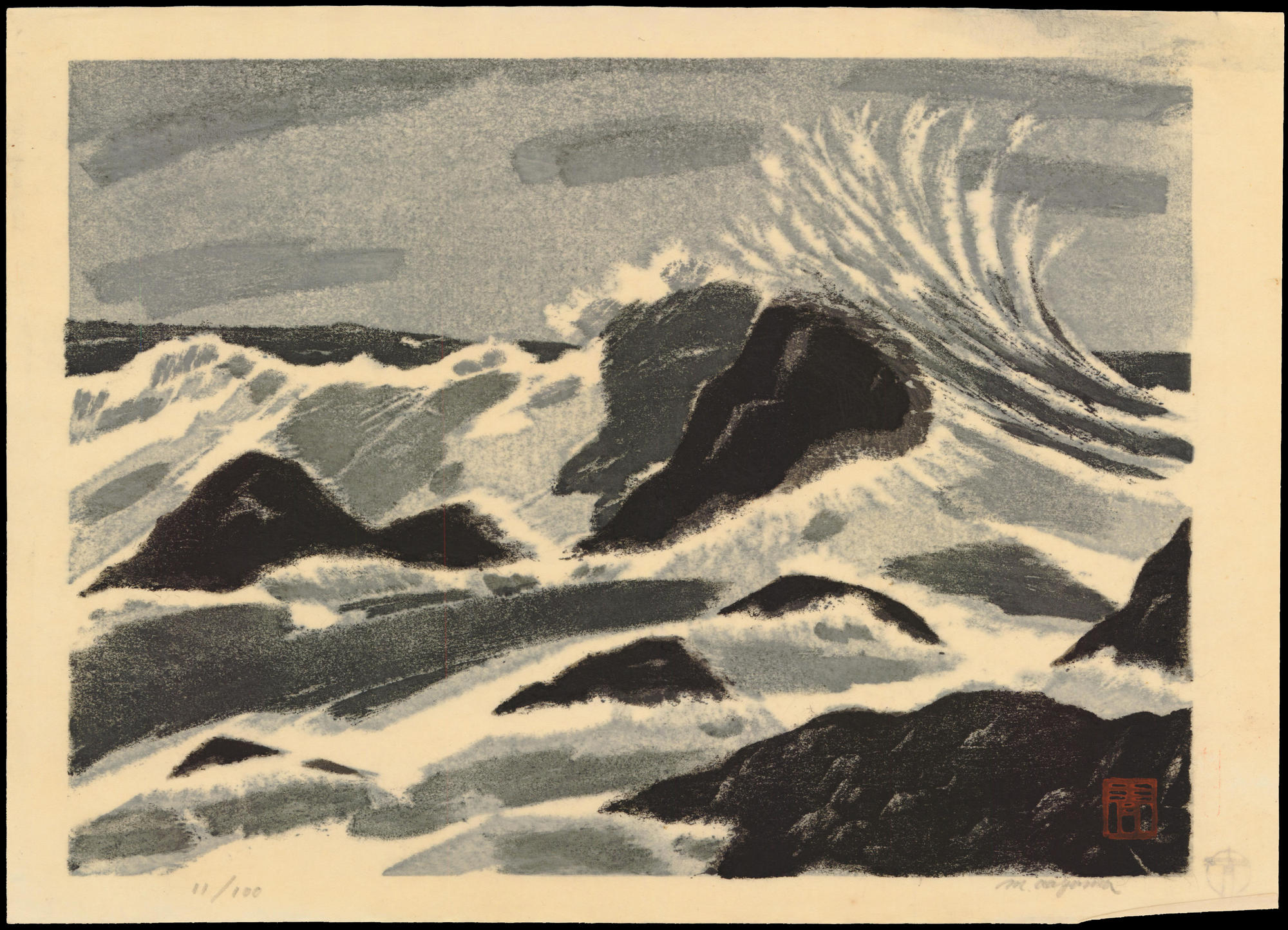
Breaking waves (1)
Woodblock print
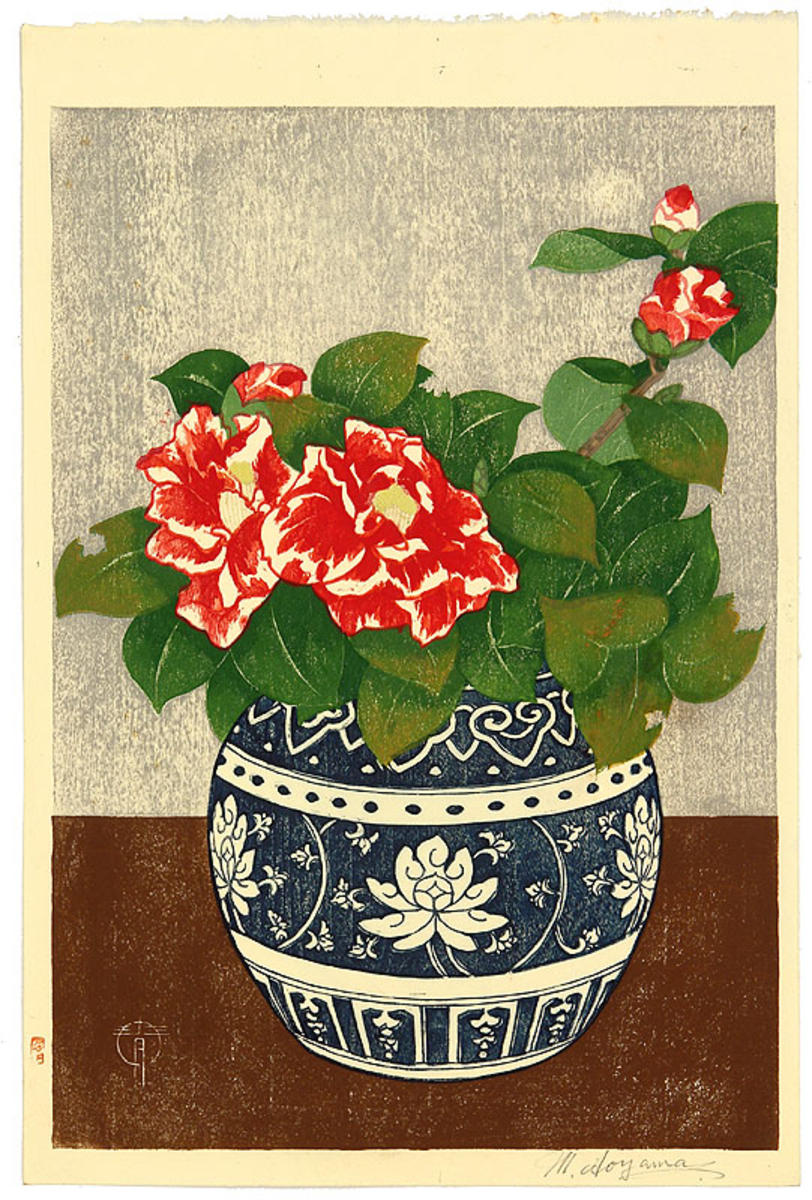
Untitled (aoyama-masaharu)
Woodblock print
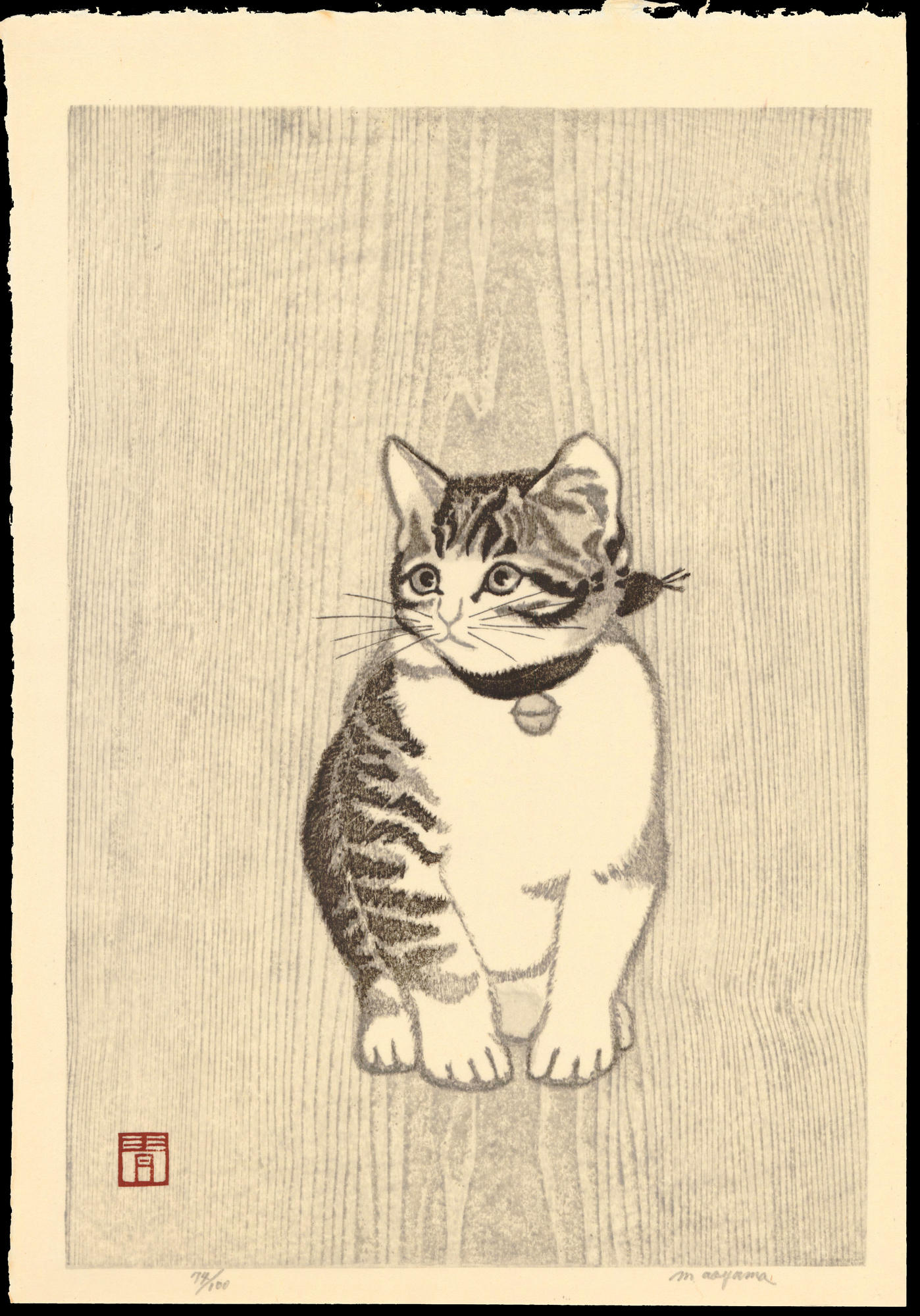
Untitled (aoyama-masaharu)
Woodblock print

Mount Ishizuchi
1936
Color woodblock print
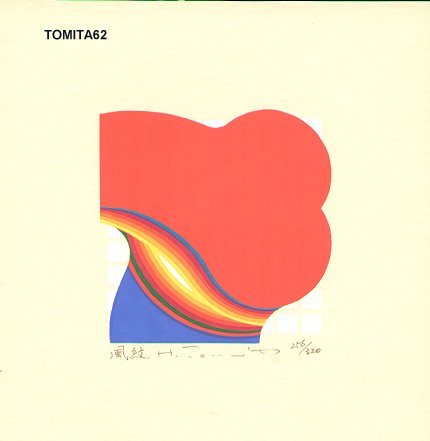
FUMON (wind crest)
Woodblock print
Enoshima, from the series Famous Sights of Japan (Nihon meishō zue)
1896 (Meiji 29)
Woodblock print (nishiki-e); ink and color on paper
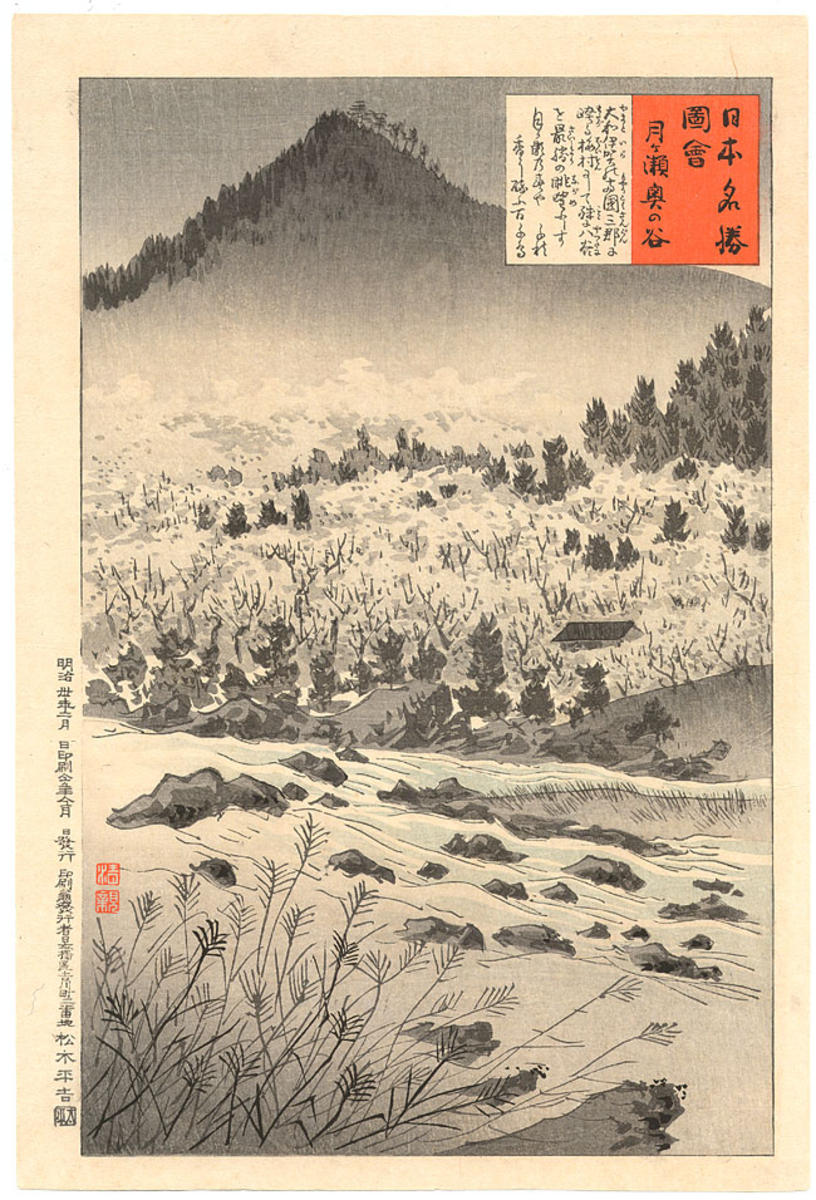
Okunotani at Tsukigase
Woodblock print
The Heroic Fight of Cavalry Scout Captain Asakawa
1895 (Meiji 28)
Woodblock print (nishiki-e) triptych; ink and color on paper
The Fall of Fenghuangcheng, later called Our Elite Forces Capturing the Pescadores Islands in Taiwan
1894 (Meiji 27)
Woodblock print (nishiki-e) triptych; ink and color on paper
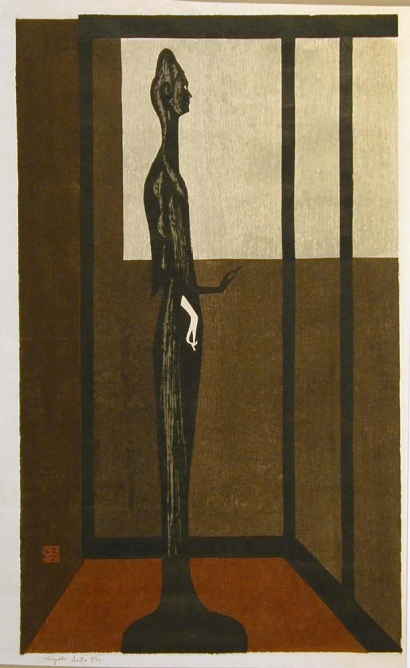
Asuka
Woodblock print

Hokkaidô A (Cows), Shôwa period, dated 1961
Woodblock print

Carrying Water
1963?
Woodblock print, ink and color on paper
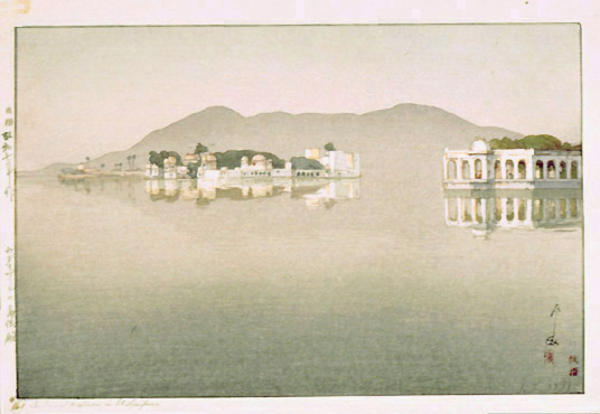
Island Palaces in Udaipur
1932
Woodblock print
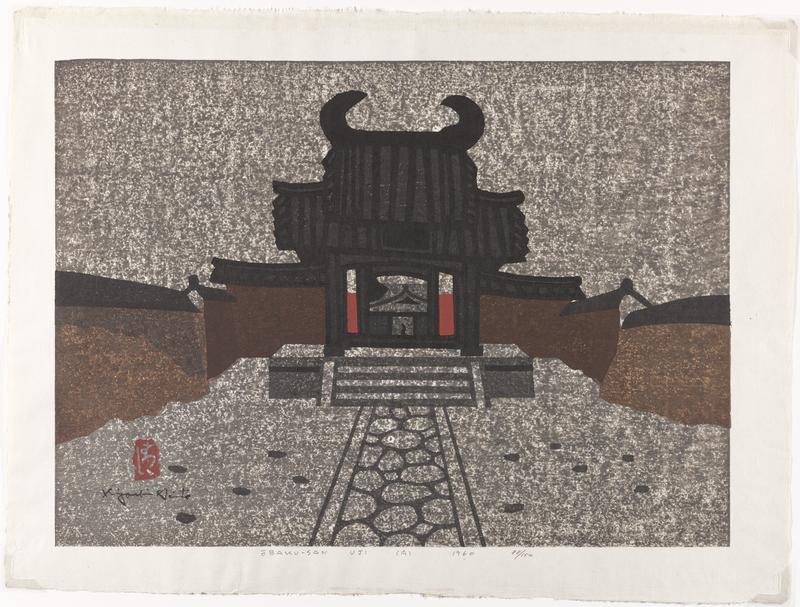
Ōbaku-san, Uji (A)
1960
Woodblock print, ink and color on paper
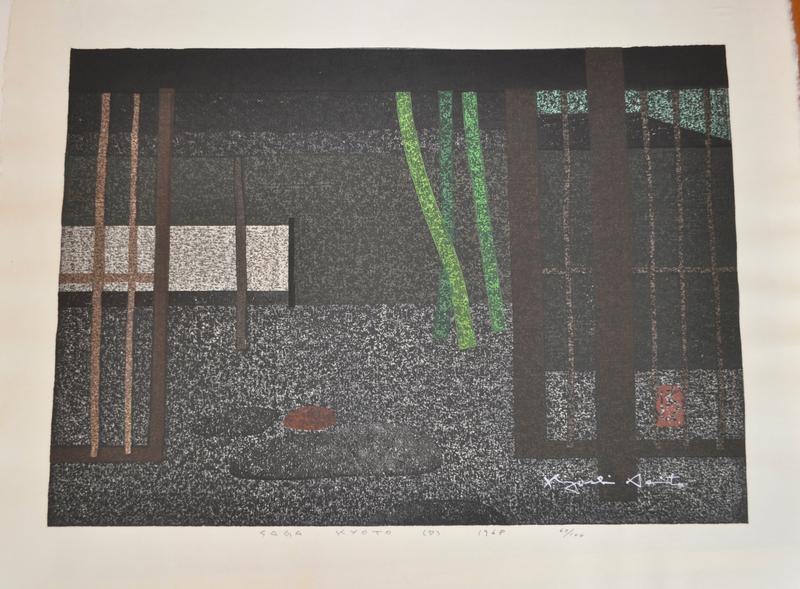
Saga, Kyoto (D)
1968
Woodblock print, ink and color on paper

#27 Considering Tokuyama Village
1996
Etching
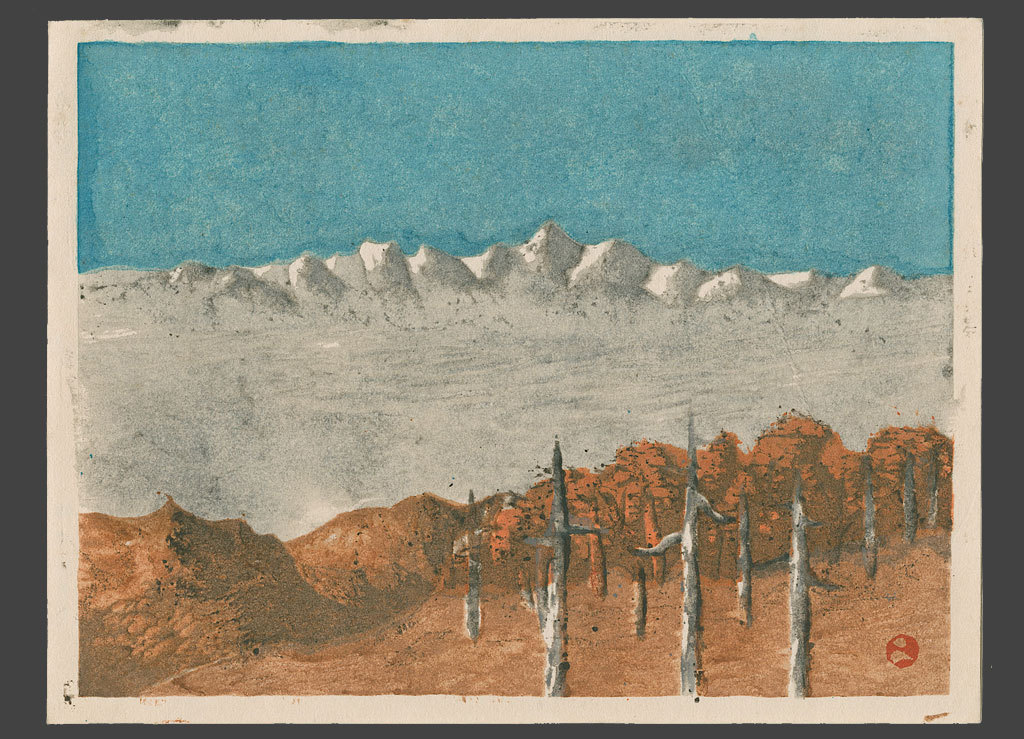
Kamakochi
Woodblock print
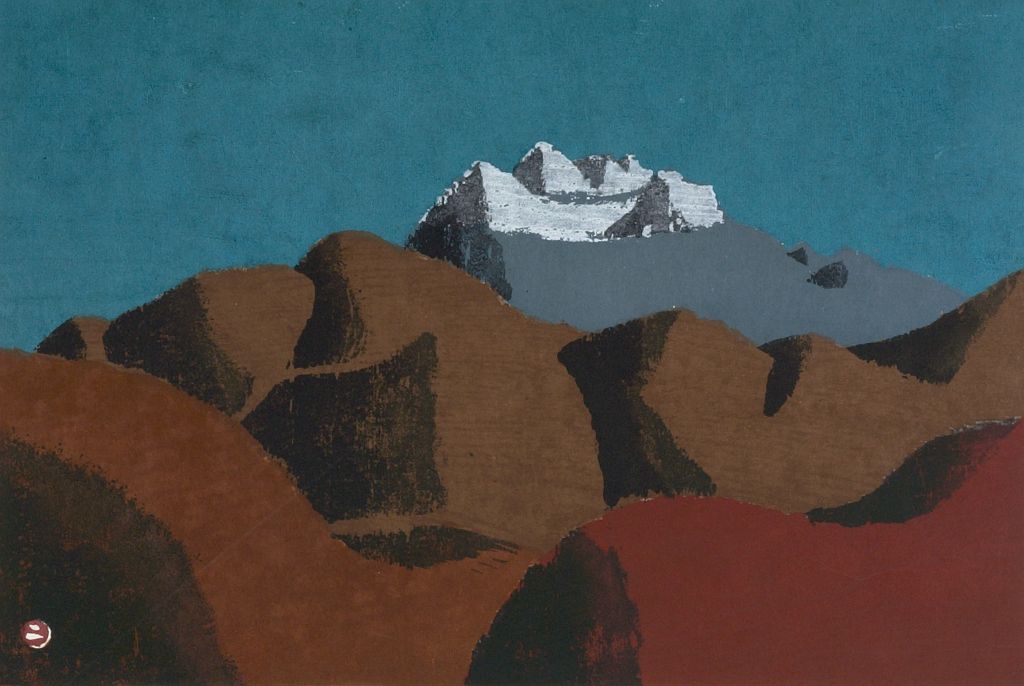
Mount Ishizuchi, Shôwa period, dated 1940
Woodblock print
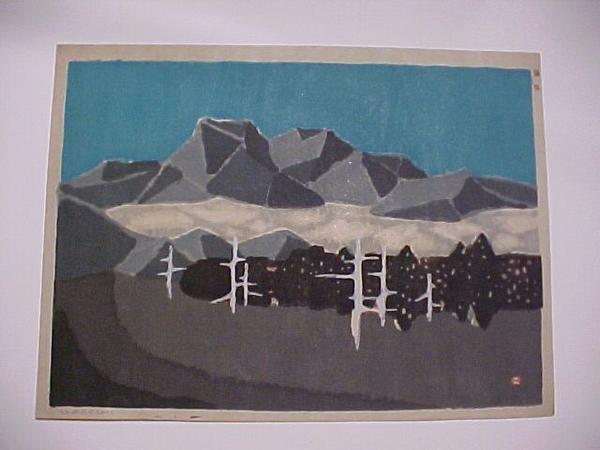
Ishi-Something Mountaion
Woodblock print

The Man Who Climbs Mountains
1957
Color woodblock print; edition 20/50

The Observing Eye
1959
Color woodblock print; edition 4/20
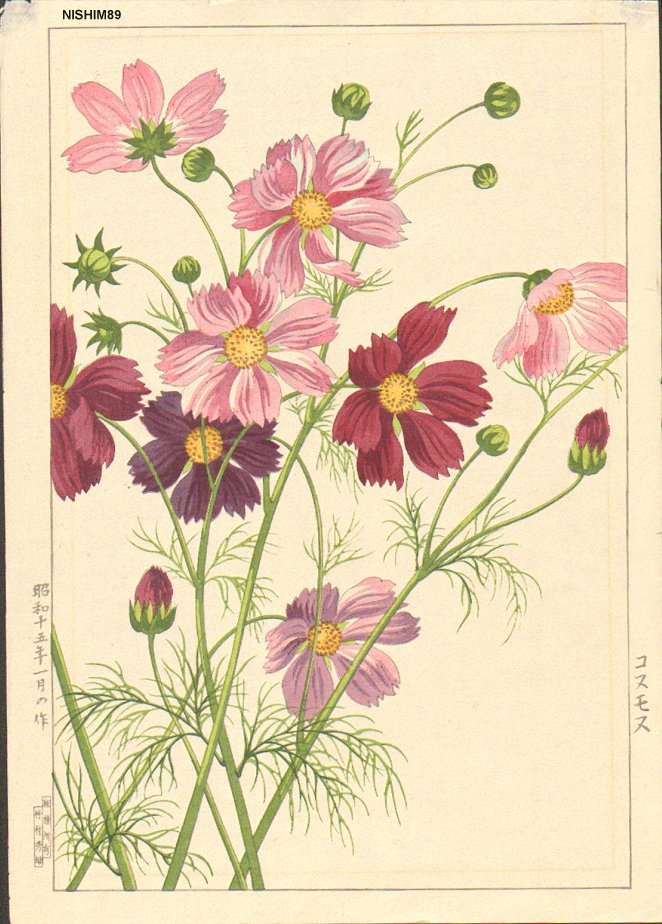
Untitled (hodo-nishimura)
Woodblock print
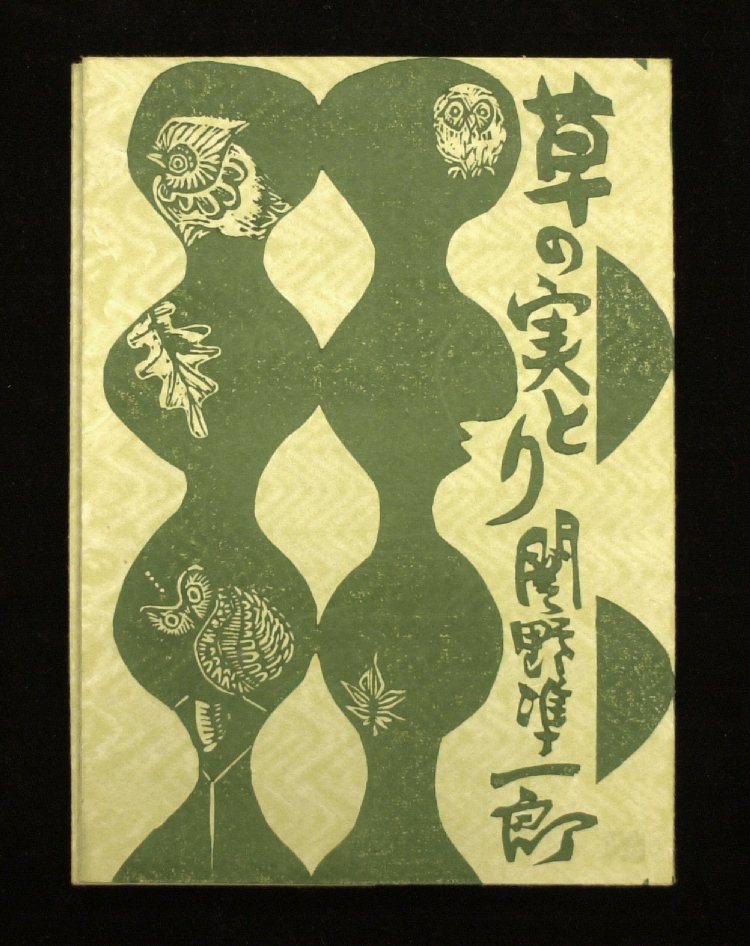
Kusa no mitori
Woodblock print

Boats Moored at Piers
Woodblock print
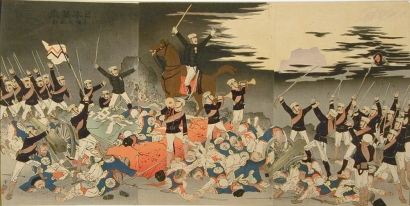
Long Live Japan! Victory song at Pingyang
Woodblock print

Picture of Army General Nozu Commanding the Attack on Haicheng
May 1896
Woodblock print (nishiki-e), ink and color on paper
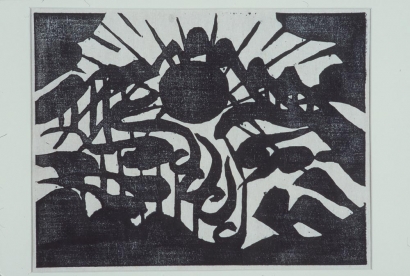
Nichibotsu (Sunset)
1937
Woodblock print
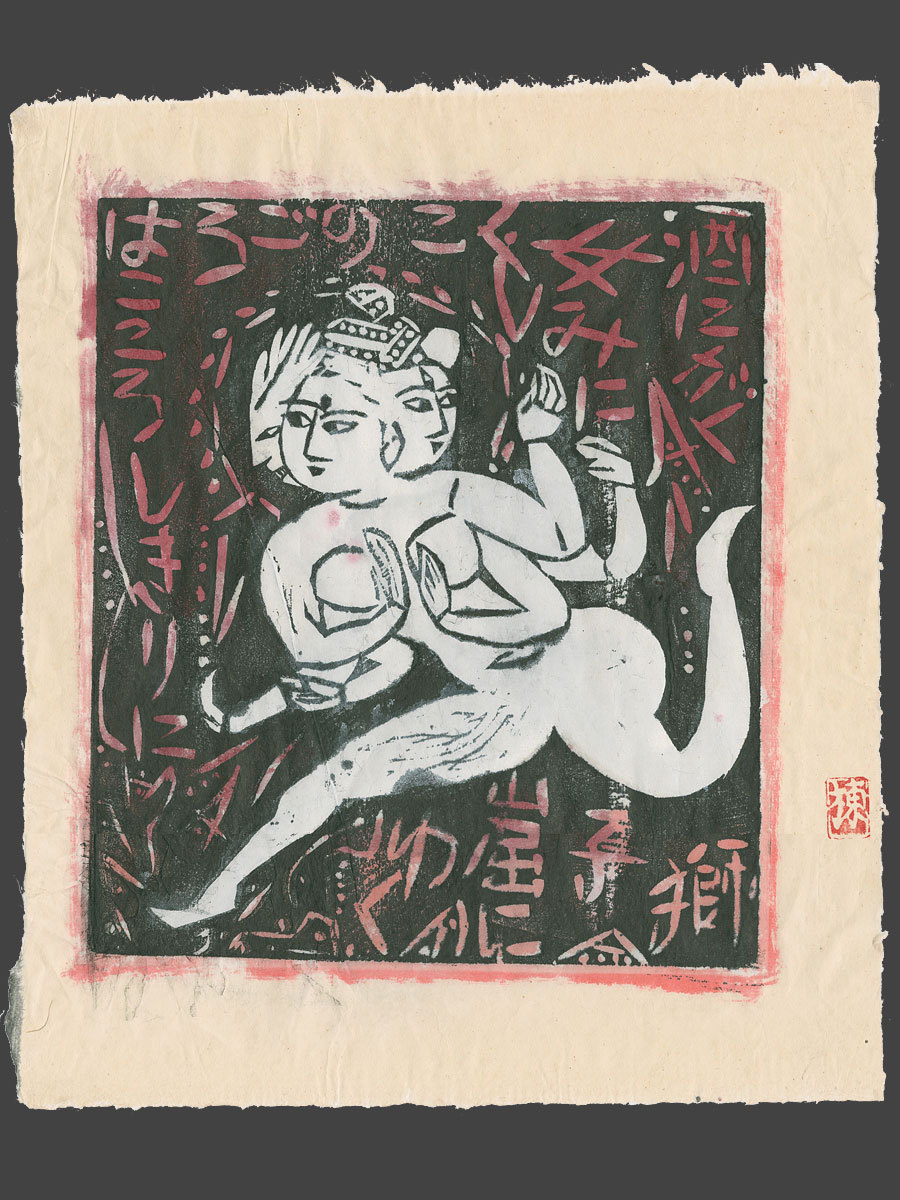
Shishikutsu (In the Cave)
1953
Woodblock print
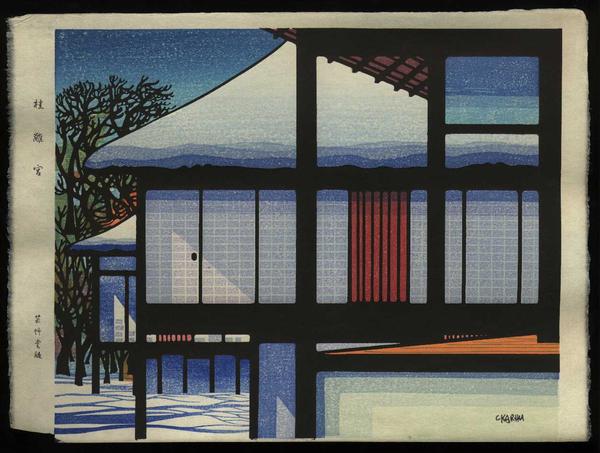
Katsura Rikyu
Not set
Woodblock print
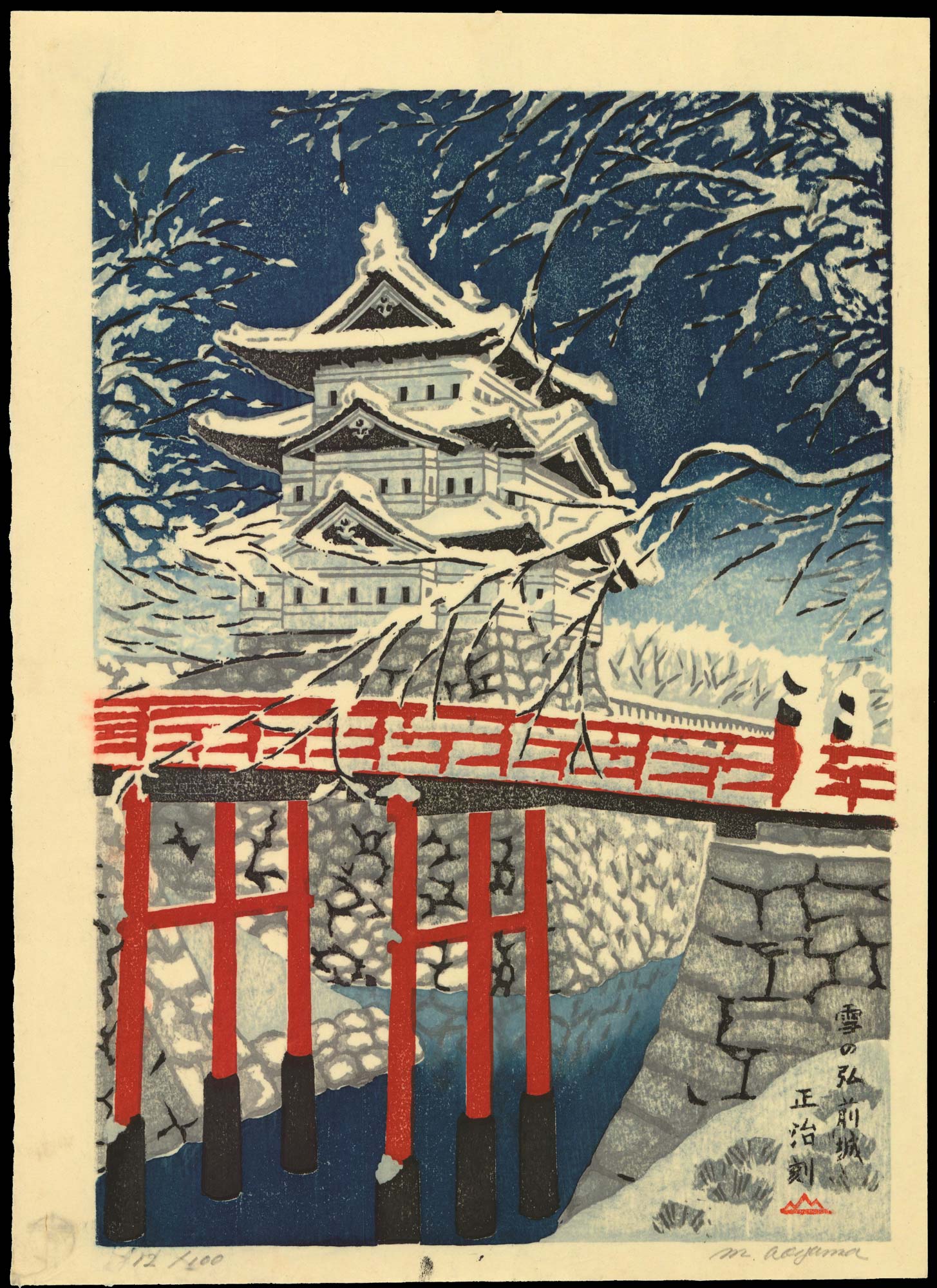
Untitled (aoyama-masaharu)
Woodblock print
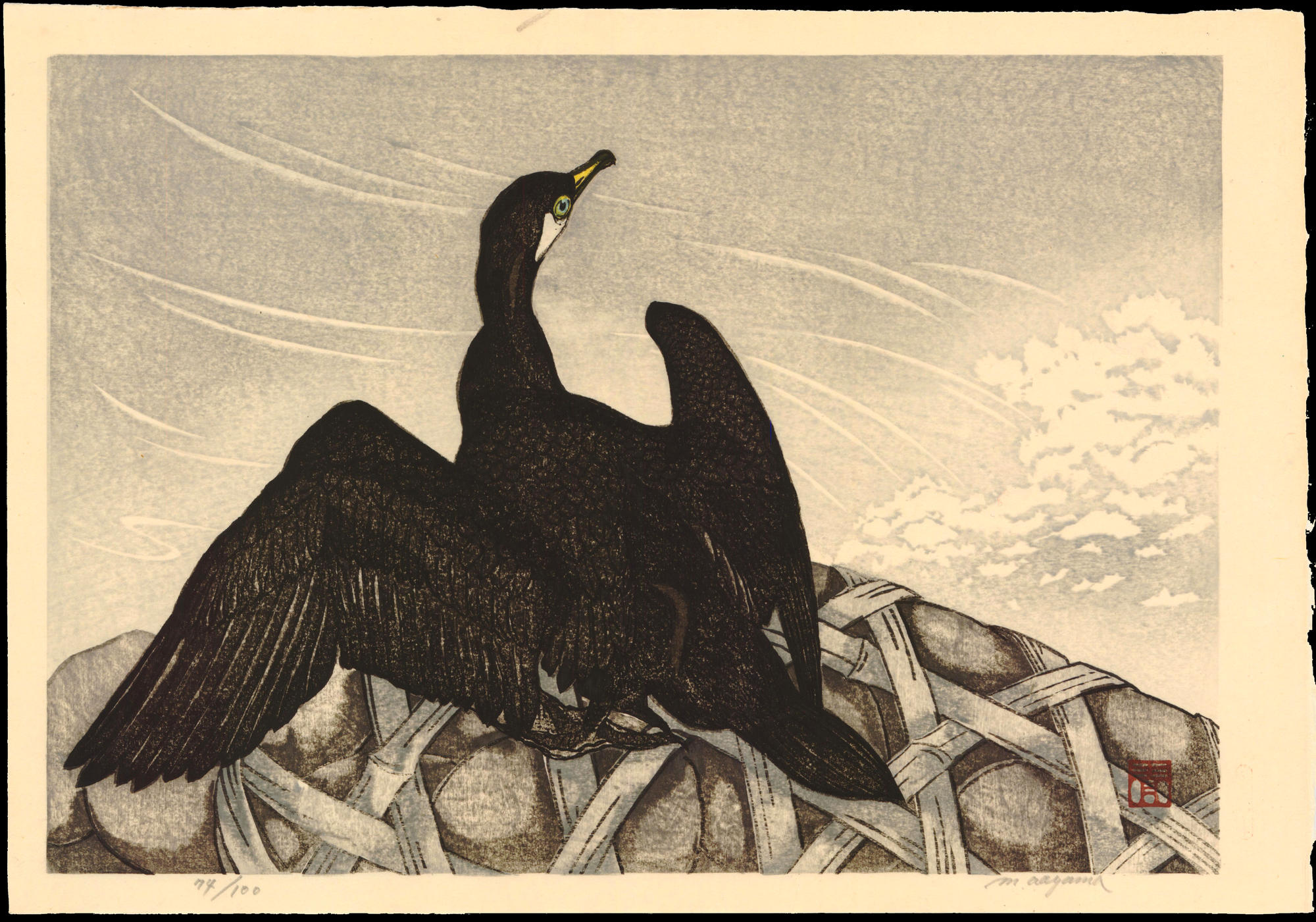
Untitled (aoyama-masaharu)
Woodblock print
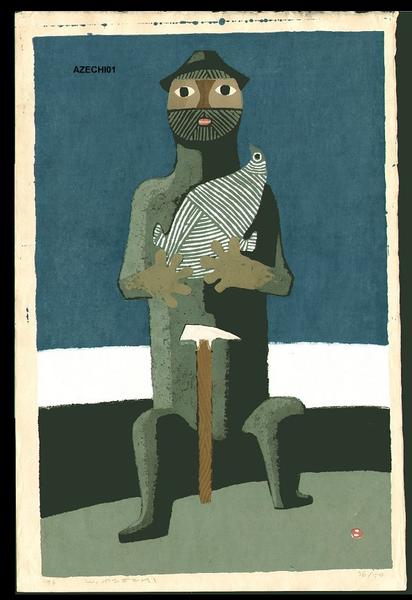
Mountaineer Number 3
Woodblock print

Mud House (Doro no ie), from the series "Manchuria (Manshu)"
1944 (printed c. 1950 from recut block?)
Color woodblock print; oban
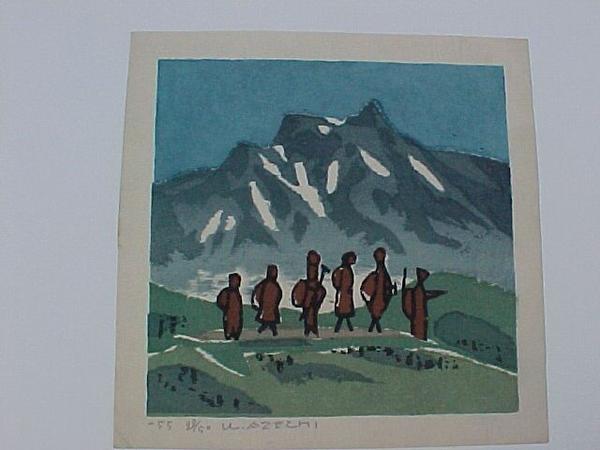
Unknown- hiking
Woodblock print
MORINOMICHI C (Path to the Forest C)
Woodblock print

Landing and Advance to Weihaiwei (Ikaiei joriku shingun no zu)
1895
Color woodblock print; oban triptych

Outbreak of Fire Seen from Hisamatsu-cho
1881 (Meiji 14)
Woodblock print (nishiki-e); ink and color on paper
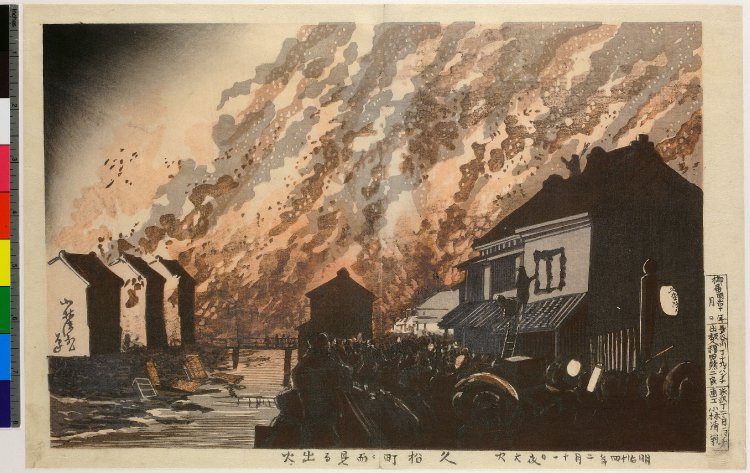
Meiji juyonnen nigatsu juichinichi yoru taika
Woodblock print
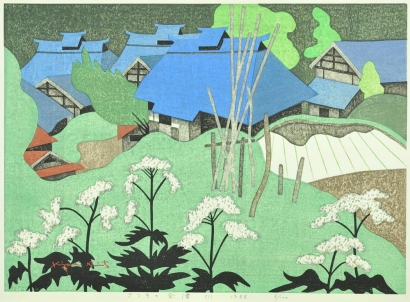
May in Aizu (I)
Woodblock print

Nostalgia, Boston
1956
Color woodblock print; edition 7/75

Among the Rocks
1929
Color woodblock print

#29 Considering Tokuyama Village — The Wind Filled with Roots
1996
Etching
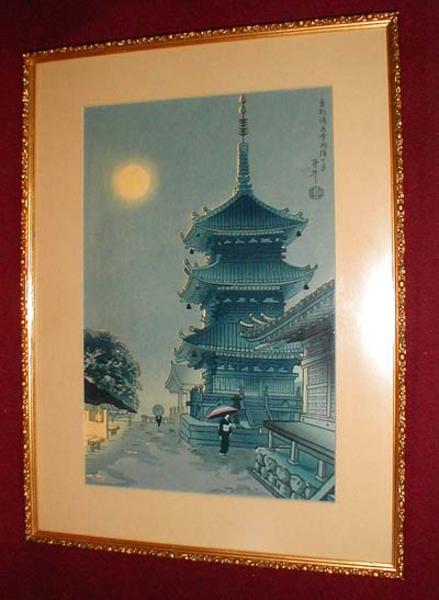
Untitled (asada-benji)
Woodblock print
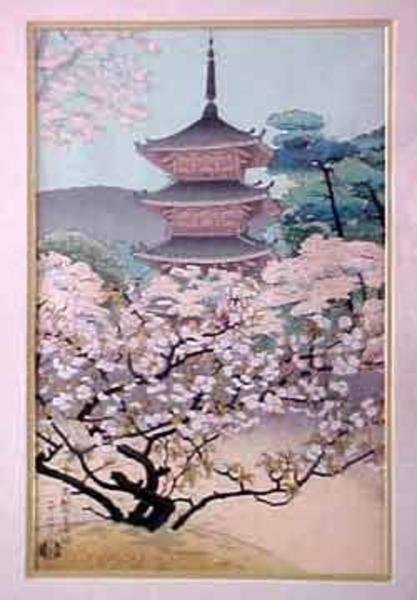
Untitled (asada-benji)
Woodblock print
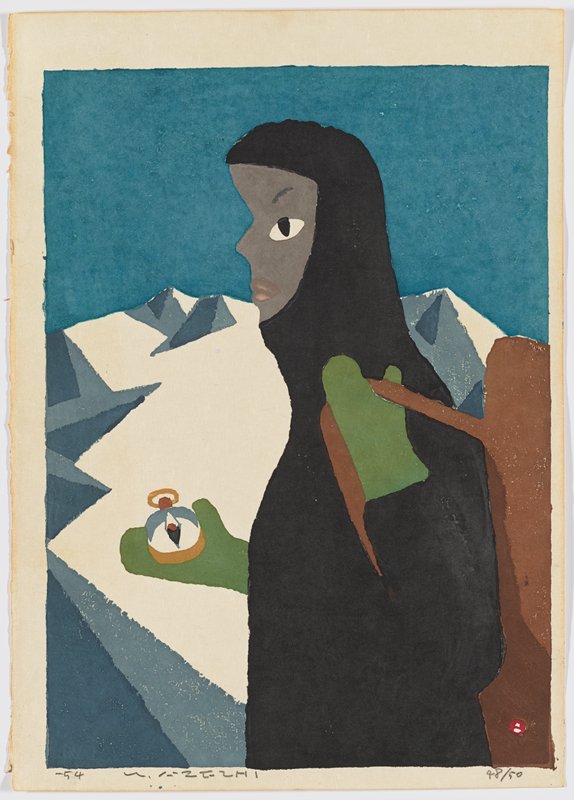
Before Mountaineering
1954
Woodblock print, ink and color on paper

Mountaineer
1953
Woodblock print, ink and color on paper
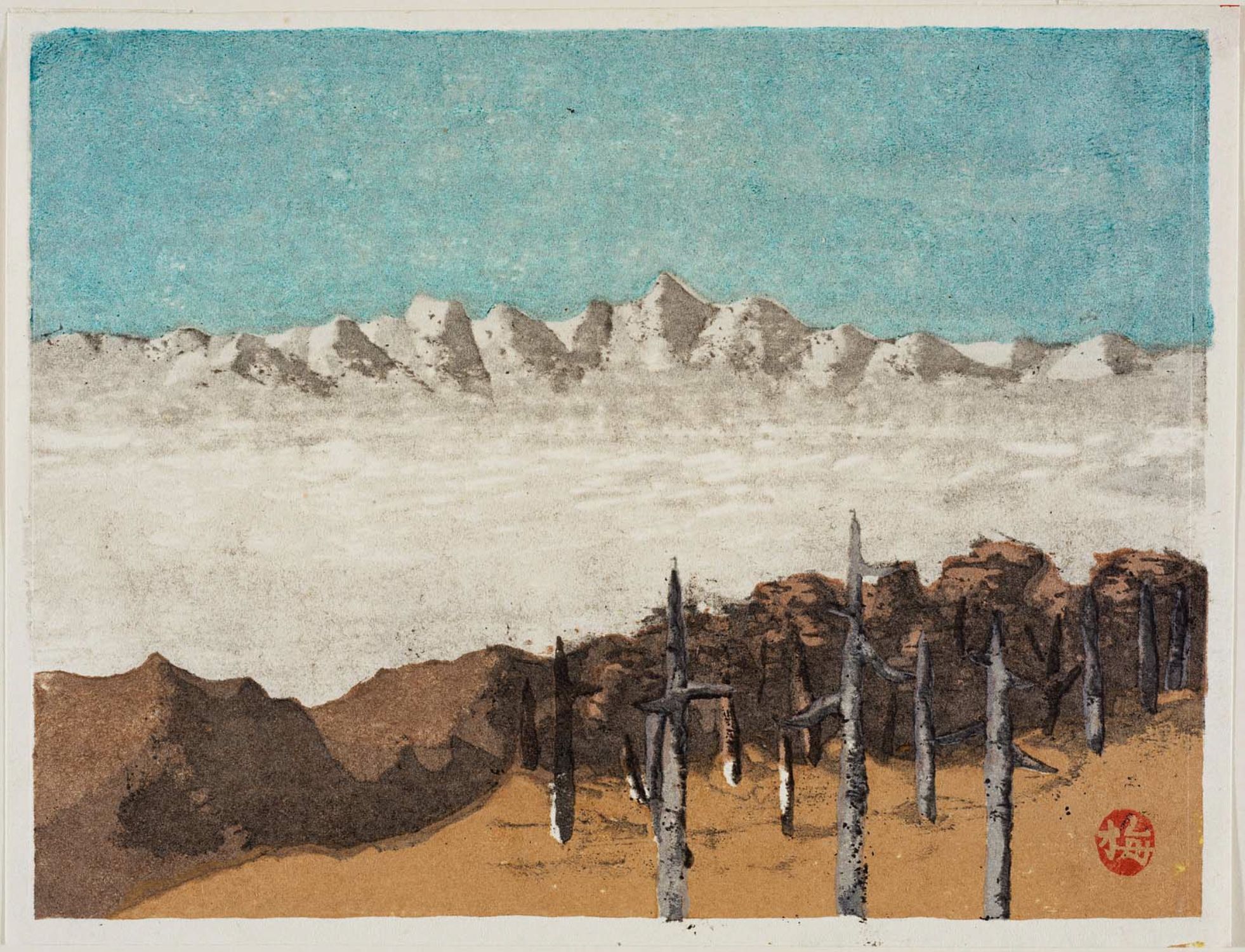
Japanese Alps (Nihon Arupusu)
Woodblock print

Red Hat
1963
Color woodblock print
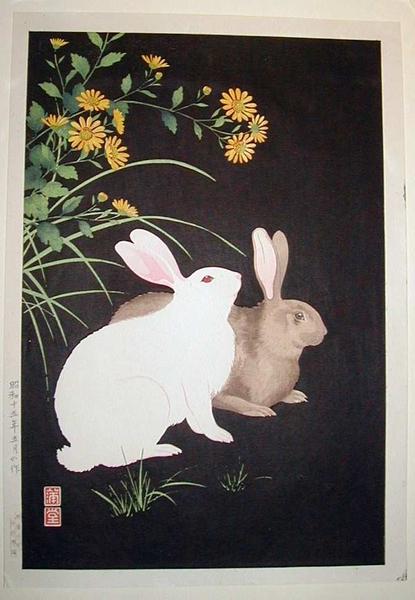
Untitled (hodo-nishimura)
Woodblock print
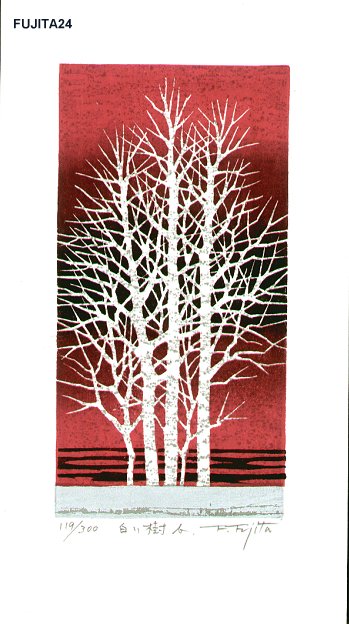
SHIRAJU B(white forest B)
Woodblock print
Related Subjects
Frequently Asked Questions
Landscapes are the most celebrated subject in Japanese woodblock printmaking, encompassing mountain vistas, coastal panoramas, river valleys, and rural scenes that have defined the genre for centuries. The tradition reached its first peak with Hokusai's "Thirty-six Views of Mount Fuji" (1831) and Hiroshige's "Fifty-three Stations of the Tokaido" (1833-34), series that established the meisho-e (famous places) format as a cornerstone of ukiyo-e.
Utagawa Hiroshige, Kawase Hasui, and Hiroshi Yoshida are among the artists most associated with landscapes in our collection. Browse the full list of artists who explored this subject above.
Hanga currently catalogues 3812 prints tagged with landscapes, spanning ukiyo-e, shin-hanga, and sōsaku-hanga traditions where applicable.