Mount Fuji (富士山)
166 prints by 48 artists
About Mount Fuji
Mount Fuji, written Fuji-san in Japanese and rising to 3,776 meters on the boundary of Shizuoka and Yamanashi prefectures southwest of Tokyo, is the highest peak in Japan and the principal sacred mountain of the country's visual tradition. Geologically a young composite volcano whose present cone has formed across the past ten thousand years, Fuji last erupted in 1707-1708 in the Hoei event, which deposited ash across the Kanto plain and formed the asymmetrical Hoei crater on the mountain's southeastern flank, and the mountain has remained quiet through the entire ukiyo-e and shin-hanga periods, allowing successive generations of printmakers to treat the cone as an essentially stable formal motif. The cult of Fuji as a sacred mountain reaches deep into the prehistoric and classical periods, with Shinto associations to the goddess Konohanasakuya-hime enshrined at the Fuji Sengen shrines, Buddhist associations through the Shugendo tradition of mountain pilgrimage, and from the seventeenth century onward the popular Fuji-ko confraternities, lay associations of pilgrims and devotees centered in Edo that organized seasonal climbs through the established northern and southern ascent routes from Yoshida, Subashiri, Suyama, and Murayama. By the late Edo period the mountain stood as a national symbol legible to viewers of every region. For Japanese printmaking the canonical statement is Katsushika Hokusai's Thirty-Six Views of Mount Fuji (Fugaku sanjurokkei), published in vertical and horizontal landscape format in colored woodblock by Eijudo (Nishimuraya Yohachi) from approximately 1830 to 1832, which expanded with ten additional sheets to comprise forty-six designs in total. The series includes The Great Wave off Kanagawa (Kanagawa-oki nami-ura), Fine Wind Clear Morning (Gaifu kaisei, popularly called Red Fuji), Rainstorm Beneath the Summit (Sanka haku-u), and views from points as varied as Mishima Pass, Lake Suwa, the Tama River, Honganji at Asakusa, and the Surugadai district of Edo, and it stands at the foundation of landscape ukiyo-e as a category. Hokusai followed it with the three-volume printed book One Hundred Views of Mount Fuji (Fugaku hyakkei, 1834-1835) in monochrome, which further codified the iconography of the mountain across seasons, weather conditions, and angles of approach. Utagawa Hiroshige treated Fuji recurrently across his career, in the Fifty-Three Stations of the Tokaido in which the mountain appears as a backdrop to many of the stations, in the Thirty-Six Views of Mount Fuji issued late in his life by Tsutaya Kichizo in 1858 in vertical format, in his One Hundred Famous Views of Edo where Fuji punctuates the Edo skyline, and in countless individual sheets. The shin-hanga revival took up the subject with renewed seriousness in the early twentieth century. Yoshida Hiroshi produced his celebrated Ten Views of Mount Fuji (1926), a tightly composed series in which the mountain is seen from differing distances and atmospheric conditions including dawn, daylight, evening, and moonlight, and Kawase Hasui returned to Fuji in many individual landscape prints from his Tokaido, Hakone, and lakeside compositions. Tsuchiya Koitsu treated Fuji in evening and snow compositions, and sosaku-hanga artists including Hiratsuka Un'ichi and Yamaguchi Gen treated the mountain in their own creative-print idioms. The visual character of Fuji in prints is built on the symmetrical conical silhouette, the alternation between snow-covered winter mass and bare summer summit, the contrast between distant horizon-line viewing and close foothill encounters, the seasonal phenomena including the morning red glow recorded in Red Fuji and the after-thunderstorm clarity recorded in many of Hokusai's compositions, and the interplay with foreground subjects ranging from cherry blossoms and pine groves to fishermen, travelers, bridges, rice fields, and the white-capped breakers of the Pacific. The mountain remains the most reliably recognized motif of Japanese art globally, and seasonal climbing routes from the fifth-station trailheads operate during July and August, while the surrounding Fuji Five Lakes region around Lake Kawaguchi, Lake Yamanaka, Lake Saiko, Lake Shojiko, and Lake Motosuko preserves many of the viewpoints from which the historical prints were composed.
Prints Depicting Mount Fuji (166)
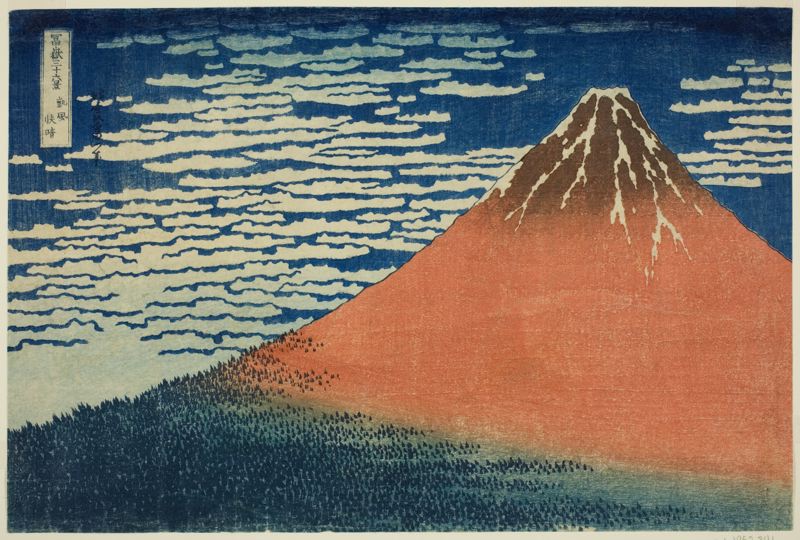
A Mild Breeze on a Fine Day (Gaifu kaisei), from the series Thirty-six Views of Mount Fuji (Fugaku sanjurokkei)
Woodblock print

A Nocturnal Fuji, Lake Ashino (Ashino no yu Fuji)
Ashino no yu Fuji
1935
Color woodblock print
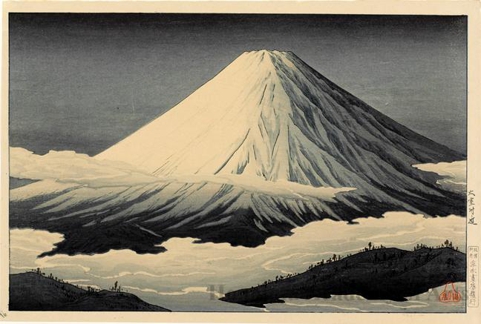
A View of Mt. Fuji
Woodblock print
AKERU FUJI (Mt. Fuji at Daybreak)
Woodblock print
AKERU FUJI (Mt. Fuji at Daybreak)
Woodblock print
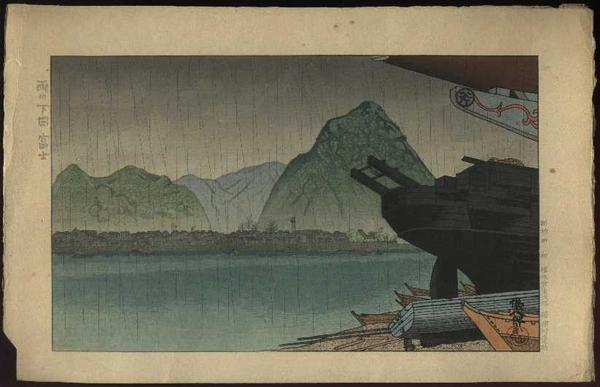
Ame no Shimoda Fuji
Woodblock print
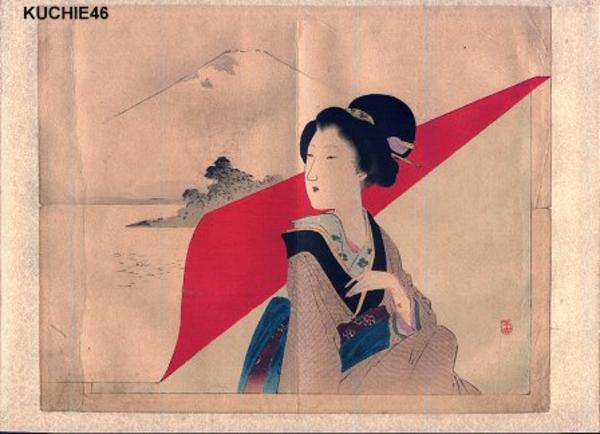
Bijin and Fuji
Woodblock print
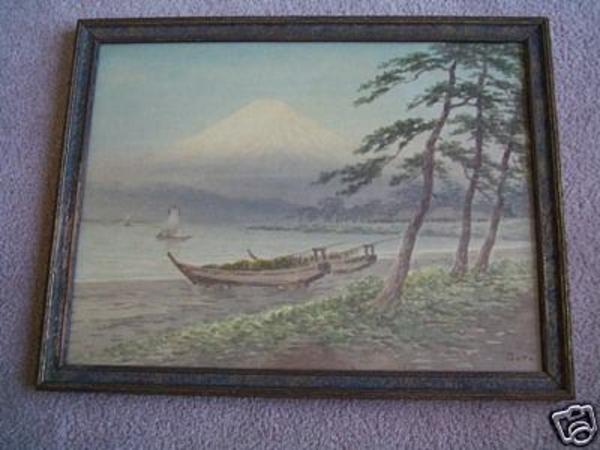
Boats on shore near Fuji
Woodblock print
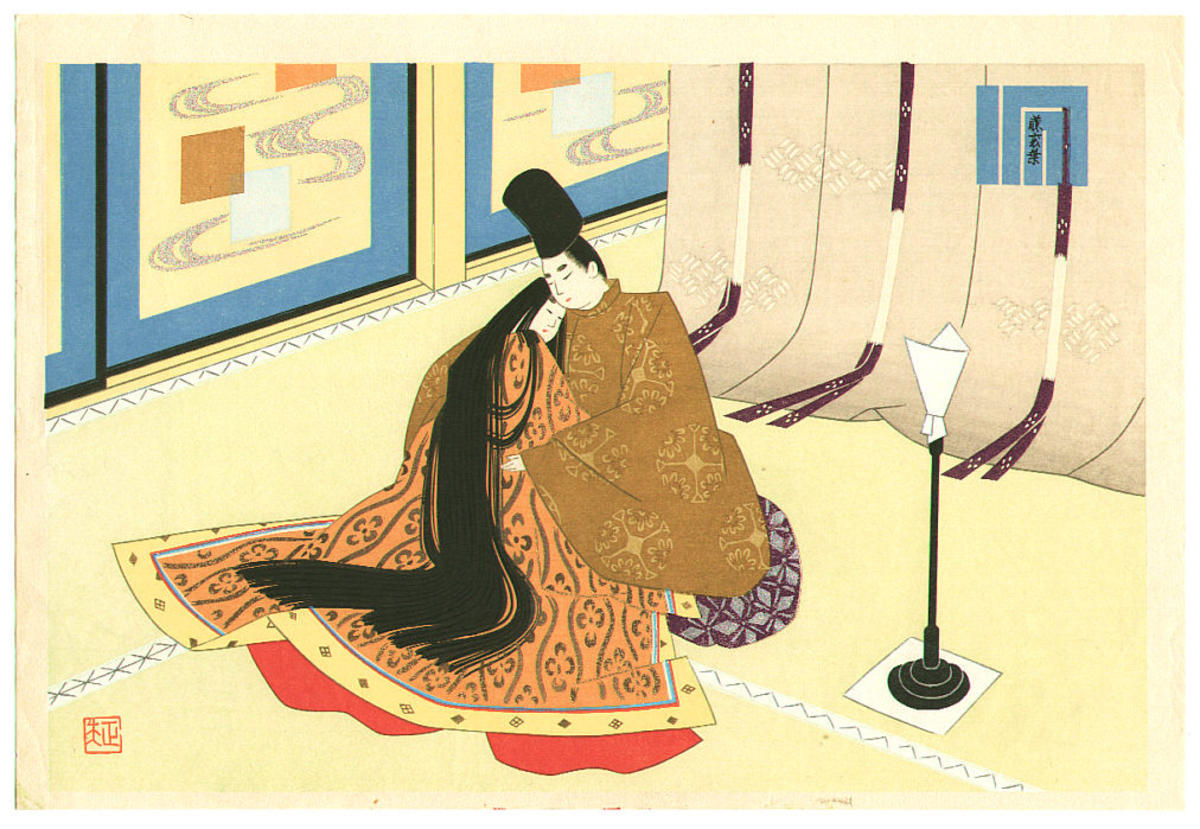
CH33- Fuji no Uraba
Woodblock print

Clearing after a Snowfall on Mount Fuji (Tagonoura Beach) (Fuji no yukibare (Tagonoura))
January 1932
Color woodblock print
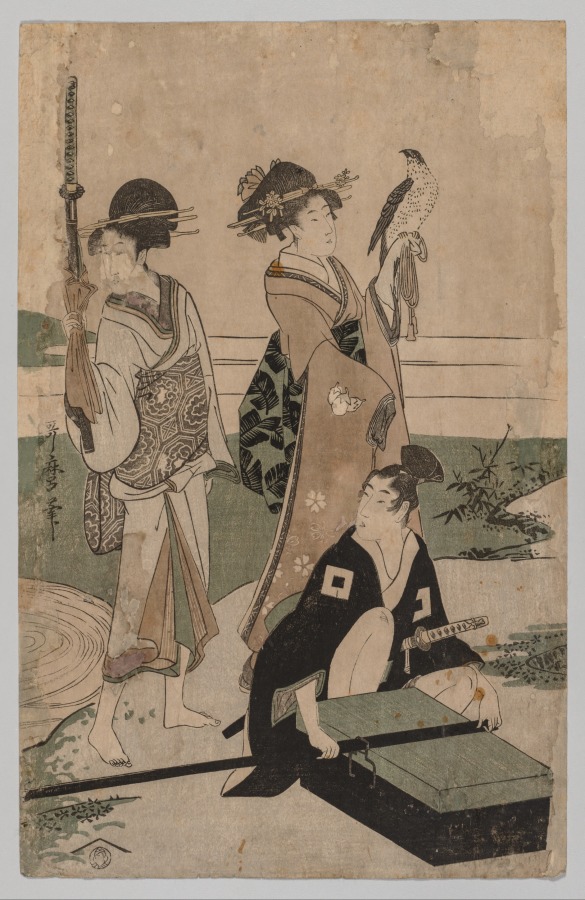
Daimyō and his Retinue Crossing a Stream in Plain Near Fuji
1753–1806
color woodblock print

Dawn over Mout Fuji and Susaki, from the series "Five Views of Mount Fuji (Fuji goban no uchi)"
c. 1827/29
Color woodblock print; shikishiban surimono

Distant View from beneath Shin Ohashi Bridge (Shin Ohashi kyoka no chobo), from the series "Thirty-six Views of Mount Fuji Seen from the Eastern Capital (Toto Fujimi sanjurokkei)"
c. 1843
Color woodblock print; oban

Distant View of Mount Fuji at Dawn from Hakone
c. 1828/30
Color woodblock print; shikishiban, surimono

Distant View of Mt. Fuji from the Hakone Mountains
Woodblock print
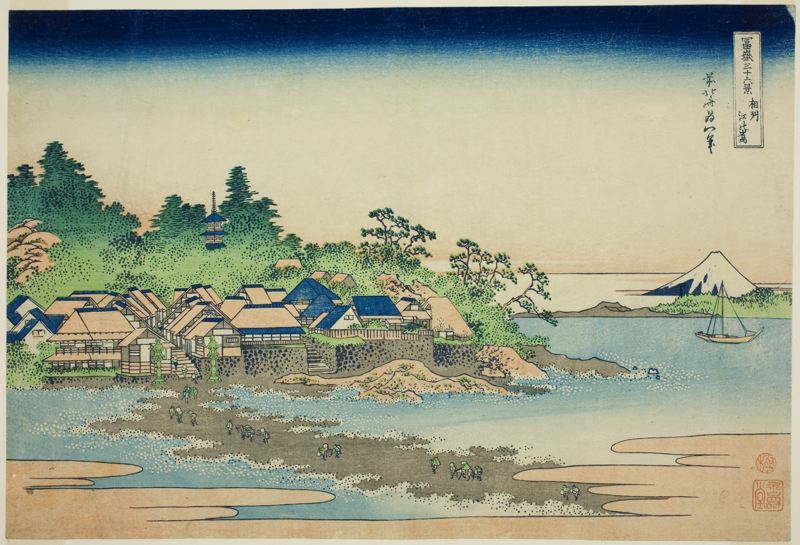
Enoshima Island in Sagami Province (Soshu Enoshima), from the series Thirty-six Views of Mt. Fuji (Fugaku sanjurokkei)
Woodblock print
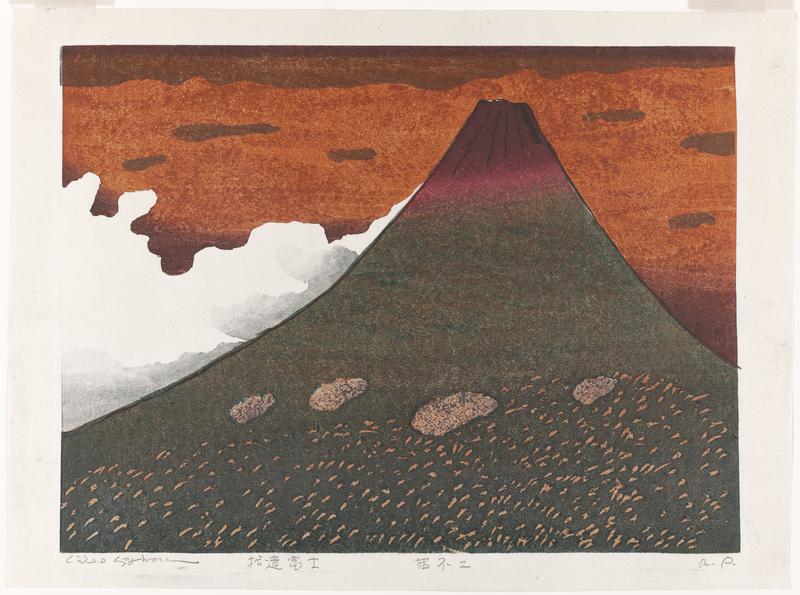
Evening Sky Mt. Fuji
1990–91
Woodblock print, ink and color on paper
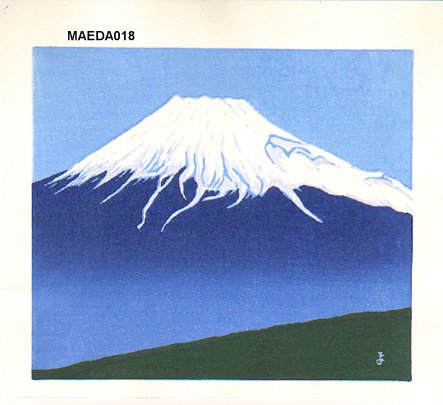
Fuji
Woodblock print
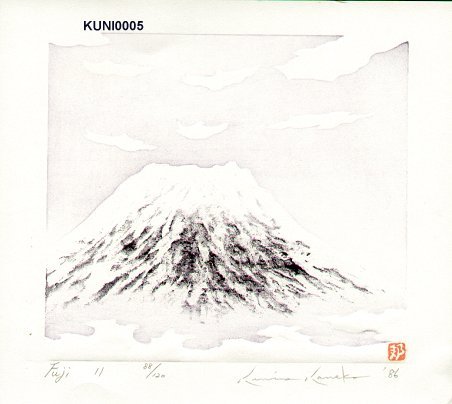
Fuji 11
88/120, 1986
Woodblock print
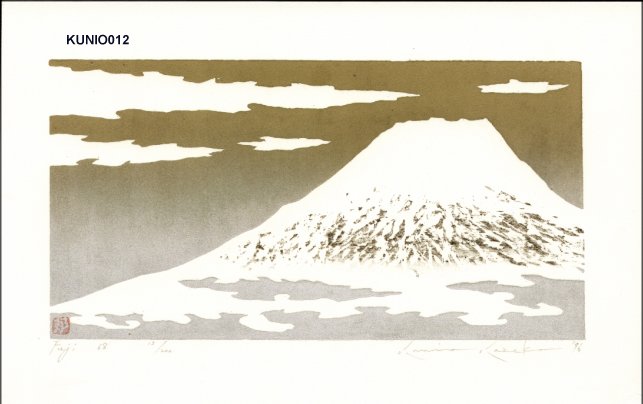
Fuji 68
13/200, 1996
Woodblock print
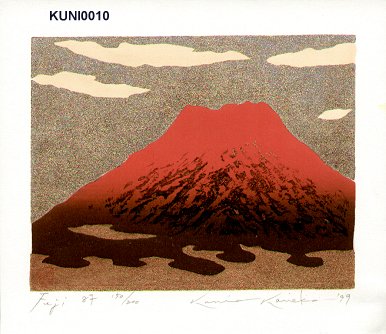
Fuji 87
150/200, 1999
Woodblock print
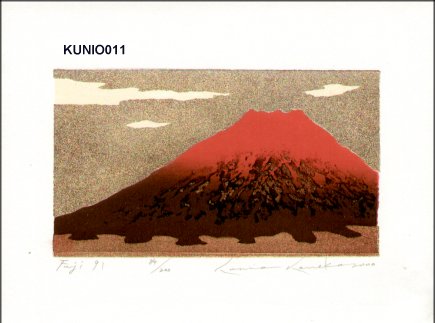
Fuji 91
84/200, 2000
Woodblock print

Fuji 94
117/223, 2003
Woodblock print
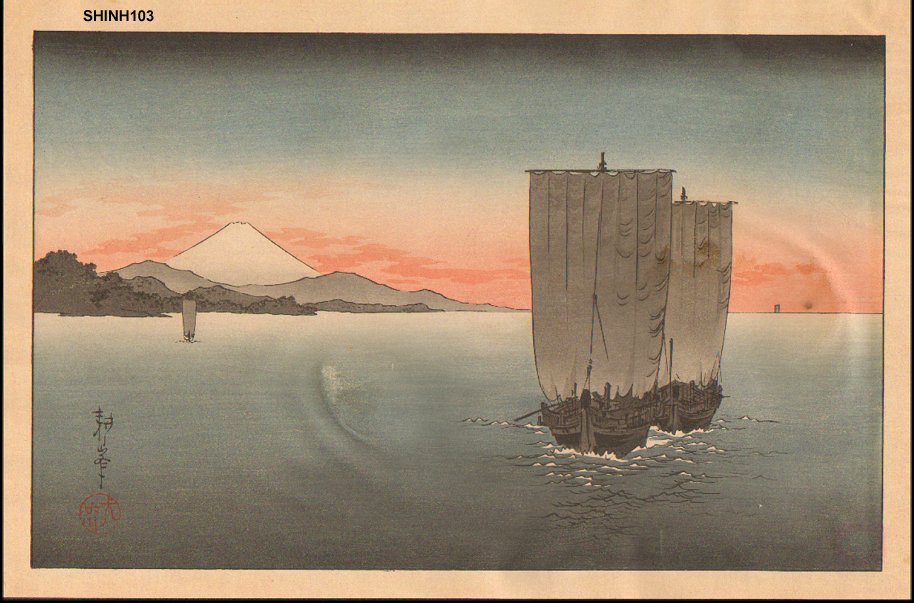
Fuji and sail boat
Woodblock print
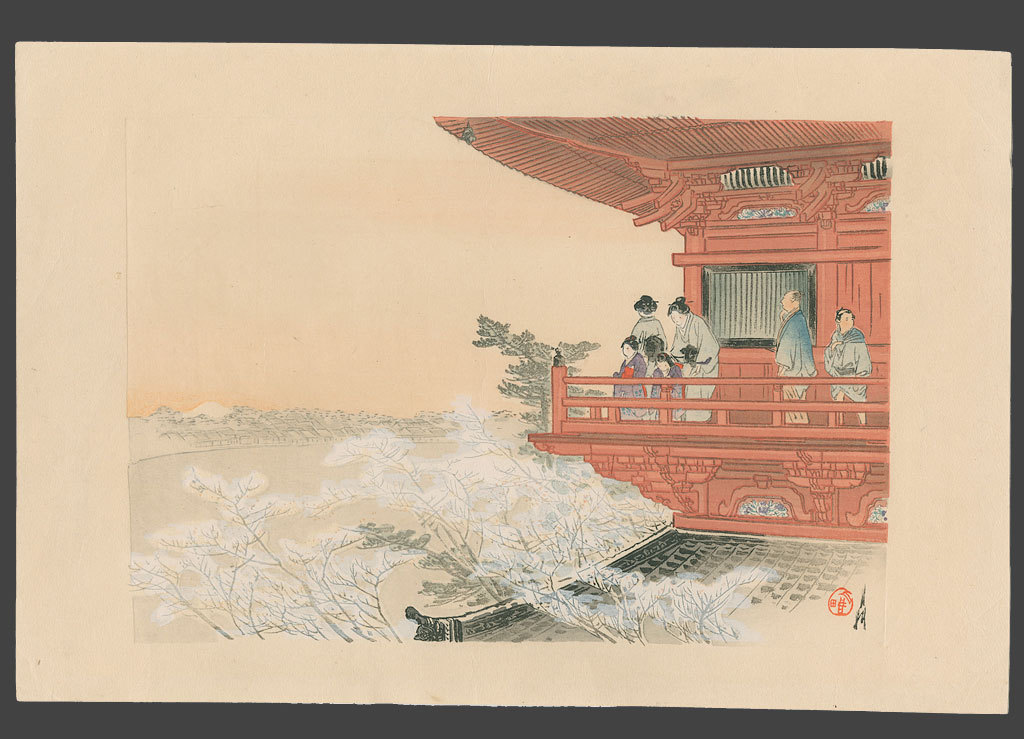
Fuji from a temple balcony
Woodblock print

Fuji from Fujimigahara in Bishu Province
Woodblock print
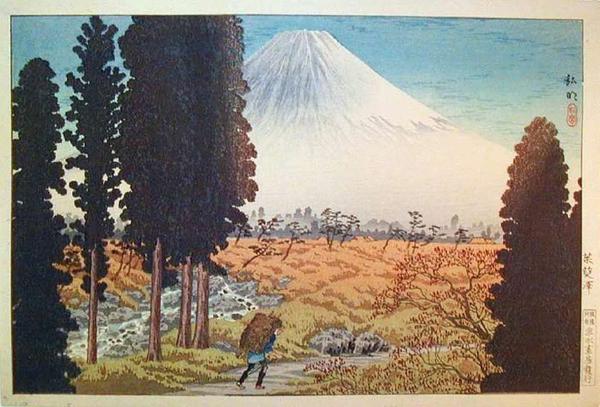
Fuji from Gumisawa
Woodblock print
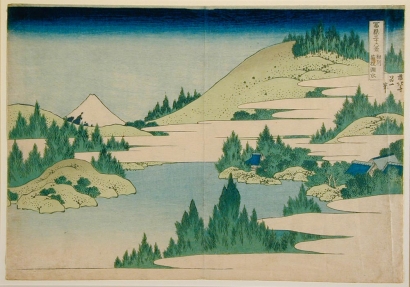
Fuji from Hakone
Woodblock print

Fuji from Kanaya on the Tokaido (Tokaido Kanaya no Fuji), from the series Thirty-six Views of Mt. Fuji (Fugaku sanjurokkei)
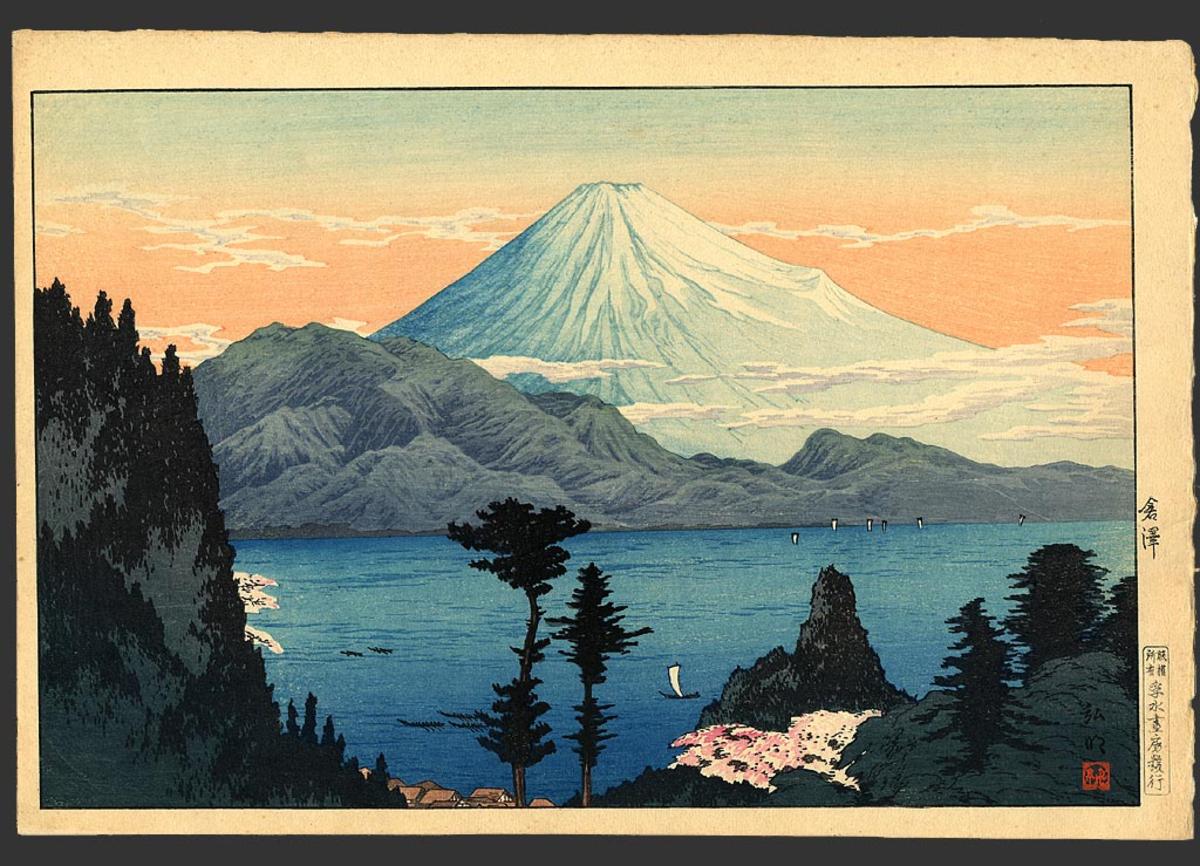
Fuji from Kurasawa
Woodblock print
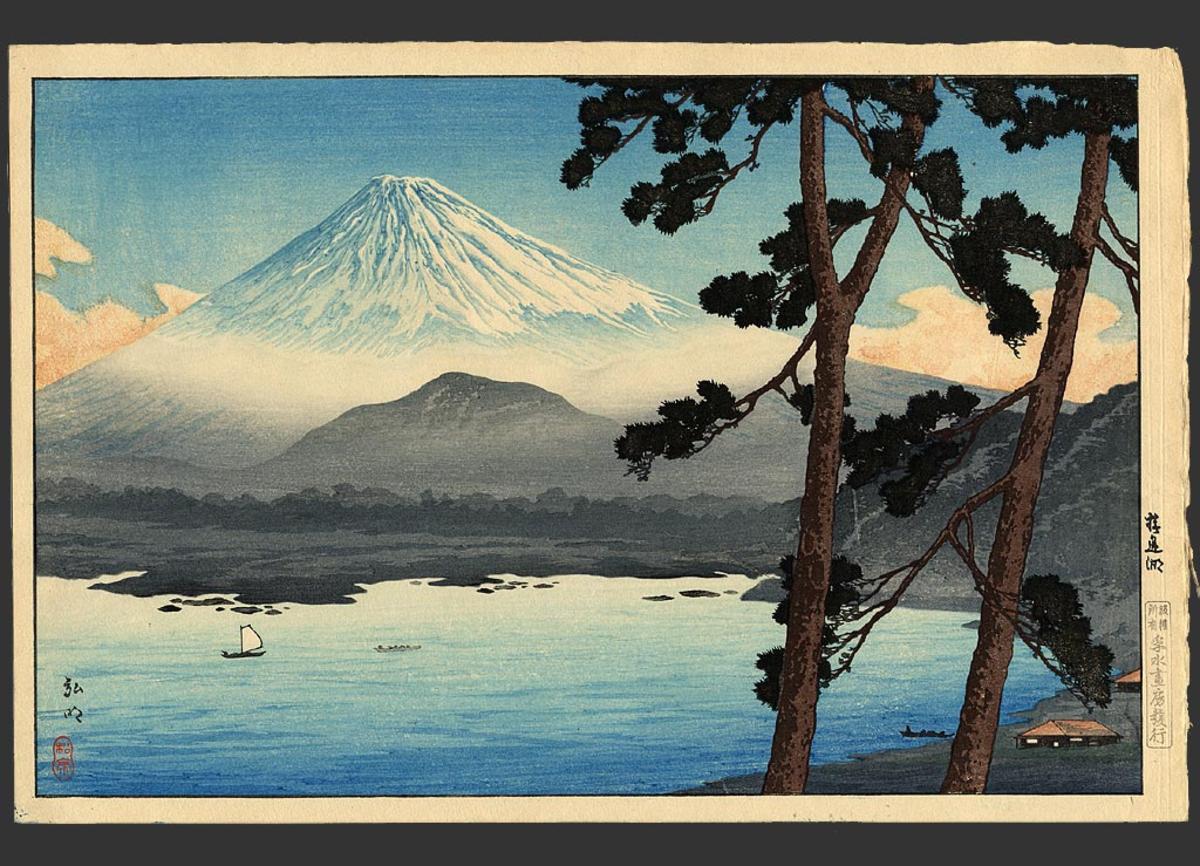
Fuji from Lake Shoji
Woodblock print
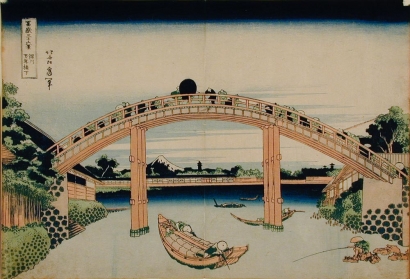
Fuji from Mannenbashi, Fukagawa
Woodblock print
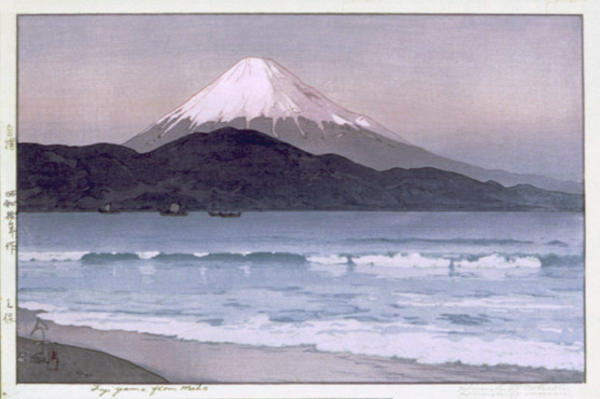
Fuji from Miho
1935
Woodblock print
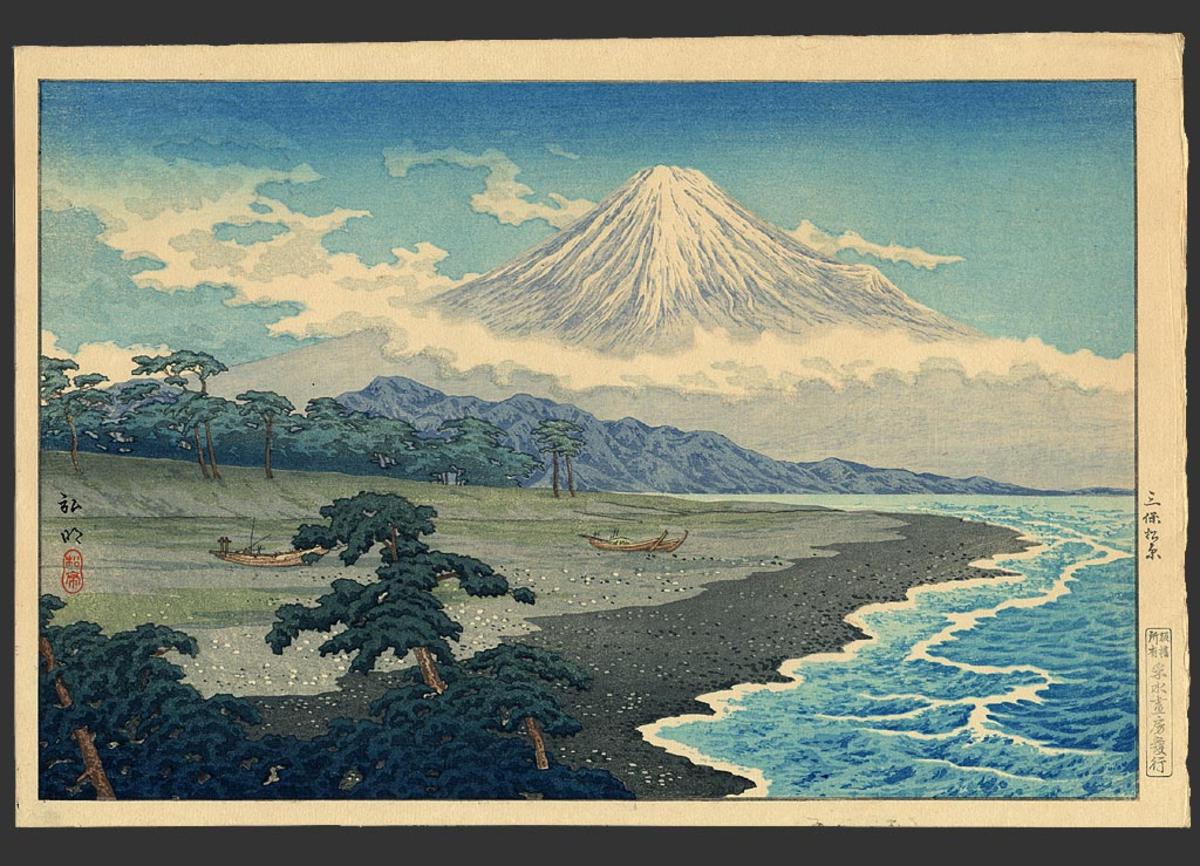
Fuji from Miho no Matsubara
Woodblock print
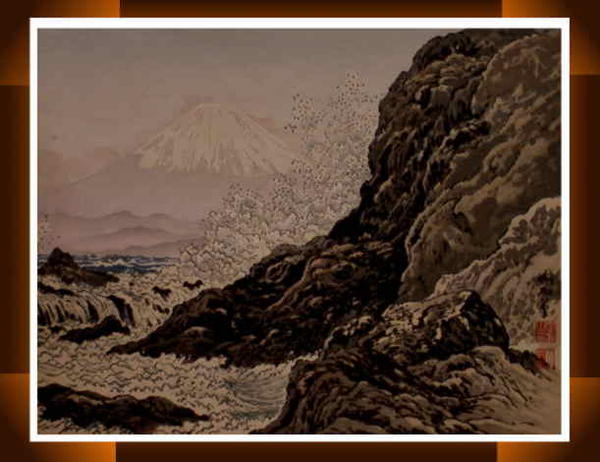
Fuji from Mitsu Coast- Fuji from Enoshima — 三津海岸からの富士
Woodblock print
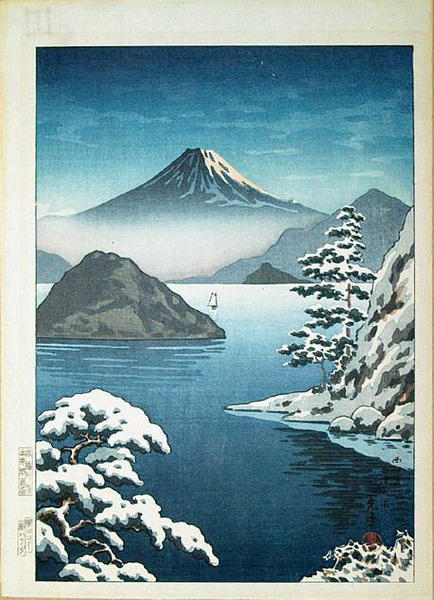
Fuji from Mitsuhama (Mito) in Snow
Woodblock print
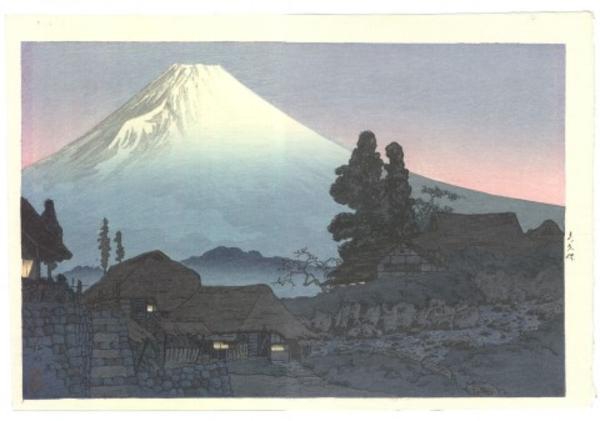
Fuji From Mizukubo, Evening Scene
Woodblock print
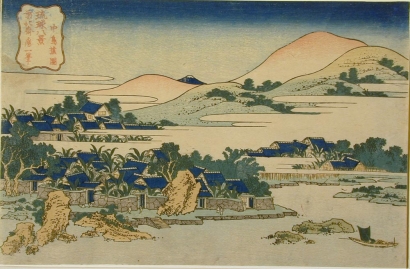
Fuji from Nakajima Shoen (Banana Garden)
Woodblock print

Fuji from Ommayagashi with Twilight over Ryogoku Bridge (Ommayagashi yori ryogokubashi sekiyo o miru), from the series "Thirty-six Views of Mount Fuji (Fugaku sanjurokkei)"
c. 1830/33
Color woodblock print; oban
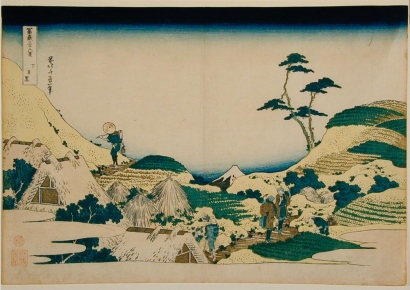
Fuji from Shimo Meguro #25
Woodblock print
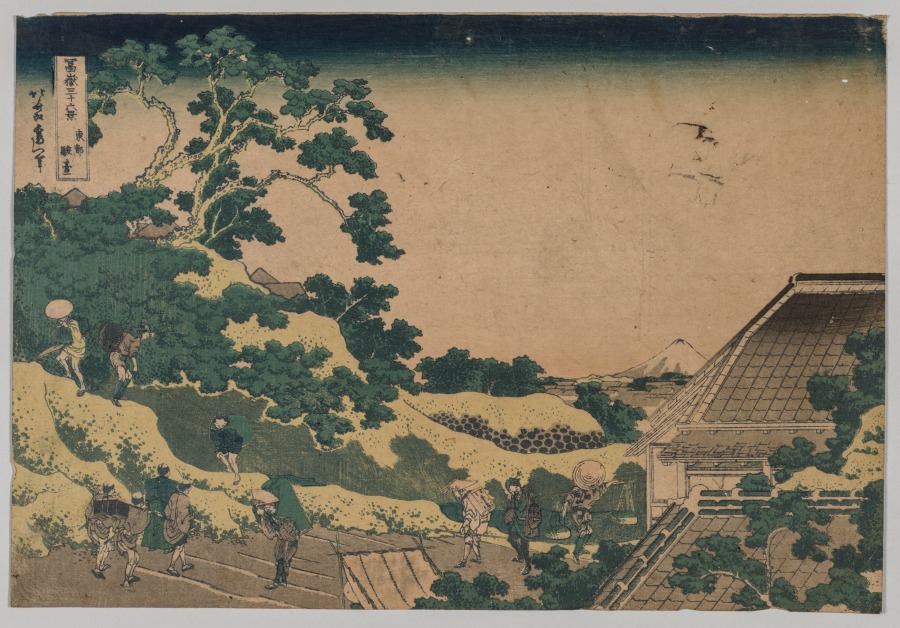
Fuji from Surugadai, in Yedo
1760–1849
color woodblock print
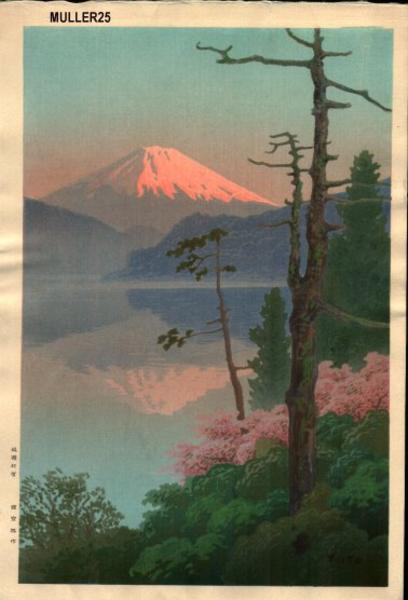
Fuji from Taganoura
Woodblock print
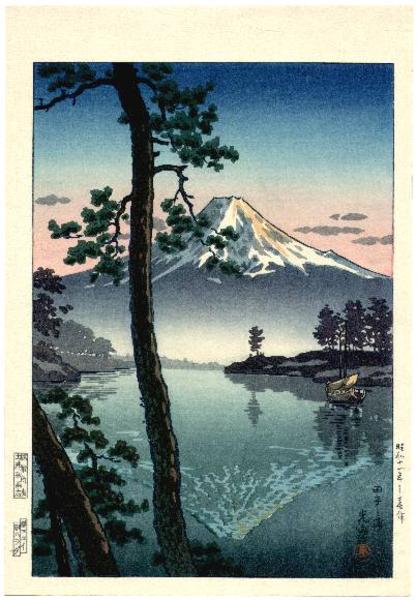
Fuji from Tago Bay
Woodblock print
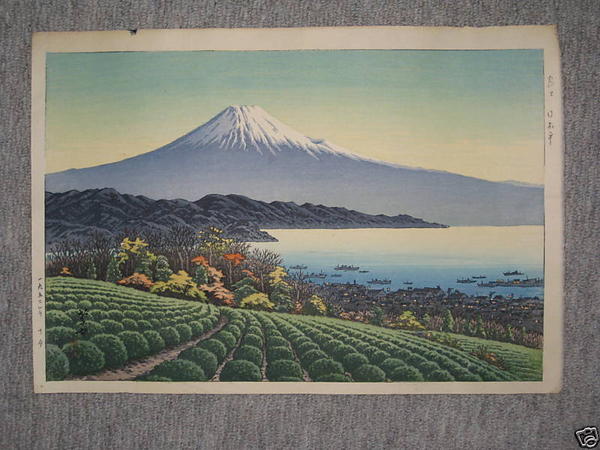
Fuji from tea farm
Woodblock print
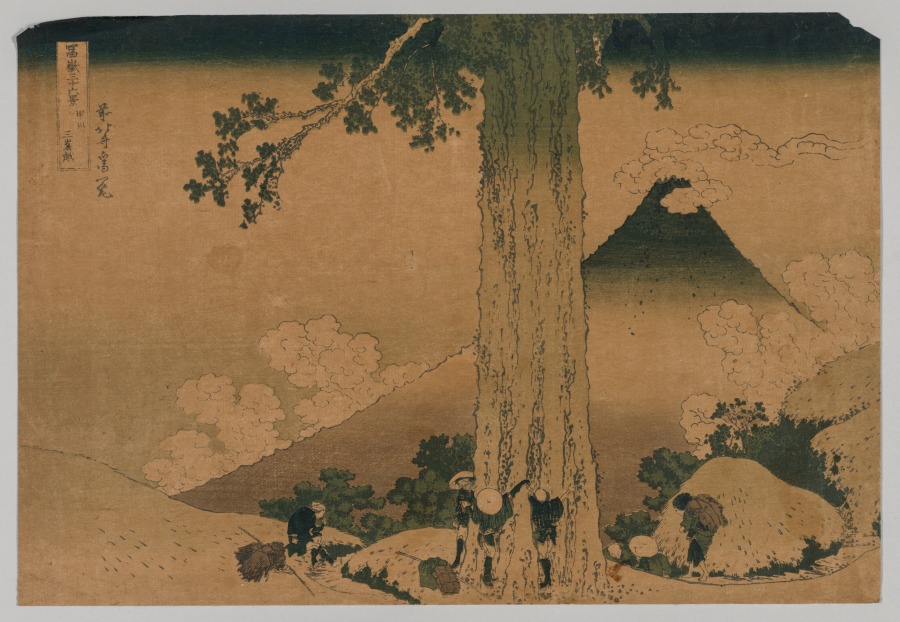
Fuji from the Pass of Mishima, Koshu Province
1760–1849
color woodblock print
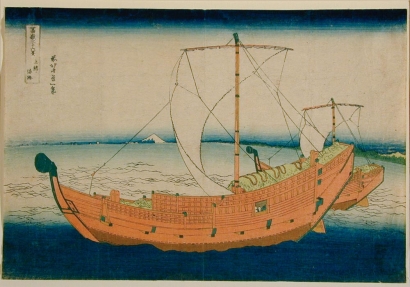
Fuji from the Sea off Kazusa #30
Woodblock print
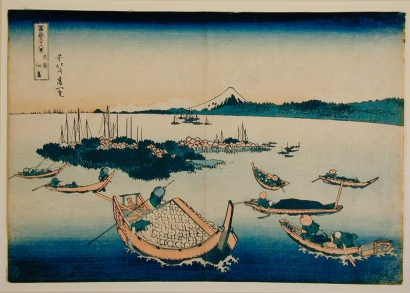
Fuji From Tsukuda Island
Woodblock print
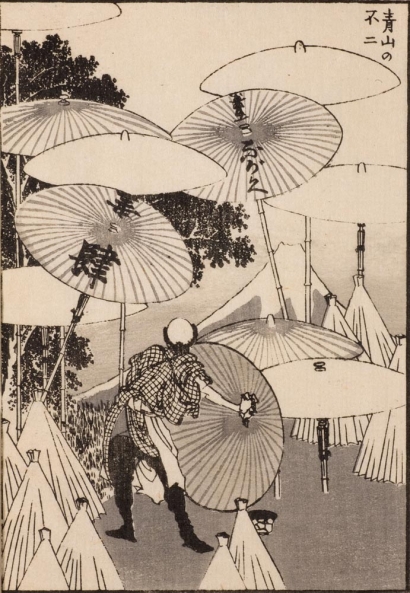
Fuji from Umbrella Maker's Yard in Aoyama
Woodblock print
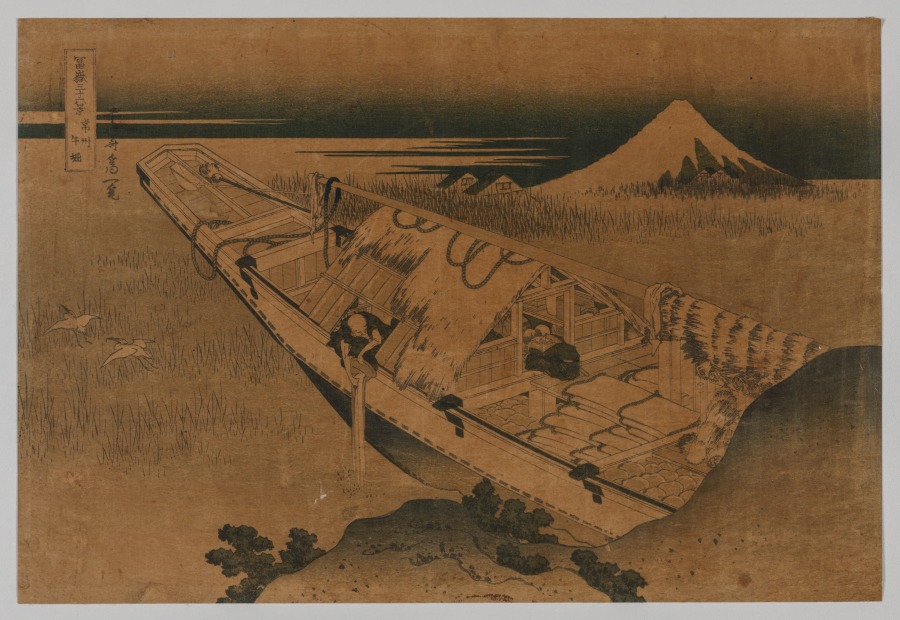
Fuji from Ushibori, Province of Hitachi
1760–1849
color woodblock print
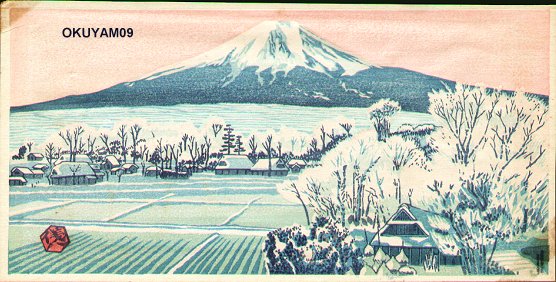
Fuji in snow
Woodblock print
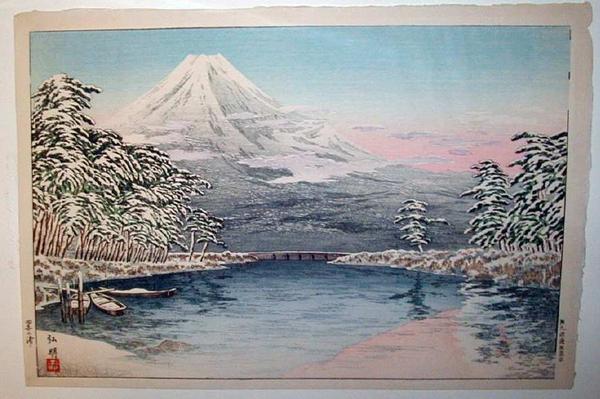
Fuji in Snow
Woodblock print
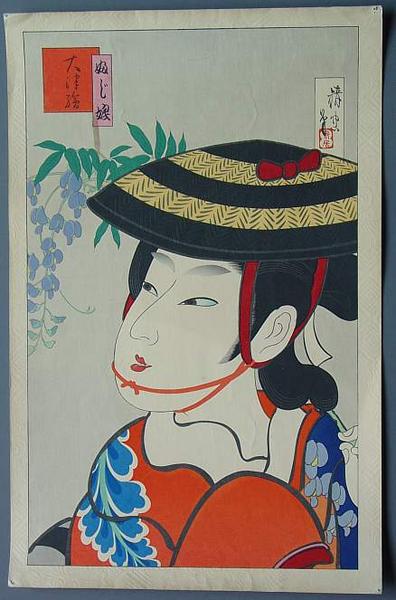
Fuji Musume- Wisteria Girl
Not set
Woodblock print
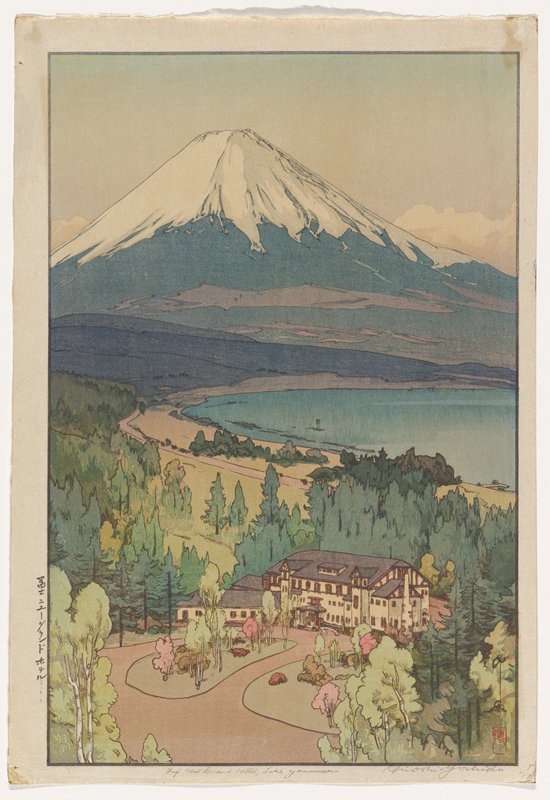
Fuji New Grand Hotel, Lake Yamanaka
c. 1937
Woodblock print, ink and color on paper

Fuji Northern Entrance- Asama Shrine — 富士山北口浅間神社と富士
Woodblock print
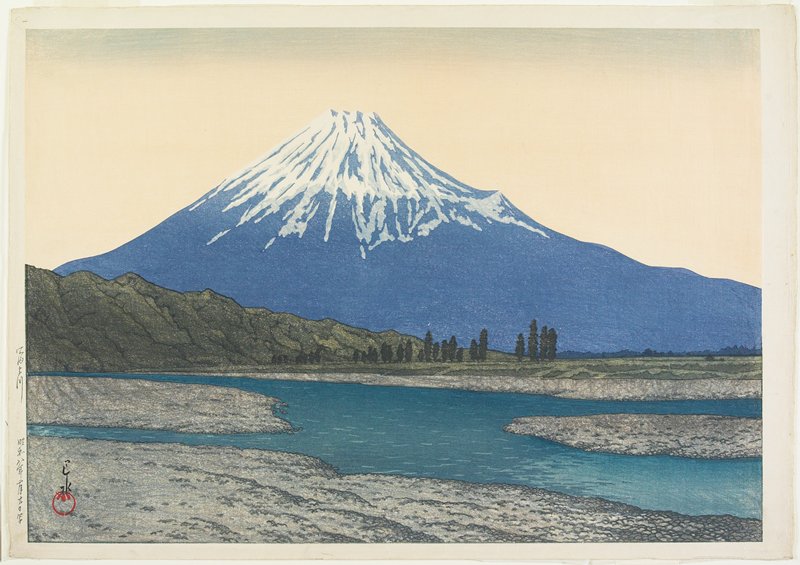
Fuji River
February 1933
Woodblock print, ink and color on paper

Fuji-10
2001
Color woodblock print; edition 20/200
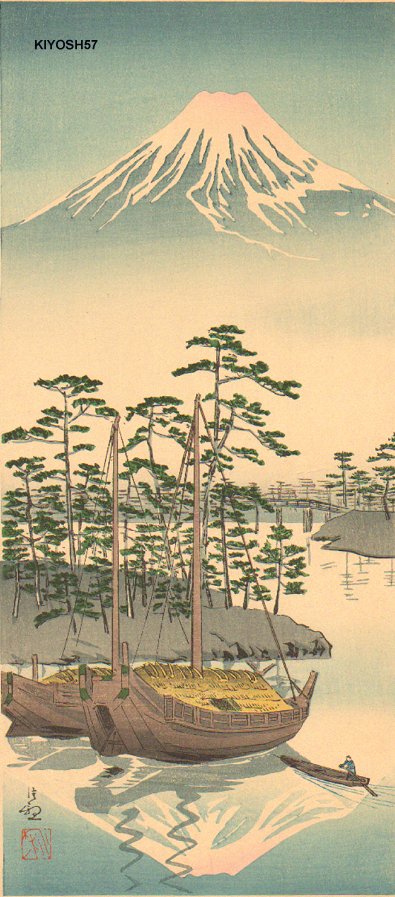
Fuji, pines, and boats
Not dated (1936)
Woodblock print

Fujimi Bridge - Thirty-six Views of Mt. Fuji
Woodblock print

Fujiyama from Miho
1935
Color woodblock print

Fujiyama from Okitsu
1928
Color woodblock print

Fujiyama from Suzukawa
1928
Color woodblock print
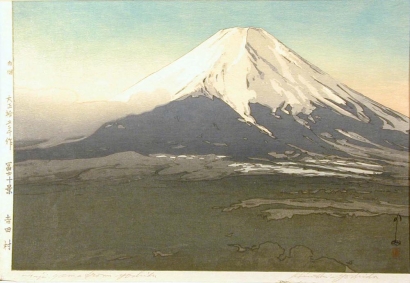
Fujiyama from Yoshida
1926
Woodblock print

Fujiyama-First Light of the Sun, from the series "Ten Views of Fuji"
1926
Color woodblock print
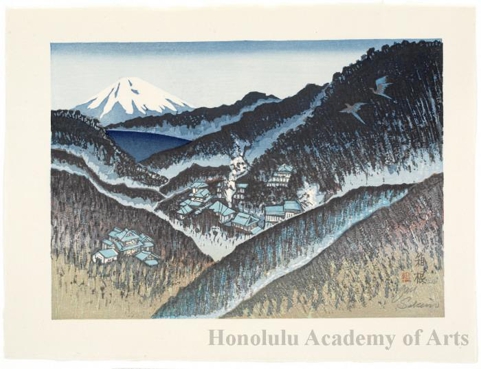
Hakone: Mt. Fuji over the Lake
Woodblock print
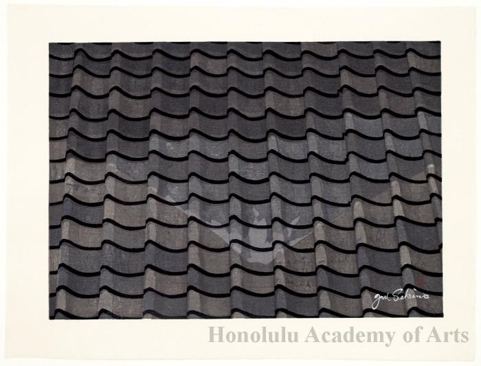
Hara: Roof-tile Reflections of Mt. Fuji
Woodblock print
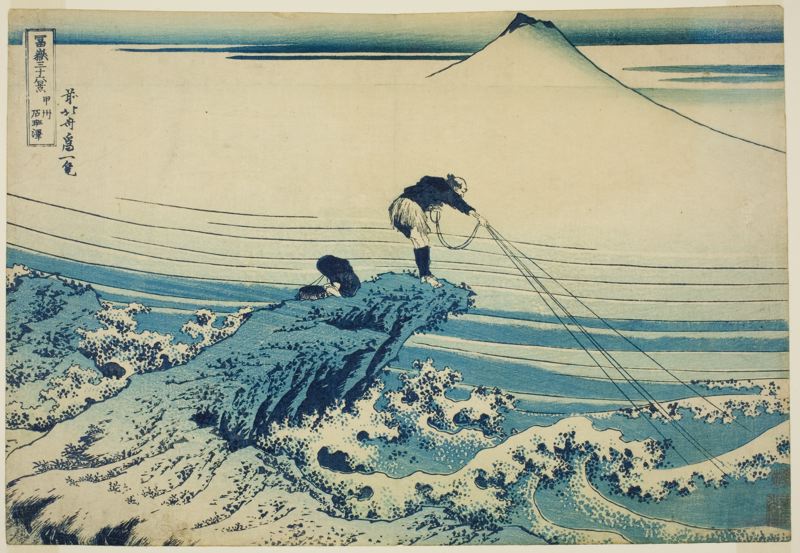
Kajikazawa in Kai Province (Koshu kajikazawa), from the series Thirty-six Views of Mt. Fuji (Fugaku sanjurokkei)
Woodblock print

Kiso River Glowing Light at Fuji (Kisogawa yugure no Fuji)
1930s
Color woodblock print
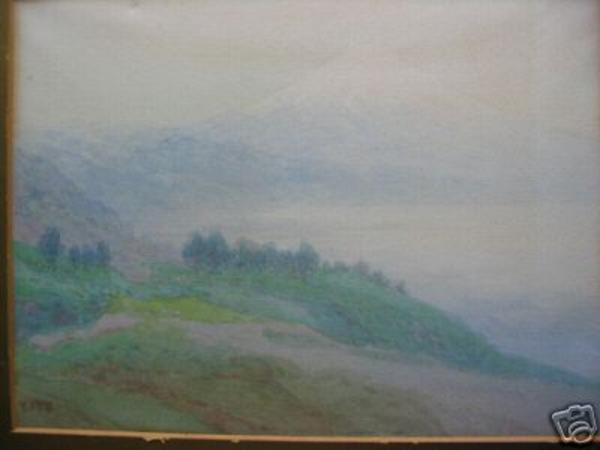
Landscape of trees with Mt Fuji in background
Woodblock print
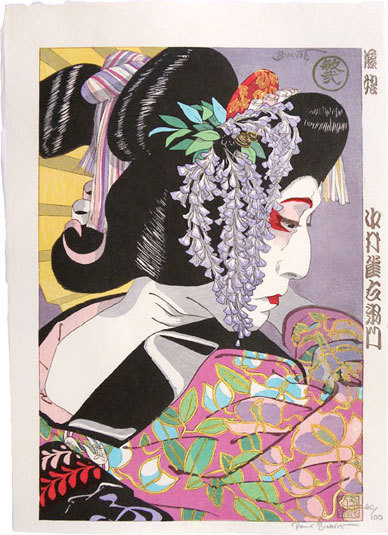
Large-head Kabuki Portraits: Nakamura Jakuemon as the Wisteria Maiden (Kabuki okubi-e: Nakuamura Jakuemon- Fuji Musume)
Woodblock print
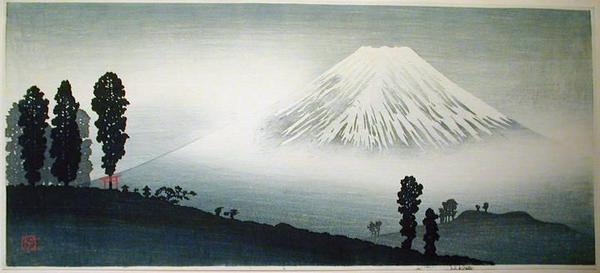
M14- Mt Fuji in mist- mountain pass in front- Variant
Woodblock print
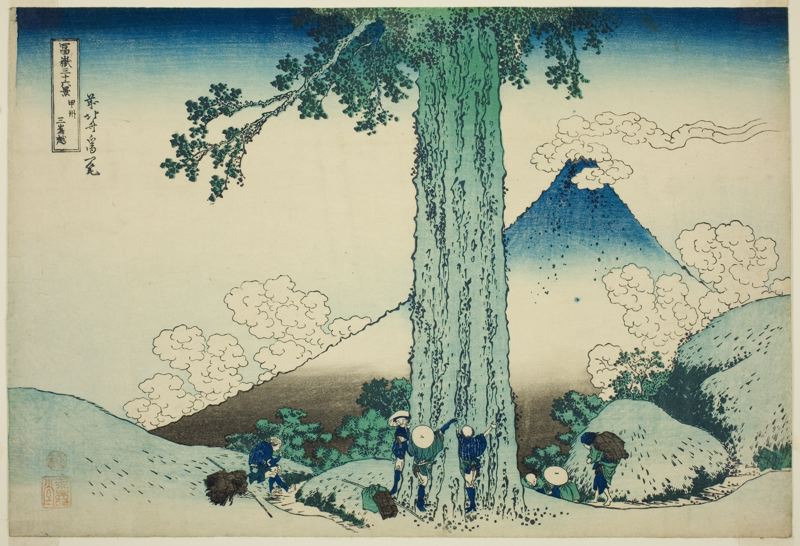
Mishima Pass in Kai Province (Koshu Mishimagoe), from the series Thirty-Six Views of Mount Fuji (Fugaku sanjurokkei)
ca. 1831
Woodblock print

Mitate No.53 - Fuji (Fuji)
2002

Morning at Mt. Fuji (Fuji no Asa)
Fuji no Asa
1936
Color woodblock print
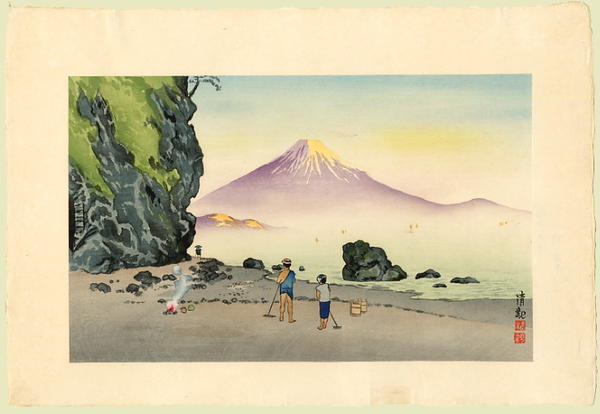
Morning Fuji at Okitsu — 興津の朝富士
Woodblock print
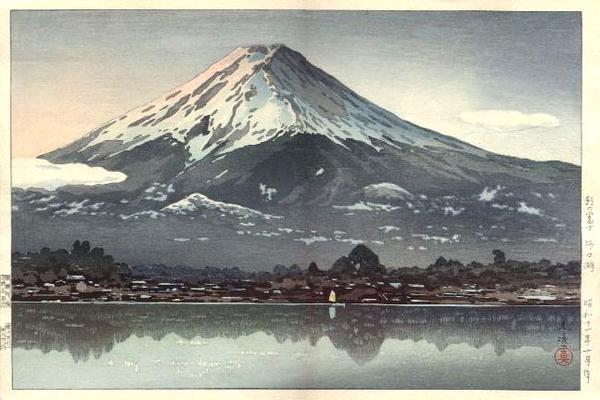
Morning Fuji from Lake Kawaguchi
Woodblock print
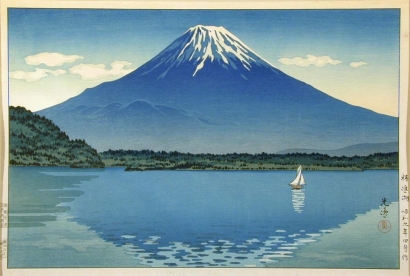
Mount Fuji
Woodblock print

Mount Fuji at Dawn (Akayuku Fuji)
c. 1942
Color woodblock print; oban

Mount Fuji at Daybreak (Fuji no akebono)
n.d.
Color woodblock print
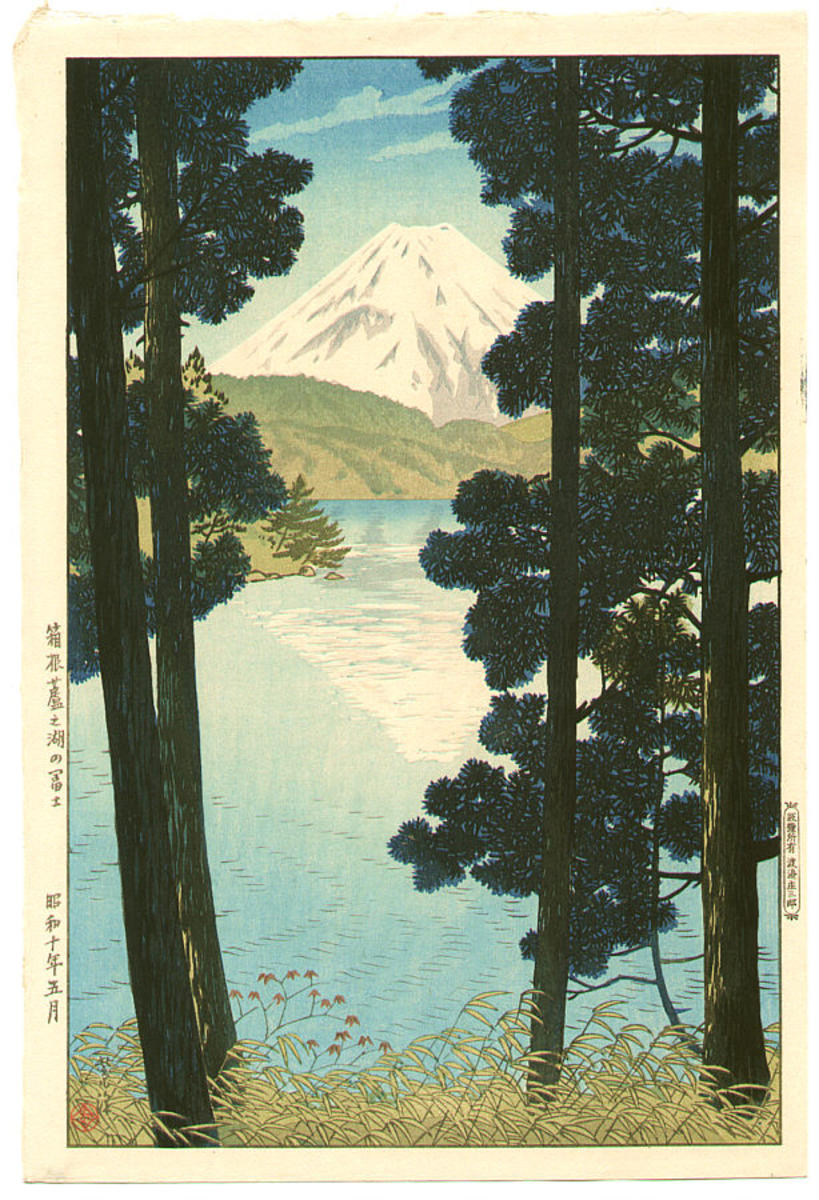
Mount Fuji at Lake Ashinoko
Woodblock print
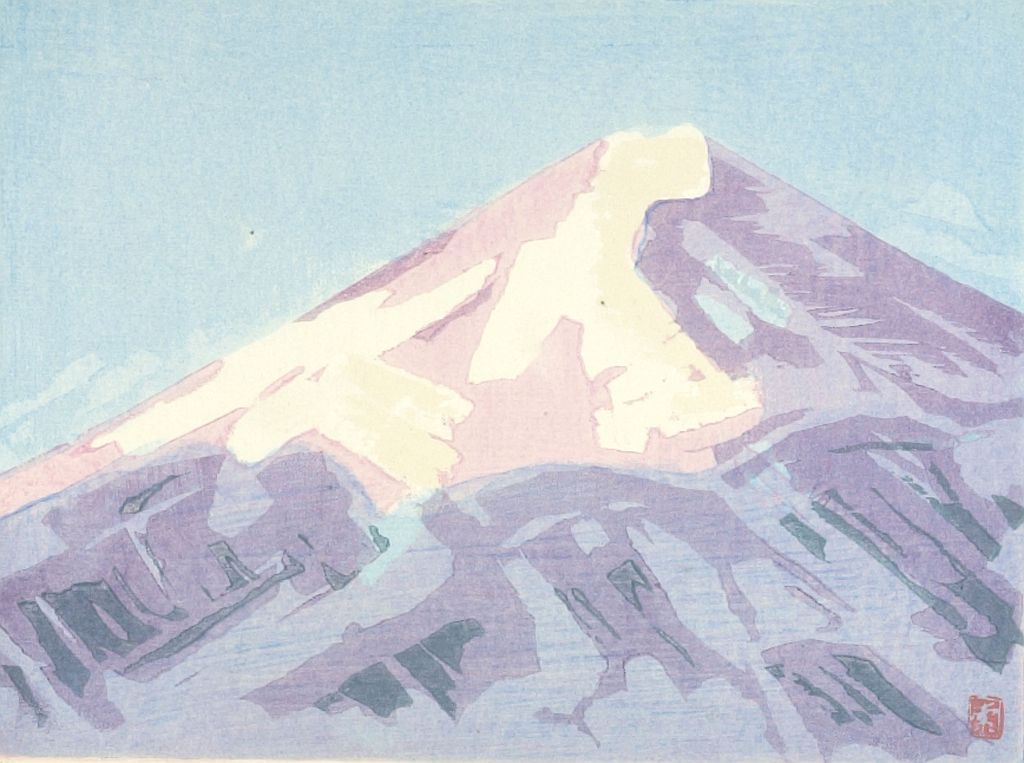
Mount Fuji from Behind, from the series One Hundred Views of New Japan (Shin Nippon hyakkei), Shôwa period, dated 1939
Woodblock print
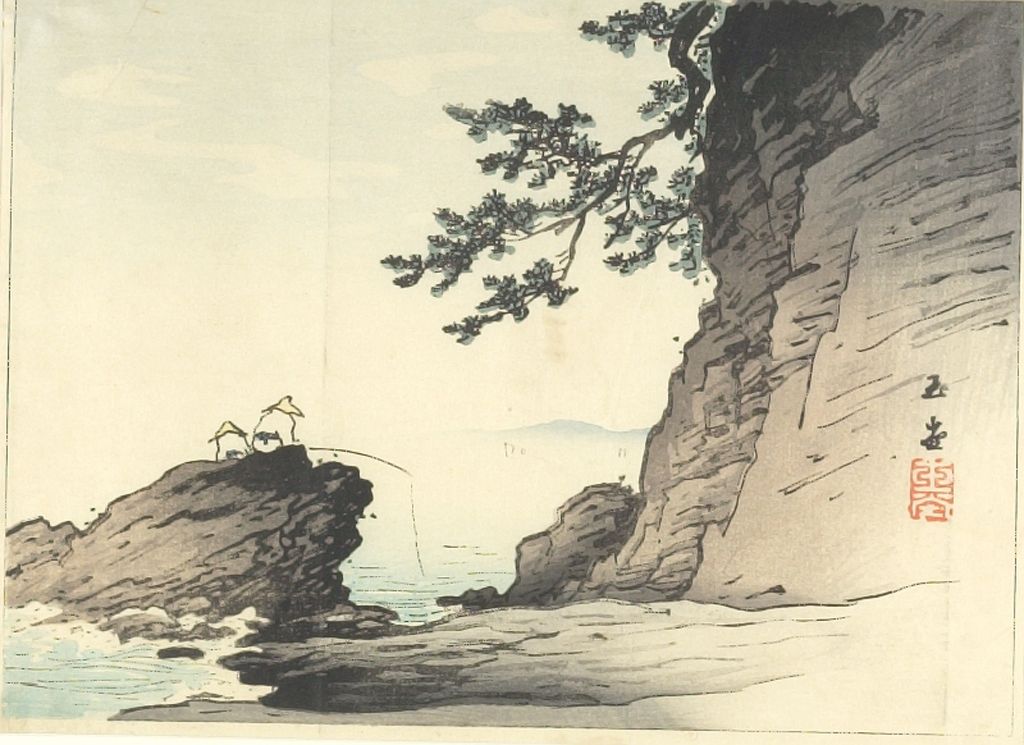
Mount Fuji from Behind, Shôwa period, dated 1939
Woodblock print

Mount Fuji from Kumoni Izu
1970
Woodblock print

Mount Fuji from Mizukubo
1930s
Color woodblock print; oban
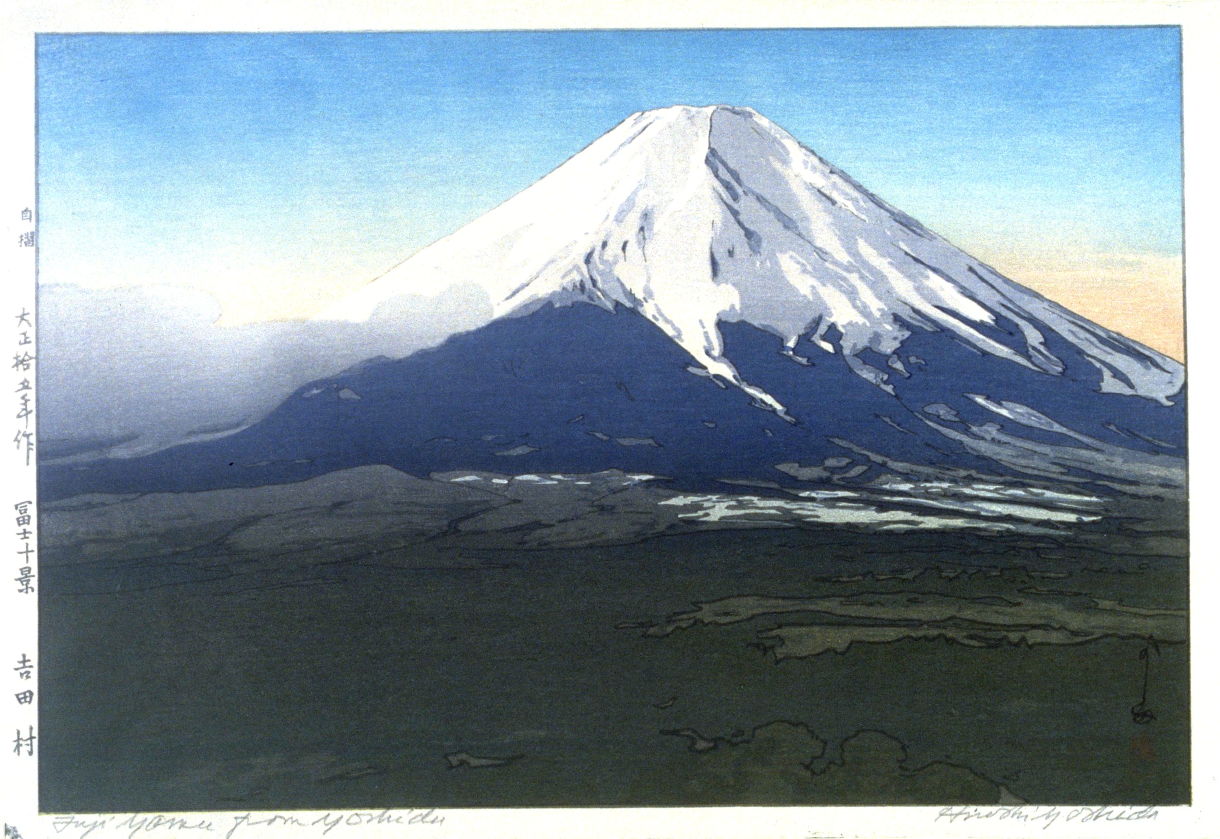
Mount Fuji from Yoshida
19th–20th century
Woodblock print

Mount Fuji in Early Morning from Lake Hakone
20th century
Woodblock print
![Mount Fuji on a Moonlit Night, Kawai Bridge (Tsukiyo no Fuji [Kawaibashi]), from the series "Selection of Views of the Tokaido (Tokaido fukei senshu)" by Kawase Hasui](https://www.artic.edu/iiif/2/d0960668-1e73-339a-b182-fb995a54bff0/full/843,/0/default.jpg)
Mount Fuji on a Moonlit Night, Kawai Bridge (Tsukiyo no Fuji [Kawaibashi]), from the series "Selection of Views of the Tokaido (Tokaido fukei senshu)"
1947
Color woodblock print; oban
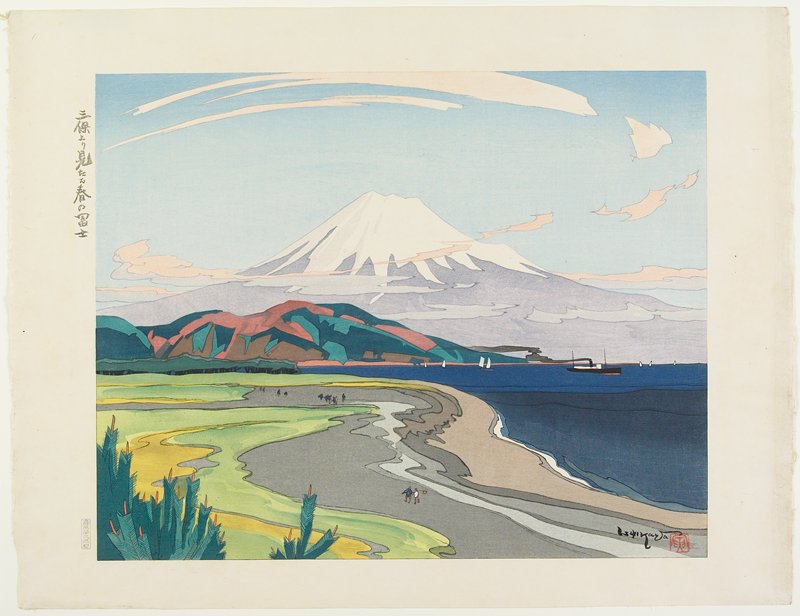
Mount Fuji Seen From Miho in Spring
1934
Woodblock print, ink and color on paper
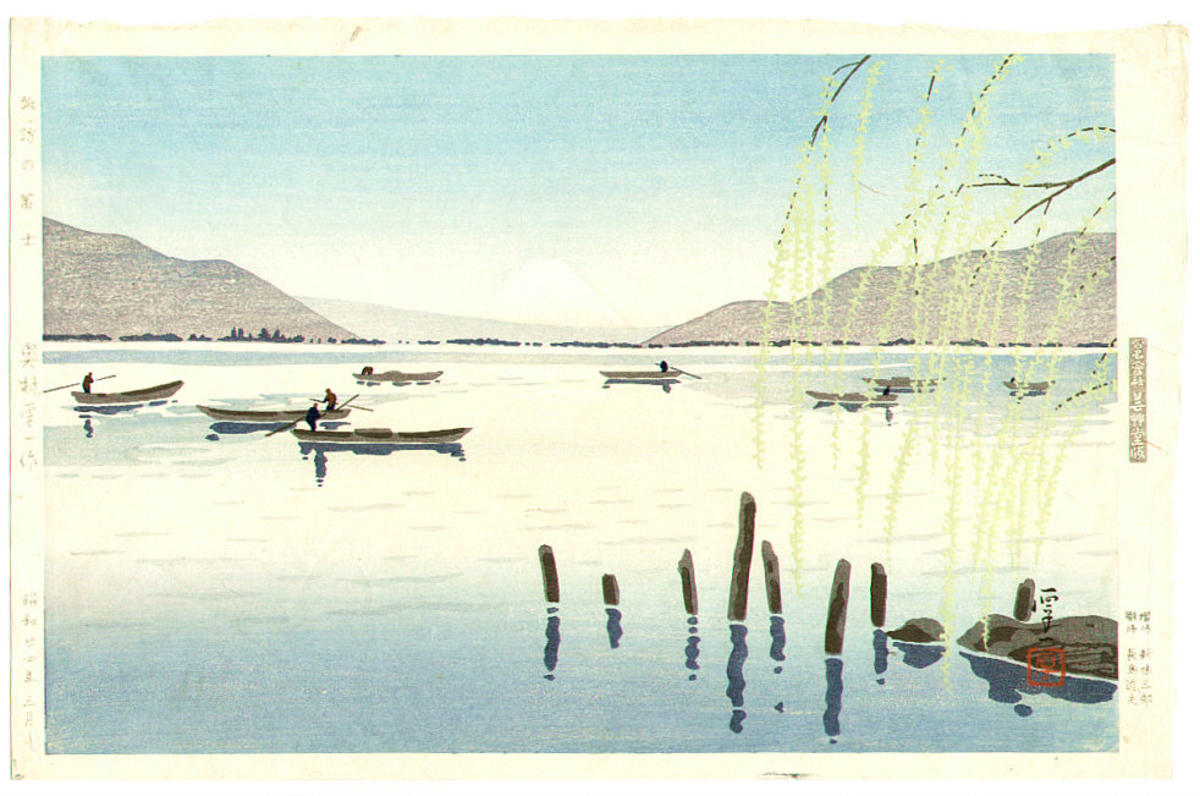
Mount Fuji seen from Suou
Woodblock print
Mount Fuji Seen from the Pass (Tōge no Fuji)
20th century
Woodblock print; ink and color on paper
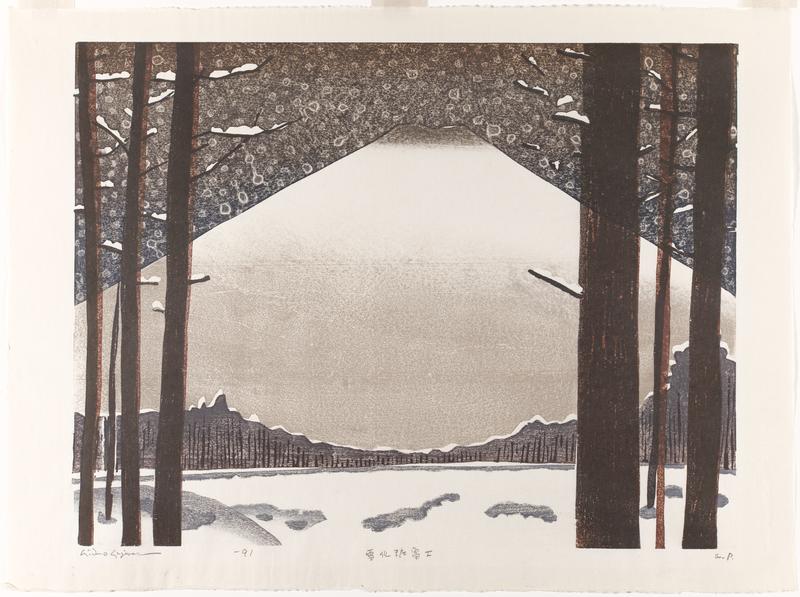
Mount Fuji with a Coating of Snow
1991
Woodblock print, ink and color on paper

Mount Fuji with Cherry Trees in Bloom
c. 1801/05
Color woodblock print; surimono

Mount Fuji, Oshino (Oshino no Fuji)
1942
Color woodblock print
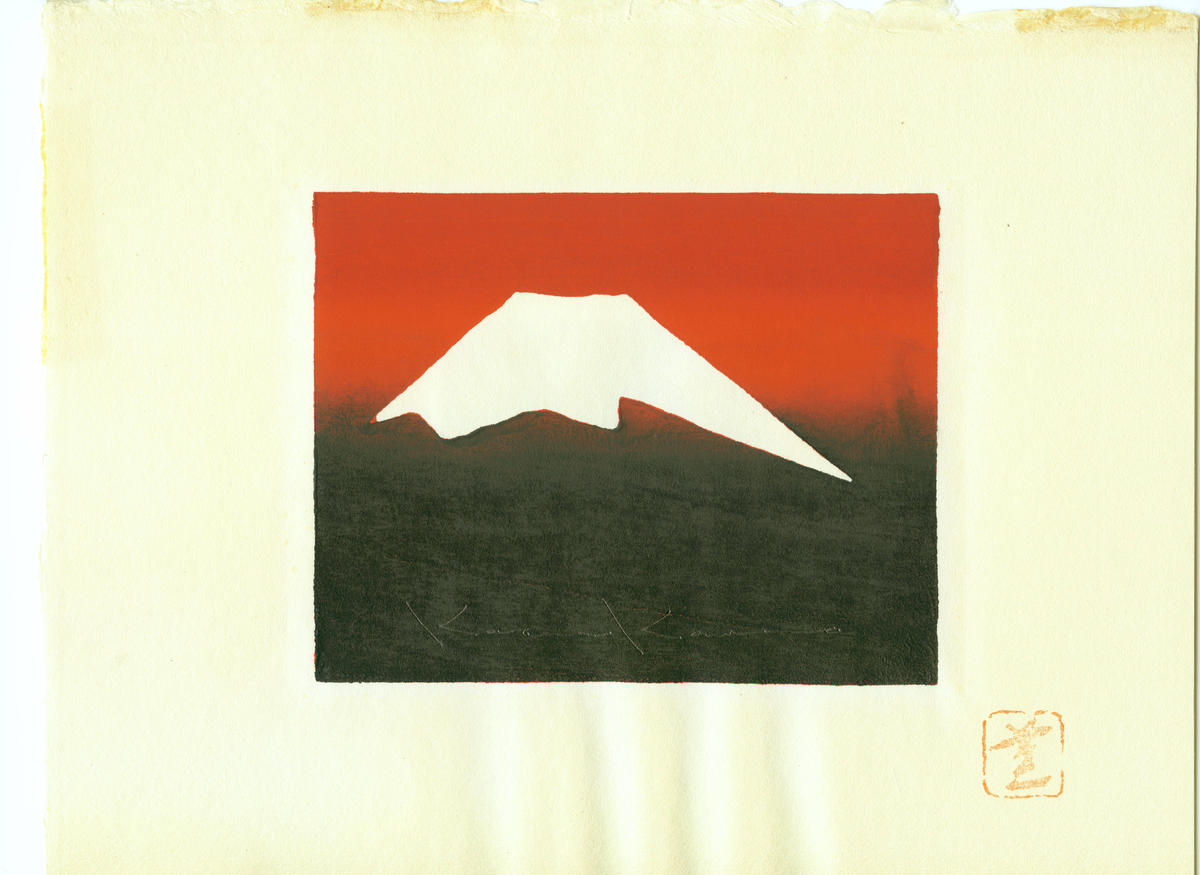
Mt Fuji
Woodblock print
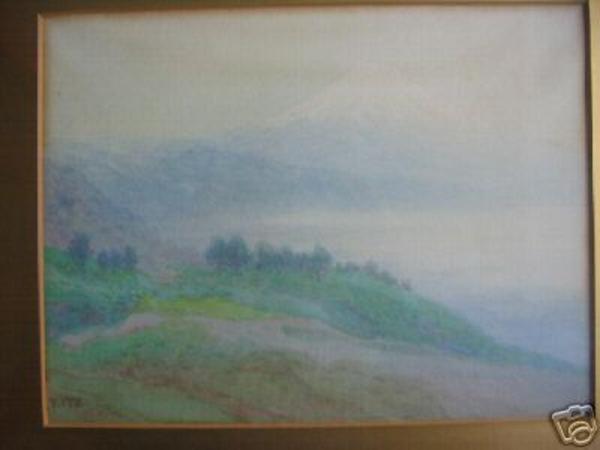
Mt Fuji and bay
Woodblock print

Mt Fuji and lake
Woodblock print
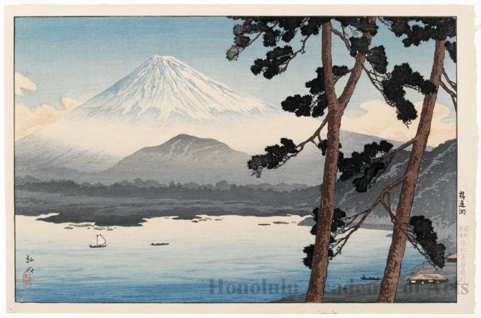
Mt Fuji and Lake Yamanaka
Woodblock print
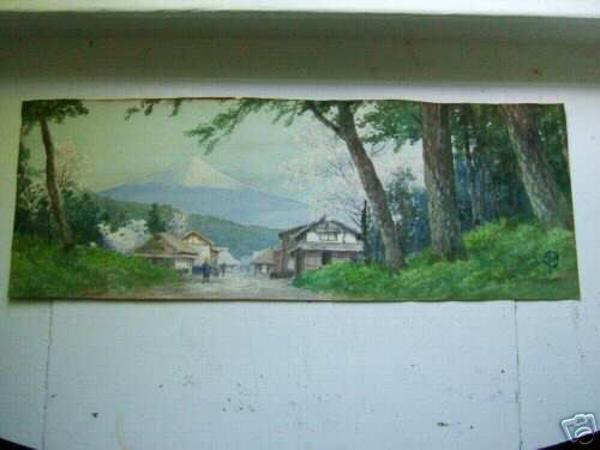
Mt Fuji and village in spring
Woodblock print

Mt Fuji at Dawn
1959
Woodblock print

Mt Fuji from Lake Yamamaka
Woodblock print

Mt Fuji in autumn with bridge
Woodblock print
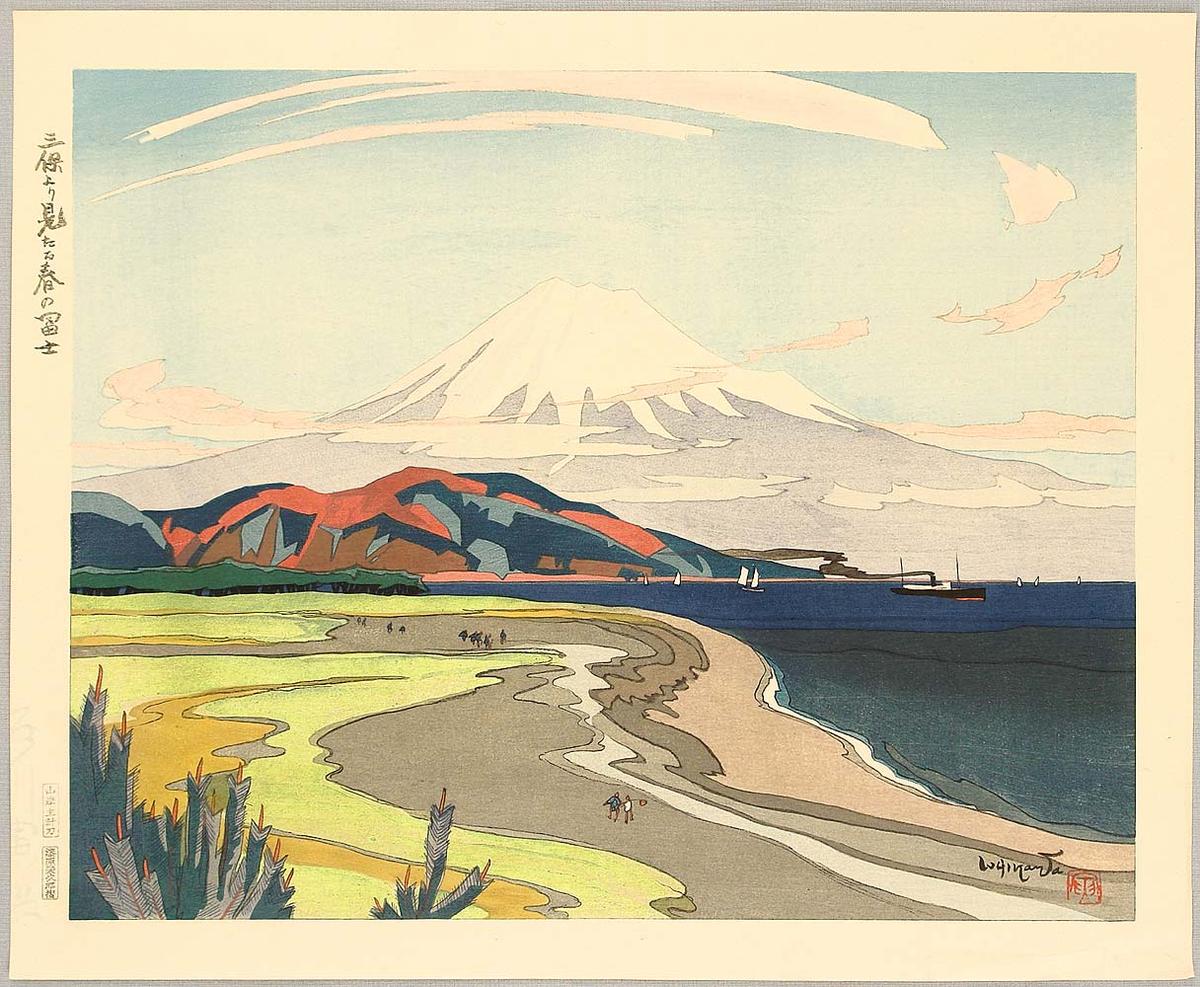
Mt Fuji in Spring from Miho
Woodblock print
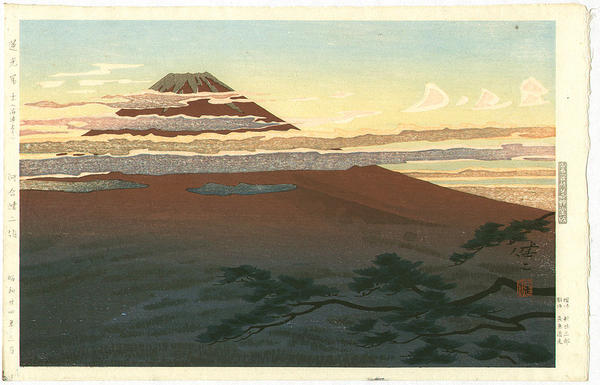
Mt Fuji Seen from Numazu
Woodblock print
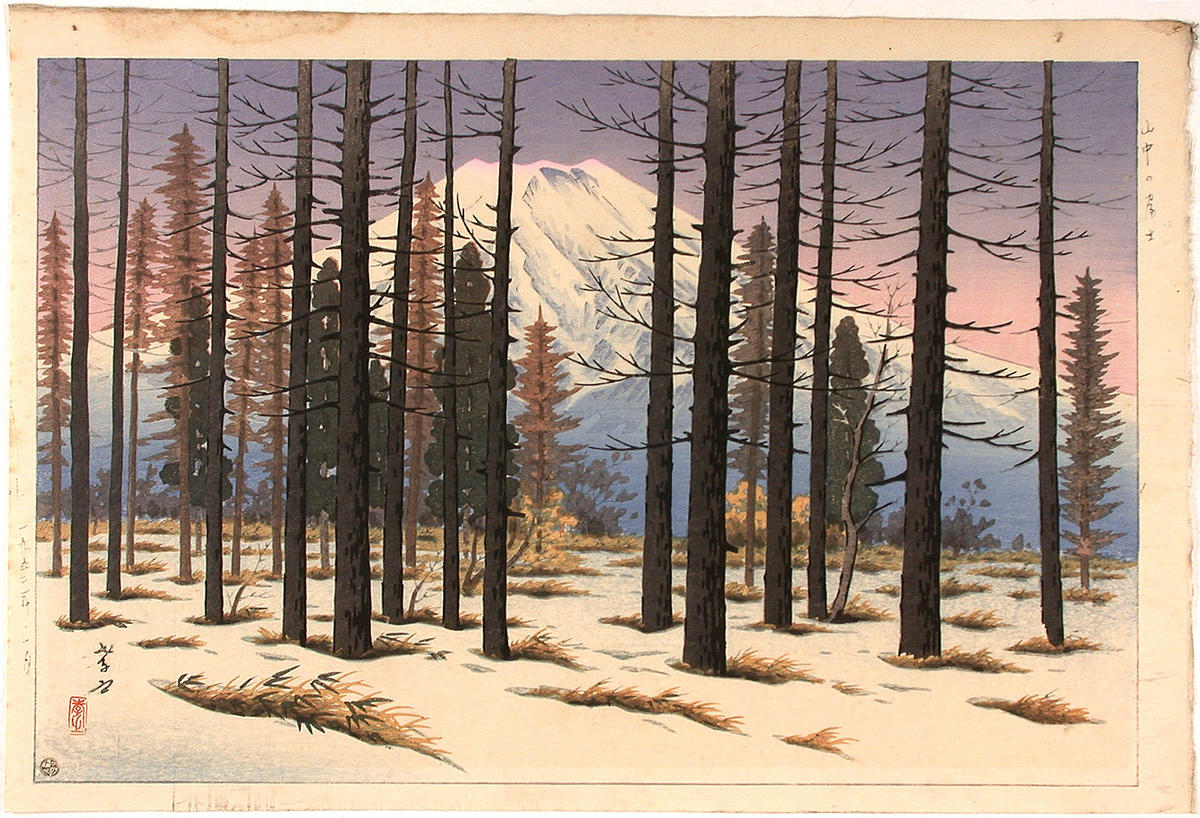
Mt Fuji seen from Yamanaka
Woodblock print
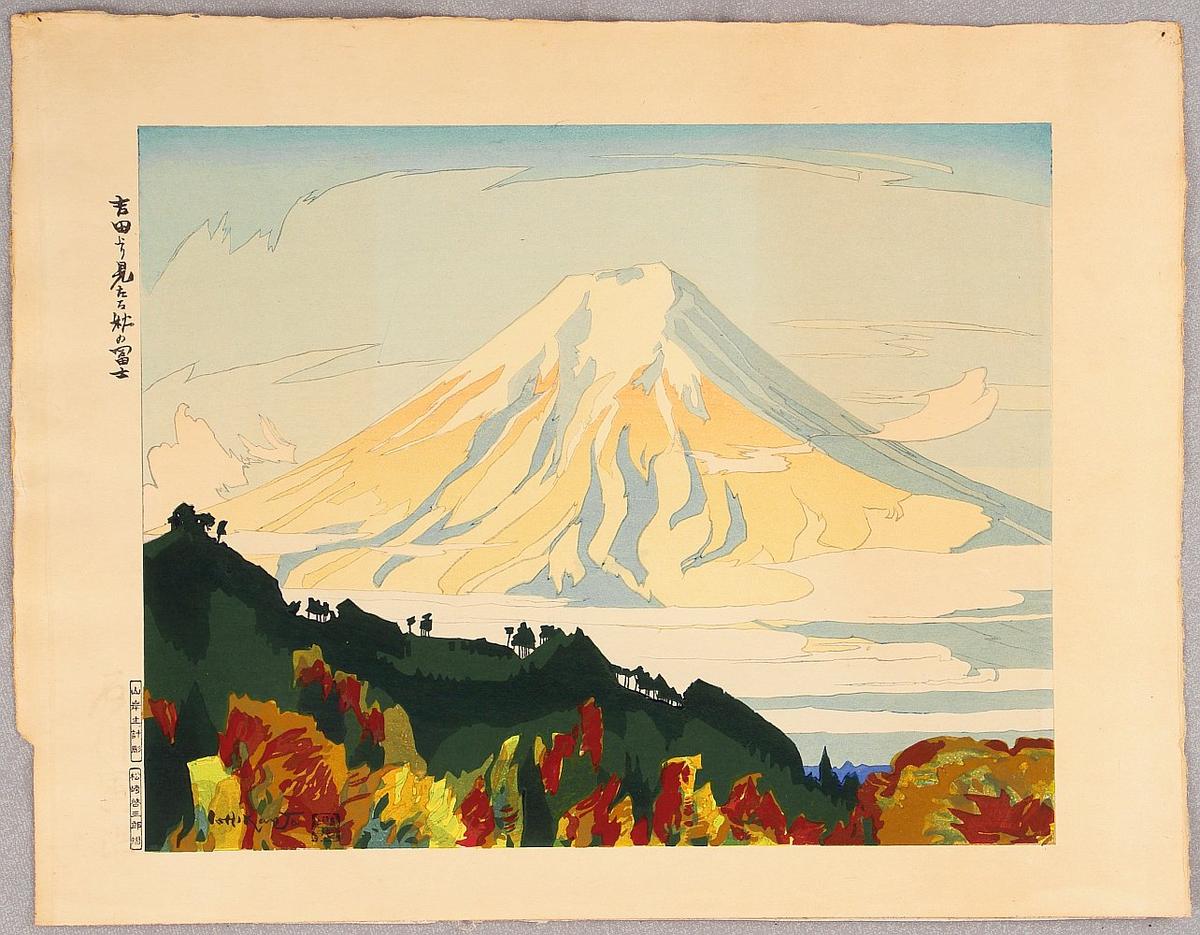
Mt Fuji Seen from Yoshida
Woodblock print
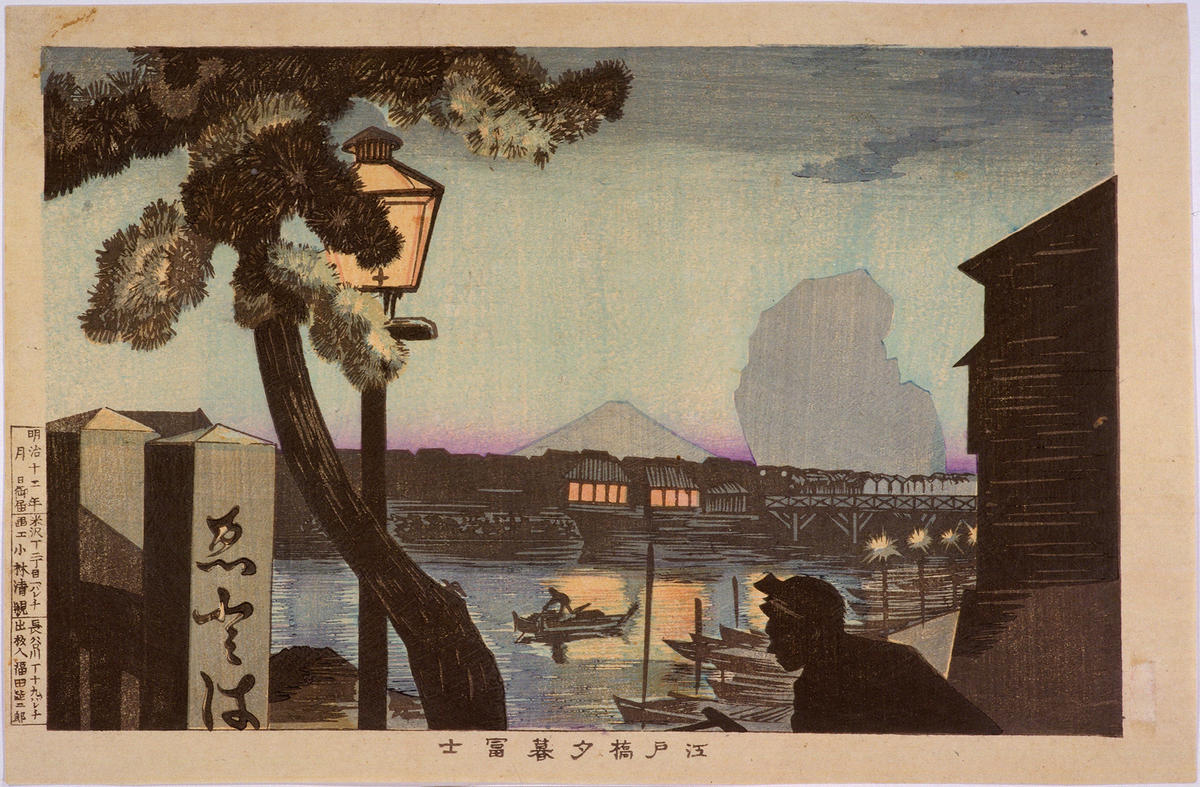
Mt Fuji Viewed from Edobashi Bridge — 江戸橋夕暮富士
Woodblock print

Mt Fuji with sailboats on lake
Woodblock print
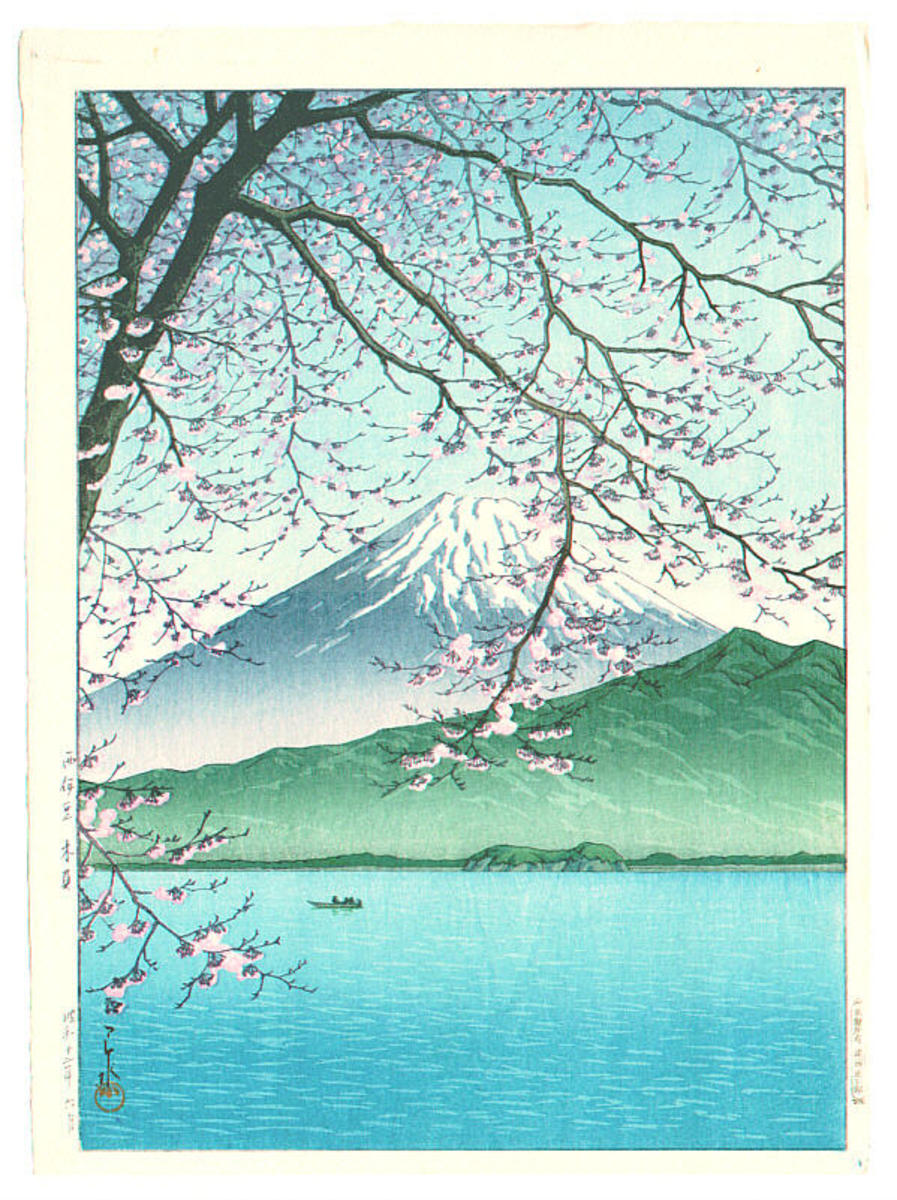
Mt. Fuji
富士山
Woodblock print

Mt. Fuji
Woodblock print
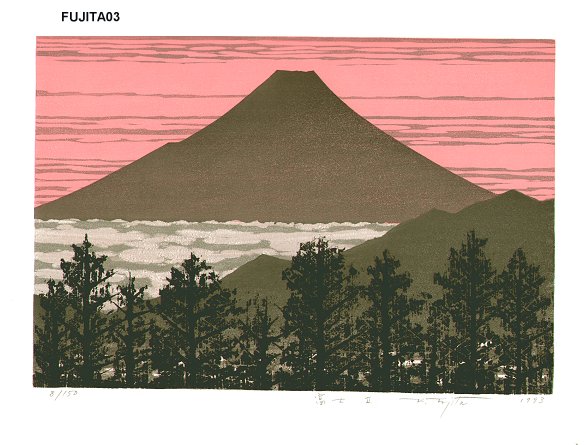
Mt. Fuji 11
Woodblock print
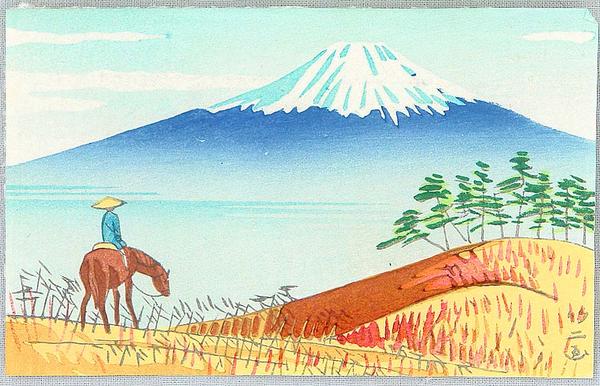
Mt. Fuji and Horse Rider
Woodblock print
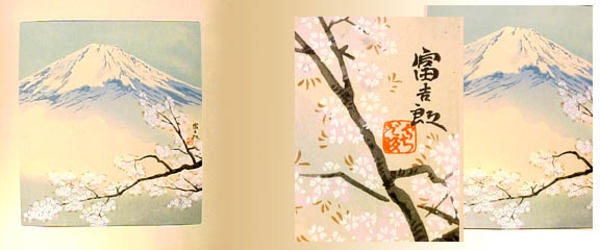
Mt. Fuji and Ship - Thirty-six Views of Mt. Fuji
Woodblock print
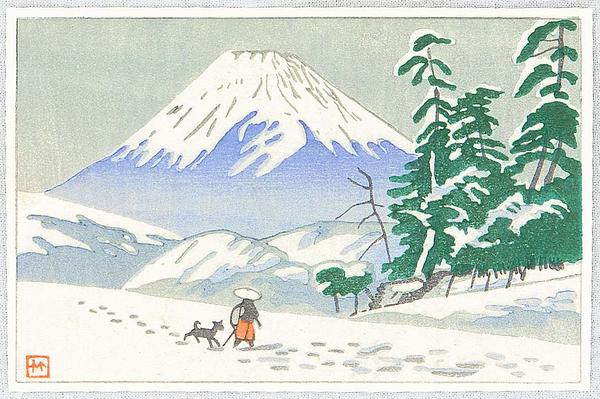
Mt. Fuji and Traveller
Woodblock print
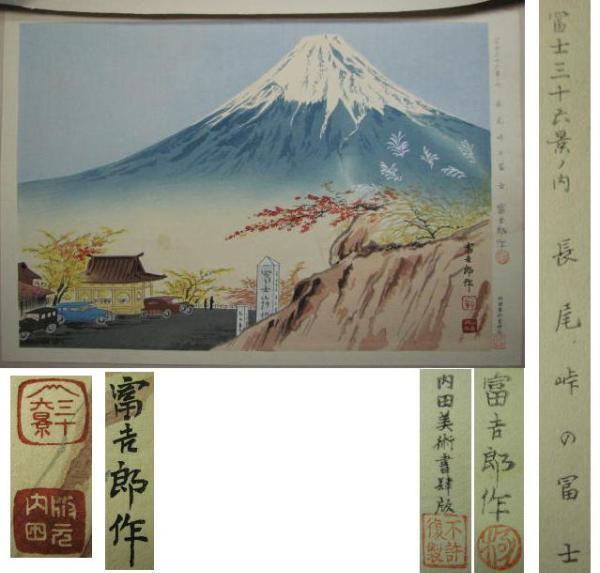
Mt. Fuji at Nagao Pass - Thirty-six Views of Mt. Fuji
Woodblock print
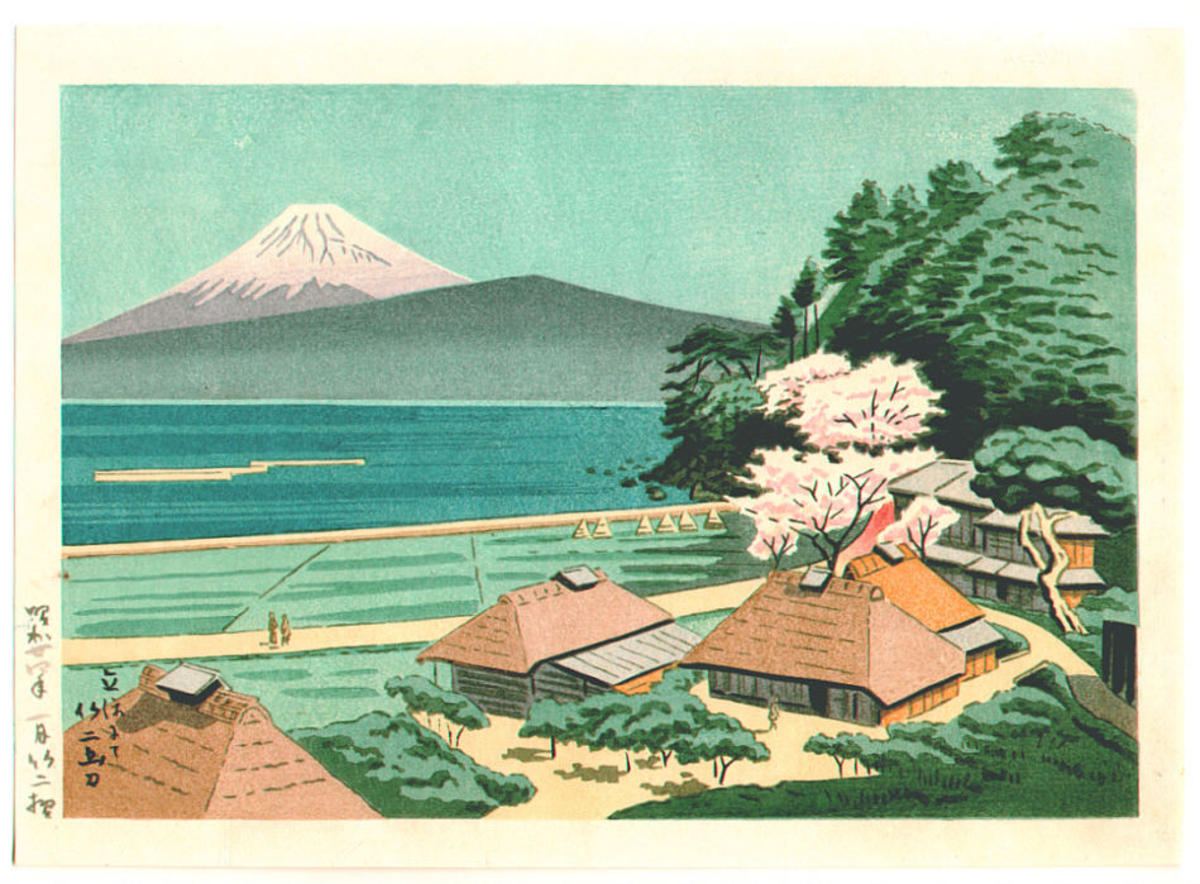
Mt. Fuji at Tateho
Woodblock print
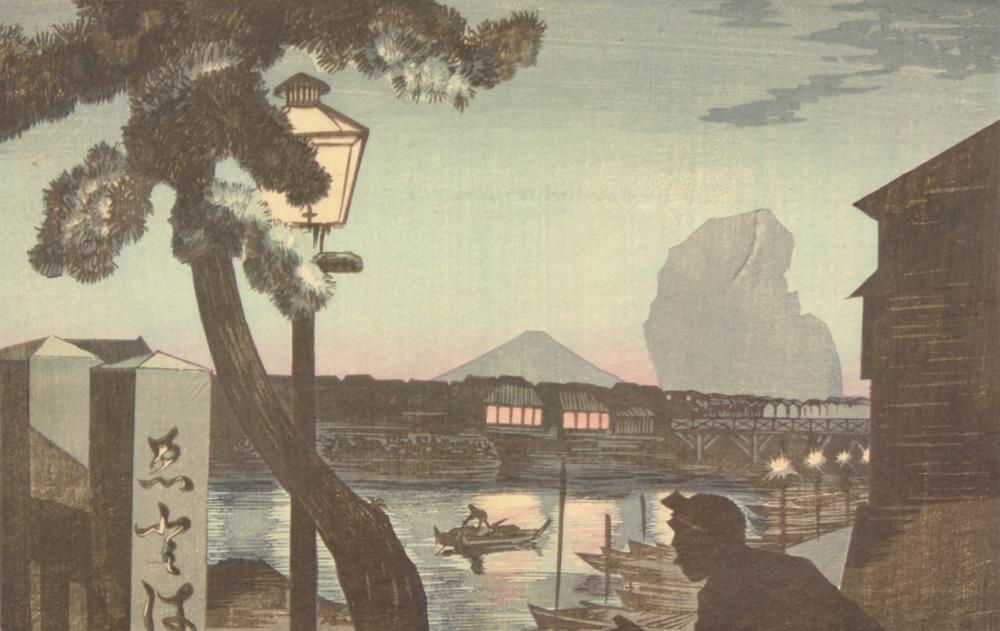
Mt. Fuji at Twilight from Edobashi
Woodblock print
Mt. Fuji D
Woodblock print
Mt. Fuji D
Woodblock print
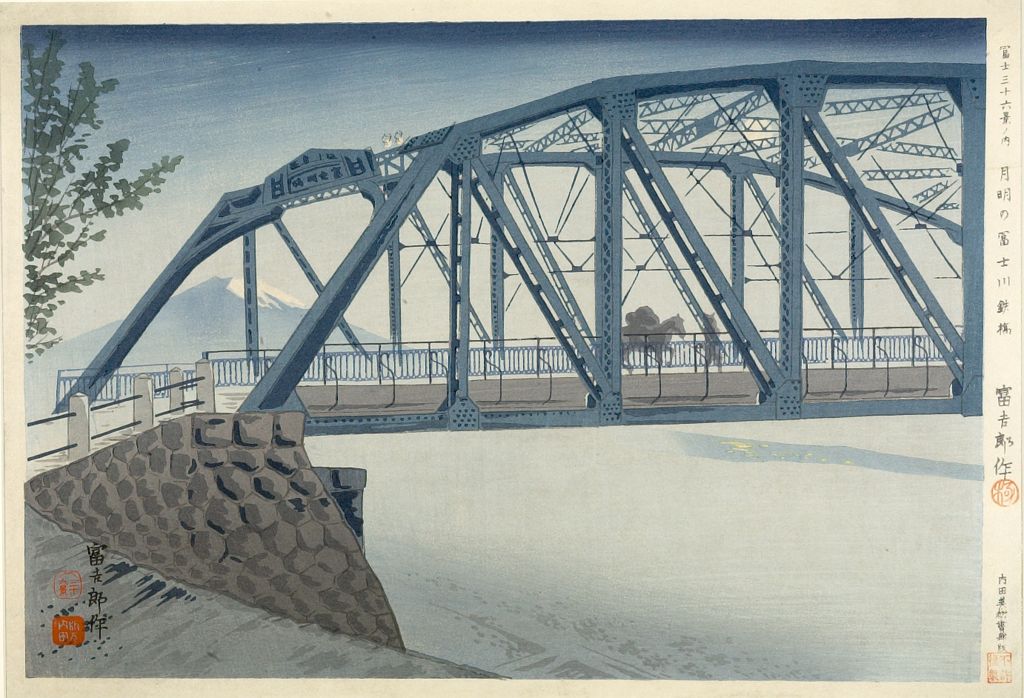
Mt. Fuji from Shiraiko Lake - Thirty-six Views of Mt. Fuji
Woodblock print

Mt. Fuji from Tago-no-ura
1920s-1930s
Woodblock print (nishiki-e), ink and color on paper
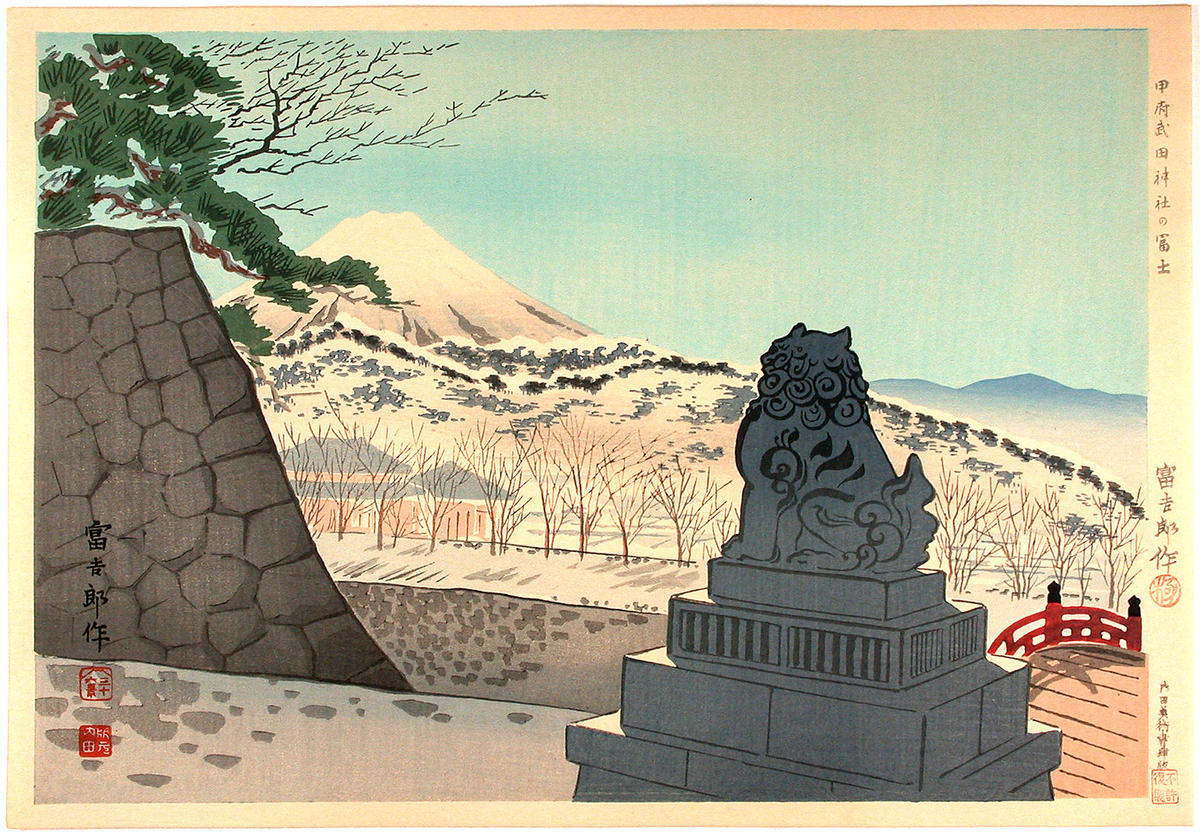
Mt. Fuji from Takeda Shrine - Thirty-six Views of Mt. Fuji
Woodblock print
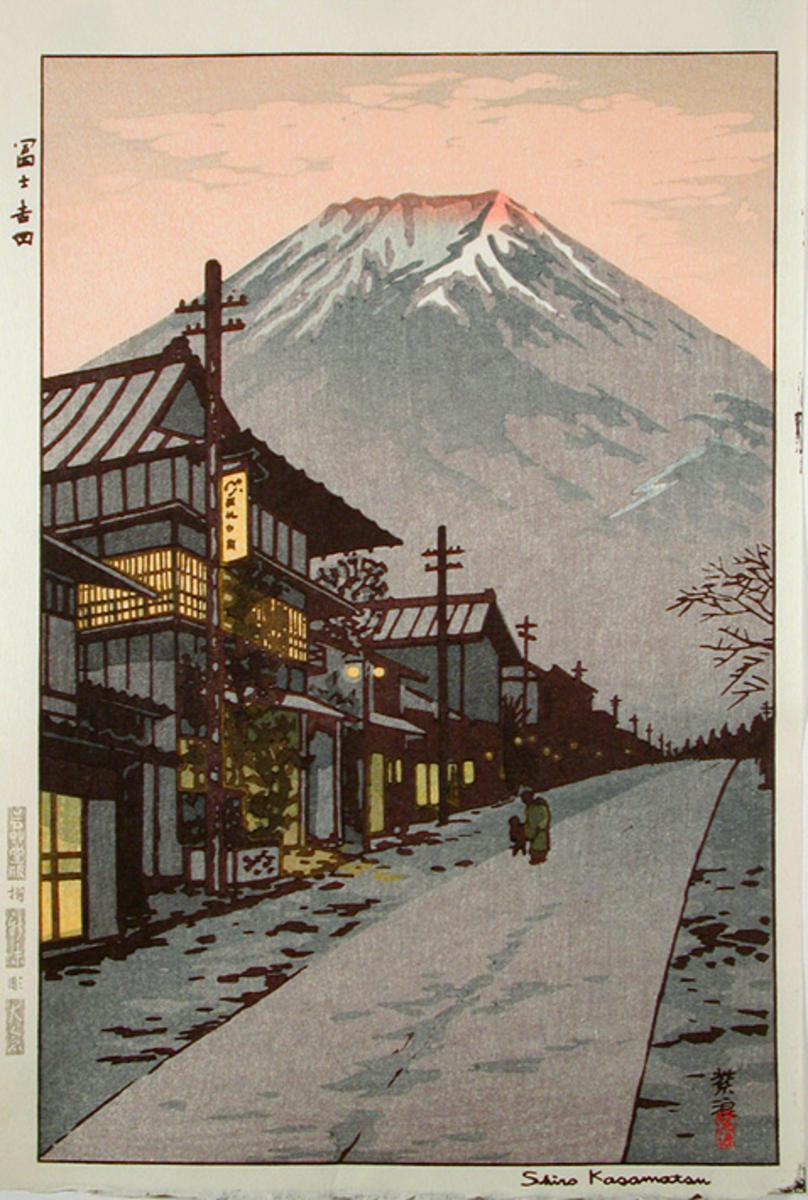
Mt. Fuji from Yoshida
Woodblock print
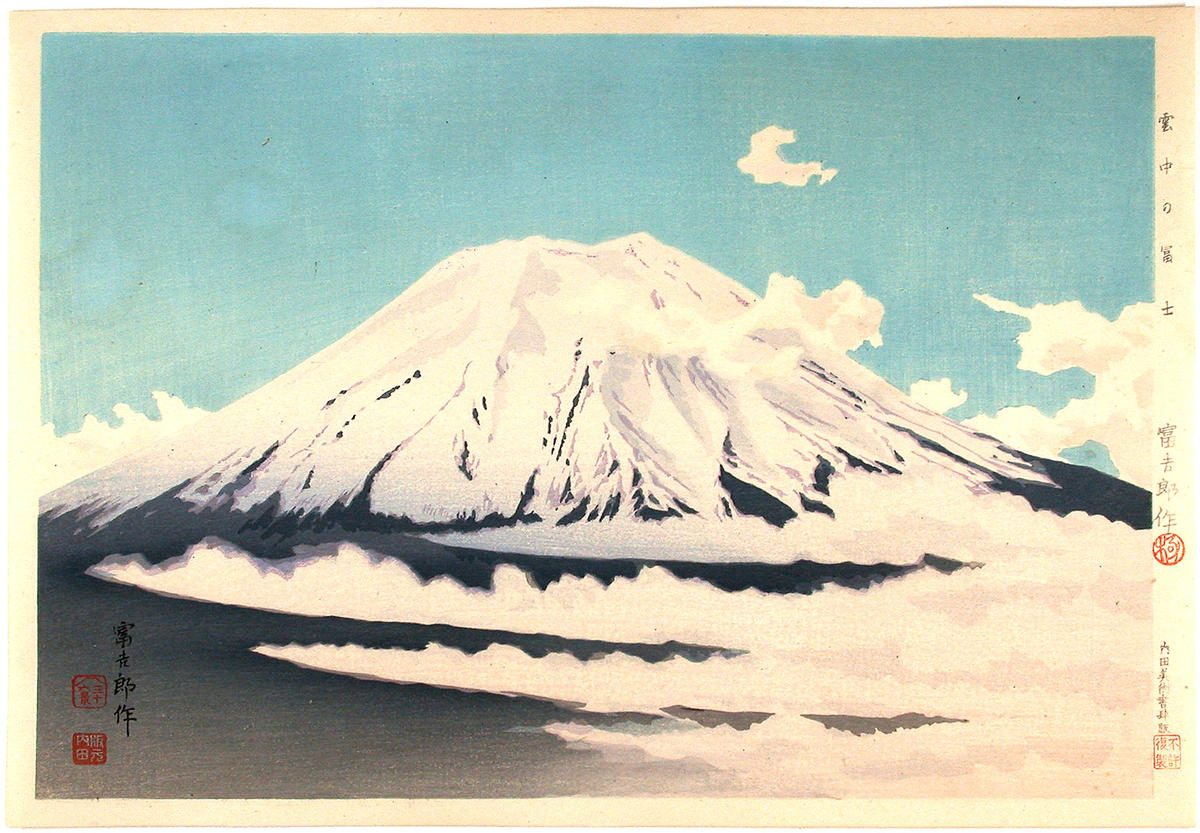
Mt. Fuji in Clouds - Thirty-six Views of Mt. Fuji
Woodblock print

Mt. Fuji in Rain (Ame no Fuji)
n.d.
Color woodblock print
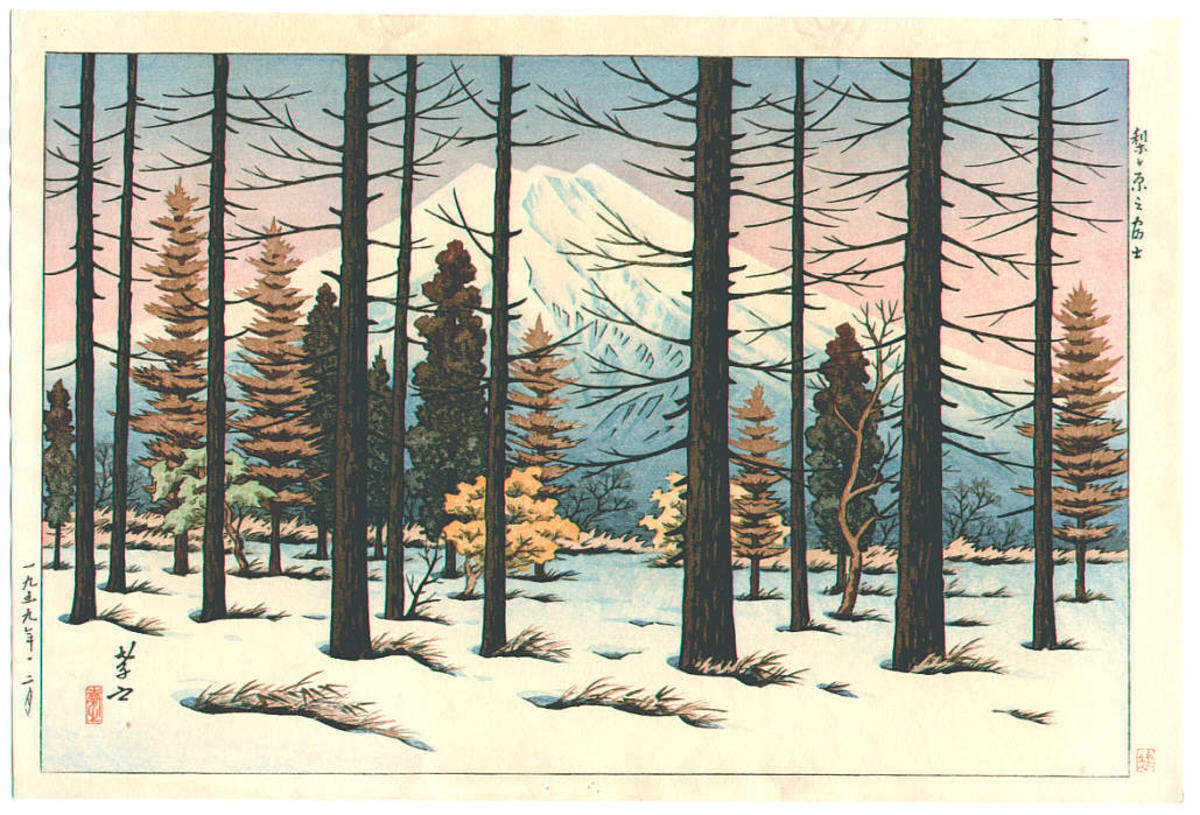
Mt. Fuji seen from Nashigahara
Woodblock print

Mt. Fuji- Sun Set
Woodblock print
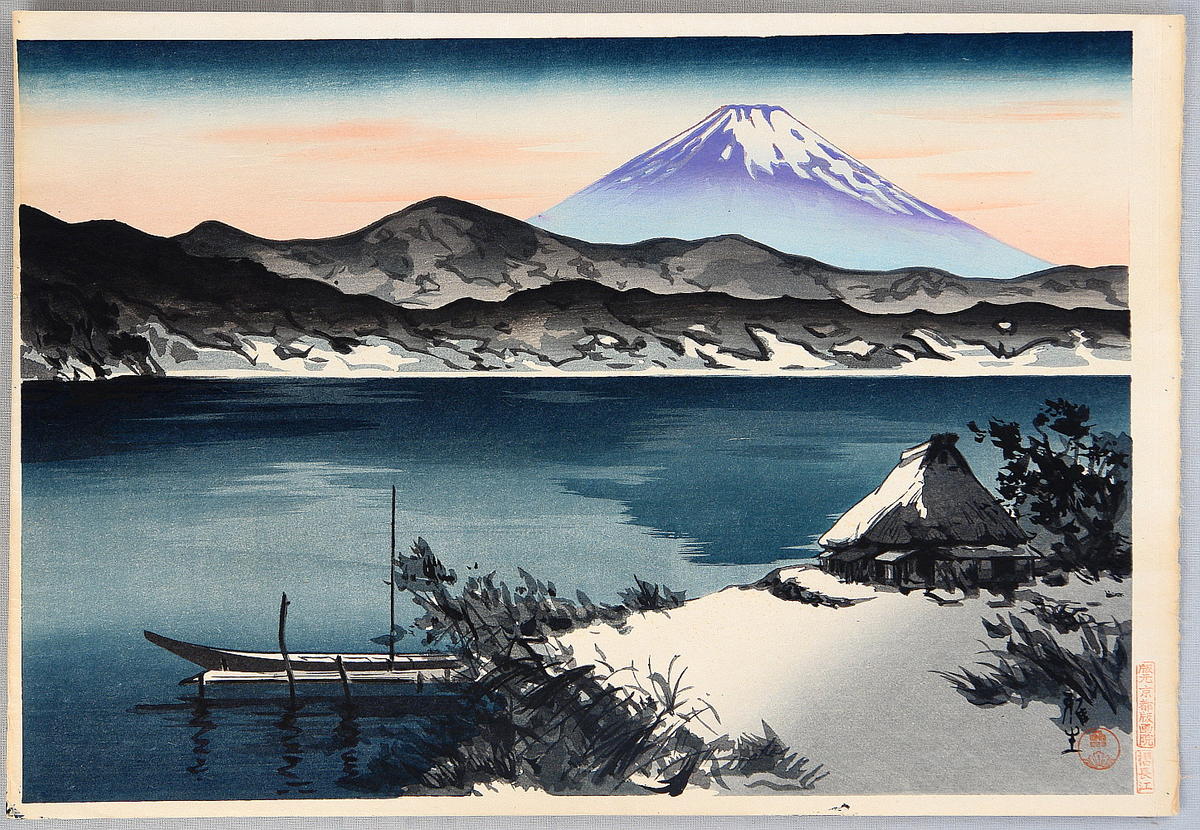
Mt. Fuji- V2- Winter
Woodblock print

Mt. Fuji, Clearing after a Snowfall in Oshiono (Fuji no yukibare (Oshiono fukin))
1952
Color woodblock print

Nitta Tadatsune Encounters the Goddess of Mt. Fuji and Her Dragon in Her Cave on Mt. Fuji.
Woodblock print
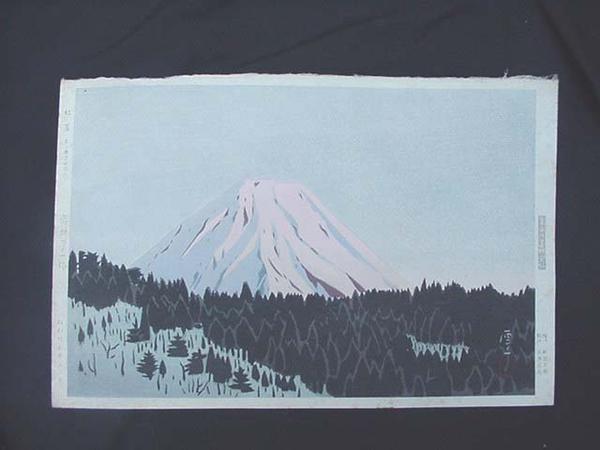
No Series Mt Fuji
Woodblock print
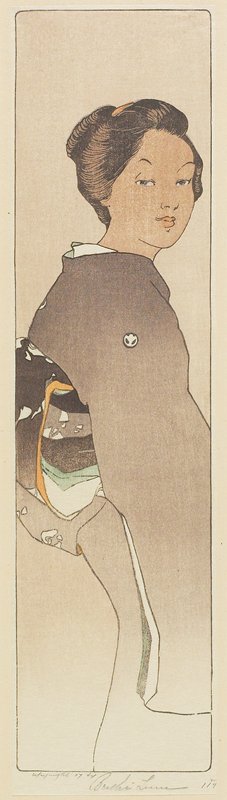
O Fuji San
1907
Color woodcut

Plum Blossom and the Moon from the Book Mount Fuji in Spring (Haru no Fuji)
c. 1803
Woodblock- printed book
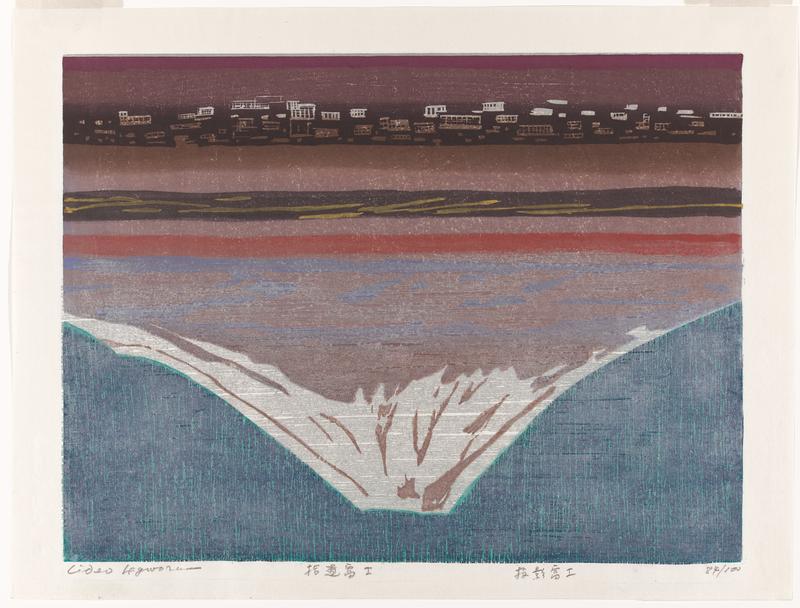
Projection of Mt. Fuji
1990–91
Woodblock print, ink and color on paper

Red Fuji
1967
Color woodblock print
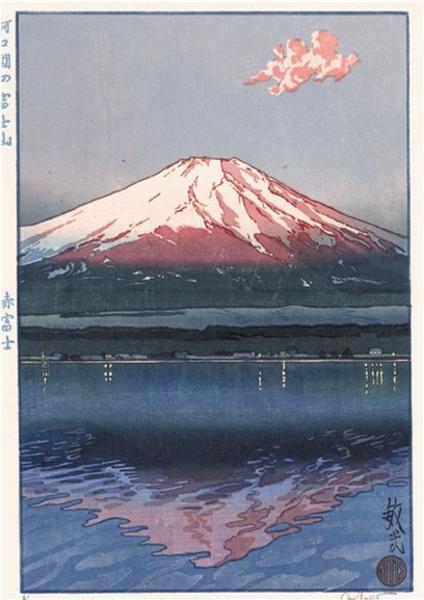
Red Fuji
Woodblock print
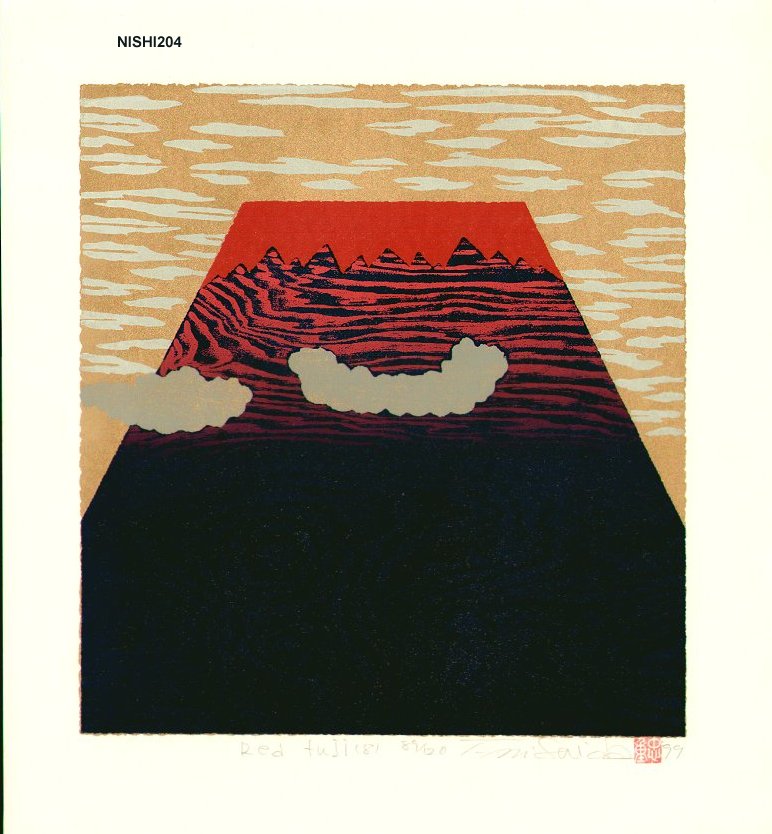
Red Fuji (8)
Woodblock print

Seikenji Fuji, from the series "Mirror of Stone Rubbings of Views of the Provinces (Kohon meihitsu ishizuri kagami)"
n.d.
Woodblock print; ishizuri-e, harimaze
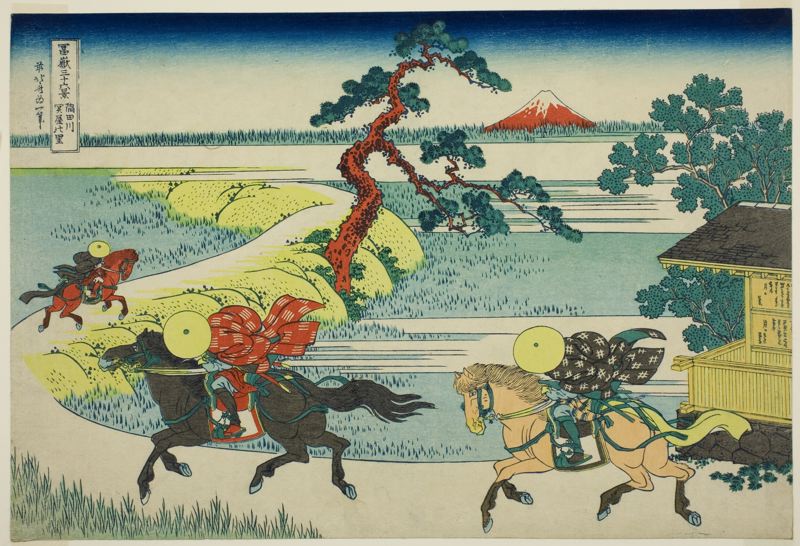
Sekiya Village on the Sumida River (Sumidagawa Sekiya no sato), from the series Thirty-six views of Mount Fuji (Fugaku sanjurokkei)
ca. 1831
Woodblock print

Senju Hana-machi Yori Chobo no Fuji (Mount Fuji Seen from Senju Pleasure Quarter), from the series Thirty-Six Views of Mount Fuji (Fugaku sanjurokkei)
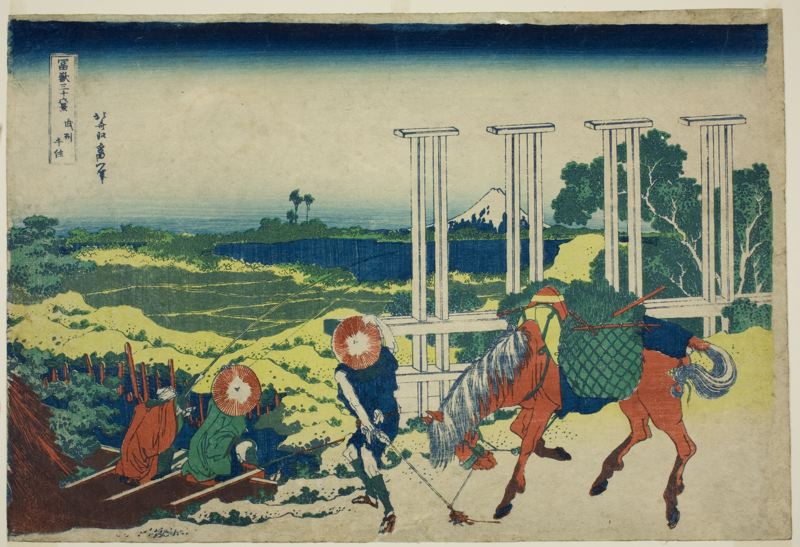
Senju Musashi Province (Bushu Senju), from the series Thirty-six Views of Mount Fuji (Fugaku sanjurokkei)
Woodblock print
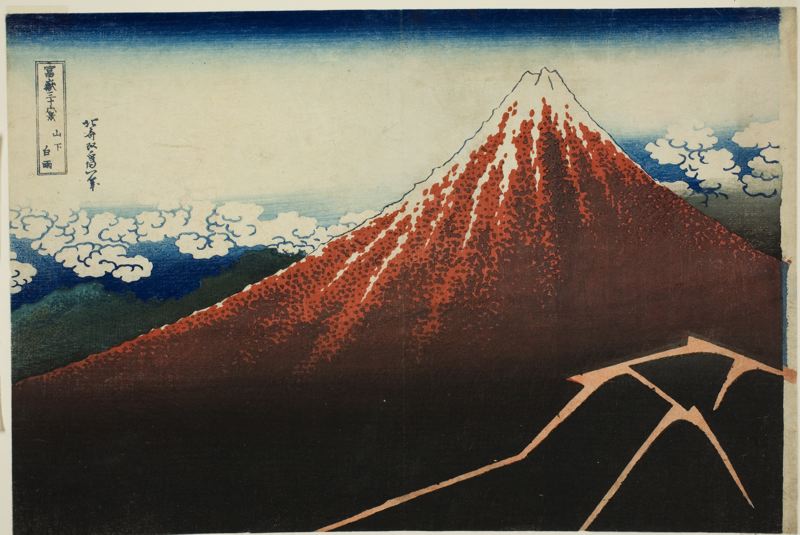
Shower Below the Summit (Sanka hakuu), from the series Thirty-six Views of Mount Fuji (Fugaku sanjurokkei)
Woodblock print
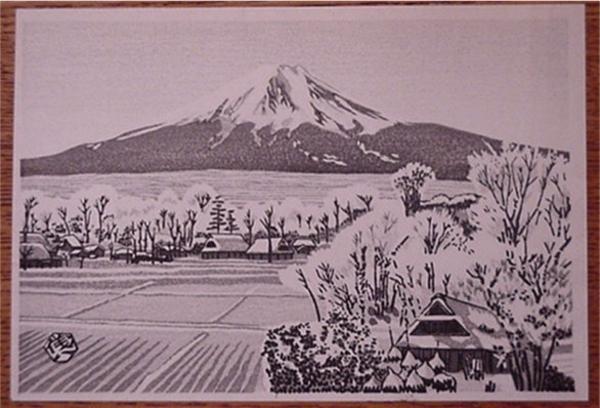
snowcapped Mt Fuji
Woodblock print
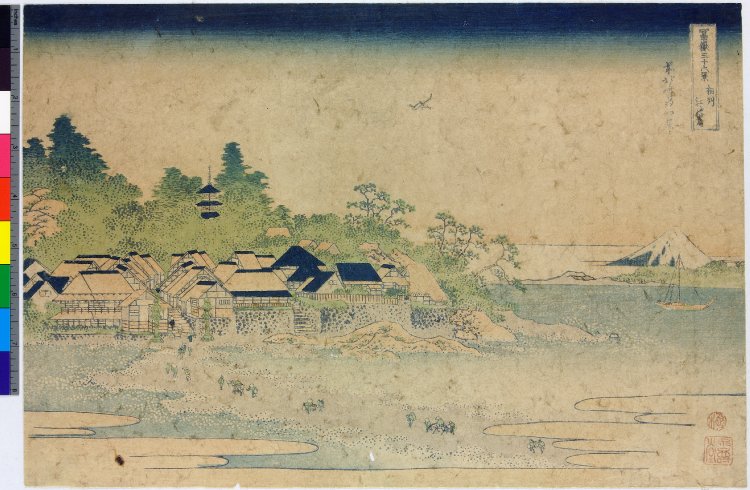
Soshu Enoshima / Fugaku Sanju Rokkei (36 Views of Mt. Fuji)
Woodblock print
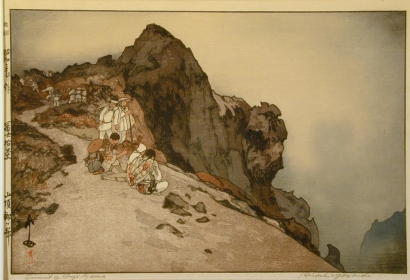
Summit of Fujiyama
1928
Woodblock print

Sunset Mt. Fuji
1995
Woodblock print, ink and color on paper
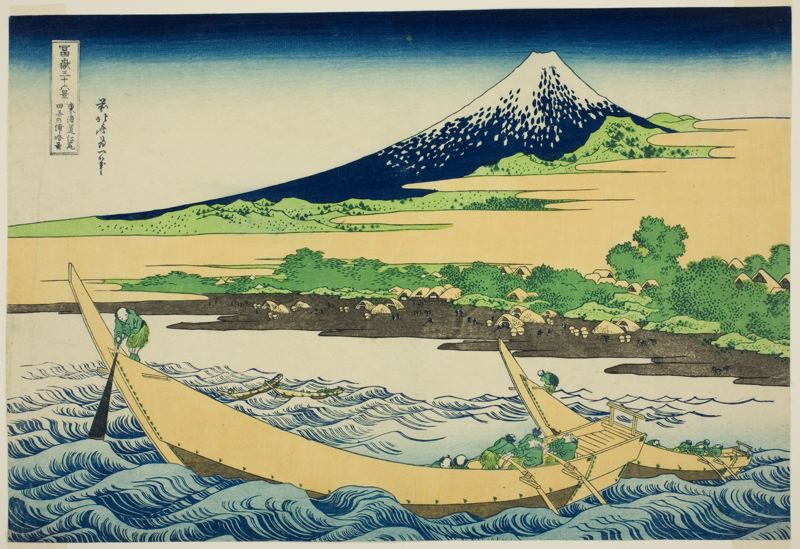
Taganoura Bay near Ejiri on the Tokaido (Tokaido Ejiri tagono ura ryakuzu), from the series Thirty-six Views of Mt. Fuji (Fugaku sanjuokkei)
Woodblock print
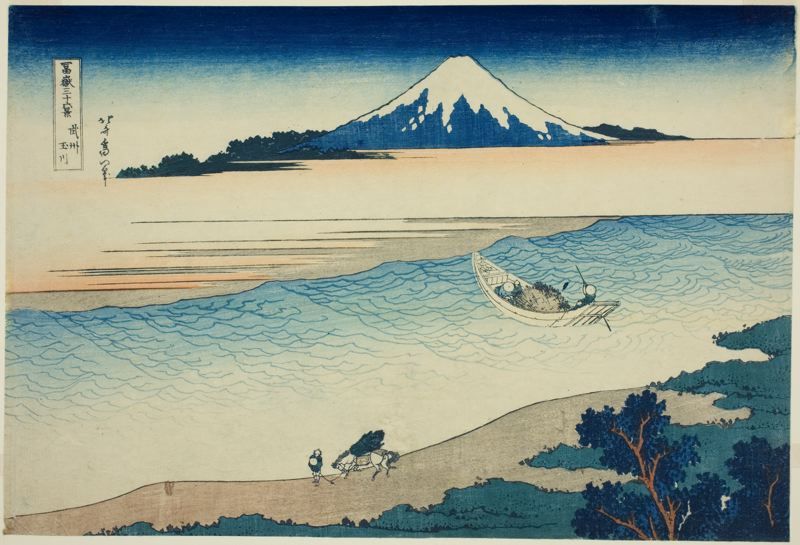
Tama River in Musashi Province (Bushu Tamagawa), from the series Thirty-six Views of Mount Fuji (Fugaku sanjurokkei)
Woodblock print
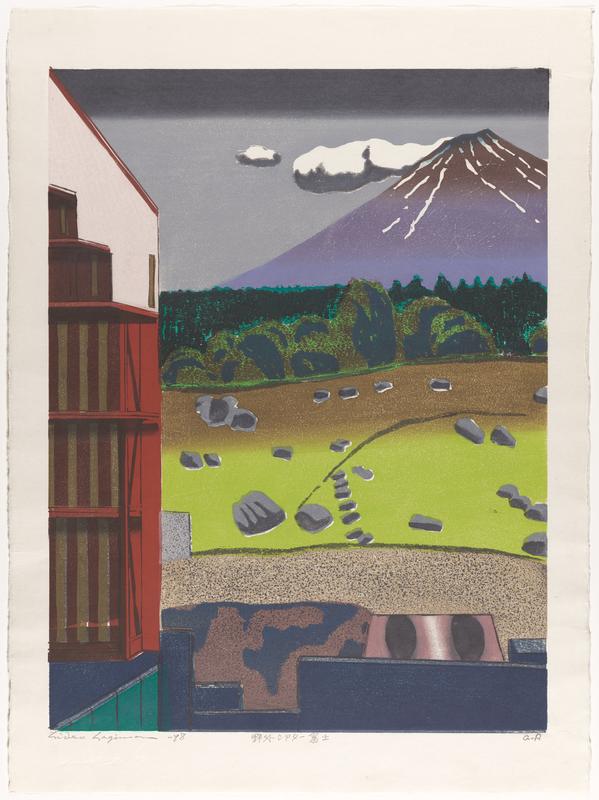
The Outdoor Theater at Mount Fuji
1998
Woodblock print, ink and color on paper
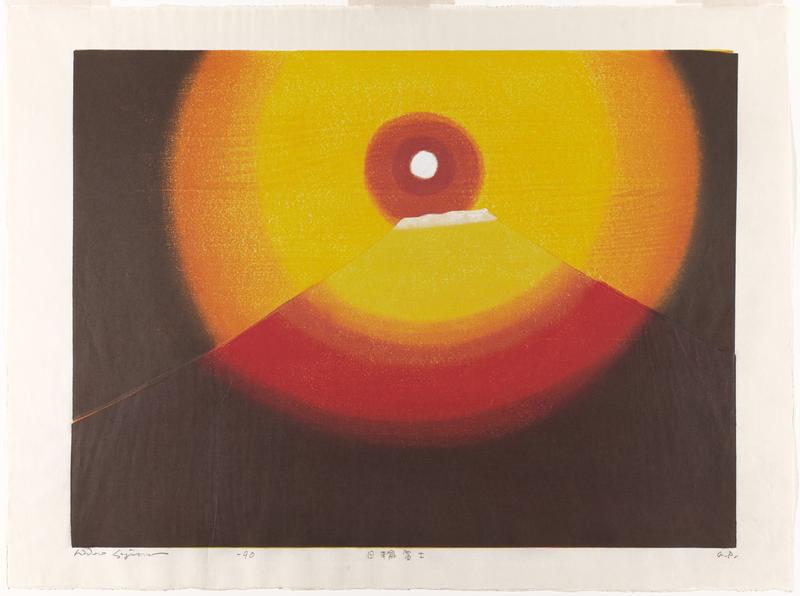
The Sun over Fuji
1990
Woodblock print, ink and color on paper

The Village of Yoshida (Yoshida mura), from the series "Ten Views of Mount Fuji (Fuji jukkei)"
Yoshida mura
1926
Color woodblock print
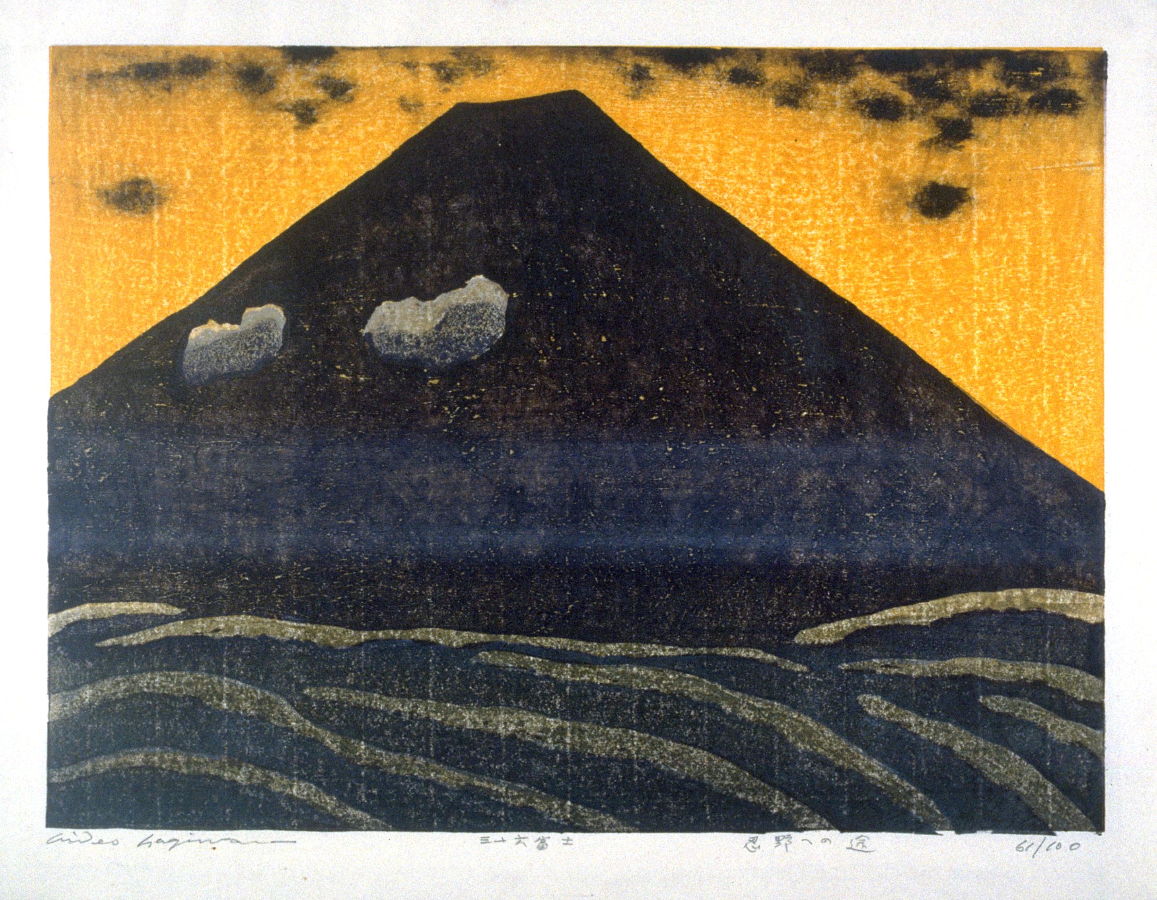
Thirty-six Views of Fuji: Way to Okino
Woodblock print
![Title unknown [Fuji seen from a temple balcony] by Ogata Gekko](https://1.api.artsmia.org/800/136698.jpg)
Title unknown [Fuji seen from a temple balcony]
1903–1907
Woodblock print (nishiki-e), ink and color on paper
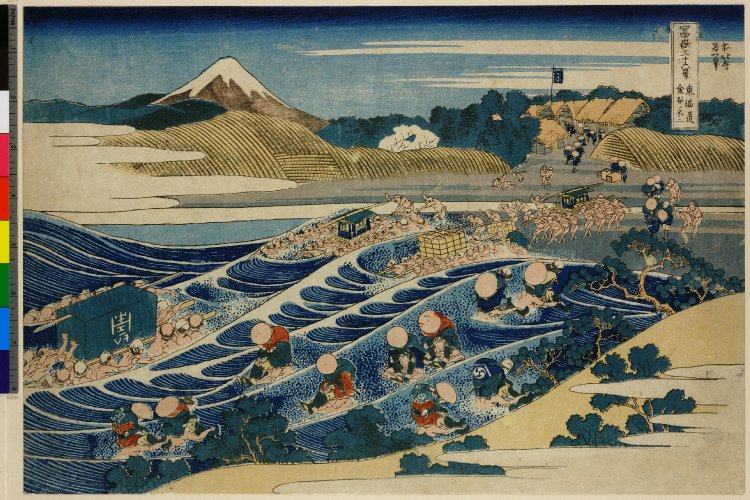
Tokaido Kanaya no Fuji / Fugaku Sanju Rokkei
Woodblock print
Tsujido no Fuji — 辻堂の富士
1929
Woodblock print
Tsujido no Fuji — 辻堂の富士
Woodblock print
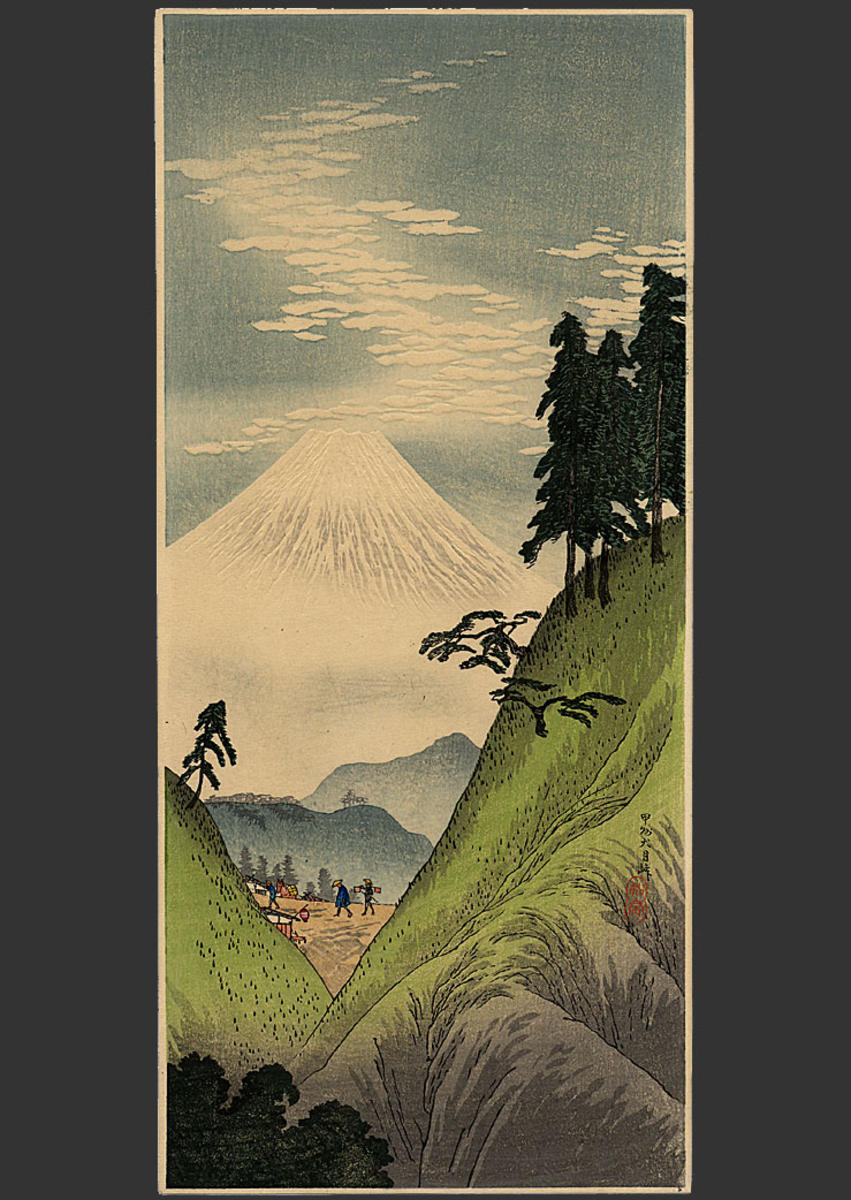
View of Fuji at Inuma Ridge in Koshu
Woodblock print
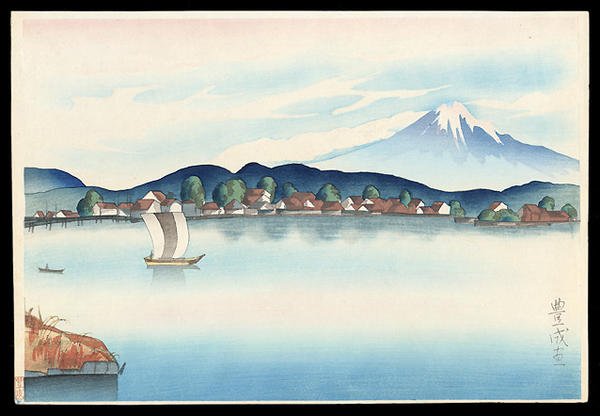
View of Fuji from Izumo
Woodblock print
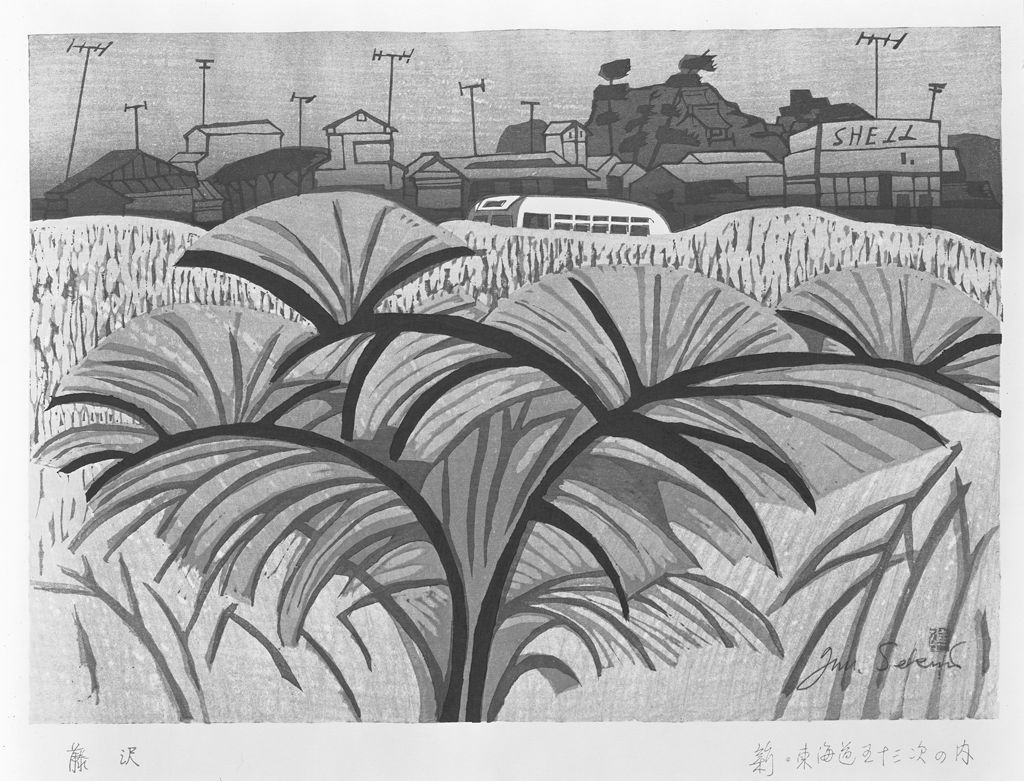
View of Fujisawa, from the series Fifty-Three Stages of the Tôkaidô
Woodblock print

View of Mount Fuji from Lake Ashi
20th century
Color woodblock print
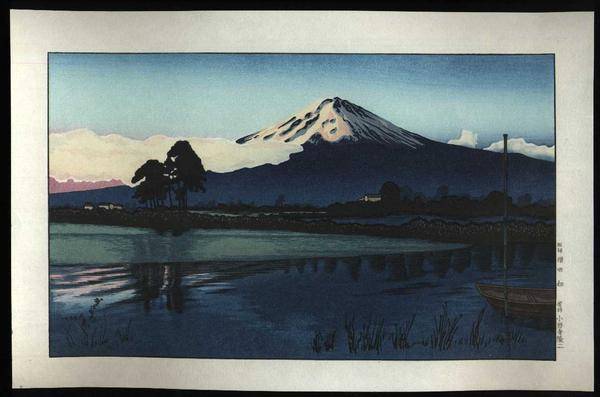
View of Mt. Fuji
Woodblock print
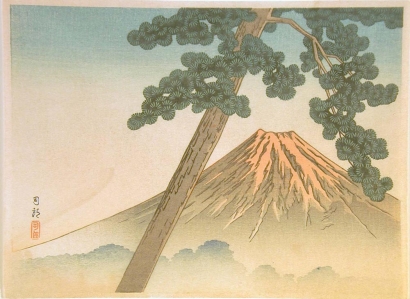
View of Mt. Fuji from Lake Ashinoko
Woodblock print
White Fuji 8
Woodblock print
White Fuji 8
Woodblock print
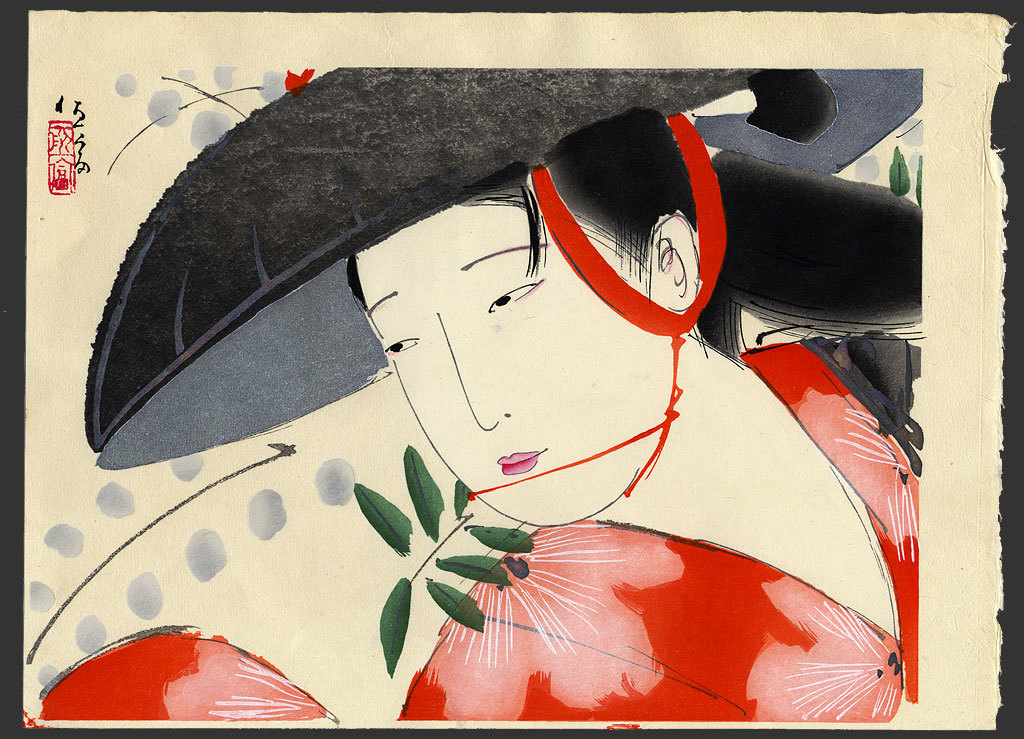
Wisteria Maiden (Fuji-Musume)
Woodblock print

Yoshiwara: Mount Fuji on the Left (Yoshiwara, hidari Fuji), from the series "Fifty-three Stations of the Tokaido Road (Tokaido gojusan tsugi no uchi)," also known as the Hoeido Tokaido
c. 1833/34
Color woodblock print; oban
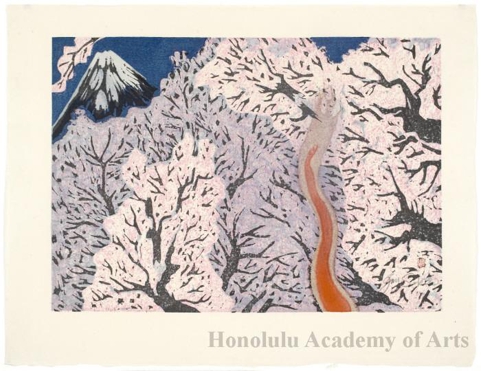
Yoshiwara: Mt. Fuji and Cherry Blossoms
Woodblock print
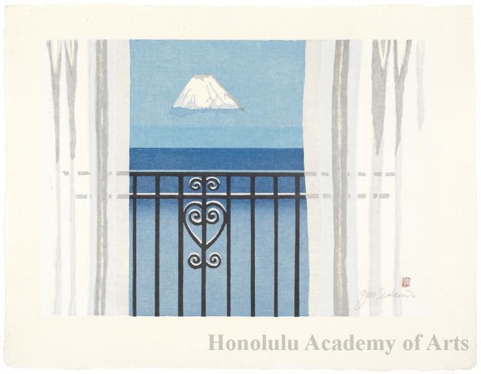
Yui: Mt. Fuji through the Window
Woodblock print
Artists Who Depicted Mount Fuji (48)
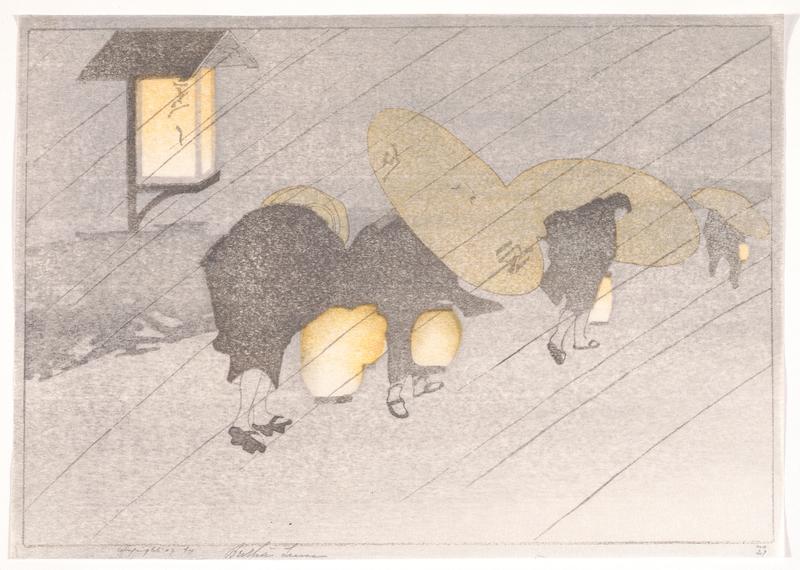
Bertha Lum
1869–1954
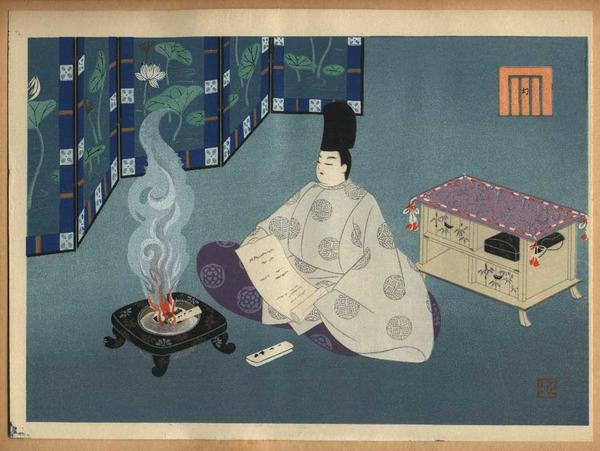
Ebina Masao
海老名正夫
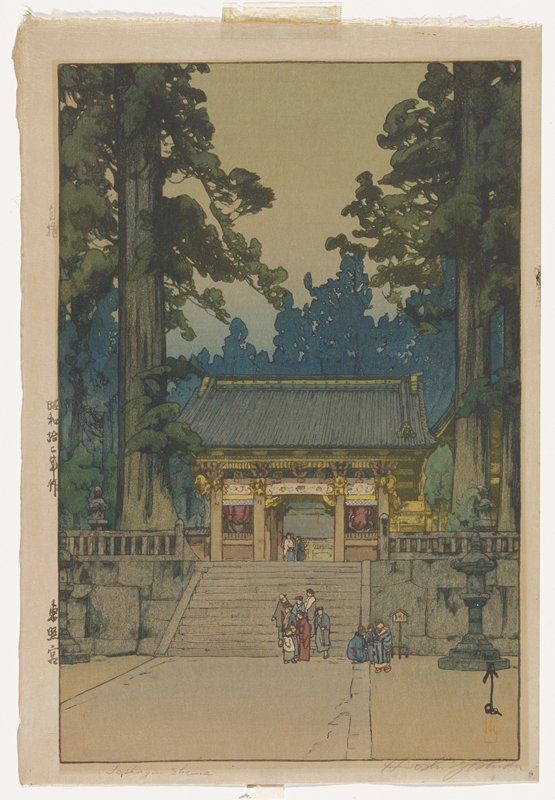
Fumio Fujita
藤田不美夫
1933–2020
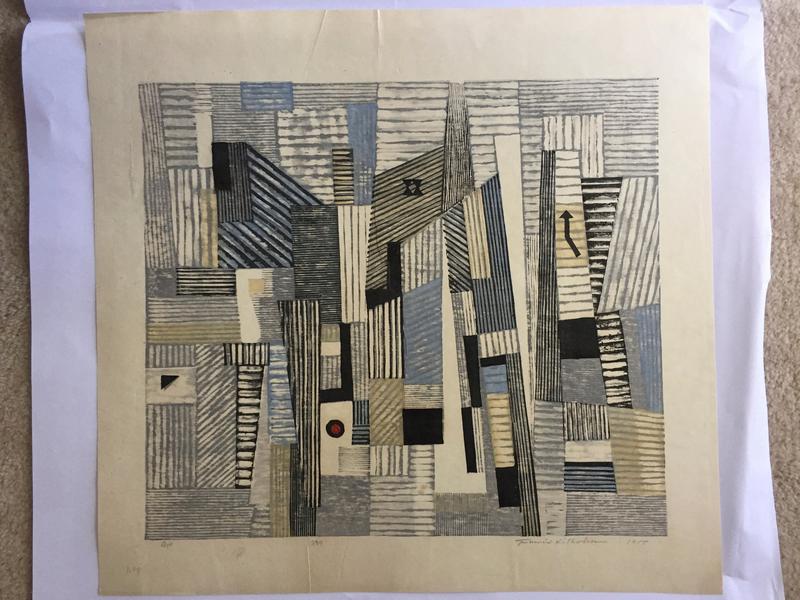
Fumio Kitaoka
北岡文雄
1918–2007

Gihachiro Okuyama
奥山儀八郎
1907–1981
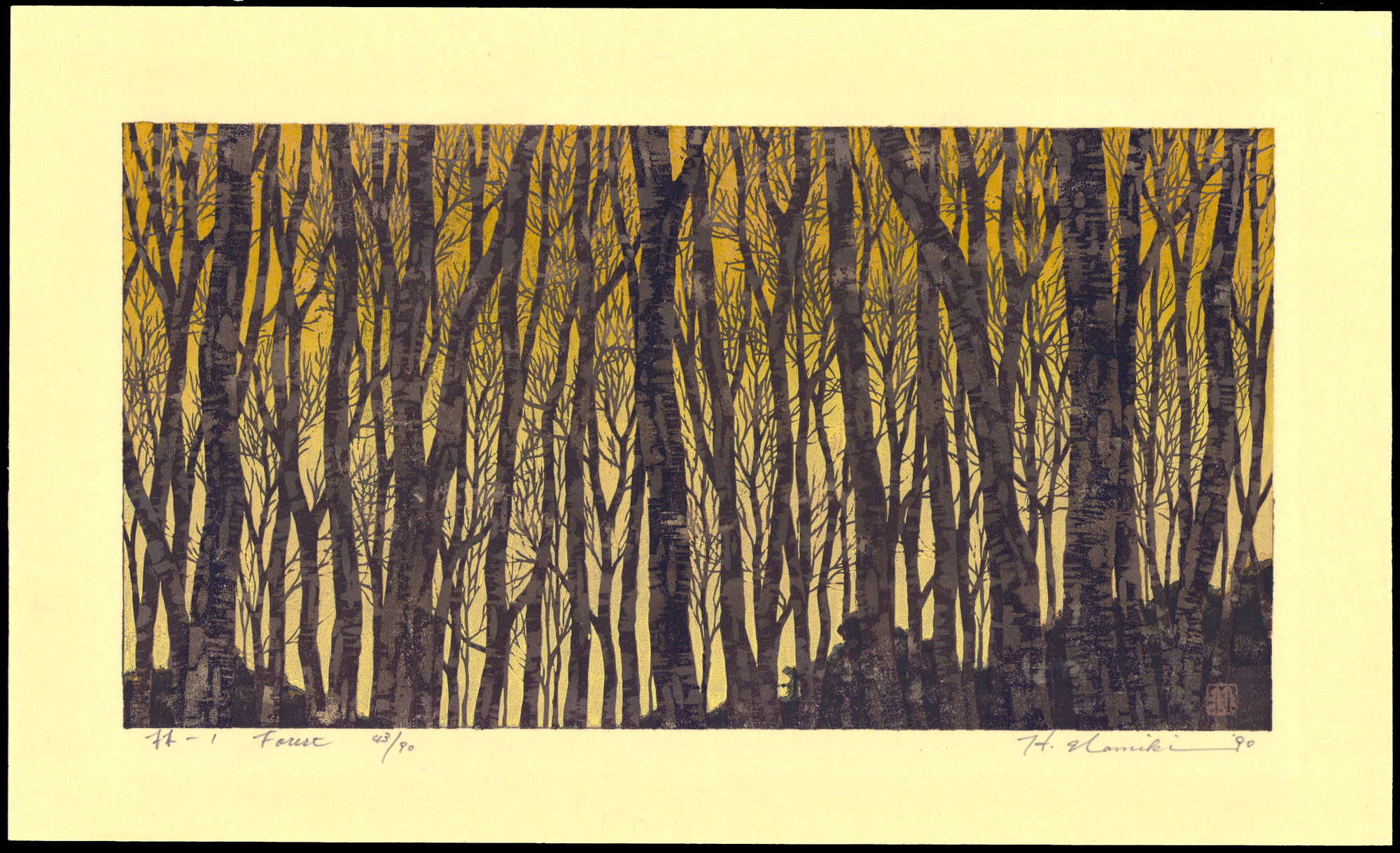
Hajime Namiki
並木一
1947

Hideo Hagiwara
萩原英雄
1913–2007
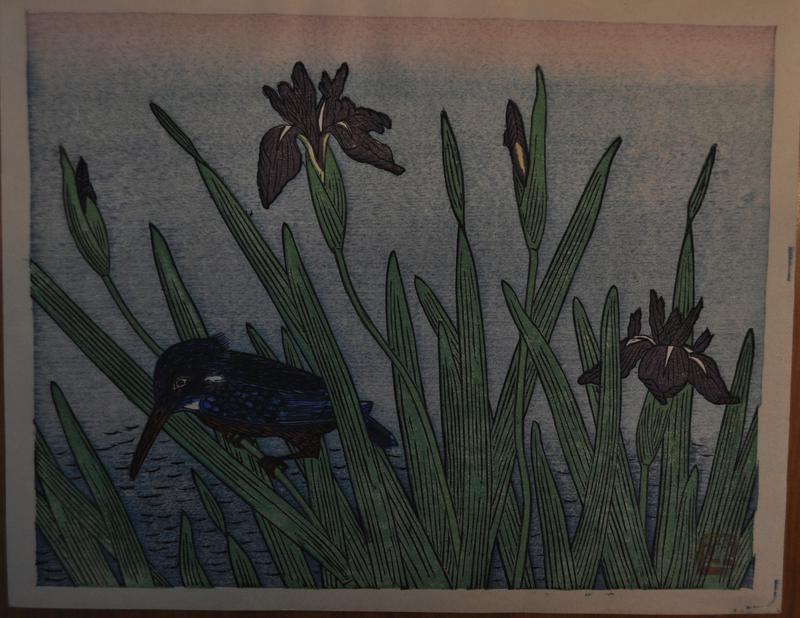
Hiratsuka Un'ichi
平塚運一
1895–1997
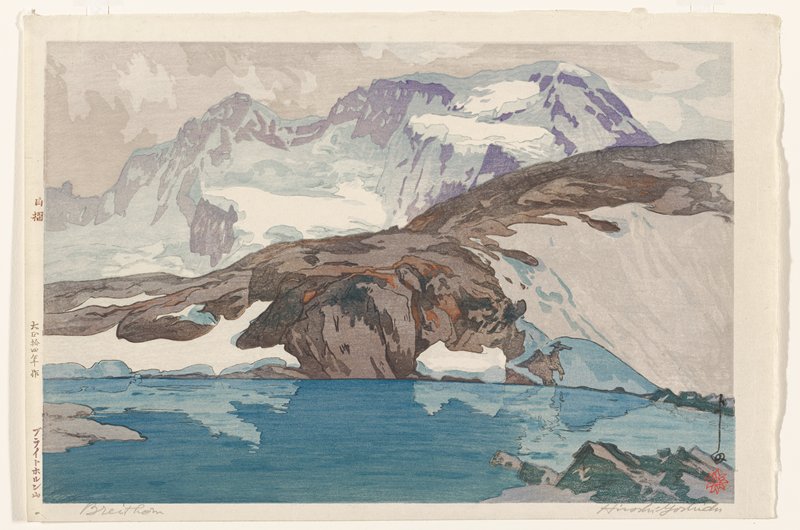
Hiroshi Yoshida
吉田博
1876–1950
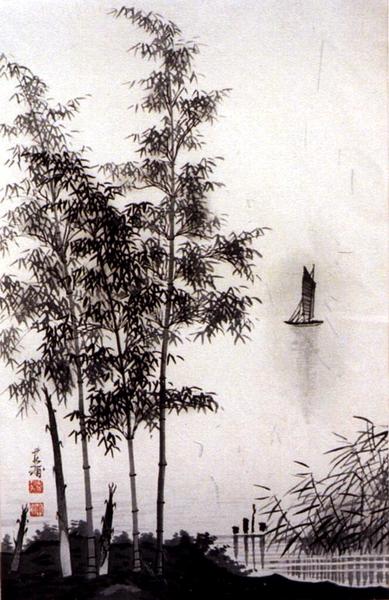
Imoto Tekiho
井元荻浦
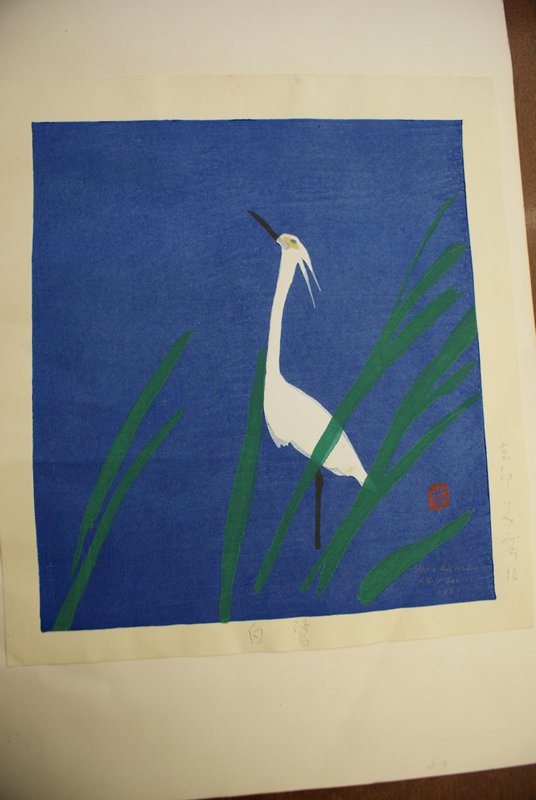
Inagaki Toshijiro
稲垣稔次郎
1902–1963
Ishikawa Toraji
石川寅治
1875–1964

Ito Takashi
伊東孝
1894–1982
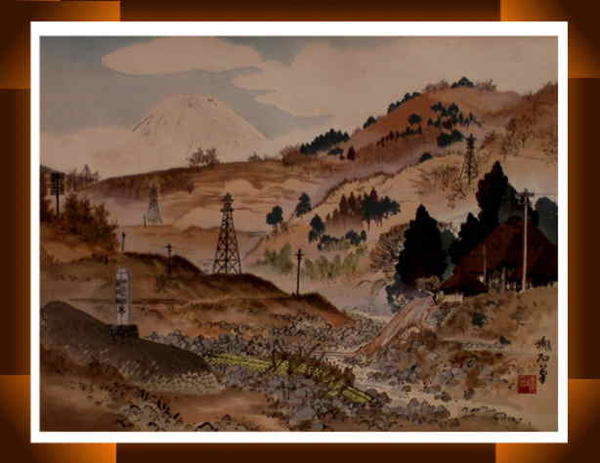
Jokata Kaiseki

Jun'ichiro Sekino
関野準一郎
1914–1988
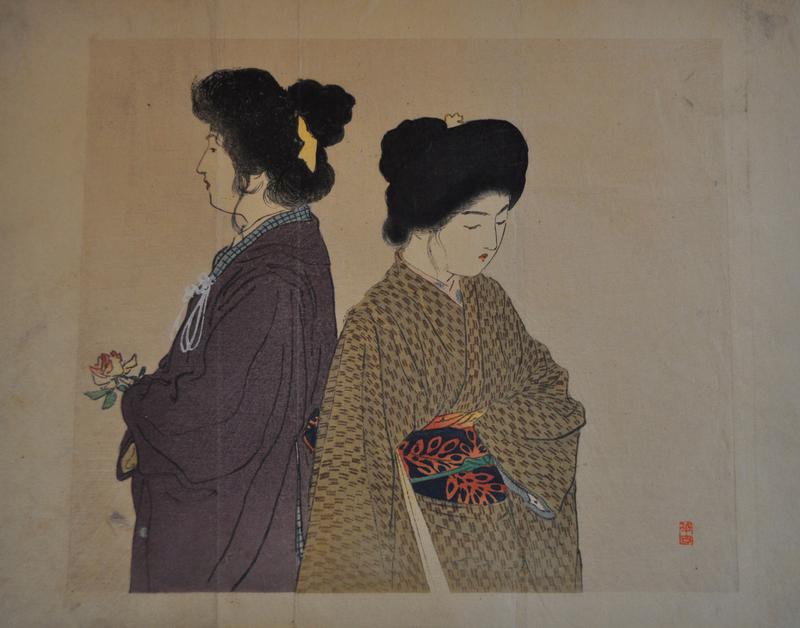
Kajita Hanko
梶田半古
1870–1917
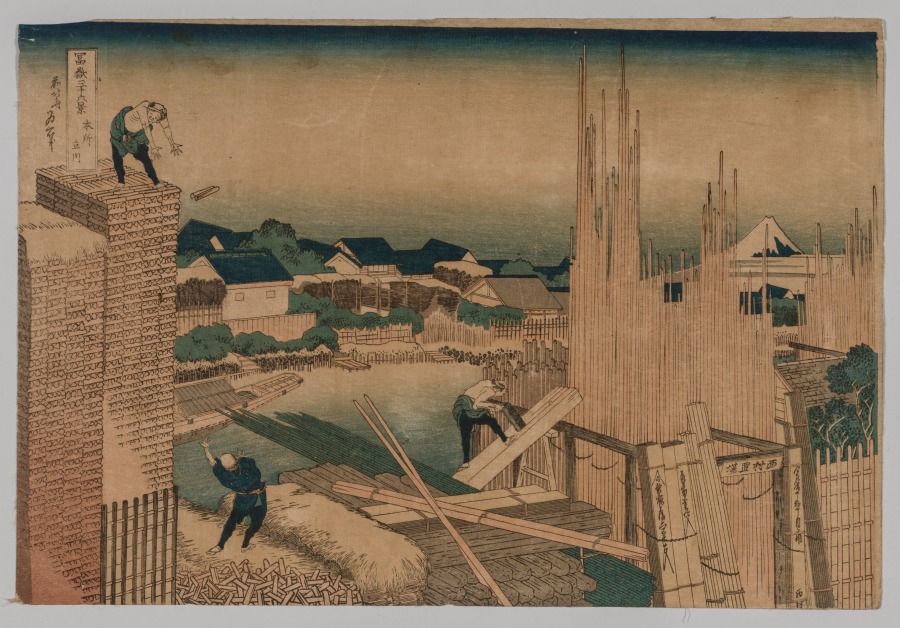
Katsushika Hokusai
葛飾北斎
1760–1849

Kawase Hasui
川瀬巴水
1883–1957
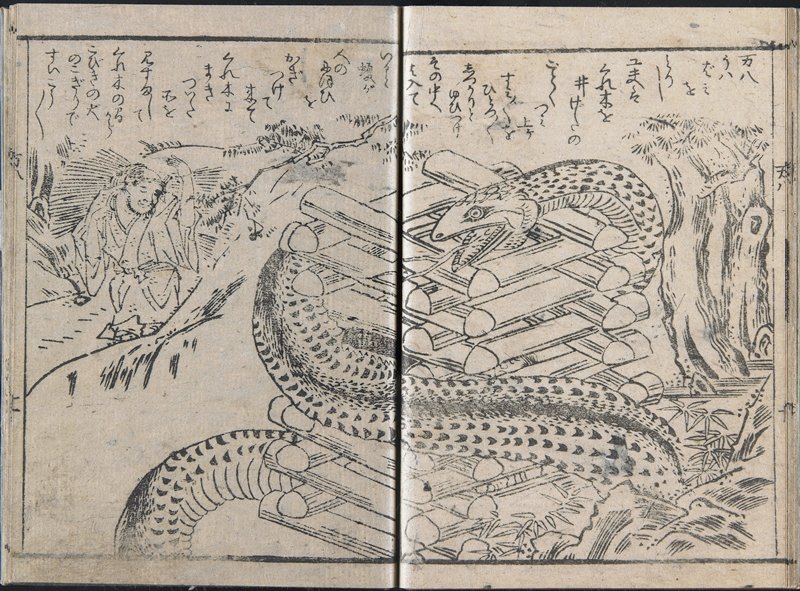
Kitagawa Utamaro
喜多川歌麿
1753–1806

Kitano Tsunetomi
北野恒富
1880–1947

Kobayakawa Kiyoshi
小早川清
1899–1948
Kobayashi Kiyochika
小林清親
1847–1915

Koho Shoda
庄田耕峰
1871–1946

Koichi Maeda
前田光一
1936
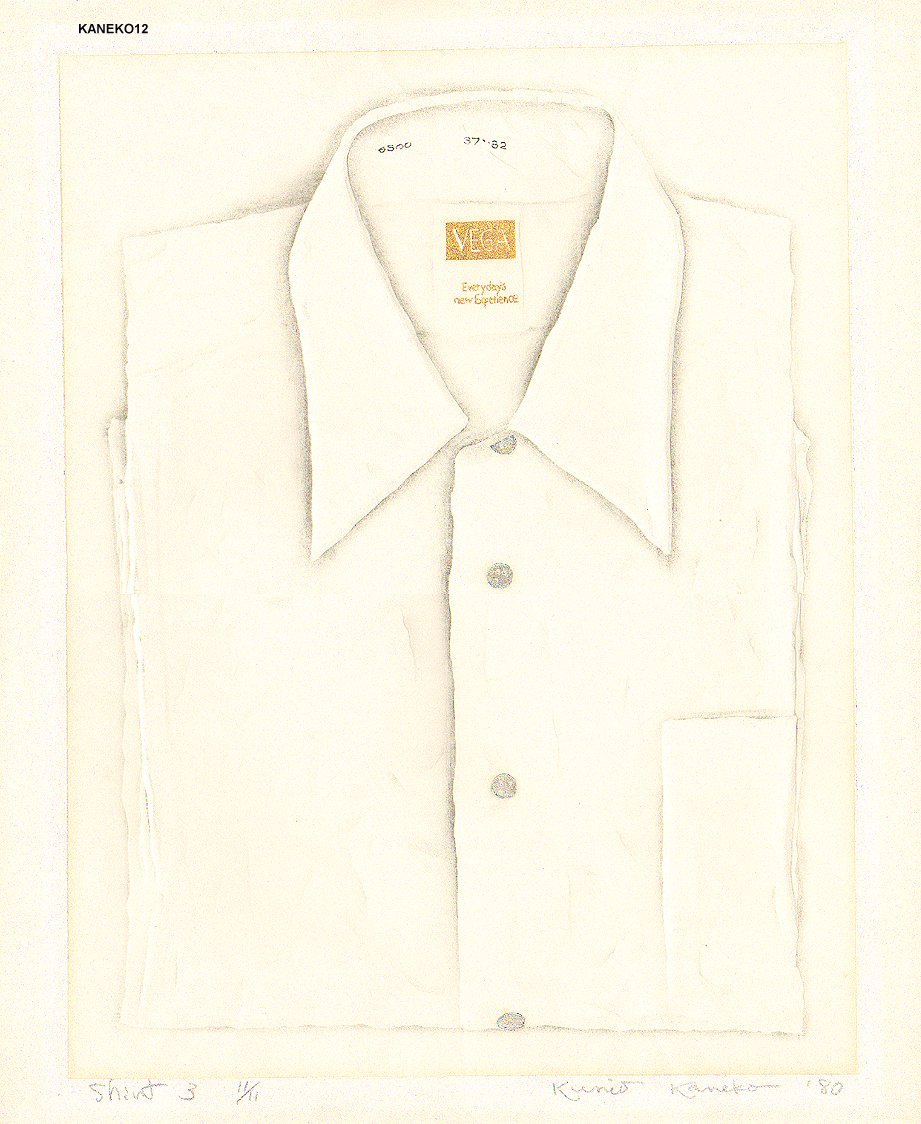
Kunio Kaneko
金子國義
1949

Kusaka Kenji
日下健二
1936

Maeda Masao
前田政雄
1904–1974

Nana Shiomi
塩見奈々
1956

Ogata Gekko
尾形月耕
1859–1920
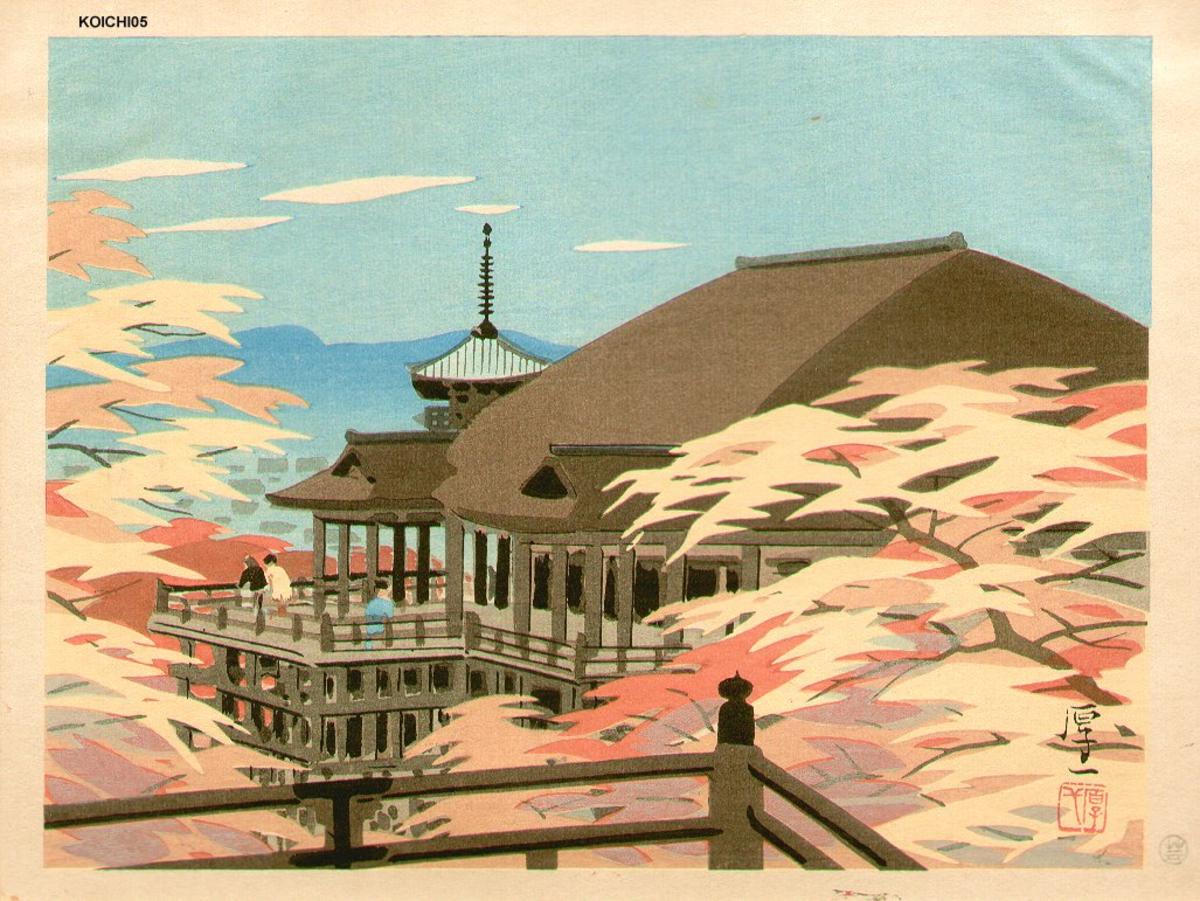
Okumura Koichi
奥村厚一
1904–1974
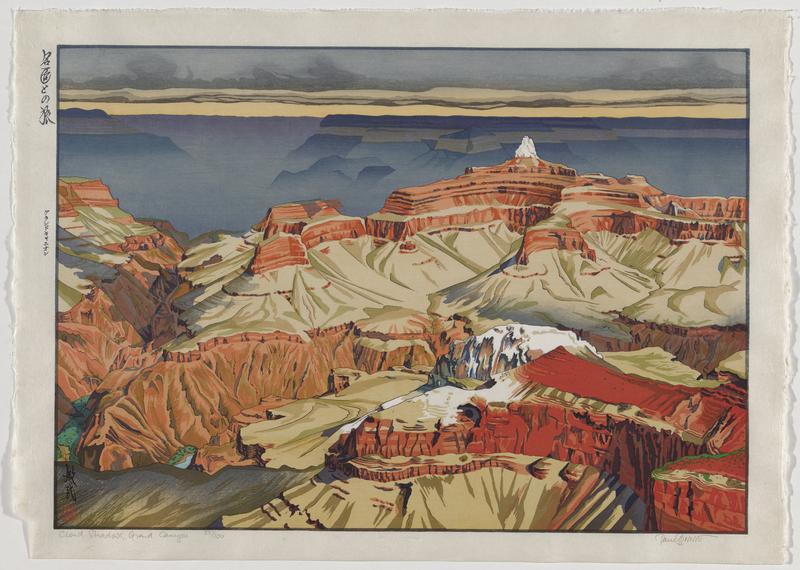
Paul Binnie
1967
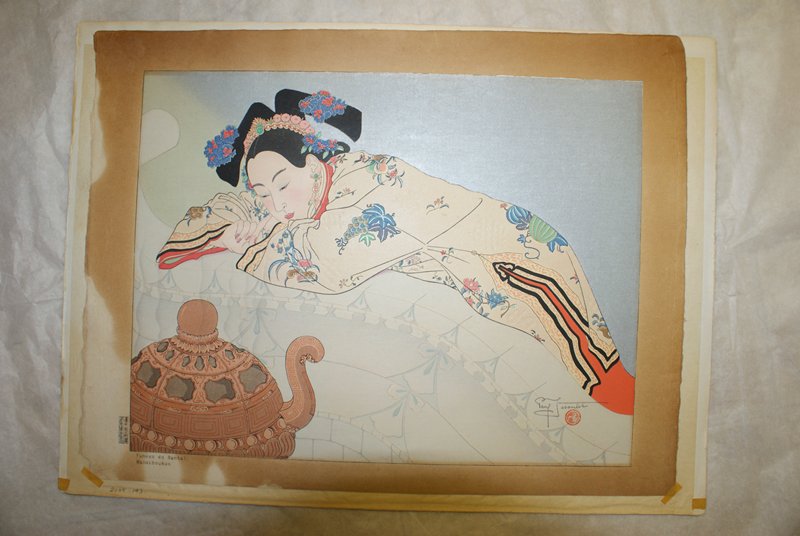
Paul Jacoulet
ポール・ジャクレー
1896–1960

Sakuichi Fukazawa
深沢索一
1896–1947

Shiro Kasamatsu
笠松紫浪
1898–1991
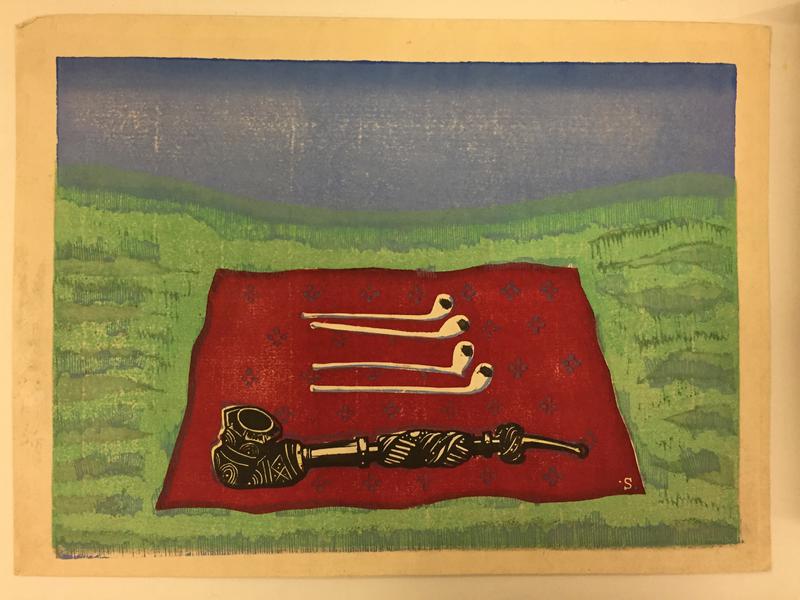
Sumio Kawakami
川上澄生
1895–1972
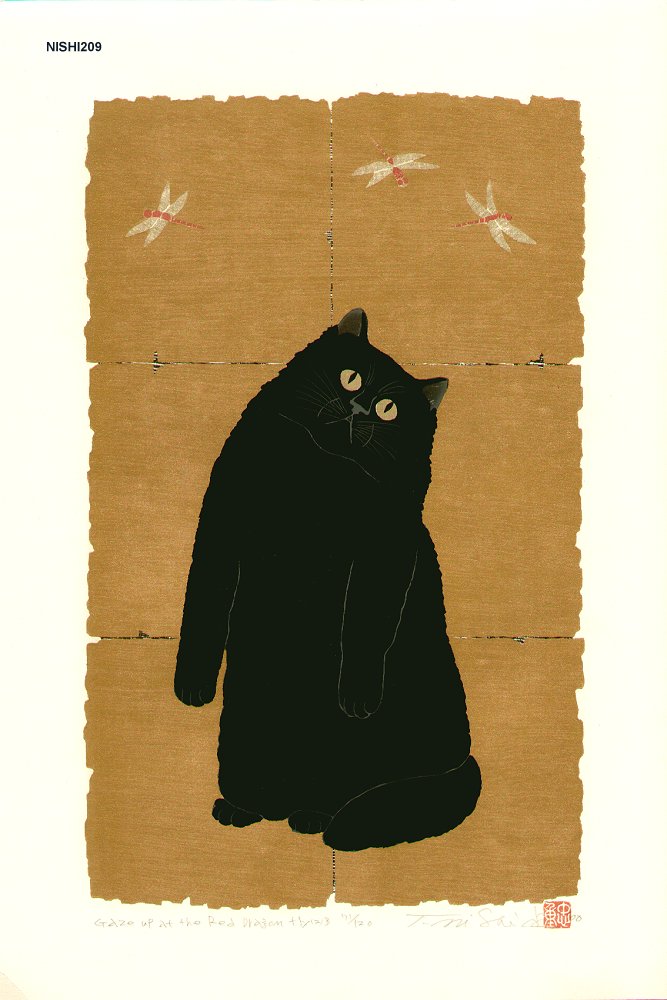
Tadashige Nishida
西田忠重
1942
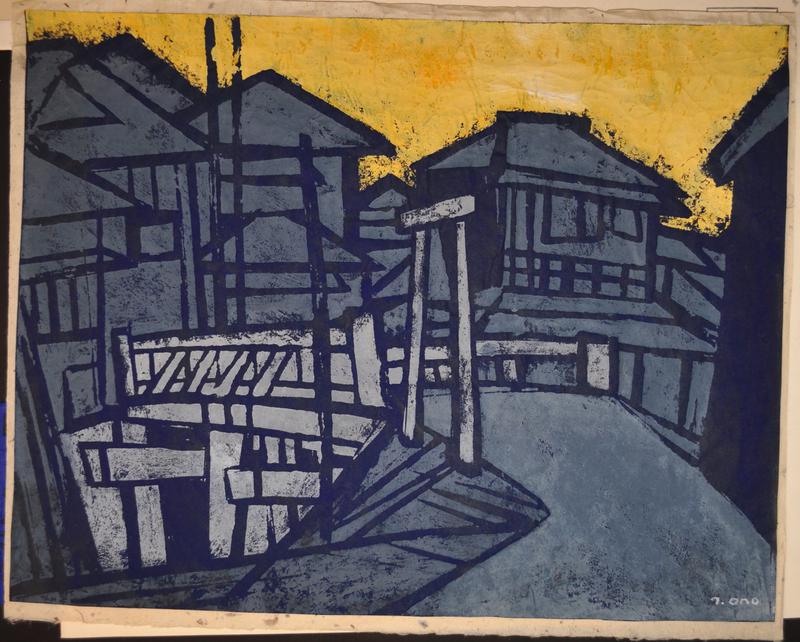
Tadashige Ono
小野忠重
1909–1990
Takahashi Shotei
高橋松亭
1871–1945
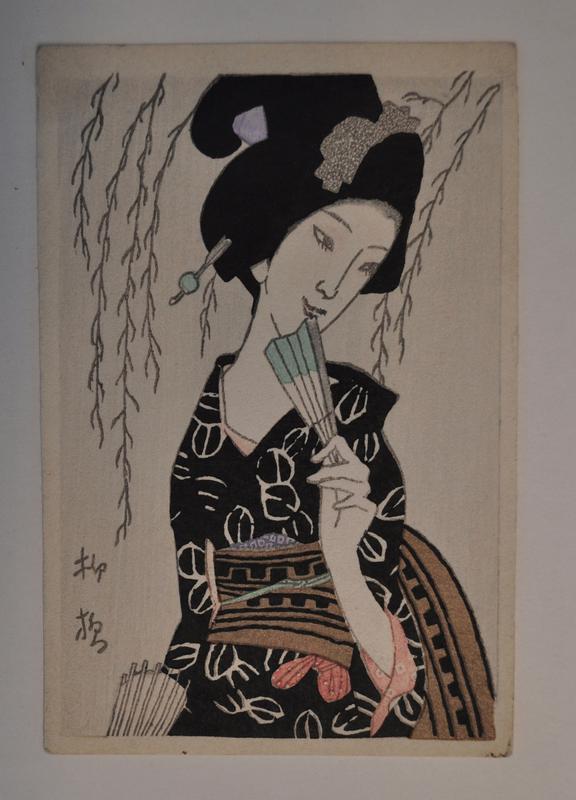
Takehisa Yumeji
竹久夢二
1884–1934
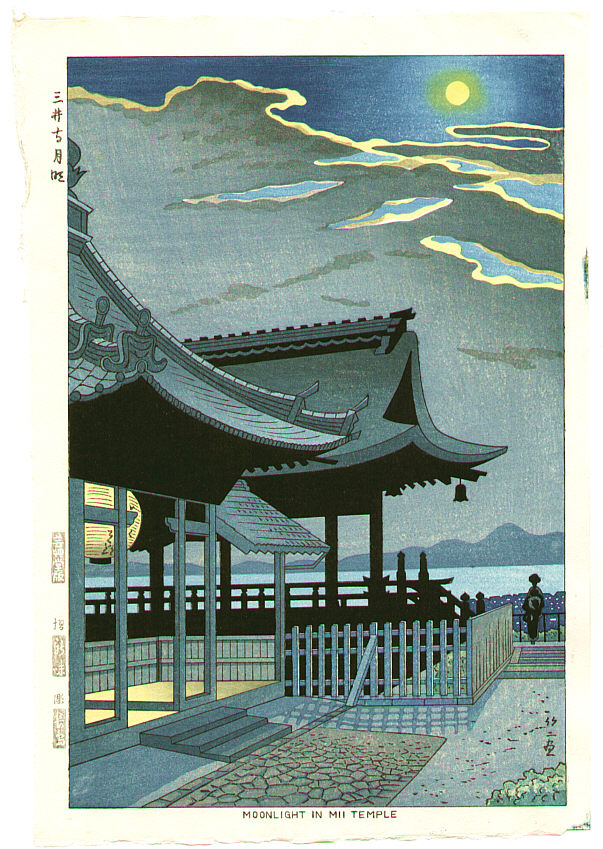
Takeji Asano
浅野竹二
1900–1999
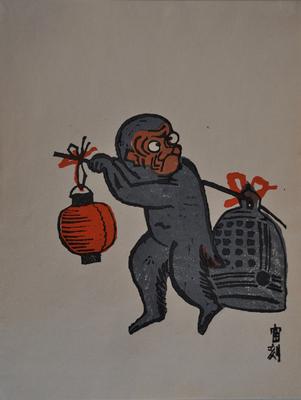
Tomikichiro Tokuriki
徳力富吉郎
1902–1999
Torii Kotondo
鳥居言人
1900–1976

Tsuchiya Koitsu
土屋光逸
1870–1949

Utagawa Hiroshige
歌川広重
1797–1858

Utagawa Kuniyoshi
歌川国芳
1798–1861

Yamamura Toyonari
山村豊成
1885–1942

Yoshijiro Urushibara
漆原木虫
1888–1953

Yuhan Ito
伊藤雄半
Frequently Asked Questions
Mount Fuji, written Fuji-san in Japanese and rising to 3,776 meters on the boundary of Shizuoka and Yamanashi prefectures southwest of Tokyo, is the highest peak in Japan and the principal sacred mountain of the country's visual tradition. Geologically a young composite volcano whose present cone has formed across the past ten thousand years, Fuji last erupted in 1707-1708 in the Hoei event, which deposited ash across the Kanto plain and formed the asymmetrical Hoei crater on the mountain's southeastern flank, and the mountain has remained quiet through the entire ukiyo-e and shin-hanga periods, allowing successive generations of printmakers to treat the cone as an essentially stable formal motif. The cult of Fuji as a sacred mountain reaches deep into the prehistoric and classical periods, with Shinto associations to the goddess Konohanasakuya-hime enshrined at the Fuji Sengen shrines, Buddhist associations through the Shugendo tradition of mountain pilgrimage, and from the seventeenth century onward the popular Fuji-ko confraternities, lay associations of pilgrims and devotees centered in Edo that organized seasonal climbs through the established northern and southern ascent routes from Yoshida, Subashiri, Suyama, and Murayama. By the late Edo period the mountain stood as a national symbol legible to viewers of every region. For Japanese printmaking the canonical statement is Katsushika Hokusai's Thirty-Six Views of Mount Fuji (Fugaku sanjurokkei), published in vertical and horizontal landscape format in colored woodblock by Eijudo (Nishimuraya Yohachi) from approximately 1830 to 1832, which expanded with ten additional sheets to comprise forty-six designs in total. The series includes The Great Wave off Kanagawa (Kanagawa-oki nami-ura), Fine Wind Clear Morning (Gaifu kaisei, popularly called Red Fuji), Rainstorm Beneath the Summit (Sanka haku-u), and views from points as varied as Mishima Pass, Lake Suwa, the Tama River, Honganji at Asakusa, and the Surugadai district of Edo, and it stands at the foundation of landscape ukiyo-e as a category. Hokusai followed it with the three-volume printed book One Hundred Views of Mount Fuji (Fugaku hyakkei, 1834-1835) in monochrome, which further codified the iconography of the mountain across seasons, weather conditions, and angles of approach. Utagawa Hiroshige treated Fuji recurrently across his career, in the Fifty-Three Stations of the Tokaido in which the mountain appears as a backdrop to many of the stations, in the Thirty-Six Views of Mount Fuji issued late in his life by Tsutaya Kichizo in 1858 in vertical format, in his One Hundred Famous Views of Edo where Fuji punctuates the Edo skyline, and in countless individual sheets. The shin-hanga revival took up the subject with renewed seriousness in the early twentieth century. Yoshida Hiroshi produced his celebrated Ten Views of Mount Fuji (1926), a tightly composed series in which the mountain is seen from differing distances and atmospheric conditions including dawn, daylight, evening, and moonlight, and Kawase Hasui returned to Fuji in many individual landscape prints from his Tokaido, Hakone, and lakeside compositions. Tsuchiya Koitsu treated Fuji in evening and snow compositions, and sosaku-hanga artists including Hiratsuka Un'ichi and Yamaguchi Gen treated the mountain in their own creative-print idioms. The visual character of Fuji in prints is built on the symmetrical conical silhouette, the alternation between snow-covered winter mass and bare summer summit, the contrast between distant horizon-line viewing and close foothill encounters, the seasonal phenomena including the morning red glow recorded in Red Fuji and the after-thunderstorm clarity recorded in many of Hokusai's compositions, and the interplay with foreground subjects ranging from cherry blossoms and pine groves to fishermen, travelers, bridges, rice fields, and the white-capped breakers of the Pacific. The mountain remains the most reliably recognized motif of Japanese art globally, and seasonal climbing routes from the fifth-station trailheads operate during July and August, while the surrounding Fuji Five Lakes region around Lake Kawaguchi, Lake Yamanaka, Lake Saiko, Lake Shojiko, and Lake Motosuko preserves many of the viewpoints from which the historical prints were composed.
Hanga catalogues 166 prints depicting Mount Fuji (富士山), by 48 different artists.
Bertha Lum, Ebina Masao, and Fumio Fujita are among the 48 artists who depicted Mount Fuji in our collection.
Want to rate prints from Mount Fuji?
Sign up to start rating